What an Adult Basset Hound Weighs
Many Basset Hound owners find themselves wondering if their beloved, low-slung companion is carrying a healthy amount of weight or if those extra pounds are adding up. It's easy to look at their unique build, with all that loose skin and sturdy bone, and feel confused about what "just right" truly looks like. This guide will dive deep into understanding the typical weight range for an adult Basset Hound, how to assess their body condition, and what factors genuinely influence their size and heft, helping you ensure your hound lives its happiest, healthiest life.
The Expected Weight Range for an Adult Basset Hound
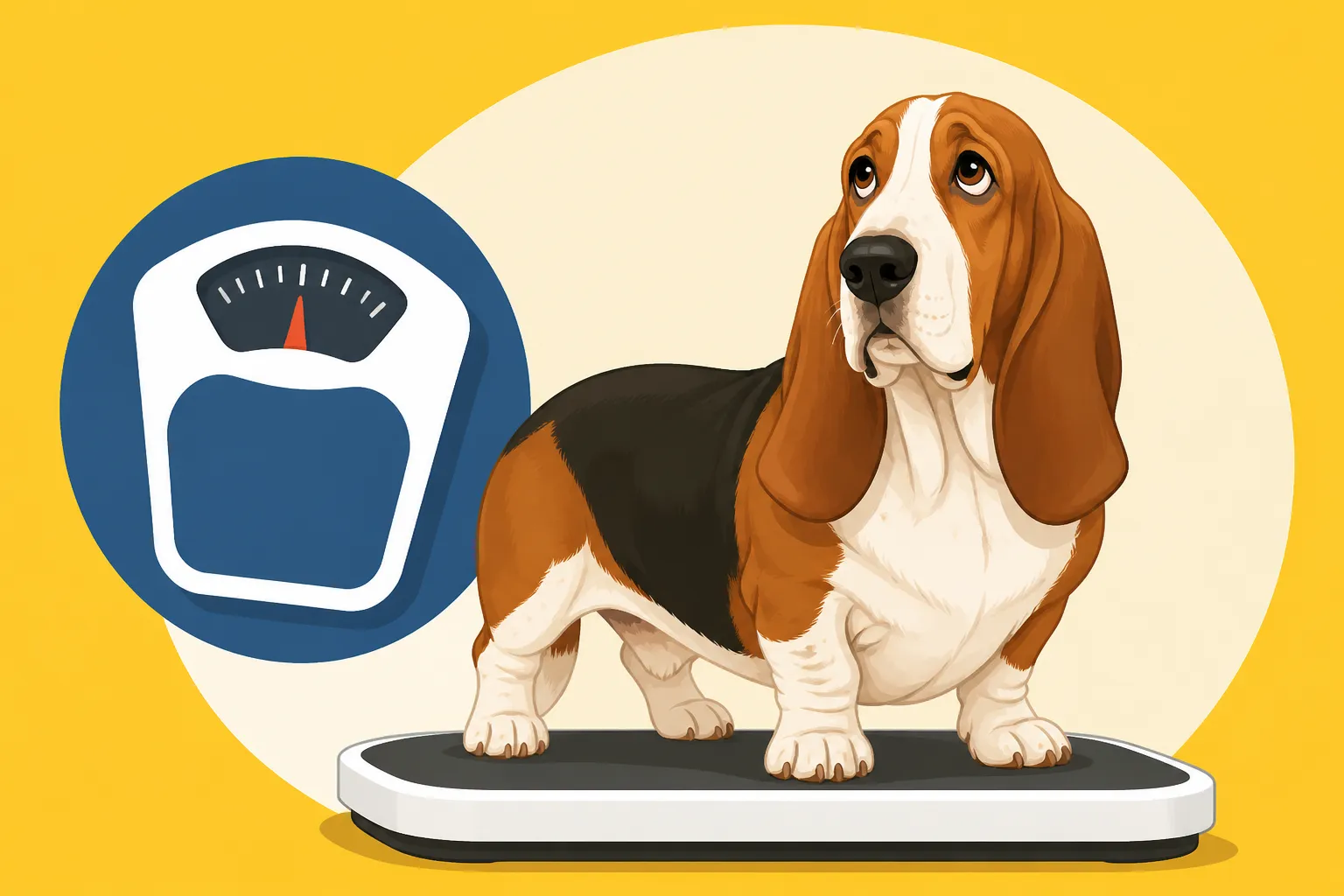
The first step in understanding your Basset Hound's weight is knowing what's considered typical for the breed. Unlike some breeds where weight can vary wildly, Basset Hounds tend to fall within a fairly consistent range, though there are always individual differences. It's not just about the number on the scale; it's about how that weight distributes across their unique, heavy-boned frame.
Average Weight for Males vs. Females
Just like with humans, there's a noticeable difference in size and weight between male and female Basset Hounds. Generally, male Bassets tend to be a bit larger and heavier than their female counterparts. You might notice this difference more in their overall bone structure and musculature, rather than just their height, as both genders are, by definition, "basset" or low to the ground. A typical adult male Basset Hound will usually weigh more, often falling into a higher part of the breed's standard weight range. Think of it like comparing a sturdy oak tree to a slightly more slender, but equally strong, one. Both are magnificent, but one simply has more mass.
For females, while they are still substantial dogs, they often present a slightly finer, though never delicate, build. They might not have the same breadth of chest or thickness of bone as a male, which naturally translates to a lower average weight. It's important to understand this natural variation so you don't panic if your female Basset weighs less than your friend's male, or vice versa. It's all part of the beautiful diversity within the breed, and it means the "ideal" weight for your particular dog might be different even within the healthy range. When you consider Whether a Male Basset Hound Is Bigger Than a Female, it's clear that these natural variations play a big role in their ultimate scale reading.
Why Breed Standards and Individual Variation Matter
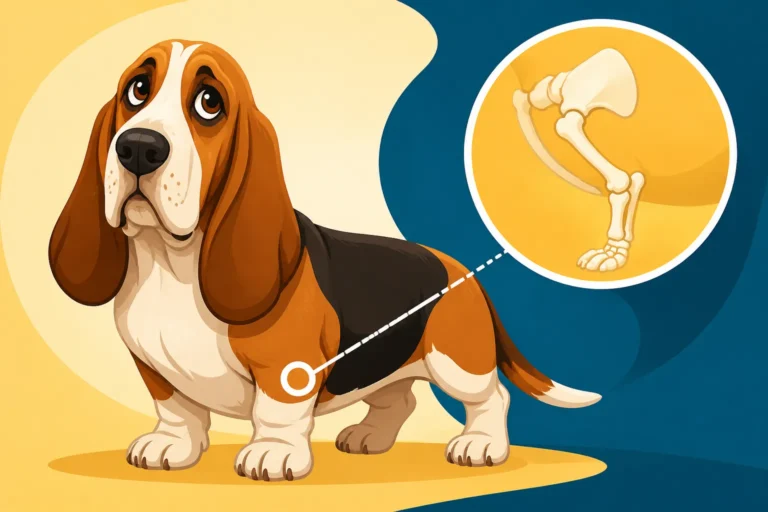
When we talk about "average" weight, it’s always helpful to remember that individual Basset Hounds aren't cookie-cutter copies of each other. Think about people – we all fall within healthy weight ranges, but what's healthy for one person might not be for another, even if they're the same height. The Basset Hound breed standard gives us a guideline, often stating a weight range rather than a single number, precisely because of these individual differences. A well-bred Basset Hound, even if it falls on the lower or higher end of the weight spectrum, should still exhibit the correct breed characteristics: heavy bone, a long body, and that distinct, serious expression.
Genetics, for instance, play a massive role. Some Basset lines might naturally produce dogs that are a bit more compact and stocky, while others might lean towards a slightly leaner, though still robust, build. This doesn't mean one is "better" or "worse," just different. What's crucial is that the dog's weight is proportionate to its individual frame. A Basset with a very heavy bone structure can carry more weight without being overweight than a Basset with a lighter frame. That's why simply looking at a number on a scale isn't enough; you also need to assess their body condition score, which we'll discuss later. It’s also fascinating to consider The Health Tests a Basset Hound Breeder Should Run because a responsible breeder often considers these genetic factors, including how their dogs mature in size and weight.
| Characteristic | Male Basset Hound (Adult) | Female Basset Hound (Adult) |
|---|---|---|
| Typical Weight Range | 50-65 pounds (23-29 kg) | 45-60 pounds (20-27 kg) |
| General Build | Often heavier boned, broader chest, more muscular | Slightly finer boned, may appear more streamlined (though still sturdy) |
| Height at Shoulder | Typically 14-15 inches | Typically 13-14 inches |
| Overall Impression | Robust, substantial | Solid, but sometimes less "bulky" than males |
| Please note: These are general guidelines. Always consult your veterinarian for an assessment tailored to your individual dog and to learn How Much a Basset Hound Should Weigh specifically for your pet. |
Factors Influencing a Basset Hound's Weight
It’s not just about what the breed standard says; several real-life factors can significantly impact your Basset Hound's weight throughout its adult life. Understanding these can help you better manage their health and catch potential issues before they become serious.
Diet and Caloric Intake
This might seem obvious, but it's astonishing how many well-meaning Basset Hound owners accidentally overfeed their dogs. Basset Hounds, bless their hearts, are often incredibly food-motivated. They’ll look at you with those soulful eyes, begging for just one more treat, and it’s hard to resist. However, their metabolism isn't always as robust as their appetite. They don't typically need a massive amount of calories to maintain a healthy weight, especially if they're not highly active. Feeding them a high-quality, balanced diet appropriate for their age and activity level is paramount. Overfeeding even slightly each day can lead to significant weight gain over weeks and months.
Portion control is your best friend here. Don't just "eyeball" it; measure out their food, perhaps using a dedicated measuring cup. Also, be mindful of treats. Those yummy morsels add up quickly! If you're using treats for training or just because you love spoiling your hound (and who doesn't?), make sure to factor those calories into their daily intake. Brands like Chewy offer a wide variety of dog foods, including options specifically designed for weight management or for less active breeds, making it easier to find something suitable for your Basset. How Much an Adult Basset Hound Eats Daily is a question many owners ponder, and the answer directly impacts their weight. If you're wondering about What Feeding a Basset Hound to the Right Weight Costs, remember that investing in quality food and proper portions can save on vet bills down the line.
Activity Level and Exercise
Basset Hounds are often stereotyped as lazy couch potatoes, and while they absolutely excel at napping, they do need regular, moderate exercise to stay healthy. A Basset that only gets a leisurely stroll around the block once a day, or worse, just backyard access, is highly susceptible to weight gain, especially if their food intake isn't adjusted accordingly. Their short legs and long backs mean they aren't built for marathons, but they thrive on consistent, sniff-filled walks. These walks not only burn calories but also engage their incredible noses, which is mentally stimulating and can tire them out in a good way.
A lack of activity not only packs on the pounds but can also exacerbate joint issues, which Bassets are already prone to. An overweight Basset has more strain on its elbows, hips, and most critically, its delicate spine. Finding a balance where they get enough movement without overexerting their unique physique is key. This could mean two shorter walks a day, or even some gentle playtime in a secure yard. Remember, a Basset on a scent trail will move with surprising determination, so harness that natural drive for exercise. Considering Getting Weight Off a Basset Hound That Will Not Exercise highlights the challenges but also the importance of tailored activity.
Age and Metabolic Changes
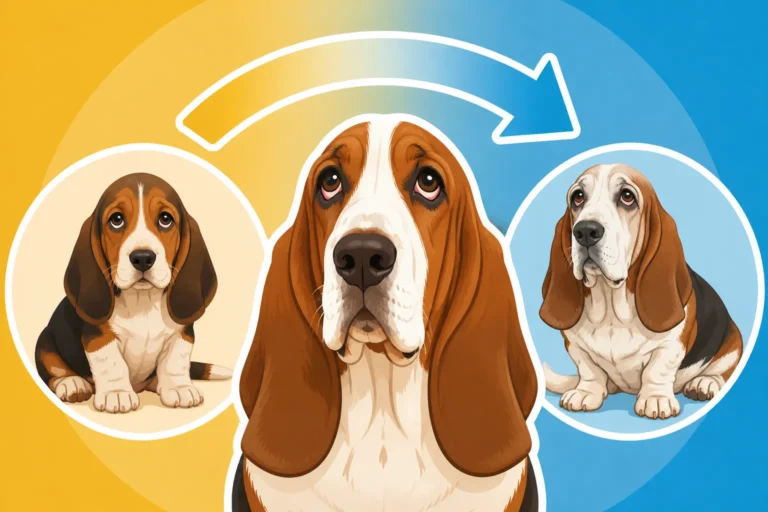
As Basset Hounds age, just like us, their metabolism tends to slow down. An energetic puppy or young adult Basset might be able to burn through more calories without much effort, but an older Basset simply won't have the same metabolic rate or desire for intense activity. This means that the diet and exercise routine that kept them trim in their younger years might need to be adjusted as they enter their senior years. You might notice they sleep more, move a little slower, and are less inclined to play vigorously.
Owners of older Bassets need to be particularly vigilant about weight management. Extra weight puts even more stress on aging joints and can worsen conditions like arthritis, which is common in older Bassets. Switching to a senior-specific dog food, which often has fewer calories and added joint support, can be a great step. Your vet can also help you determine the appropriate caloric intake for your aging hound. Observing The Age a Basset Hound Counts as Senior is essential for proactively adjusting their care, including their diet and exercise, to prevent unhealthy weight gain.
Recognizing a Healthy Weight in Your Basset Hound
The number on the scale is just one piece of the puzzle. Due to their unique build and abundant loose skin, it can be tricky to tell if a Basset Hound is at a healthy weight. Many owners struggle with this, often underestimating how much extra weight their dog might be carrying.
The Importance of Body Condition Scoring
Instead of solely relying on the scale, veterinarians and experienced Basset owners use something called a Body Condition Score (BCS). This is a hands-on assessment that helps you evaluate your dog's fat reserves and muscle mass. It involves feeling certain parts of their body rather than just looking at them, which is crucial for Bassets with all their adorable wrinkles and loose skin. The BCS usually ranges from 1 (emaciated) to 9 (morbidly obese), with an ideal score often falling around 4 or 5.
To perform a basic BCS check on your Basset:
- Feel their ribs: Gently run your hands along their sides. You should be able to feel their ribs under a thin layer of fat, similar to feeling the back of your hand. If you can't feel them easily or have to press hard, they might be overweight. If the ribs are visibly prominent or feel like knuckles, they might be underweight. This skill is critical when Feeling for a Basset Hound's Ribs Under Loose Skin.
- Check their waist: From above, while standing, a Basset Hound should have a slight tuck or indentation behind their ribs, before their hips. From the side, their belly should tuck up slightly, not sag downwards or be perfectly flat like a sausage. This can be tricky with a Basset's long body and loose skin, but it's still an important indicator.
- Examine their spine and tail base: You should be able to feel the bones of their spine and the base of their tail with light pressure, but they shouldn't be sharply protruding. A thick layer of fat here indicates excess weight.
Learning how to perform these checks regularly means you can catch weight changes early.
Visual Cues and Common Misconceptions
While feeling is more reliable for Bassets, there are some visual cues to look out for. An overweight Basset might appear rounder, with less definition in its chest and waist. Their jowls and neck folds might seem extra thick, and you might notice them moving with less enthusiasm or even struggling to get up from lying down. Their gait might appear more labored, or they might seem to pant more easily after minimal exertion. Many owners mistakenly believe that a "chunky" Basset is a healthy Basset, simply because the breed is known for being heavy-boned. However, there's a big difference between heavy-boned and fat.
A common misconception is Whether a Basset Hound Is Fat or Just Built That Way. While Basset Hounds are indeed built low and long with plenty of loose skin, this does not mean they should be overweight. That loose skin should drape, not be stretched taut over layers of fat. An ideal Basset Hound will still have an athletic appearance for its breed type, meaning its body should be well-proportioned and not appear 'bloated' or overly heavy. Early detection of weight issues is vital because Whether an Overweight Basset Hound Lives Shorter is a serious consideration; excess weight truly impacts their longevity and quality of life. Look for Signs a Basset Hound Is Carrying Too Much Weight to intervene early.
Managing Your Basset Hound's Weight for a Healthy Life
Keeping your Basset Hound at a healthy weight is one of the most impactful things you can do for their long-term health and happiness. It’s a commitment, but one that pays dividends in preventing various health complications.
Establishing a Consistent Feeding and Exercise Routine
Consistency is king when it comes to weight management. Your Basset Hound thrives on routine, and a predictable schedule for meals and exercise can make a world of difference. For feeding, divide their daily recommended food amount into two meals. This prevents them from feeling overly hungry and helps manage their metabolism more effectively. Avoid leaving food out all day (free-feeding), as Bassets are notorious for overeating when given the opportunity. If your Basset gulps their food too quickly, a slow-feeder bowl or puzzle toy can help extend mealtime and prevent them from consuming too many calories too fast. You can find excellent slow feeder options and specific weight management kibbles on platforms like Chewy, which can be really helpful.
For exercise, aim for at least two moderate walks a day, typically 20-30 minutes each. These walks should allow for plenty of sniffing, as engaging their powerful nose is mentally enriching and helps burn energy. Remember, Bassets aren't sprinters, but they are endurance trackers. Incorporate some gentle play, like rolling a ball (they might not fetch, but they love to sniff it out), or even some basic obedience training sessions using low-calorie treats. Even if they initially resist, gently encourage movement. Building a routine around Keeping a Basset Hound at Its Correct Weight is crucial for their overall well-being.
The Role of Regular Vet Check-ups and Monitoring
Your veterinarian is your most valuable partner in managing your Basset Hound’s weight. During routine check-ups, your vet will weigh your dog, assess their body condition score, and discuss their diet and exercise habits with you. They can help you determine the ideal weight range for your specific Basset, taking into account their individual build, age, and any existing health conditions. Don't shy away from having an honest conversation about your Basset's weight with your vet; they're there to help, not to judge.
If your Basset is overweight, your vet can recommend a tailored weight loss plan, which might include specific dietary changes (such as a prescription weight-loss food), a gradual increase in exercise, and ongoing monitoring. They can also rule out any underlying medical conditions, such as hypothyroidism, that could contribute to weight gain. Similarly, if your Basset is underweight, they can investigate the cause and develop a plan to help them gain weight healthily. These regular check-ups are essential not just for weight, but for catching other breed-specific issues like The Skin Under a Basset Hound's Folds or monitoring conditions like What Extra Weight Does to a Basset Hound, which can be exacerbated by excess weight. Using brands like Purina Pro Plan or Royal Canin for veterinary-prescribed diets, which can often be ordered through Chewy, ensures you're giving your Basset the best chance at a healthy weight.
Long-Term Strategies for Weight Maintenance
Maintaining a healthy weight isn't a one-time fix; it's a lifelong commitment. Once your Basset Hound reaches its ideal weight, the goal shifts to maintaining it. This means continuing with consistent feeding schedules, measuring food portions accurately, and providing regular exercise. Be vigilant about subtle changes. A pound or two might not seem like much on a person, but on a Basset Hound, it can be the start of a slippery slope. Weigh your Basset regularly at home or at your vet's office to monitor for creeping weight gain.
Consider alternatives to high-calorie treats. Small pieces of healthy vegetables like carrots, green beans, or apple slices (without seeds) can be excellent low-calorie rewards that your Basset will still enjoy. Engage them in activities that use their brains, like scent work or puzzle toys, as mental stimulation can be just as tiring and satisfying as physical exercise, without adding extra calories. Remember, a Basset's long life, often The Ten to Twelve Years a Basset Hound Lives, means that consistent, careful weight management is vital for their comfort and health in every stage of life. Always make sure to check ingredients carefully; Chewy provides detailed nutritional information for all its food products, helping you make informed decisions about your Basset's diet.
Disclaimer
This article is for general informational purposes only and does not constitute professional advice. Laws, prices and regulations vary by location and change over time. Consult a qualified professional for guidance on your specific situation.