The Age a Basset Hound Reaches Full Size
If you've welcomed a floppy-eared, low-slung Basset Hound into your family, you've probably watched them grow with a mix of awe and a little bit of impatience, wondering when exactly your adorable, gangly puppy will finally fill out and stop changing. It's a common question among Basset owners, as their growth isn't always as straightforward as some other breeds. This guide will help you understand the unique developmental journey of a Basset Hound, from their puppy antics to their full, magnificent adult size.
Understanding the Basset Hound's Unique Growth Pattern
Basset Hounds are distinctive in their appearance, and their growth reflects that uniqueness. Unlike some breeds that shoot up quickly and then fill out, Basset Hounds tend to grow in stages, often leaving owners wondering if they'll ever truly "finish." It's not just about height and length; it's also about the significant bone density and muscle mass that contributes to their sturdy, low-to-the-ground frame.
The Peculiar Pacing of Basset Hound Development
Basset Hounds aren't built for speed, and their growth isn't either. They possess a heavy bone structure for their size, and this takes time to develop properly. While they might reach their full height relatively early, perhaps by 10 to 12 months, their body continues to mature and 'thicken up' for quite a bit longer. This can be a source of bewilderment for new owners, who might see a dog that looks almost adult-sized, yet still has the gangly awkwardness of a teenager. They might not seem to gain much more height, but their chest deepens, their muscles firm, and they gain that characteristic "substance" that defines the breed.
It's easy to look at a Basset Hound puppy and think they're going to stay quite small, but their eventual weight can be surprising. They are often described as a "big dog on short legs" for a reason. This continuous development means that while they might be past their puppy growth spurts, they're still laying down important bone density and muscle that will support their unique physique throughout their life. It's a testament to their heritage as powerful scent hounds, requiring a strong, durable body for long hours tracking.
Considering their substantial build, it’s also a time when you really need to be mindful of their developing joints. Too much strenuous exercise or rough play can put undue stress on their still-forming skeletal system. This careful balance of activity and rest is crucial during this extended growth phase to ensure they develop into a robust adult, free from unnecessary strain on their joints. The Back Trouble a Basset Hound Is Built Into is a concern for the breed, and careful management during growth can help.
Growth Plates and When They Close in Basset Hounds
For all dogs, growth plates are areas of cartilage at the ends of long bones that gradually harden into bone as the dog matures. These are the engines of skeletal growth. When these growth plates close or "fuse," the long bones stop growing in length. In Basset Hounds, these plates typically begin to close around 12 to 18 months of age, with some variation.
Before these plates fully close, bones are more vulnerable to injury. This is why veterinarians often advise against rigorous activity like excessive jumping or long-distance running for puppies, especially large or heavy-boned breeds like Bassets. A seemingly minor bump or twist could potentially damage a growth plate, leading to improper bone development or even lameness later in life. It's a critical period where careful management of their physical activity is more important than ever.
Even after the growth plates have fused, the Basset Hound's body still has some maturing to do in terms of muscle development and filling out its robust frame. So, while the vertical growth might stop, the horizontal and 'filling out' process continues. Understanding this process helps owners realize that their Basset isn't just a mini-dog; it's a unique canine athlete whose body takes its time to become fully formed.
Key Milestones in a Basset Hound's Physical Maturity
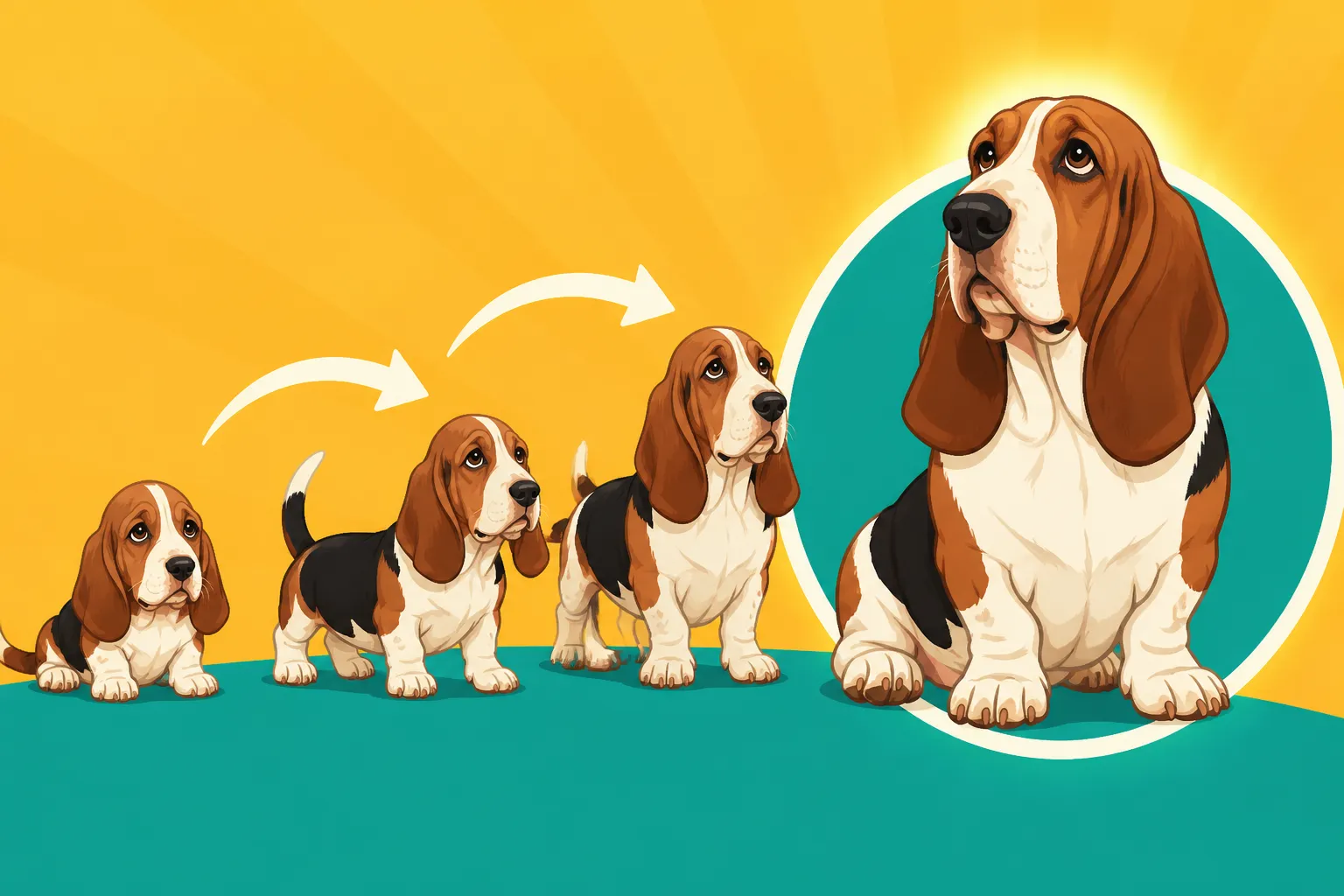
Watching a Basset Hound puppy grow is a journey. They start as these impossibly cute, wrinkled bundles of joy, and then slowly but surely, they transform into the dignified, albeit often comical, adults we know and love. This transformation isn't a quick sprint but a marathon, with distinct phases that mark their progress towards full physical maturity.
Initial Rapid Growth: Puppyhood to Adolescence
The first six months of a Basset Hound's life are marked by rapid, almost unbelievable growth. They’ll put on weight and gain height at an astonishing rate. During this period, their paws often look comically large for their body, and their ears seem to get even longer by the day. This is the time when they transition from tiny, helpless pups to bouncy, curious adolescents, full of boundless energy – or at least, boundless sniffing energy. The First Year With a Basset Hound Puppy can be a whirlwind of changes.
By around six to eight months, many Basset Hounds will have reached a significant portion of their adult height. They might appear tall and lanky, with their characteristic deep chest still developing. Their puppy fur might be giving way to a denser adult coat, and their facial wrinkles, already charming, become more pronounced. Owners often notice a surge in appetite during this phase, a clear sign that their bodies are working hard, consuming calories to fuel all that growth. Many high-quality puppy foods, including options found on Chewy, are formulated to support this rapid development.
However, this rapid growth stage is also when Basset Hounds can look a bit awkward, sometimes appearing disproportionate as their long bodies and short legs try to catch up with each other. It’s important not to try and rush their growth with excessive food, thinking it will help them fill out faster. Overfeeding during this crucial period can lead to unhealthy weight gain, which puts unnecessary stress on their developing joints and can contribute to lifelong health issues. Proper nutrition, balanced for growth, is key.
Filling Out: The Slow Path to Full Weight and Muscle Mass
Once a Basset Hound has reached most of its adult height, usually around 10 to 12 months, the next phase of growth begins: filling out. This is where they really start to put on the muscle and density that contributes to their substantial adult weight. This process can continue for quite some time, often up to two years of age, and sometimes even a little beyond. They might not get any taller, but their body broadens, their chest deepens, and they develop that solid, weighty feel that is so characteristic of the breed.
During this "filling out" stage, you might notice your Basset gaining weight more slowly but steadily. They start to look less like a lanky teenager and more like a sturdy, mature hound. Their muscles become more defined, and their overall silhouette becomes more robust. This is also when their adult personality truly starts to emerge, often settling into that famously calm, laid-back Basset temperament, though still with plenty of hound-like determination when a good scent crosses their path. It’s also during this phase that you might fully appreciate What an Adult Basset Hound Weighs – they truly are substantial dogs.
Many owners mistake this filling out period for their dog needing more food, leading to an overweight Basset. It's crucial to monitor their body condition closely. You should be able to feel their ribs without pressing too hard, and they should have a discernible waist when viewed from above. Maintaining a healthy weight is paramount for a Basset Hound, especially given their unique body structure and predisposition to The Back Trouble a Basset Hound Is Built Into. Brands like Chewy offer a wide range of weight-management foods and healthy treats if you find your Basset starting to pack on too many pounds.
Here’s a general timeline for a Basset Hound’s growth:
| Age (Months) | Primary Growth Stage | Key Characteristics |
|---|---|---|
| 0-3 | Rapid Puppy Growth | Doubling/tripling weight, learning to walk, eyes open, first barks |
| 3-6 | Adolescent Height Gain | Fast growth in height, still lean, high energy, major socialization |
| 6-12 | Approaching Adult Height | Reaching near full height, still somewhat lanky, losing puppy fat |
| 12-18 | Filling Out / Growth Plates | Gaining muscle mass, chest deepening, growth plates closing |
| 18-24+ | Full Maturity / Filling Out | Body fully developed, reaching final weight, mental maturity |
Factors Influencing a Basset Hound's Final Size
While we can talk about general timelines, every Basset Hound is an individual, and several factors play a significant role in determining their ultimate size and development pace. It’s not just a matter of time; it’s a complex interplay of genetics, nutrition, and even environment.
Genetics and Lineage: Looking at the Parents
The most influential factor in your Basset Hound's final size will always be genetics. Just like with people, puppies inherit traits from both parents, including their potential for height and weight. If both parents are on the larger side of the breed standard, there's a good chance their offspring will be too. Conversely, if the parents are smaller, your Basset pup might follow suit. A responsible breeder will be able to show you the parents, and perhaps even previous offspring, giving you a good indication of what to expect.
Beyond just the size of the parents, the entire lineage can play a role. Some lines are known for producing particularly heavy-boned, substantial Bassets, while others might lean towards a slightly more athletic build (though "athletic" for a Basset is still pretty robust!). Understanding the typical characteristics of your puppy's family line can give you a clearer picture of their developmental trajectory. Don't be shy about asking your breeder about the grandparents or great-grandparents if you're really curious about the potential size of your future companion. The Health Tests a Basset Hound Breeder Should Run are important, and discussing lineage and typical sizes should be part of that conversation.
It's also worth noting that male Basset Hounds generally tend to be larger and heavier than females. This sexual dimorphism is common across many dog breeds and is another genetic factor that influences final size. So, if you have a male, expect him to likely be on the higher end of the weight spectrum for the breed, while a female might be a bit lighter and more refined in her frame. This is perfectly normal and simply a reflection of their inherited biological makeup.
Nutrition and Exercise: Fueling Healthy Growth
Beyond genetics, proper nutrition and appropriate exercise are absolutely critical during a Basset Hound’s growth period. Think of it like building a house – you need the right materials and a solid plan. A high-quality diet provides the essential nutrients, vitamins, and minerals needed for strong bone development, muscle growth, and overall health. Opting for a reputable brand of large-breed puppy food, which is often formulated with appropriate calcium and phosphorus ratios for steady growth, is a wise choice. Brands like Royal Canin and Purina Pro Plan, widely available on Chewy, have specific formulations designed to support the unique growth needs of larger or heavy-boned breeds.
However, more food does not equal faster or better growth. In fact, overfeeding a Basset Hound puppy is one of the worst things an owner can do. Excessive calorie intake can lead to rapid weight gain, putting undue stress on their developing joints and bones. This can exacerbate predispositions to conditions like elbow dysplasia, which can be an issue in the breed. It's far better for a Basset Hound to grow at a slow, steady pace rather than an accelerated one. Consult with your veterinarian to establish appropriate feeding guidelines based on your puppy's age, weight, and activity level, and stick to them diligently. Keeping a Basset Hound at Its Correct Weight from puppyhood is crucial for long-term health.
Similarly, appropriate exercise is key. While Basset Hounds aren't marathon runners, they still need regular, moderate activity to build muscle tone and maintain a healthy weight. Long, forced marches or intense jumping games are definitely out, especially when they are young and their growth plates are still open. Short, frequent walks, playtime in a secure, flat yard, and engaging in scent games are much more suitable. This helps them develop coordination and strength without putting excessive strain on their unique skeletal structure. Remember, their bodies are designed for endurance tracking, not agility feats. How Far a Basset Hound Should Walk will change throughout their life, but moderation is always key in youth.
Recognizing When Your Basset Hound is Fully Grown
It’s often a subtle transition, not a sudden stop, when your Basset Hound finally reaches full maturity. You might wake up one day and realize they haven't seemed to get any bigger or heavier in months. There are both physical and behavioral indicators that can help you understand when your floppy-eared friend has truly settled into their adult self.
Physical Indicators of Maturity
One of the most telling physical signs that your Basset Hound is fully grown is when their height and length stabilize. You'll notice they haven't grown taller at the shoulder or longer in the body for a period of several months. For most Bassets, this generally happens between 12 and 18 months, but the "filling out" process continues. Their bone structure will appear dense and solid, and their overall proportions will look balanced, even with their famously short legs and long bodies.
Another key indicator is the stabilization of their weight. After the initial rapid gains of puppyhood and the slower, steady increases of adolescence, an adult Basset Hound's weight should remain consistent, assuming a proper diet and exercise routine. If they continue to gain weight after about 2 years of age, it’s more likely due to overfeeding or lack of exercise rather than continued growth. You should be able to easily feel their ribs, spine, and hip bones without them being visibly bony. Their chest will be deep and full, and their muscles well-developed, giving them that substantial, powerful appearance unique to the breed. If you're unsure about their ideal weight, checking a breed standard, or simply asking your vet for a body condition score, can be helpful.
Pay attention to their overall body condition. Their characteristic wrinkles and loose skin will be fully developed, and their coat will be dense and sleek. While they might still have some puppy-like energy well into their second year, their physical frame will clearly be that of an adult. If you're really looking for a definitive sign, a vet can confirm the closure of growth plates with X-rays, though this is usually only done if there's a medical concern. Otherwise, a watchful eye and consistent weigh-ins will give you a good idea. Many owners attest that Whether a Basset Hound Fills Out After Two is a genuine observation, showing that their body continues to mature even after basic skeletal growth halts.
The Mental and Behavioral Shift to Adulthood
Beyond the physical changes, a significant indicator of full maturity in a Basset Hound is a shift in their mental and behavioral patterns. While Basset puppies are notoriously playful and often have an endearing stubborn streak that can be quite challenging, adult Bassets typically settle into a calmer, more predictable demeanor. This isn't to say they become entirely sedate – they'll always have their moments of playful zoomies or determined scent-tracking – but the frantic, sometimes overwhelming energy of puppyhood begins to wane.
You might notice a reduction in destructive behaviors that were common during their younger months, such as chewing on inappropriate items or incessant nipping. They generally become more relaxed indoors, content to nap in a sunny spot or supervise family activities from their favorite orthopedic bed. Their attention span for training might improve slightly (though "slightly" is the key word for Bassets!), and they might demonstrate a greater understanding of household rules and routines. They develop a more profound sense of loyalty and a deeper bond with their family members, truly becoming the laid-back, affectionate companions they are known to be.
This mental maturity also often brings a subtle increase in their independent streak. While still desiring companionship, they may become less clingy and more comfortable with periods of quiet solitude. Of course, their incredible nose will always be their guiding force, often overriding any attempts at recall when a compelling scent presents itself. This shift towards a more mature temperament is a welcome change for many owners who navigate the sometimes-frustrating antics of a Basset Hound puppy. While their minds might never be entirely "grown-up" in the way a Border Collie's might, they certainly move past the juvenile phase. Whether an Old Basset Hound Still Needs Walks shows their enduring need for engagement, even as they age.
Disclaimer
This article is for general informational purposes only and does not constitute professional advice. Laws, prices and regulations vary by location and change over time. Consult a qualified professional for guidance on your specific situation.