The Age Glaucoma Shows in a Basset Hound
Many Basset Hound owners find themselves constantly vigilant for signs of health issues, and few conditions carry the same fear as glaucoma. This painful and potentially blinding eye disease is unfortunately common in our beloved long-eared companions, and knowing when it typically emerges is absolutely critical for early detection and intervention. This guide will explore the common age of onset for glaucoma in Basset Hounds, delve into why they are particularly susceptible, and equip you with the knowledge to recognize its subtle and overt symptoms.
Understanding Glaucoma in Basset Hounds
Glaucoma is more than just "high eye pressure"; it's a complex disease that damages the optic nerve, the vital connection transmitting images from the eye to the brain. Think of your Basset Hound's eye like a tiny, perfectly balanced balloon. Inside, there's a fluid called aqueous humor that's constantly produced and drained. When this drainage system goes awry, the fluid builds up, pressure increases, and that balloon starts to stretch and compress the delicate structures within, including the optic nerve. This sustained pressure leads to irreversible vision loss and significant pain.
What Exactly is Glaucoma?
At its core, glaucoma is a neuropathy – a disease affecting the optic nerve. In a healthy eye, the intraocular pressure (IOP) is maintained within a narrow range by the balance of aqueous humor production and drainage. This fluid, which is distinct from tears, nourishes the eye's internal structures. When the outflow pathways, often a mesh-like structure called the trabecular meshwork, become blocked or compromised, the pressure inside the eye climbs. This increased pressure literally squeezes the blood vessels supplying the optic nerve, leading to its eventual death.
The pain associated with glaucoma is often underestimated. Imagine a severe, constant headache localized directly behind the eye. Dogs can't tell us they're hurting, but the behavioral changes they exhibit, like rubbing their face, becoming withdrawn, or being reluctant to play, are often indicators of intense discomfort. It's a progressive condition, meaning if left untreated, the damage continues, and vision diminishes until blindness is complete, often within a short timeframe in acute cases.
Primary vs. Secondary Glaucoma
Understanding the two main types of glaucoma is crucial for Basset Hound owners. They differ in their cause and often their presentation.
Primary Glaucoma is the inherited form of the disease, and it's the one most commonly associated with Basset Hounds. This type means the eye's drainage angle is inherently abnormal or develops issues over time, even without any other underlying eye disease. It’s a structural defect that makes the dog predisposed to pressure buildup. For Basset Hounds, the genetic component is significant, and unfortunately, once one eye is affected, there's a very high probability that the other eye will follow, often within months to a couple of years. This isn't just bad luck; it's a ticking genetic time bomb that responsible breeders strive to avoid by screening their breeding stock. You can learn more about The Glaucoma a Basset Hound Inherits and how it manifests.
Secondary Glaucoma, on the other hand, arises as a complication of another eye condition. This could be due to a luxated lens (where the lens of the eye shifts out of place), severe inflammation inside the eye (uveitis), a tumor, or advanced cataracts that cause swelling. In these cases, the primary problem physically obstructs the drainage angle or otherwise interferes with fluid dynamics, leading to increased pressure. While Basset Hounds can certainly develop secondary glaucoma, their predisposition to the primary form means owners must always be extra vigilant for the inherited disease, especially as their dogs age.
When Does Glaucoma Typically Appear in Basset Hounds?
This is the million-dollar question for many Basset Hound enthusiasts. While individual dogs can certainly deviate from the norm, there's a general age range where primary glaucoma most frequently makes its unwelcome appearance. Being aware of this timeframe can empower owners to be more proactive in their pet's preventative care and recognize signs sooner.
The Genetic Predisposition and Age Ranges
For Basset Hounds, primary glaucoma is a condition of adulthood, usually striking in middle age. While some extremely rare cases might be seen in younger dogs, the typical age of onset falls between 3 to 7 years old. This is a critical window, as many Basset Hounds are still quite active and seemingly in their prime during these years, making early symptoms easy to dismiss or attribute to other issues. However, the disease can certainly manifest later, even into their senior years. This means that vigilance needs to be a lifelong commitment for Basset Hound owners.
Because it's inherited, this age range is fairly consistent within the breed, though environmental factors or other health conditions could potentially accelerate or delay its presentation slightly. The insidious nature of primary open-angle glaucoma, a specific type common in Bassets, means the pressure buildup can be gradual and painless at first, delaying detection until significant damage has occurred. This is why regular vet check-ups are so vital, even if your Basset seems perfectly fine.
Variations in Onset Age
While 3 to 7 years is a common range, it's important to remember that biology isn't always a strict textbook. Some Basset Hounds might develop initial signs earlier, even as young as two years old, while others might not show any symptoms until they are 8 or 9. These variations can be due to the specific genetic makeup of the individual dog, the presence of other concurrent health issues, or even environmental stressors that might influence overall eye health.
For instance, a Basset Hound carrying certain genetic markers might develop the condition closer to the younger end of the spectrum, experiencing a more aggressive form of the disease. Conversely, a dog with a less severe genetic predisposition might have a slower progression or a later onset. Factors such as general health, nutrition, and even how often a dog might experience mild eye irritation (though not a direct cause, could exacerbate sensitivity) can play a minor role. What's clear is that understanding that Whether Glaucoma Runs in Basset Hound Lines is important, and proactive screening is never too early to start once they hit adulthood.
Recognizing the Subtle and Obvious Signs
One of the biggest challenges with glaucoma is that our dogs can't tell us they have a headache or that their vision is blurring. As dedicated Basset Hound parents, we need to become detectives, keenly observing their behavior and physical appearance for any deviations from the norm. Early detection is absolutely paramount for preserving vision and managing pain, making knowledge of the signs indispensable.
Early, Non-Specific Indicators
Before the eye turns dramatically red or cloudy, there are often subtle cues that something isn't quite right. These early signs are easily missed or attributed to other things, which is why vigilance is so important. One of the very first things you might notice is that your Basset Hound is a little quieter than usual, perhaps less enthusiastic about walks or playtime. They might also start bumping into furniture in low light conditions, or be generally more hesitant in unfamiliar environments. This could indicate a subtle loss of peripheral or night vision.
Other early, non-specific signs can include:
- Squinting or blinking more frequently: This is often a sign of discomfort or light sensitivity.
- Rubbing at their eye or face: They might use a paw or rub their face against furniture or carpet, trying to alleviate an itch or dull pain.
- Slight redness in the whites of the eye (sclera): Not yet a full-blown red eye, but a hint of inflammation.
- Reluctance to be touched around the head: If they typically love head scratches but suddenly pull away, pain could be a factor.
- Increased tearing: The eye might produce more tears in an attempt to flush out discomfort.
These signs, especially when combined, should prompt an immediate call to your veterinarian. Early diagnosis can make a world of difference in managing the disease and preserving your Basset Hound's quality of life. Understanding The First Signs of Glaucoma in a Basset Hound is truly vital.
Acute vs. Chronic Symptoms
The presentation of glaucoma can vary dramatically, from a sudden, severe crisis to a slow, insidious progression. Recognizing the difference helps you understand the urgency required.
Acute Glaucoma is an emergency. This is when the intraocular pressure spikes rapidly and dramatically. You might wake up one morning to find your Basset Hound's eye looks drastically different. The signs are usually undeniable:
- Intense redness of the eye (bloodshot appearance): This isn't just a little pink; it's often a deep, alarming red. You may specifically wonder Whether a Basset Hound's Red Eye Is an Emergency.
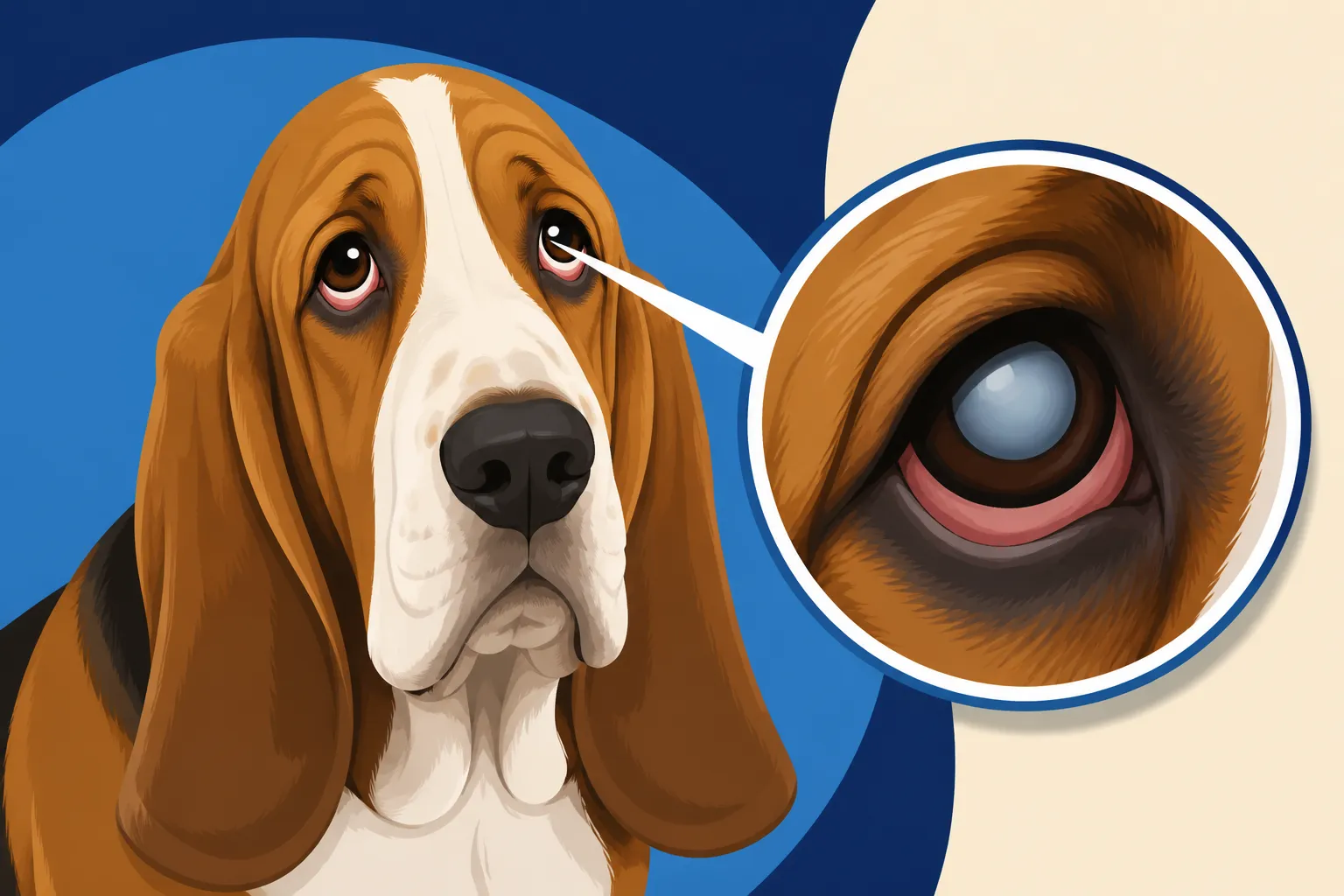
- Cloudiness or haziness of the cornea (the clear outer layer of the eye): The eye might look blue-gray or opaque, almost like condensation on a glass.
- Dilated pupil that doesn't react to light: The pupil might appear large and fixed.
- Severe pain: Your dog might vocalize, hold the eye shut, refuse to eat, or become lethargic. They may be visibly distressed.
- Sudden blindness in the affected eye: This can happen within hours.
If you observe any of these acute signs, it's a veterinary emergency. Your Basset Hound needs to see a vet, preferably an emergency vet or a veterinary ophthalmologist, immediately. Every hour counts when dealing with acute glaucoma, as prolonged high pressure causes irreversible damage.
Chronic Glaucoma often develops more slowly, with pressure building gradually over weeks or months. The signs tend to be less dramatic and more progressive:
- Gradual cloudiness of the cornea: This might start subtly and worsen over time.
- Enlargement of the eyeball (buphthalmia): Over time, the sustained high pressure can actually stretch the eye, making it appear larger than the unaffected eye. This is a sign of long-standing, uncontrolled glaucoma.
- Vision loss that progresses slowly: Your Basset Hound might adapt remarkably well to slow vision loss, relying on memory and other senses, making it harder for you to notice.
- Less obvious pain: While still painful, the constant dull ache might be more manageable for the dog, leading to less acute distress compared to a sudden spike. However, you should not assume it's not painful; remember Whether Glaucoma Hurts a Basset Hound.
- Blood vessels becoming more visible in the white of the eye: This indicates chronic inflammation and pressure.
Even with chronic glaucoma, veterinary intervention is crucial. While the urgency isn't the same as an acute crisis, the disease is still progressive and destructive.
The Basset Hound's Unique Eye Structure and Glaucoma Risk
Why are Basset Hounds, among other breeds, so particularly prone to glaucoma? It's not just random chance; it's a combination of their unique anatomical features and their genetic heritage. Understanding these factors can highlight the importance of proactive care and responsible breeding.
Shallow Anterior Chamber
One of the anatomical predispositions in Basset Hounds (and other breeds prone to primary glaucoma) is often related to the anterior chamber, the space between the cornea (the clear front surface of the eye) and the iris (the colored part) and lens. In many affected breeds, this chamber tends to be shallower than average, or the drainage angle within it is narrow or malformed.
Specifically, the angle where the iris meets the cornea, known as the iridocorneal angle, contains the trabecular meshwork—the primary outflow pathway for the aqueous humor. In Basset Hounds with primary glaucoma, this angle can be congenitally malformed, constricted, or prone to blockages. Over time, or acutely, this structural flaw prevents the aqueous humor from draining properly, leading to increased intraocular pressure. It's like having a sink with a perfectly good faucet but a clogged drain; the water eventually overflows.
This anatomical quirk means that even a perfectly healthy Basset Hound is operating with a less efficient drainage system than many other breeds, making them inherently more vulnerable to the development of glaucoma.
Genetics: A Major Player
The genetic component of primary glaucoma in Basset Hounds cannot be overstated. It is a known hereditary condition, meaning it is passed down through generations. While the exact mode of inheritance can be complex (sometimes polygenic, involving multiple genes), the fact remains that certain Basset Hound lines are more susceptible than others. This is why it’s so critical for prospective owners to ask breeders about the health history of their breeding stock and whether they screen for glaucoma.
Responsible breeders understand that breeding dogs with a history of glaucoma, or carriers of the genetic predisposition, can perpetuate the disease in future generations. Unfortunately, since the onset can be in middle age, a dog might have already been bred multiple times before the disease manifests. This makes health testing and careful pedigree research even more vital. Organizations like the American College of Veterinary Ophthalmologists (ACVO) maintain a list of breeds at risk and recommend eye examinations by board-certified veterinary ophthalmologists, specifically looking for signs of genetic eye diseases. A good breeder will be transparent about their screening practices and results. This ties into Whether a Basset Hound Breeder Screens for Glaucoma and the responsibility that comes with it.
Diagnosis and Ongoing Monitoring
Detecting glaucoma early requires more than just watchful waiting; it demands professional veterinary intervention and consistent monitoring. Since Basset Hounds are a high-risk breed, proactive screening is often recommended, especially once they enter that critical age window.
Routine Eye Pressure Checks
The cornerstone of glaucoma diagnosis and monitoring is measuring the intraocular pressure (IOP). This is done using a specialized instrument called a tonometer. There are several types of tonometers, but they all work on the principle of measuring the resistance of the cornea to a slight indentation. It's a quick, non-invasive procedure, often performed with just a drop of topical anesthetic.
During a routine veterinary visit, especially for Basset Hounds over the age of three, your vet might recommend a baseline tonometry reading. This provides a normal range for your dog. Subsequent readings can then be compared to this baseline to detect any subtle increases in pressure. For breeds at high risk like the Basset Hound, yearly or even twice-yearly eye pressure checks are highly advisable. This proactive approach can catch rising pressure before it becomes a painful, vision-threatening crisis. Knowing Whether a Basset Hound Needs a Yearly Eye Pressure Check is important for preventative care.
What constitutes "normal" pressure? Generally, in dogs, IOP usually falls between 10-25 mmHg. Anything consistently above 25 mmHg, especially if combined with other clinical signs, is highly suspicious for glaucoma. However, a single reading isn't always definitive. The vet might need to take several readings, or re-check the pressure on another day, to establish a trend.
Advanced Diagnostic Tools
While tonometry is critical, a comprehensive eye exam, ideally by a board-certified veterinary ophthalmologist, provides a much deeper understanding of your Basset Hound's eye health. These specialists have advanced tools and expertise to precisely diagnose glaucoma and identify its underlying cause.
One such tool is gonioscopy. This procedure involves placing a special contact lens (goniolens) on the anesthetized eye, allowing the ophthalmologist to directly visualize the drainage angle (the iridocorneal angle). This helps determine if the angle is open, narrow, or malformed, which is crucial for distinguishing between primary and secondary glaucoma and assessing the severity of the drainage defect. It can also help predict the risk of glaucoma developing in the unaffected eye.
Other advanced diagnostics might include:
- Ophthalmoscopy: Examining the retina and optic nerve head for signs of damage.
- Ultrasonography: Using sound waves to visualize the internal structures of the eye, especially if the cornea is too cloudy to see through. This can detect masses, retinal detachments, or lens luxation.
- Electroretinography (ERG): A test to measure the electrical activity of the retinal cells, assessing their function.
These tools allow the ophthalmologist to not only diagnose glaucoma but also to stage the disease, assess the remaining vision, and formulate the most appropriate treatment plan. For any Basset Hound showing suspicious eye signs, or simply for proactive screening in a high-risk breed, a referral to a veterinary ophthalmologist is always a wise step. They can fully explain What Open Angle Glaucoma Does to a Basset Hound and its implications.
Managing Glaucoma for Your Basset Hound's Comfort
Once diagnosed, managing glaucoma in a Basset Hound is a lifelong commitment aimed at controlling intraocular pressure, preserving vision where possible, and, most importantly, ensuring the dog remains comfortable and pain-free. It's a multifaceted approach that often involves medication, and sometimes, surgical intervention.
Medical Management
For most cases of glaucoma, particularly in the early stages or when acute pressure spikes occur, medical management is the first line of defense. This primarily involves the use of eye drops and sometimes oral medications to lower the intraocular pressure. These medications work in two main ways: by decreasing the production of aqueous humor, or by increasing its outflow.
Common types of eye drops used include:
- Prostaglandin analogues (e.g., latanoprost, travoprost): These are often highly effective in dogs, increasing the outflow of aqueous humor. They are typically given once or twice daily.
- Carbonic anhydrase inhibitors (e.g., dorzolamide, brinzolamide): These drops reduce fluid production in the eye and can be used alone or in combination with other drops. They are often given two to three times daily.
- Beta-blockers (e.g., timolol): These also reduce aqueous humor production, though they are generally less potent than CAIs in dogs.
Oral medications, such as carbonic anhydrase inhibitors (e.g., methazolamide), might be prescribed, especially for initial acute crises or when drops alone aren't sufficient. However, these often have more systemic side effects. It's important to remember that administering eye drops diligently, exactly as prescribed by your vet, is crucial for success. Consistency is key, and skipping doses can lead to dangerous pressure spikes. You might wonder Whether Eye Drops Control a Basset Hound's Glaucoma – and the answer is that they can, but only with consistent application and regular monitoring.
The goal of medical management is to maintain the IOP below a damaging level, typically under 20-25 mmHg, while minimizing side effects. This often requires ongoing adjustments to medication types and dosages.
Surgical Interventions
While medical management is effective for many Basset Hounds, there are situations where surgery becomes necessary, either because medication fails to control the pressure, vision is already lost, or the pain is unmanageable. The type of surgery depends on the goal: preserving vision or alleviating pain.
For Vision Preservation (early/moderate cases):
- Gonioimplantation (or shunt surgery): This involves implanting a small device (a shunt) into the eye to create an alternative pathway for aqueous humor drainage, essentially bypassing the blocked natural system. This procedure is complex and usually performed by a veterinary ophthalmologist.
- Cyclophotocoagulation (CPC): This uses a laser to selectively destroy some of the cells that produce aqueous humor, thereby reducing fluid production and pressure. This can be done externally or internally (endolaser CPC).
These vision-sparing surgeries are often attempted in the earlier stages of glaucoma, especially in the second eye when the first has already been lost. They can be quite costly, so having pet insurance from providers like Healthy Paws can be incredibly beneficial in mitigating the financial strain of such specialized procedures.
For Pain Management (advanced/blind cases):
When vision is already gone and the eye is chronically painful due to uncontrolled pressure, the focus shifts to alleviating suffering.
- Enucleation (eye removal): This is often the most definitive way to eliminate pain. While it sounds drastic, dogs adapt remarkably well to living with one eye, or even being completely blind. Their other senses quickly compensate, and they often become happier and more comfortable once the source of pain is removed.
- Intraocular prosthesis (evisceration with prosthesis): This procedure involves removing the internal contents of the globe while leaving the outer shell (sclera) and inserting a silicone prosthesis. This maintains the cosmetic appearance of the eye but does not restore vision. It's often chosen by owners who are uncomfortable with the appearance of a missing eye, but it requires the eye to be pain-free before the procedure.
- Intravitreal gentamicin injection: This involves injecting a drug directly into the eye that destroys the aqueous humor-producing cells. While less invasive than surgery, it reliably causes blindness and is primarily used for pain management in blind eyes.
The decision for surgery, particularly enucleation, can be incredibly difficult for owners. However, a Basset Hound living with chronic, uncontrolled ocular pain suffers greatly. Prioritizing their comfort and quality of life is paramount. If surgery is recommended, it's worth discussing What Glaucoma Surgery Costs a Basset Hound Owner and how insurance like Healthy Paws might help manage the expenses. The overall cost of What a Basset Hound's Eye Care Costs over its lifetime can be substantial without proper planning.
The Importance of Early Intervention and Responsible Ownership
The journey with a Basset Hound and glaucoma can be challenging, but informed and proactive ownership can make a profound difference. Understanding the breed's predisposition, knowing the signs, and committing to regular veterinary check-ups are your best weapons against this silent thief of sight.
Glaucoma is a relentless disease, and the damage it causes to the optic nerve is irreversible. This means that every day with elevated pressure takes a toll. The sooner glaucoma is diagnosed and treatment begins, the better the chances of preserving some vision and, critically, managing your Basset Hound's comfort. Don't wait until the eye is visibly red and cloudy; by then, significant damage may have already occurred. If you notice any subtle changes in your Basset Hound's eyes or behavior, always err on the side of caution and consult your veterinarian immediately. They can also advise on Whether a Basset Hound Can Be Tested for Glaucoma as part of routine screenings.
Being a responsible Basset Hound owner means being aware of the health challenges inherent to the breed. This includes not just glaucoma, but also other conditions like ear infections, back problems, and orthopedic issues. Pet insurance, such as a comprehensive plan from Healthy Paws, can be an invaluable resource. It helps provide peace of mind that you can afford the best possible care for your Basset Hound, whether it's for routine monitoring, expensive eye drops, or even emergency surgery. When considering Insuring a Basset Hound Against Eyes, Ears and Backs, ensure the policy covers chronic conditions and specialist care, as these are common and often costly aspects of Basset Hound ownership. By being informed, vigilant, and prepared, you can help ensure your beloved Basset Hound lives as comfortably and happily as possible, even in the face of conditions like glaucoma. The goal is to maximize their comfort and quality of life, understanding that Whether a Basset Hound Goes Blind From Glaucoma is a possibility that can be managed with care.
Disclaimer
This article is intended for informational purposes only and does not constitute professional veterinary advice. Always consult with a qualified veterinarian or a board-certified veterinary ophthalmologist for any health concerns or before making any decisions about your Basset Hound's medical care.