Whether a Basset Hound’s Body Length Is a Welfare Problem
It’s a sight that just warms your heart, isn't it? That long, low Basset Hound body, practically gliding over the ground with those impossibly short legs. But as beautiful and distinctive as this silhouette is, many Basset owners and prospective owners can’t help but wonder: is all that length really okay for their health? This guide will dive deep into the unique build of our beloved Basset Hounds and explore whether their characteristic body length poses a legitimate welfare problem, offering practical insights and management tips to keep them comfortable and happy.
Understanding the Basset Hound's Unique Physique
The Basset Hound's appearance is one of its most defining features, a caricature of the "low-set" hound. Their long body, deep chest, and short, powerful legs are not an accident but the result of centuries of selective breeding. It’s what makes them so good at what they were originally bred to do, but it also comes with inherent challenges.
The Genetics Behind the Long, Low Build
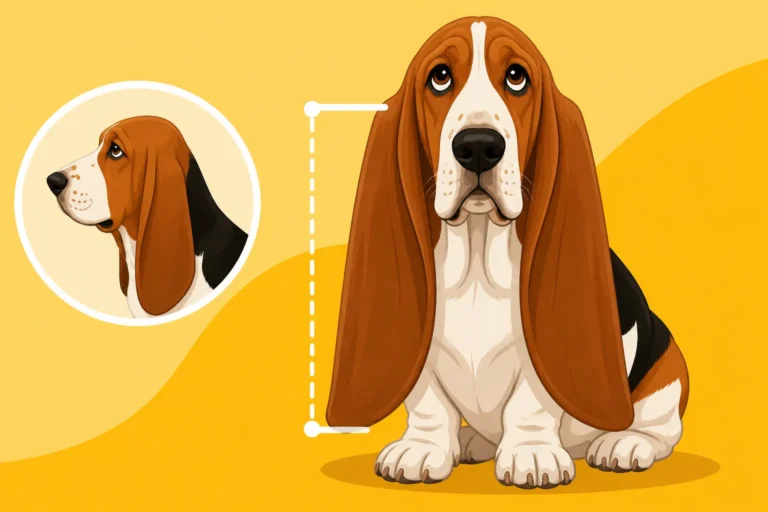
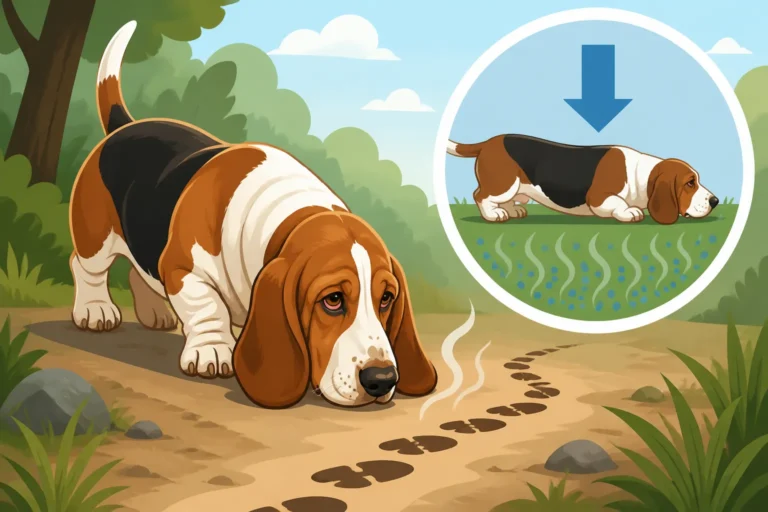
Our Bassets owe their distinctive structure to a genetic trait called chondrodysplasia, often loosely referred to as dwarfism in layman's terms. More specifically, they exhibit achondroplasia, which affects the growth plates of the long bones in their legs, causing them to be disproportionately short compared to their body. This isn't just about being "short"; it's about a specific type of bone development that results in those bowed front legs and that long, heavy torso. This trait was intentionally cultivated because French hunters wanted a hound that was slow enough to be followed on foot and whose nose could stay glued to the ground, easily tracking scent through dense undergrowth without having to stoop. The very word "Basset" means "low" in French, a direct nod to their stature. Why the Word Basset Just Means Low
While this genetic quirk gives them their charm and utility, it also sets the stage for potential musculoskeletal challenges. It's a fundamental part of their breed identity, but understanding its implications is the first step toward responsible ownership.
Distinguishing Normal Basset Hound Anatomy from Extremes
So, what's a "normal" Basset Hound body, and when does it become extreme? A healthy Basset Hound will have a long body and short legs, yes, but there should still be a sense of balance and robust strength. Their legs, though short and often bowed, should be strong and capable of supporting their heavy build without appearing flimsy or severely splayed. You'll typically see a strong, well-muscled neck and a deep chest that extends well back, contributing to their impressive lung capacity.
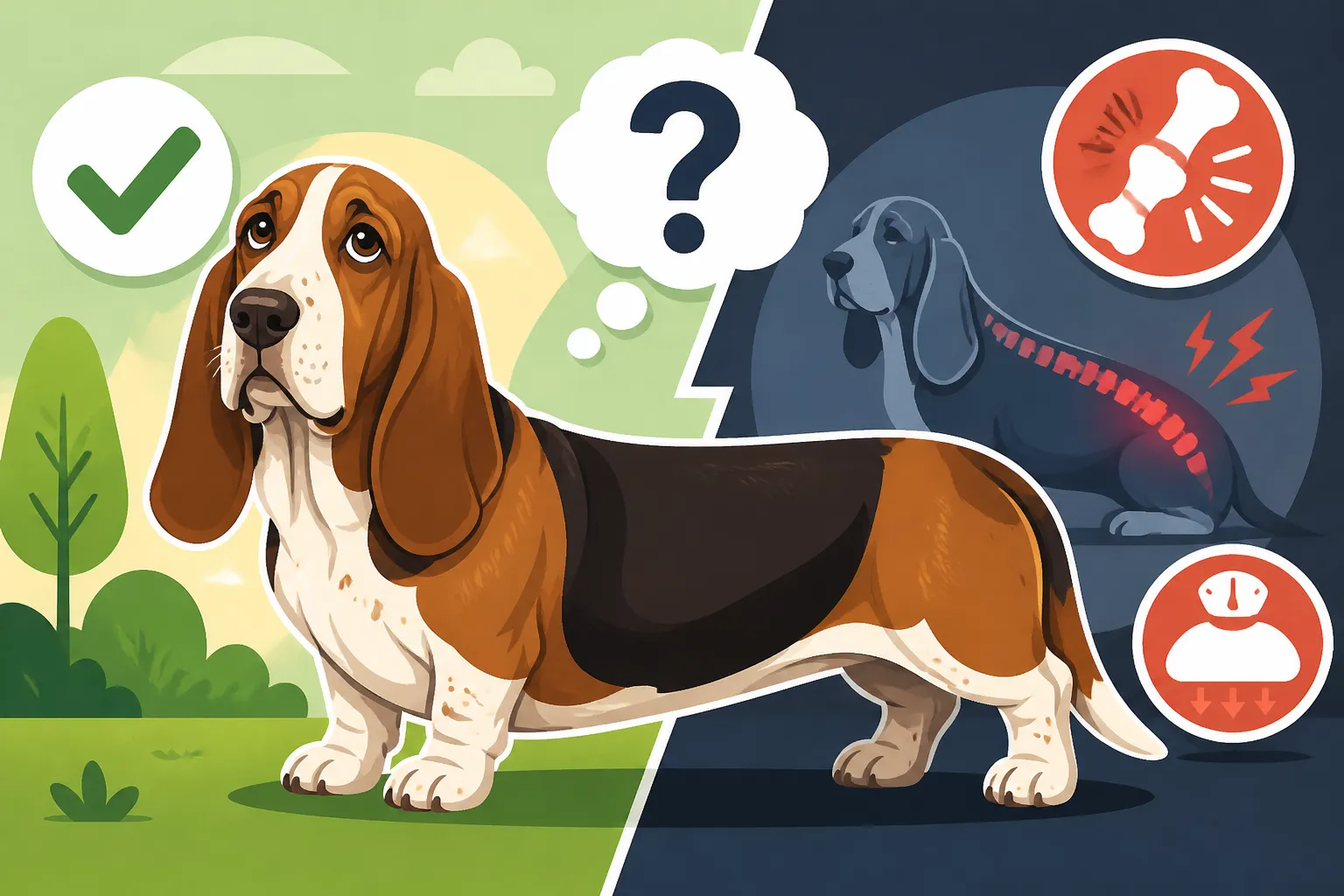
The concern arises when the body length becomes excessive or the legs become too short or too malformed to adequately support the weight. In some lines, breeding has emphasized extreme length and shortness to the point where the dog's movement is visibly hampered, or their spinal column appears to be under constant strain. A Basset's front feet are naturally a bit turned out, but if they are severely splayed or if the legs are twisted, it’s a sign that the structure might be taking its toll. It’s important to remember that while a Basset Hound's legs are indeed short, they are meant to be sturdy and capable. Whether a Basset Hound's Legs Are Too Short to Be Sound
Potential Health Concerns Linked to Body Length
This unique, endearing structure, while historically useful, does unfortunately predispose Basset Hounds to a number of health issues, particularly concerning their spine and joints. It's not just a matter of aesthetics; it's a genuine welfare consideration that responsible owners need to be aware of.
Spinal Health and Intervertebral Disc Disease (IVDD)
Hands down, one of the most significant health concerns directly linked to the Basset Hound's long body is Intervertebral Disc Disease, or IVDD. Imagine a very long, flexible bridge supported by short, stout pillars. That's essentially our Basset's spine. The long vertebral column, combined with the short, somewhat upright legs that offer less shock absorption, creates immense leverage and stress on the discs between the vertebrae. These discs act as cushions, but in chondrodystrophic breeds like Bassets, they are prone to degeneration and herniation at a younger age.
When a disc ruptures or slips, it can press on the spinal cord, leading to pain, weakness, nerve damage, and in severe cases, paralysis. This isn't just a minor ache; it can be incredibly painful and debilitating. Simple activities like jumping off the sofa, running exuberantly, or even just twisting awkwardly can trigger a disc event. It's a heartbreaking reality that many Basset owners face. Understanding this risk is crucial for preventative care and early intervention. Intervertebral Disc Disease in a Basset Hound
Joint Strain and Mobility Issues
Beyond the spine, the Basset Hound's conformation places significant stress on their joints, particularly in their elbows and shoulders. Their heavy bodies are carried on those short, sometimes bowed legs, which means the joints in their forelimbs bear a substantial load. This constant pressure can lead to accelerated wear and tear, predisposing them to conditions like elbow dysplasia and early-onset arthritis. Why One Basset Hound in Seven Has Bad Elbows
Elbow dysplasia is a complex condition involving abnormal development of the elbow joint, often leading to lameness and pain. Even without specific dysplasia, the natural mechanics of their movement can cause inflammation and degenerative changes over time. Similarly, while less common than IVDD or elbow issues, Basset Hounds can also be affected by hip dysplasia, where the hip joint doesn't form correctly, leading to instability and eventual arthritis. Whether a Basset Hound Gets Hip Dysplasia The impact of these joint issues goes beyond just discomfort; it affects their ability to exercise, play, and navigate their environment comfortably, ultimately diminishing their quality of life. Owners often have to get creative with exercise to keep their Basset moving without putting too much strain on these vulnerable areas.
Recognizing the Signs of Discomfort or Pain
As Basset Hound owners, we become experts at reading our dogs, but sometimes the subtle signs of discomfort can be missed, especially when they're so good at hiding pain. Being vigilant about changes in behavior and movement is key to catching problems early and ensuring your Basset gets the help they need.
Behavioral Cues to Watch For
Our Bassets are generally pretty stoic, but even the most laid-back hound will give us clues when they're not feeling their best. Look for reluctance to engage in activities they once enjoyed, like bounding out the door for a walk or jumping onto a favorite cushion (even if they know they shouldn't). You might notice they're slower to get up after lying down, or they seem stiff, particularly in the mornings or after a nap.
Changes in gait, such as a slight limp, an uneven stride, or a "bunny hopping" motion with their hind legs, can indicate pain. They might also begin to avoid stairs or struggle with movements that require twisting or extending their back. Sometimes, pain manifests as a change in temperament – they might become more withdrawn, less eager for attention, or even a bit snappy if touched in a sensitive area. Keep an eye out for any whining, yelping, or even just heavy sighing when they move. If your normally enthusiastic hound suddenly becomes hesitant or seems to have trouble with everyday movements, it’s a big red flag. The Old Basset Hound That Cannot Get Off the Floor
Physical Indicators and Veterinary Diagnosis
Beyond behavioral shifts, there are physical signs that can point to underlying issues. Observe your Basset's posture: do they look hunched, or is their back visibly arched? Are they holding their head or tail differently? You might notice muscle wastage, particularly in their hindquarters, if they’re not using those muscles effectively due to pain or weakness. In more severe cases of IVDD, you might see a loss of coordination, wobbliness, or even dragging of their paws.
It's absolutely vital to have regular veterinary check-ups for your Basset, especially as they get older. Your vet can perform a thorough physical examination, checking their reflexes, range of motion, and palpating their spine and joints for signs of pain or stiffness. If a problem is suspected, they might recommend diagnostic tools such as X-rays to assess the bones and joints, or more advanced imaging like an MRI or CT scan to get a detailed view of the spinal cord and discs. Early diagnosis means earlier intervention, which can significantly impact the outcome and your Basset's comfort. The Back Trouble a Basset Hound Is Built Into
Proactive Care and Management Strategies
Knowing the risks is one thing, but actively managing them is where responsible Basset Hound ownership truly shines. While we can’t change their genetic blueprint, we can certainly mitigate the strain on their unique bodies and help them live long, comfortable lives. It's all about making smart choices for their daily environment and routine.
Environmental Modifications for a Basset Hound's Spine
The household environment can be either a friend or foe to a Basset Hound's long back. One of the most impactful changes you can make is to eliminate jumping. Jumping on and off furniture, cars, or even tall steps creates a jarring impact on their spine that can be extremely detrimental. Invest in ramps or pet stairs for beds, sofas, and vehicles. Whether a Basset Hound Should Use a Ramp
Limiting or avoiding stairs altogether is also a wise move. If you have stairs in your home, consider using baby gates to block access or, if they must use them, encourage them to go slowly and always supervise. Whether a Basset Hound Should Climb Stairs
Furthermore, consider the surfaces your Basset walks on. Slippery floors like hardwood or tile can cause them to splay out, putting extra stress on their joints and spine. Lay down rugs or runners to provide better traction. An orthopedic bed is another excellent investment, offering superior support for their heavy frame and cushioning their joints.
Finally, learning how to lift your Basset Hound properly is crucial. Never lift them by their front legs or under their chest alone. Always support their back and hindquarters fully, lifting them like a log, to keep their spine straight and minimize twisting. How to Lift a Basset Hound Safely Stocking up on things like ramps, orthopedic beds, and even specialized slow feeders can make a huge difference, and retailers like Chewy often have a great selection of these supportive products.
Diet, Exercise, and Weight Management
Keeping your Basset Hound at a lean, healthy weight is arguably one of the most critical things you can do for their long-term health. Every extra pound puts additional stress on their already vulnerable spine and joints, accelerating wear and tear and increasing the risk of conditions like IVDD and arthritis. What Extra Weight Does to a Basset Hound You should be able to feel their ribs easily without pressing hard, and they should have a discernible waist when viewed from above.
Work with your veterinarian to establish an appropriate feeding plan and monitor their weight regularly. High-quality dog food, portion control, and healthy, low-calorie treats are essential. When it comes to exercise, think controlled and consistent, rather than intense bursts. Regular, moderate walks are perfect for a Basset. Avoid high-impact activities like intense jumping or long-distance running. Scent work, which engages their incredible noses, is a fantastic low-impact activity that provides mental stimulation without undue physical strain. Keeping a Basset Hound at Its Correct Weight
Regular Veterinary Care and Preventative Measures
Preventative care is paramount for Basset Hounds. Establish a strong relationship with a veterinarian who understands the breed's unique predispositions. Don't hesitate to discuss any concerns you have about your Basset's gait, posture, or behavior. Regular check-ups allow your vet to monitor their joint health and spinal condition over time.
For Bassets predisposed to or showing early signs of joint or spinal issues, your vet might recommend specific preventative measures or therapies. This could include joint supplements containing glucosamine and chondroitin, omega-3 fatty acids, or even physical therapy, hydrotherapy, or chiropractic care to strengthen core muscles and maintain flexibility. If pain does arise, your vet can discuss appropriate pain management strategies to keep your Basset comfortable. You can often find these types of specialized foods and supplements through reputable online retailers like Chewy. Being proactive and staying in close communication with your vet is the best way to ensure your Basset Hound enjoys a full and comfortable life despite their distinctive build.
Comparing Healthy vs. Problematic Basset Hound Structures
Here’s a quick overview of how to distinguish between a healthy Basset Hound's characteristic length and a potentially problematic one.
| Feature | Healthy/Well-Managed Basset Hound | Potentially Problematic Basset Hound |
|---|---|---|
| Spinal Length | Proportionate to height, allowing for comfortable movement | Excessively long, leading to a visibly strained posture |
| Legs | Short but sturdy, supporting the body without undue bowing | Very short, almost dragging, with extreme bowing |
| Gait | A rolling, unhurried gait, but still active and fluid | Stiff, hesitant, or painful movement; bunny-hopping |
| Mobility | Able to climb low steps, jump onto low furniture (with care) | Avoids stairs, struggles to jump, needs help on/off furniture |
| Weight | Lean, ribs easily felt under light pressure | Overweight, exacerbating strain on back and joints |
| Energy Levels | Enthusiastic for walks and scent work, enjoys play | Lethargic, shows reluctance for activity |
Disclaimer
This article is for general informational purposes only and does not constitute professional advice. Laws, prices and regulations vary by location and change over time. Consult a qualified professional for guidance on your specific situation.