Whether a Basset Hound Suits a Retired Owner
Retirement can make room for a dog, but it does not automatically make every dog an easy companion. A Basset Hound may suit an owner who wants a loyal, affectionate dog and enjoys a steady routine, yet its weight, stubborn streak, health needs, and deep bay deserve honest consideration before bringing one home.
What Makes a Basset Hound a Good Retirement Companion
A calm companion who enjoys company
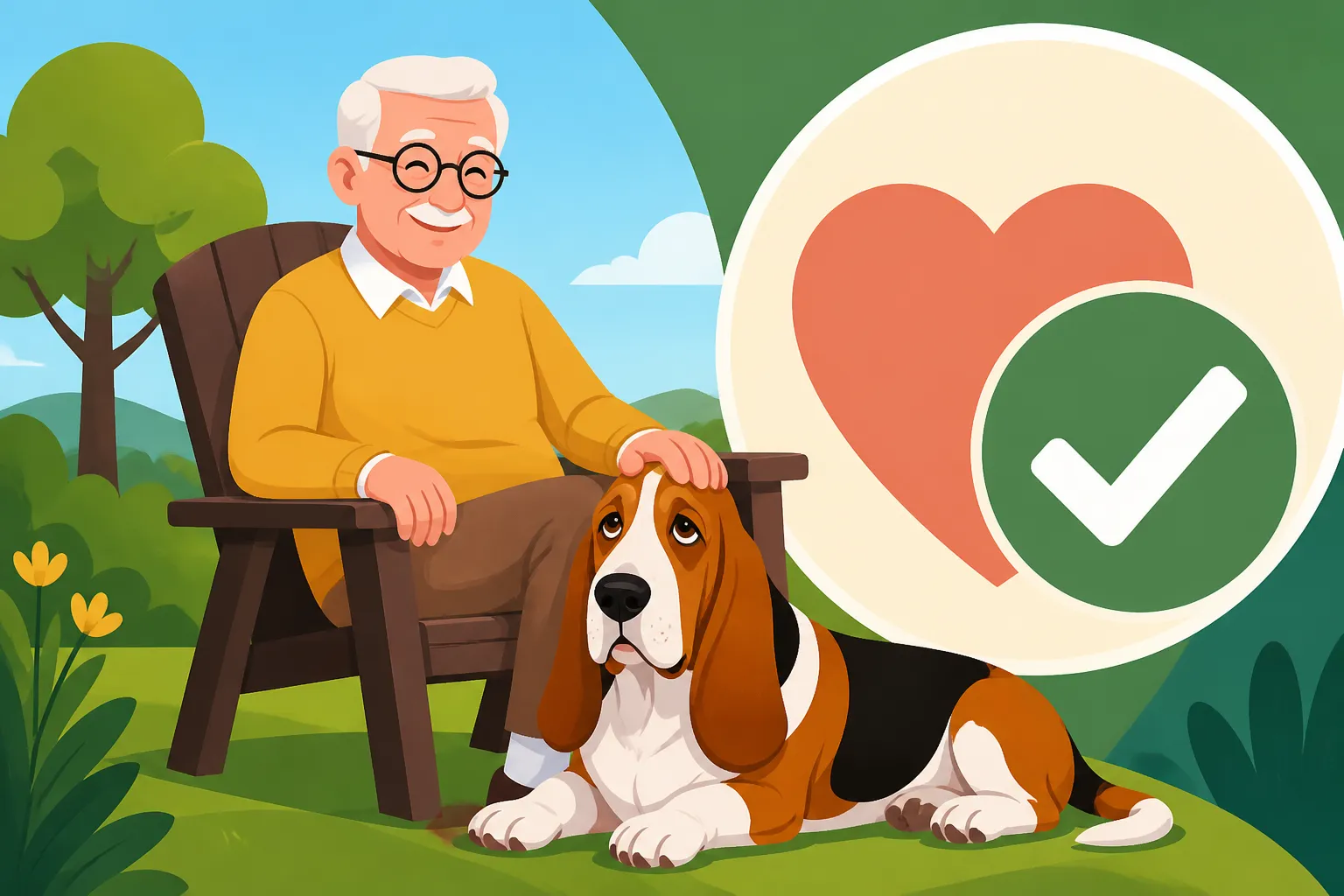
Basset Hounds are often affectionate, people-oriented dogs. Many are content to lounge near their owners after a walk and enjoy being part of ordinary household life. For a retired person who wants company at home rather than a running partner, that temperament can be a good match. A Basset may happily snooze while you read, watch television, or work in the garden, then perk up when it is time for a sniff-filled outing.
That easygoing image has a catch: a Basset Hound may not be comfortable being alone for long stretches. Retirement can mean more time together, which helps, but appointments, social visits, and trips still happen. It is worth considering who could check in if you are away longer than planned. A dog walker, trusted neighbor, or family member can provide a practical backup, especially while a newly adopted dog is settling in.
Bassets are also often sociable with other dogs, though individual personalities vary. If you already have a dog, arrange careful introductions rather than assuming they will become instant companions. If you are weighing whether a Basset should live as your only dog, Whether a Basset Hound Should Be an Only Dog offers a useful related question to consider.
A relaxed pace, but not a no-exercise dog
A Basset Hound generally does not need the kind of vigorous daily exercise associated with a high-energy sporting breed. That can suit someone who prefers shorter, regular outings to long runs or steep hikes. Still, a Basset needs movement, opportunities to explore, and time to use its nose. A leisurely walk around the neighborhood, with plenty of sniffing breaks, may be more satisfying than marching quickly around the block.
The pace can be slower than you expect. A Basset may pause at a scent, plant its feet when it has had enough, or decide that the interesting patch of grass deserves a longer investigation. This can be charming when you have time and frustrating when you are trying to get home before the weather changes. How Far a Basset Hound Should Walk can help you think about exercise as a routine to adapt to the individual dog, rather than a fixed distance.
A retired owner’s health and mobility matter as much as the dog’s. If you use a cane, have balance concerns, or find it difficult to manage a dog that pulls, test your walking setup before committing. A well-fitted harness and leash training can help, but they do not guarantee that a scent-driven hound will never tug. Read Which Harness Suits a Basset Hound and consider whether you can safely manage the dog outdoors in rain, snow, or an unexpected encounter with another animal.
The Practical Challenges to Think Through First
Size, lifting, and getting around the home
Basset Hounds are short, but they are solid, heavy dogs. Their low stature can create the misleading impression that they will be easy to pick up. In practice, lifting an adult Basset may be difficult for someone with limited strength, back pain, or balance issues. You may need to help the dog into a vehicle, guide it over a threshold, or support it if it becomes unwell.
Think through the home setup before adoption. Can the dog get into the car without being lifted, or could you use a stable ramp? Are there slippery floors where a dog might lose its footing? Could you block access to stairs if your veterinarian advises limiting them? Planning is easier before a sore or aging dog is already struggling. Whether a Basset Hound Should Use a Ramp and How to Lift a Basset Hound Safely cover practical ways to reduce awkward lifting and unnecessary strain.
It also helps to have a realistic backup plan. A relative or neighbor who can help with transport can be invaluable if you suddenly need to take the dog to a clinic. If you live alone and cannot lift a heavy dog, that does not automatically rule out a Basset, but it does make access, transport, and emergency assistance important parts of the decision.
Health care, grooming, and recurring routines
Basset Hounds need more routine care than their short coat might suggest. Long, low-hanging ears can be prone to poor airflow and moisture, so owners need to check them and follow veterinary advice about cleaning. Skin folds, nails, teeth, and weight also deserve regular attention. These tasks are manageable for many people, but they become burdensome if bending, handling paws, or keeping up with appointments is difficult.
Health concerns can affect the owner’s time and budget as well as the dog’s comfort. Ear flare-ups, mobility problems, or other veterinary needs may require follow-up visits and careful home care. No one can predict exactly what an individual dog will need, so consider whether you have room in your routine and finances for care beyond basic food and annual checkups. The Basset Hound's Ear Canal Never Dries explains why ear care can be an ongoing responsibility, while What a Basset Hound Costs a Year to Keep is a related topic for thinking about ownership expenses.
A delivery service can be useful if carrying bulky food or supplies is difficult. For example, some owners use Chewy to arrange delivery of routine pet supplies rather than hauling heavy bags home. Delivery does not replace veterinary care or careful product selection, but it may make one part of the weekly routine easier. Chewy can also be one option for restocking ordinary supplies such as waste bags or grooming items, provided the products suit your dog and your veterinarian’s guidance.
| Part of daily life | Why it matters for a retired owner | A practical question to ask |
|---|---|---|
| Walking | The dog needs regular outings and may pull toward scents | Can I manage a leash safely on a typical day? |
| Lifting and transport | An adult Basset can be difficult to pick up | How will the dog enter the car or get help in an emergency? |
| Ear and skin care | These areas need routine checking and sometimes treatment | Can I manage the cleaning and follow-up the dog may need? |
| Household access | Stairs and slick floors can make movement harder | Can I limit risky access or add stable footing? |
| Time alone | Many Bassets value company and routine | Who can help if I am away or unwell? |
| Noise | A Basset’s bay can carry through a home or neighborhood | Would this be a problem for my neighbors or living arrangement? |
Matching the Dog to Your Retirement Lifestyle
Consider your home, neighbors, and daily schedule
A Basset can live in different kinds of homes, including apartments, as long as its needs are met. A yard is convenient but does not replace walks, supervision, and companionship. If you live in a condo or share walls with neighbors, noise deserves particular thought. Bassets can bay or howl, and an individual dog may be more vocal when excited, bored, or left alone. Whether a Basset Hound Suits an Apartment is a helpful companion topic if you are deciding whether your living space is appropriate.
Your schedule matters just as much as the size of your home. A predictable routine can help a dog settle, but retirement does not mean you must be home every minute. Think about the activities you value: morning walks, travel, volunteering, visiting family, or spending time at a community center. If those plans regularly keep you away for long periods, arrange reliable care before adopting rather than hoping the dog will simply adjust.
A Basset’s nose can also complicate ordinary outings. On a walk, a scent may take priority over your voice, so secure leash handling and a well-fitted harness are important. Do not count on off-leash recall as your only safety measure. For more on this instinct, see Why a Basset Hound Stops Hearing You When It Smells Something.
Puppy, adult, or senior dog
A puppy may sound appealing if you want to shape its routines from the beginning, but puppyhood is demanding. House-training takes patience, chewing and nighttime waking are common parts of the process, and a young dog needs steady supervision. If you have limited energy for frequent outings or interrupted sleep, an adult Basset with a known temperament may be a more comfortable choice.
An adult dog can offer a clearer picture of its size, energy, noise level, and behavior at home. Ask a breeder, rescue group, or foster caregiver what the dog is like on a leash, how it handles being alone, and whether it has known medical needs. A rescue dog may need time to adjust, but an experienced caregiver may be able to describe its habits in a way that helps you judge the match. What Adopting a Basset Hound Costs can help you explore adoption as one route, while Settling a Basset Hound Rehomed at Six is relevant if you are considering an older dog with a previous home.
A senior Basset may be calmer, but older does not necessarily mean effortless. The dog may need more frequent veterinary care, help standing, shorter walks, or adjustments around the house. On the other hand, an older dog may already be accustomed to household routines and need less puppy-style supervision. The right choice depends on your abilities and the specific dog, not simply its age.
How to Decide Whether a Basset Hound Is Right for You
Use a realistic readiness check
Before making a decision, picture an ordinary week rather than an ideal one. Imagine a rainy morning when the dog still needs to go outside, a day when you have several appointments, and a week when your own health is not at its best. Consider who can help with walks, transport, and care if you are temporarily unable to manage everything yourself.
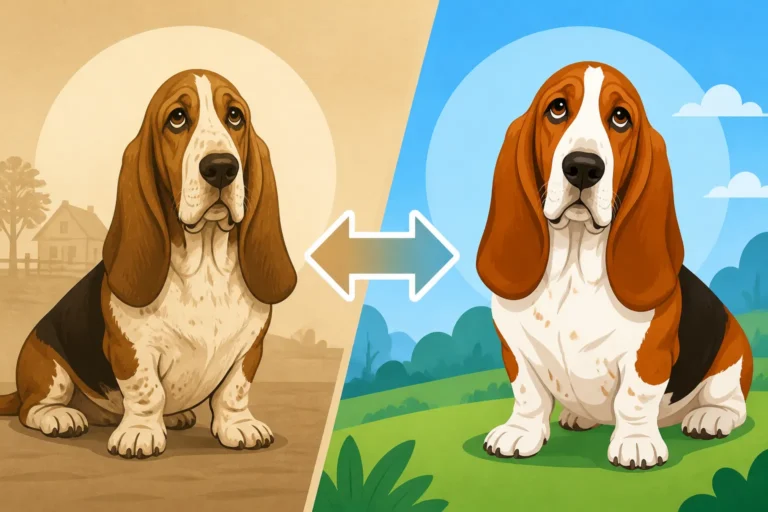
It can also be useful to spend time with adult Basset Hounds before adopting. Meet dogs in a home setting if possible, not only at a brief event where they may be excited. Walk one on a leash, observe how it responds to everyday noises, and ask its caregiver about ear care, shedding, drooling, and how it behaves when left alone. A single pleasant visit will not reveal everything, but it can help you move beyond the breed’s familiar cartoon image.
If you are leaning toward a puppy, ask about the breeder’s health testing and the kind of support provided after the dog comes home. If you are adopting, request veterinary records and details about the dog’s past routine. Prepare supplies and a safe space in advance; Chewy is one possible way to get everyday items delivered if carrying them is inconvenient. Keep the decision grounded in the actual dog’s needs rather than assumptions that every Basset is equally quiet, easygoing, or healthy.
A simple decision guide
A Basset Hound may be a good fit if you enjoy calm companionship, can provide regular low-key exercise, and are comfortable managing a determined dog on leash. It may be less suitable if you cannot safely handle a dog that pulls, have no dependable help with transport, or need a reliably quiet dog in a noise-sensitive home.
| You may be well suited to a Basset if… | Think carefully if… |
|---|---|
| You enjoy unhurried walks and sniffing stops | You need a dog that walks briskly beside you |
| You have time for companionship and routine | You are often away and lack backup care |
| You can manage ear, nail, and skin checks | Bending or handling the dog would be difficult |
| You have a safe plan for car access and emergencies | You would have no way to transport a heavy dog |
| You can tolerate occasional vocalizing | Shared walls or strict quiet rules make barking a serious concern |
| You have room in your plan for veterinary needs | Unexpected care would be difficult to manage |
There is no single retirement lifestyle, and there is no single Basset personality. For one owner, the breed’s affectionate nature and slow-paced walks may be exactly right. For another, the pulling, noise, or physical demands may be a poor match. Be candid about what you can manage consistently, identify help before you need it, and choose an individual dog whose needs fit your life.
Disclaimer
This article is for general informational purposes only and does not constitute professional advice. Laws, prices and regulations vary by location and change over time. Consult a qualified professional for guidance on your specific situation.