Whether a Basset Hound’s Ear Smells Sweet or Sour
One of the most common and often frustrating issues Basset Hound owners face is the persistent and sometimes overpowering odor emanating from their beloved hound's ears. It's not just a minor annoyance; an unusual ear smell is almost always a red flag, indicating an underlying problem that needs attention, and recognizing the specific scent can offer crucial clues to what's going on. This comprehensive guide will help you decipher whether your Basset's ears smell sweet, sour, or something else entirely, and what steps you need to take to bring relief to your floppy-eared friend.
Understanding the Basset Hound's Unique Ear Anatomy and Odor
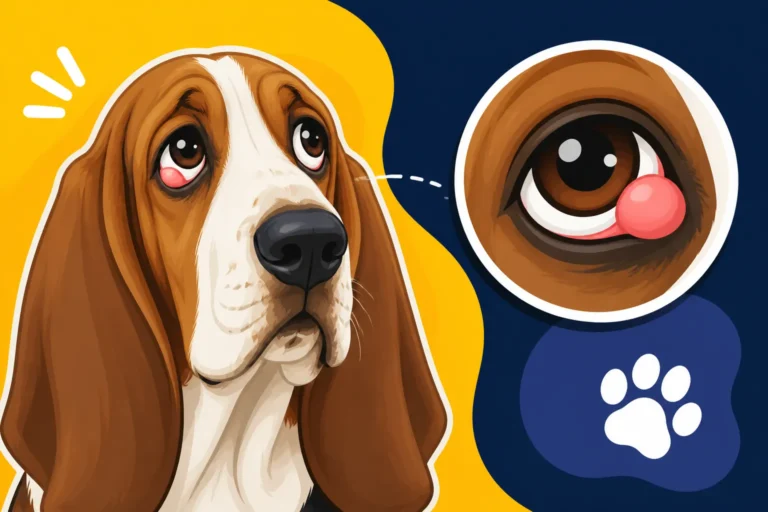
Basset Hounds are iconic for their long, droopy ears, which are undeniably adorable but also a significant contributor to their predisposition to ear problems. This unique anatomy creates a perfect storm for various issues that lead to unpleasant odors.
Why Basset Hounds Are Prone to Ear Issues
Imagine living in a warm, moist, dark environment – sounds like a spa day for bacteria and yeast, right? Well, that's precisely the microclimate created by a Basset Hound's long, heavy, pendulous ears. These magnificent ear flaps effectively seal off the ear canal, drastically reducing airflow and trapping moisture inside. This lack of ventilation means that after a bath, a swim, or even just a humid day, moisture lingers, turning the ear canal into an ideal breeding ground for opportunistic microorganisms.
Beyond the physical structure, Basset Hounds, by nature of their scent-driven lives, often have their noses to the ground. This means their long ears are constantly dragging through dirt, dust, pollen, and all sorts of debris, which can easily find its way into the ear canal, acting as irritants or additional fuel for infections. It's a never-ending battle, and many owners feel like they're constantly fighting against nature. It's also part of the reason Why a Basset Hound's Ear Canal Never Dries, making consistent care even more critical.
The "Normal" Basset Hound Ear Smell (or Lack Thereof)
Here's the truth that might surprise some: a truly healthy Basset Hound's ear should have little to no discernible smell. While some people might describe a very faint, clean "doggy" scent, any noticeable, distinct odor – sweet, sour, cheesy, or otherwise strong – is almost always a sign that something is amiss. It’s easy for owners, especially those with Basset Hounds that have chronic ear issues, to become accustomed to a low-level, unhealthy ear smell, inadvertently delaying necessary intervention.
Regularly checking your Basset's ears isn't just about cleaning; it's also about sniffing them. Get in the habit of gently lifting their ear flaps and taking a whiff. Familiarize yourself with what a truly healthy ear smells like (or doesn't smell like!). If you detect anything out of the ordinary, even a subtle change, it’s worth investigating further. Knowing What to Look For Inside a Basset Hound's Ear can also help you identify issues before they become full-blown problems.
Deciphering the Scent: Sweet, Sour, or Something Else?
When you notice a smell, it's your first clue. Different types of infections tend to produce distinct odors, and knowing the difference can help you communicate more effectively with your veterinarian.
The Tell-Tale Signs of a Yeast Infection (Sweet/Musty)
If you're noticing a smell that's often described as "sweet," "yeasty," "musty," "bread-like," or even like "old socks" or "corn chips," your Basset Hound is likely battling a yeast infection. This distinct odor is usually caused by an overgrowth of Malassezia pachydermatis, a type of yeast that naturally lives on a dog's skin and in their ears, but can proliferate under the right conditions.
Beyond the smell, a yeast infection often presents with other clear symptoms. You might observe a dark, brownish-red, waxy discharge, often resembling coffee grounds, inside the ear canal. The ear itself might appear red and inflamed, and your Basset will likely be showing signs of discomfort, such as persistent itching, frequent head shaking, or rubbing their ears against furniture or the floor. They might even whine or pull away when you try to touch their ears. This is an incredibly common issue for Basset Hounds due to their ear structure, and it often needs targeted antifungal treatment from a vet. Understanding Whether Yeast or Bacteria Is in a Basset Hound's Ear is crucial for effective treatment, as what works for one won't work for the other.
The Unpleasant Reality of a Bacterial Infection (Sour/Pungent)
A bacterial ear infection, on the other hand, typically produces a much more offensive and concerning odor. If your Basset Hound's ears smell "sour," "foul," "rancid," "cheesy," or downright "pungent," it's highly indicative of a bacterial culprit. Common bacteria like Staphylococcus or Pseudomonas thrive in the warm, moist, and oxygen-deprived environment of a Basset's ear canal, leading to these potent smells. Pseudomonas infections, in particular, can be very severe and carry a particularly strong, unpleasant odor.
With a bacterial infection, the discharge is often different from yeast – it can be yellow, green, or thick and pus-like. The ear canal and outer ear flap might be noticeably swollen, hot to the touch, and exquisitely painful. Your Basset may show more intense signs of discomfort, such as holding their head tilted, being extremely sensitive to touch, or even experiencing a loss of balance in severe cases. These infections require immediate veterinary attention, as they can quickly worsen and lead to more serious complications if left untreated. Recognizing The Signs a Basset Hound's Ear Has Gone Bad is vital for prompt care.
Beyond the Smell: Other Causes and What to Do
While yeast and bacterial infections are the most common culprits behind smelly Basset ears, other factors can also contribute to or cause these issues.
Foreign Objects, Allergies, and Polyps
Sometimes, the cause of an ear odor isn't a microbial overgrowth but something physical. A tiny grass seed, a speck of dirt, or even a small insect can work its way deep into a Basset's ear canal, causing irritation, inflammation, and a secondary infection that leads to a strong, often sour smell. This usually presents as a sudden onset of symptoms, often affecting only one ear initially, with intense head shaking and pawing at the ear.
Allergies are another major player in chronic ear problems. Basset Hounds can suffer from environmental allergies (like pollen or dust mites) or food allergies, both of which can cause systemic inflammation. This inflammation makes the ear canals red, itchy, and swollen, altering the delicate balance of the ear's ecosystem and making it much easier for yeast and bacteria to take hold and cause recurrent infections and odors. If your Basset suffers from recurrent ear infections without an obvious cause, exploring Whether a Basset Hound Gets Allergies with your vet is a smart move.
Less commonly, benign growths like polyps or malignant tumors can develop within the ear canal. These growths can block airflow, create pockets where debris and microbes accumulate, and lead to chronic, often foul-smelling infections that are resistant to standard treatments. If your Basset has a persistent odor that doesn't respond to conventional therapy, your vet might need to investigate further for these possibilities.
Immediate Steps and Veterinary Consultation
The most important takeaway is this: any unusual ear smell warrants a trip to your veterinarian. Do not attempt to self-diagnose or treat an ear infection with over-the-counter remedies without a professional diagnosis. Different types of infections (yeast vs. bacteria, or specific types of bacteria) require different medications, and using the wrong treatment can worsen the problem, prolong discomfort, or even lead to drug resistance.
When you visit the vet, they will perform a thorough examination using an otoscope to look deep into the ear canal. They will also likely take a swab of the ear discharge for cytology, which involves examining the sample under a microscope to identify whether yeast, bacteria, or both are present. In some cases, a culture and sensitivity test might be recommended, especially for chronic or resistant infections, to pinpoint the exact type of bacteria and determine which antibiotics will be most effective.
Early and accurate diagnosis is key to providing prompt relief and preventing the infection from becoming chronic or causing permanent damage to the ear canal. Pet insurance providers, such as Healthy Paws, can be incredibly helpful in managing the costs associated with these frequent vet visits, diagnostics, and medications, ensuring your Basset gets the care they need without financial strain. It's a common concern for owners dealing with What Chronic Ear Treatment Costs a Basset Hound Owner. Sometimes, if infections are severe or recurrent, a Basset Hound might even need Whether a Basset Hound Needs Ear Drops for Life to manage chronic conditions.
Here's a quick comparison of common ear infection signs:
| Symptom / Odor | Yeast Infection (Malassezia) | Bacterial Infection (Staphylococcus, Pseudomonas, etc.) |
|---|---|---|
| Odor | Sweet, musty, yeasty, bread-like | Sour, pungent, foul, rancid, cheesy |
| Discharge | Dark, waxy, brownish-red | Yellow, green, pus-like, thick |
| Itching | Moderate to severe | Moderate to severe, often more painful |
| Redness | Present | Present, often more inflamed and swollen |
| Pain | Mild to moderate | Moderate to severe, very sensitive to touch |
| Head Tilt | Possible | More likely, especially with inner ear involvement |
| Response to Treatment | Responds to antifungals | Responds to specific antibiotics (often oral + topical) |
Preventing Future Odors: A Proactive Approach
Once an infection is cleared, the goal shifts to prevention. Given a Basset Hound's anatomy, this often means committing to a consistent, lifelong ear care routine.
The Crucial Role of Regular Ear Cleaning
Preventative ear cleaning is paramount for Basset Hounds. You're not just waiting for an infection to appear; you're actively working to prevent the conditions that allow infections to flourish. This usually means cleaning their ears once or twice a week, or as directed by your veterinarian, especially if they are prone to recurrent issues. Consistency is far more important than intensity.
To clean your Basset's ears effectively, use a veterinarian-approved ear cleaner. These cleaners are formulated to safely break down wax and debris without causing irritation. Many contain drying agents to help prevent moisture buildup, and some are acidified to create an environment less hospitable to yeast and bacteria. Avoid cotton swabs, as they can push debris deeper into the ear canal and potentially damage the eardrum. Instead, gently flood the ear canal with the cleaning solution, massage the base of the ear for 20-30 seconds to help break up wax, and then allow your Basset to shake their head. Finally, use a soft cotton ball or gauze to wipe away any excess solution and debris from the outer ear and accessible parts of the canal. Knowing How Often a Basset Hound's Ears Must Be Cleaned and Which Ear Cleaner Suits a Basset Hound will make this ritual much more manageable and effective. This is truly The Twice Weekly Ear Ritual a Basset Hound Owner Signs Up For.
Environmental Management and Nutritional Support
Beyond regular cleaning, there are other proactive steps you can take. Always ensure your Basset Hound's ears are thoroughly dried after baths or any water exposure. A soft towel or even a low-setting hairdryer (held at a safe distance) can help.
Consider accessories that help manage their long ears. Many Basset owners use a "snood" – a fabric tube that covers the ears – during meal times to prevent their long ears from dragging in food and water. This simple measure keeps ears cleaner and drier, reducing the risk of bacterial growth and irritation. If you're wondering Whether a Basset Hound Needs a Snood at Dinner, the answer for ear health is often a resounding yes!
Finally, nutrition plays a role in overall skin and ear health. If allergies are a contributing factor to your Basset's ear problems, working with your vet to find an appropriate diet (e.g., a limited ingredient or hydrolyzed protein diet) can significantly reduce inflammation and, consequently, ear issues. Omega-3 fatty acid supplements can also support skin barrier health and reduce inflammation. Proactive care, from daily attention to the right insurance plan from providers like Healthy Paws, is a lifelong commitment to keeping your Basset Hound's ears healthy, comfortable, and free from those tell-tale sweet or sour smells.
Disclaimer
The information provided in this article is for general informational purposes only and is not a substitute for professional veterinary advice. Always consult with a qualified veterinarian for any health concerns or before making any decisions related to your Basset Hound's health and treatment.