Whether a Basset Hound’s Ears Drag Through Its Food
Anyone who has ever lived with a Basset Hound quickly learns that their magnificent, long, velvety ears are both a source of endless charm and, let's be honest, a significant logistical challenge. One of the most common and often frustrating issues Basset owners face is preventing those beautiful ears from dipping right into their food and water bowls, turning mealtime into a messy, unhygienic, and potentially unhealthy ordeal. This comprehensive guide will walk you through why this happens, the problems it creates, and most importantly, how to tackle it head-on so both you and your Basset can enjoy cleaner, healthier mealtimes.
The Inevitable Encounter: Why Basset Ears and Bowls Collide
It’s not just a cute quirk; a Basset Hound's ears are literally designed to be long and low. This unique anatomical feature, while perfect for scent-trailing, makes them particularly prone to getting into everything, especially during meal and drink times. Understanding this fundamental design helps us appreciate why it's such a common challenge.
Anatomy of Those Magnificent Ears
A Basset Hound's ears are legendary for their length, often reaching down to their chest or even below. They are heavy, thick, and covered in soft, dense fur. These aren't dainty little appendages; they are substantial, well-vascularized organs, and they simply hang low due to gravity and their inherent structure. This generous length is a huge asset in their original purpose as scent hounds, helping to sweep ground-level scents towards their powerful noses. However, it also means that when a Basset lowers its head to eat or drink, those long flaps naturally drape downwards, often dipping right into whatever is in front of them. It's not a matter of clumsiness; it's pure physics.
The Unintended Consequences of Design
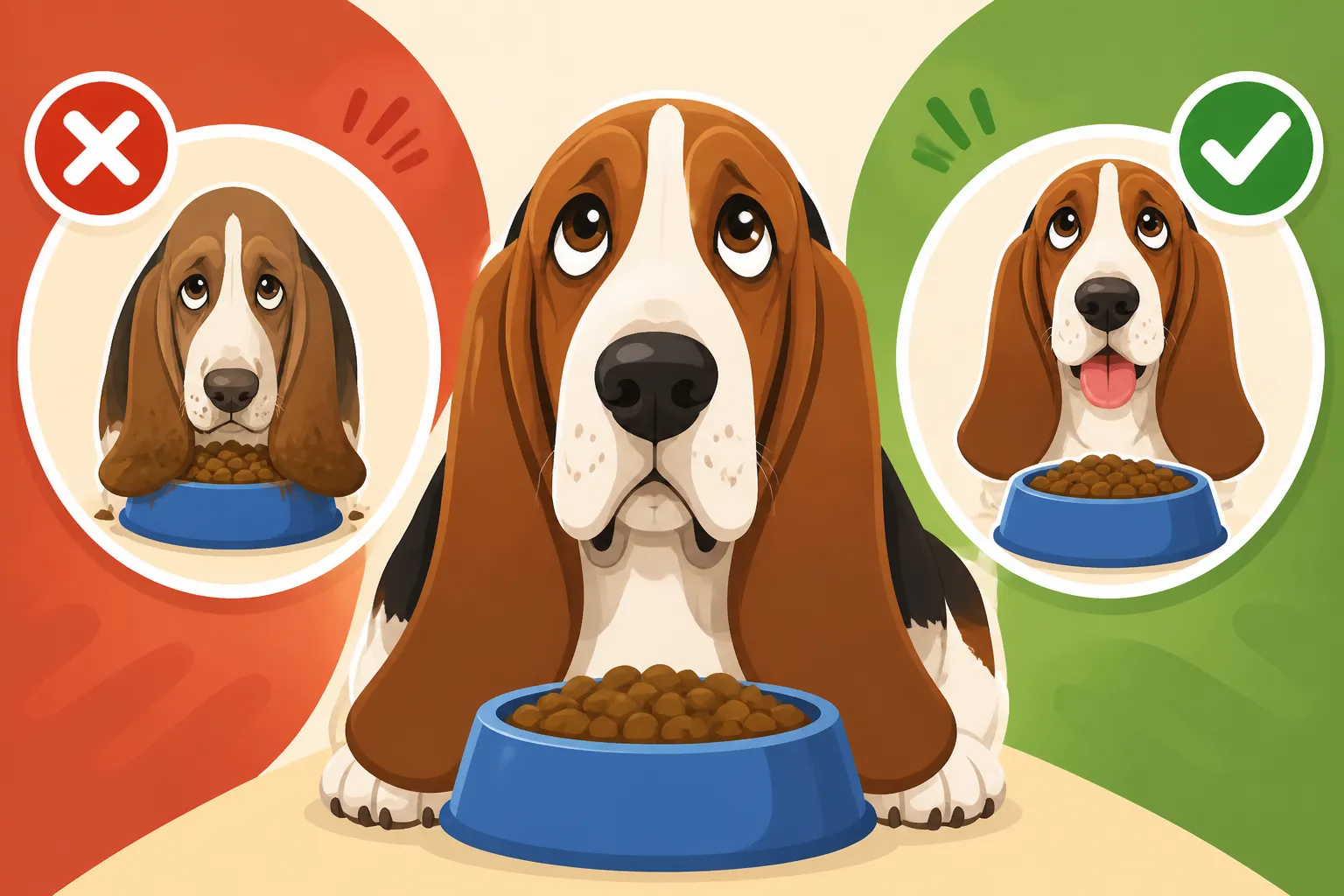
While those long ears are wonderful for sniffing out a trail, they weren't designed with a modern food bowl in mind. When your Basset goes for a drink of water, its ears plunge in, becoming soaked. The same happens with food – kibble, wet food, or even treats can easily adhere to the fur. This isn't just a minor inconvenience; it leads to a host of problems. Imagine having perpetually wet or food-encrusted ear tips, not to mention the mess they create around the feeding area. It's a daily battle for many Basset owners to keep things tidy, and the constant cleaning can become a real chore. This physical reality is precisely why so many Basset owners find themselves asking Whether a Basset Hound Needs a Snood at Dinner
The Real Problems Created by Dragging Ears
Beyond the obvious mess, ears constantly dragging through food and water can lead to several significant issues for your Basset Hound, affecting both their hygiene and, more seriously, their health. Overlooking these problems can lead to discomfort and costly veterinary visits.
Mess and Hygiene Headaches
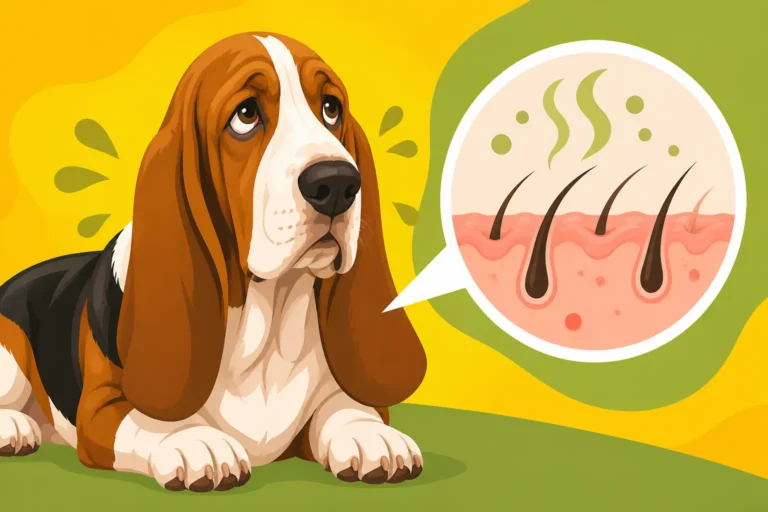
The immediate impact of dragging ears is the sheer mess. After every meal or drink, those wet or food-laden ear tips become a mobile dispenser of debris. Water drips across your floor, food particles are flung around, and your once-clean Basset might leave a trail of slobbery crumbs wherever they shake their head. This creates a perpetually sticky, dirty feeding area that needs constant attention. It also means more frequent bathing and cleaning of your dog, as the ears can become quite greasy or sticky. Moreover, the ears themselves can start to smell if not cleaned regularly, picking up odors from stagnant water or old food. Nobody wants a beautiful hound with smelly, crusty ears.
Beyond the immediate mess, this constant contact with food and water creates an unhygienic environment on the ear itself. Food residue can become matted in the fur, attracting bacteria and yeast. Water, especially if not promptly dried, can create a damp, warm haven for microbial growth. This can lead to skin irritation, matting, and an overall reduction in hygiene that no owner wants for their beloved companion. Maintaining a clean environment is crucial, and that includes your Basset's ears and surrounding areas.
Health Implications
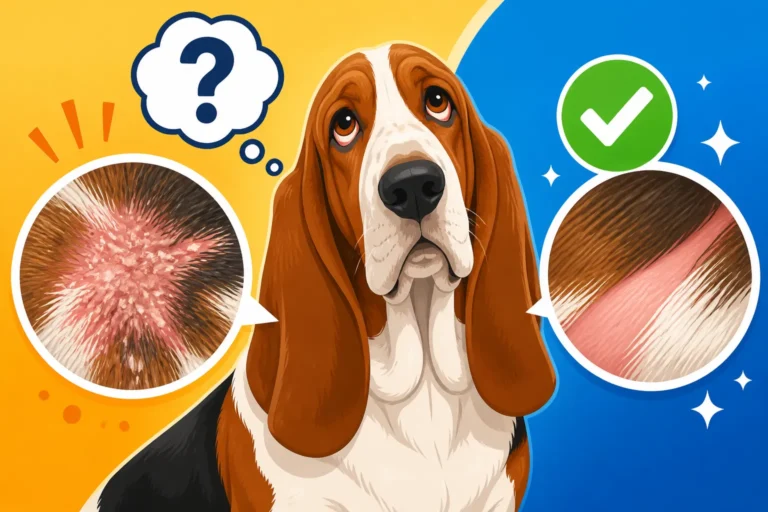
The damp, dirty environment created by dragging ears is a breeding ground for various health problems. Basset Hounds are already predisposed to ear issues due to their long, floppy ears which restrict airflow to the ear canal, creating a warm, moist environment naturally. When you add food and water to the mix, this problem is exacerbated tenfold. These factors make them particularly susceptible to The Ear Infections That Never Really Leave a Basset Hound.
Common health issues include external ear infections (otitis externa) caused by bacteria or yeast. When ears are constantly wet, the skin inside the ear flap and around the ear canal can become macerated and inflamed, making it easy for opportunistic pathogens to take hold. You might notice your Basset shaking its head excessively, scratching at its ears, or that its ears emit a foul odor – signs that Whether a Basset Hound's Ear Smells Sweet or Sour. Chronic dampness can also lead to secondary skin infections around the ear flap and even the base of the ear. These infections are not only painful for your dog but can also be notoriously difficult and expensive to treat, sometimes requiring repeated vet visits and long courses of medication. It's a good idea to consider pet insurance, like a plan from Healthy Paws, to help manage these unexpected health costs.
Practical Solutions and Preventative Measures
Thankfully, there are many practical steps you can take to minimize or eliminate the problem of your Basset Hound's ears dragging through their food and water. A combination of specialized equipment, consistent grooming, and a little training can make a world of difference.
Specialized Feeding Equipment
One of the most effective ways to keep those long ears out of the bowl is by investing in specialized feeding equipment. These simple changes can make mealtime much cleaner and healthier.
First, consider using a snood. A snood is essentially a fabric tube that you slip over your Basset Hound's head, holding its ears snugly out of the way while it eats or drinks. They come in various sizes and materials, from lightweight mesh for summer to thicker fabric for cooler weather. Introducing a snood might take a little patience, as some Bassets find them a bit strange at first. Start with short durations during meal times and offer plenty of positive reinforcement. Over time, most Bassets learn to associate the snood with food and become quite tolerant of it. This simple garment can dramatically reduce the amount of food and water that gets on their ears.
Second, elevated bowls can help. Raising the food and water bowls to a comfortable height can change the angle at which your Basset eats, making it less likely for their ears to dip in. However, the effectiveness of elevated bowls can vary depending on your Basset's individual posture and ear length. It's still possible for those super long ears to dangle in even with elevated dishes, so they often work best in conjunction with other methods. Ensure the bowl height is appropriate for your dog, allowing them to eat without straining their neck or having to reach uncomfortably.
Third, specialized bowls designed for long-eared dogs are a game-changer. These bowls are typically narrower and deeper than standard bowls. The narrow opening prevents the ears from easily falling into the food or water while the dog eats, forcing them to keep their head slightly elevated and their ears draped outside the bowl's rim. You'll want to choose carefully, as some are better for food and others for water. Many owners find that answering Whether a Basset Hound Needs a Deep Bowl or a Shallow One, specifically for their water, is key to drier ears. Look for ceramic or stainless steel options, as these are easier to clean and more hygienic than plastic. Some popular options for these types of bowls include the "Basset Bowl" or other similar slow-feeder designs which often have deeper, narrower centers.
Grooming and Hygiene Routines
Even with specialized equipment, a consistent grooming and hygiene routine is crucial for Basset Hounds. Their ears require regular attention to prevent problems, regardless of how careful they are during meals.
Regular ear cleaning is paramount. Aim to clean your Basset's ears at least once or twice a week, or more frequently if they are particularly prone to getting dirty or wet. This involves using a veterinarian-approved ear cleaner and cotton balls (never cotton swabs, which can push debris deeper into the ear canal). Gently wipe the visible parts of the ear and the inside of the ear flap. You might be surprised at how much gunk accumulates. We have an extensive guide on How to Clean a Basset Hound's Ears Properly, which can be a lifesaver. This helps remove dirt, wax, and any food residue that might have snuck past your preventative measures, reducing the risk of infection.
Drying their ears thoroughly, especially after bathing or if they get wet from swimming or even a particularly sloppy drink, is equally important. Whether a Basset Hound's Ears Trap Water, they certainly do, and this moisture creates the perfect environment for yeast and bacteria to flourish. Use a soft towel to gently blot and dry the inside and outside of their ear flaps. A low-heat hairdryer can be used cautiously, holding it at a safe distance, but ensure it's not too hot and doesn't stress your dog. Regular checks for any signs of redness, swelling, discharge, or foul odor are also vital. Early detection of issues can prevent them from escalating into full-blown infections. If you notice persistent redness or a strong smell, it's wise to consult your vet.
Training and Behavioral Adjustments
While Basset Hounds are known for their independent streak, some basic training and behavioral adjustments can also contribute to cleaner ears.
Teaching your Basset a "wait" command before eating can encourage them to approach their bowl more calmly, reducing frantic movements that might cause their ears to flop into the food. Similarly, a "stay" command can keep them positioned correctly while they eat. Consistent positive reinforcement, using treats and praise, will make these training sessions more effective.
You can also try to teach them to be more aware of their ears. Gently tucking their ears back and saying a command like "ears up" when they approach their bowl, then rewarding them when they comply, can help. This might sound ambitious for a Basset, but with patience and high-value rewards, they can learn. The key is consistency and making it a positive experience. Remember, Basset Hounds are incredibly scent-driven, and sometimes their focus on food overrules everything else, so patience is truly a virtue here.
Choosing the Right Tools for Your Basset Hound
With a variety of products on the market, selecting the best tools for your Basset Hound can feel a bit overwhelming. Let's break down the options and what to look for to ensure those precious ears stay clean and healthy.
Snoods: Types, Materials, and Introduction
Snoods are arguably one of the most effective tools in the Basset owner's arsenal. When choosing a snood, consider the material and fit.
- Materials: Snoods typically come in lightweight fabrics like cotton or mesh for breathability, or thicker fleece/knit materials for warmth or added protection in colder weather. For mealtime, a durable, easy-to-wash cotton or polyester blend is ideal. Some brands like Basset Gear offer snoods specifically tailored for the Basset's head shape.
- Fit: A good snood should be snug enough to keep the ears contained but not so tight that it's uncomfortable or restricts breathing. It should cover the ears completely and extend a bit down the neck. Many come with an elastic band at the top and bottom for a secure fit.
- Introduction: Start by letting your Basset wear the snood for very short periods, especially during mealtimes. Put it on, offer their food immediately, and take it off as soon as they finish. Praise them heavily and offer a small treat after the snood comes off. Gradually increase the duration. Some Bassets will try to paw them off at first, but with consistent positive association, most learn to tolerate them well. This often becomes a visual cue for them that food is coming!
Food and Water Bowls: Materials, Shapes, and Height Considerations
The right bowls can make a significant difference.
- Material: Stainless steel or ceramic bowls are generally recommended over plastic. They are more durable, easier to sanitize, and less likely to harbor bacteria or cause skin reactions. Plastic bowls can sometimes develop microscopic scratches where bacteria can hide, and some dogs can develop chin acne from plastic.
- Shape: This is where specialized bowls shine. Look for bowls that are deeper and have a narrower opening, sometimes called "spaniel bowls" or "basset bowls." The restricted opening makes it harder for the wide ear flaps to dip in. Brands like Ethical Pet or OurPets offer options that can work well. For water, a narrower, deeper design helps keep the ears out, but ensure your Basset can still comfortably lap the water without excessive effort. If your Basset struggles to drink from a narrow water bowl, you might need to try a different strategy, such as a water dispenser with a smaller surface area, or even a fountain that provides circulating water from a central spout.
- Height: As mentioned, elevated bowls can help some Bassets maintain a better posture while eating, reducing the chance of ear-dunking. However, there's ongoing debate in veterinary circles about the benefits and potential risks of elevated feeders for large, deep-chested breeds concerning bloat. For Bassets, the primary benefit is often ear-related. Consult your vet for advice on the appropriate height and whether an elevated feeder is right for your individual dog. The goal is comfort and reduced ear contact, not necessarily extreme height.
Ear Care Products: Cleaners, Wipes, and When to Use Them
Having the right ear care products on hand is essential for maintaining ear health, especially for a breed like the Basset Hound.
- Ear Cleaners: Always use a non-irritating, pH-balanced ear cleaner specifically formulated for dogs. Your veterinarian can recommend a good brand, such as Epi-Otic, MalAcetic, or Zymox. Avoid cleaners containing alcohol or hydrogen peroxide, which can be harsh and irritating. To learn more about selecting the right product, check out our guide on Which Ear Cleaner Suits a Basset Hound.
- Ear Wipes: For quick clean-ups of the outer ear flap and any visible grime, pet-specific ear wipes (like Earthbath or Petkin) are very handy. They are pre-moistened and often contain gentle cleaning agents. These are great for daily maintenance or after particularly messy meals to remove food residue before it becomes crusty. Remember, wipes are for the outer ear and folds only, not deep inside the ear canal.
- Frequency: As a general rule, inspect your Basset's ears daily and clean them thoroughly once or twice a week. If they have an active ear infection, your vet will prescribe specific drops or medications, and cleaning frequency might need to be adjusted. Regular cleaning is a cornerstone of preventing serious ear issues, and can even save you money on vet bills in the long run. Good consistent care is much cheaper than treating a raging infection, which is where having insurance from providers like Healthy Paws can really offer peace of mind.
Living with the Basset Hound Ear Reality
Even with the best intentions and all the right equipment, living with a Basset Hound means accepting a certain level of charming, floppy-eared mess. It’s part of their unique appeal, but it also requires diligence and a realistic outlook from their human companions.
Accepting the Basset Hound Mess
Let’s be honest, Basset Hounds are wonderful, but they aren't the tidiest dogs. Between the drool, the shedding, and yes, the ear-related food and water splashes, a pristine home is a rare sight for a Basset owner. Accepting this reality is key to enjoying life with your hound. While snoods and specialized bowls go a long way, an occasional ear dip or a slobbery shake is almost inevitable. Having a dedicated "Basset towel" near the food and water bowls for quick wipe-downs becomes second nature. Regular floor cleaning or having washable rugs in the feeding area can help manage the daily aftermath. It's a small price to pay for their affectionate nature and comical expressions. Many owners embrace the chaos, finding humor in their Basset's unique way of interacting with the world, even if it means a little extra cleanup.
Moreover, the Basset's unique facial structure, with its loose skin and dewlap, also contributes to messiness around the mouth area. Food and water can get caught in these folds, which also need regular attention. You can read more about Cleaning the Folds a Basset Hound's Face Is Made Of, as this is just as important as ear care to prevent skin irritation and odors. It truly is a full-body commitment to cleanliness with these wonderful dogs!
When to Call the Vet
While some mess is normal, certain signs indicate that ear issues are progressing beyond simple hygiene concerns and require veterinary attention. Don't hesitate to contact your vet if you observe any of the following:
- Excessive Head Shaking or Scratching: This is often the first sign of discomfort or irritation in the ears.
- Redness or Swelling: Inspect the inside of the ear flap and the opening of the ear canal. Any significant redness or swelling points to inflammation.
- Foul Odor: A strong, unpleasant smell emanating from the ears is a classic sign of infection, whether bacterial or yeast-based. Our article What to Look For Inside a Basset Hound's Ear, has more details on this.
- Discharge: Pus, a thick brown waxy buildup, or any unusual discharge from the ear canal should be investigated immediately.
- Pain or Sensitivity: If your Basset yelps, pulls away, or becomes aggressive when you touch its ears, it's likely experiencing pain.
- Changes in Behavior: Lethargy, loss of appetite, or general irritability can sometimes accompany painful ear infections.
- Reluctance to Eat: If the ear discomfort is severe, your Basset might even be reluctant to lower its head to eat.
Early intervention is crucial to prevent minor issues from becoming chronic or severely painful. Ear infections can quickly become complicated, potentially leading to deeper infections or even affecting hearing if left untreated. Regular vet check-ups, where your vet can visually inspect the ear canals and, if necessary, take a swab to determine Whether Yeast or Bacteria Is in a Basset Hound's Ear, are part of responsible Basset ownership. Keeping up with these preventative measures can help you avoid more serious problems down the line, and if the worst should happen, a good pet insurance plan from Healthy Paws can provide much-needed financial support for treatment.
Disclaimer
The information provided in this guide is for general informational purposes only and does not constitute veterinary advice. Always consult with a qualified veterinarian for any health concerns or before making any decisions about your Basset Hound's care, diet, or treatment. Individual needs may vary.