Whether Eye Drops Control a Basset Hound’s Glaucoma
It's absolutely heartbreaking when you first hear that your beloved Basset Hound has been diagnosed with glaucoma. The fear of them losing their sight, the worry about their comfort, and the overwhelming sense of not knowing what to do next can feel incredibly isolating. This guide is here to walk you through how eye drops factor into managing your Basset Hound's glaucoma, what to expect, and the reality of living with this challenging condition.
Understanding Basset Hound Glaucoma and Its Urgency
When your Basset Hound is diagnosed with glaucoma, it means the pressure inside their eye, known as intraocular pressure (IOP), has become too high. Think of it like a tire overinflated – the excessive pressure can damage the delicate internal structures of the eye, particularly the optic nerve, which is crucial for vision. For Basset Hounds, this isn't just a minor inconvenience; it's a serious, often painful condition that can lead to irreversible blindness if not managed aggressively and quickly. The anatomy of a Basset Hound's eye, with its deep-set nature and predisposition to certain eye conditions, can sometimes make them more susceptible or make the signs harder to spot until the condition is quite advanced.
The Immediate Threat of High Eye Pressure
The biggest and most immediate threat when glaucoma strikes is the rapid and often excruciating damage that high eye pressure inflicts. It's not a slow, gentle process; it can be incredibly painful for your dog, even if they're trying to be stoic. This isn't just about discomfort, it's about the clock ticking against their vision. The optic nerve, which connects the eye to the brain, is highly sensitive to pressure. When the pressure skyrockets, blood flow to the nerve is constricted, and the nerve fibers themselves are crushed. This damage is often permanent.
Many Basset Hound owners might notice their dog squinting, rubbing their eye, or that the eye looks red and cloudy. These are all signs of severe discomfort and damage already occurring. Understanding Whether a Basset Hound's Red Eye Is an Emergency is vital, as a red eye with glaucoma can indicate a crisis. It truly is an emergency, demanding immediate veterinary attention to save vision and alleviate pain. Time is of the essence in these situations; every hour counts.
Primary vs. Secondary Glaucoma in Basset Hounds
Glaucoma isn't a single condition, but rather a category of diseases. In Basset Hounds, you're primarily looking at two main types: primary and secondary. Primary glaucoma means the condition arises on its own, without another underlying eye disease causing it. It's often inherited, and unfortunately, Basset Hounds are among the breeds genetically predisposed to it, particularly a form called primary open-angle glaucoma (POAG). This means their eye's drainage system, while appearing open, doesn't function correctly over time, leading to a gradual buildup of fluid. Knowing The Glaucoma a Basset Hound Inherits can help owners be proactive.
Secondary glaucoma, on the other hand, develops as a result of another problem within the eye. This could be anything from an injury, inflammation (uveitis), a tumor, or a dislocated lens. In these cases, the original eye condition obstructs the normal drainage of fluid, causing the pressure to rise. Your veterinarian or a veterinary ophthalmologist will perform a thorough examination, including measuring the eye pressure, to determine the type of glaucoma your Basset Hound has, as this will directly influence the treatment plan. It’s critical to address the underlying cause if it's secondary, in addition to managing the pressure itself.
The Role of Eye Drops in Managing Basset Hound Glaucoma
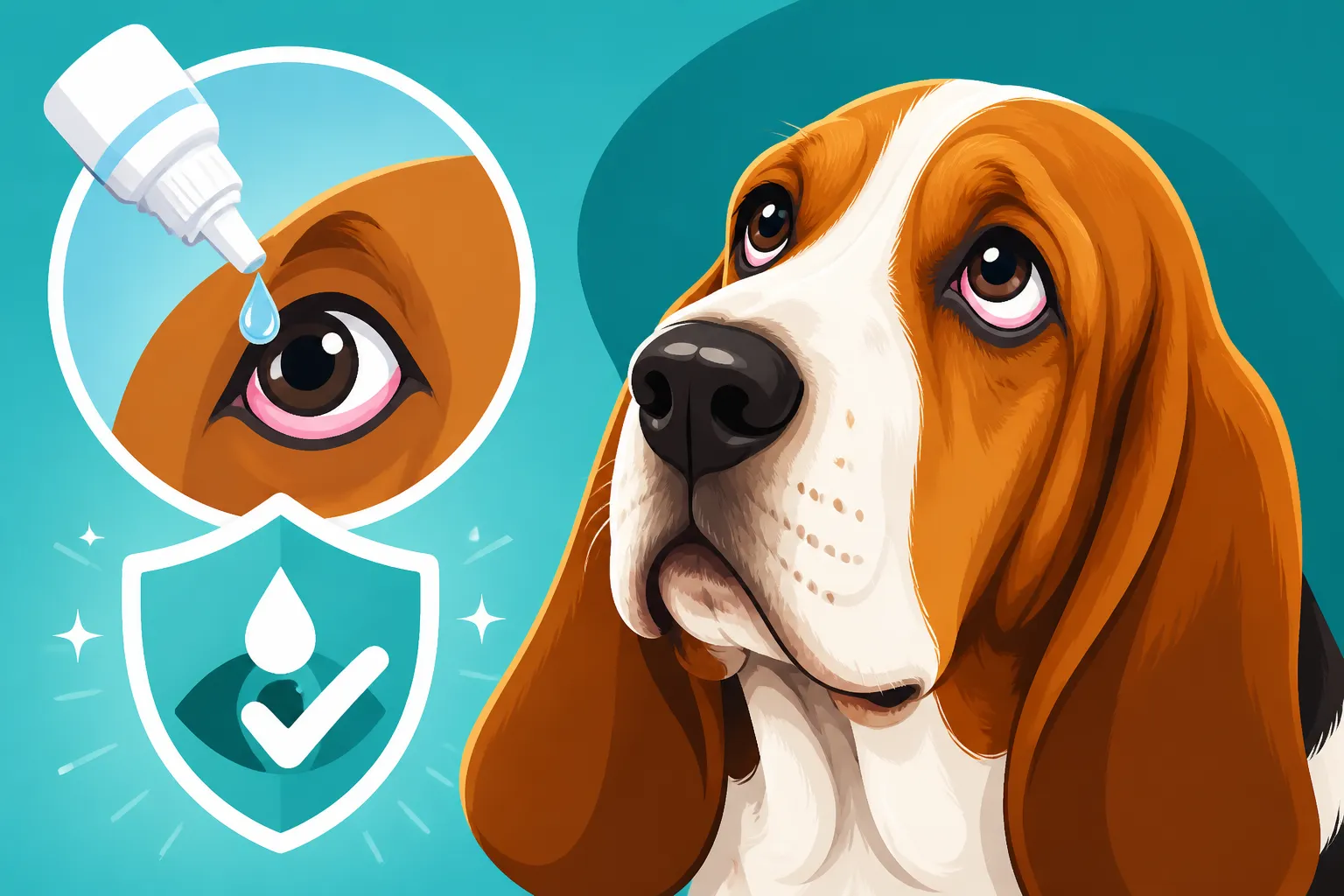
For most Basset Hounds diagnosed with glaucoma, eye drops are going to be your first line of defense, and often a lifelong commitment. The primary goal of these drops is to reduce the intraocular pressure (IOP) in their eyes, either by decreasing the production of the fluid inside the eye (aqueous humor) or by increasing its outflow. It's crucial to understand that while eye drops are vital, they are a management tool, not a cure. They help control the pressure, alleviate discomfort, and, hopefully, preserve vision for as long as possible.
Types of Eye Drops and Their Mechanisms
There are several classes of eye drops commonly used to treat glaucoma in Basset Hounds, and often, a combination of different types is needed to achieve adequate pressure control.
- Prostaglandin Analogs (e.g., Latanoprost, Travoprost): These are often the first choice because they're very effective at reducing IOP. They work by increasing the outflow of aqueous humor from the eye through an alternative pathway. You might notice a bit of redness in the eye after application, which is usually a temporary side effect.
- Carbonic Anhydrase Inhibitors (e.g., Dorzolamide, Brinzolamide): These drops decrease the production of aqueous humor within the eye. They are often used in conjunction with prostaglandin analogs to achieve a stronger effect or if prostaglandin analogs alone aren't sufficient. They typically have a good safety profile.
- Beta-Blockers (e.g., Timolol): Similar to carbonic anhydrase inhibitors, beta-blockers also reduce the production of aqueous humor. They are sometimes used, but caution is needed if your Basset Hound has certain heart or respiratory conditions, as they can have systemic effects.
Your veterinary ophthalmologist will determine the best combination of drops for your individual Basset Hound, taking into account the type of glaucoma, the current eye pressure, and any other health conditions. It's not uncommon for the regimen to change over time as the disease progresses or if the initial treatment isn't yielding the desired results.
| Eye Drop Type | Primary Mechanism | Common Usage | Frequency | Potential Side Effects |
|---|---|---|---|---|
| Prostaglandin Analogs | Increases fluid outflow | First-line, potent IOP reducer | 1-2 times daily | Eye redness, pupil constriction |
| Carbonic Anhydrase Inhibitors | Decreases fluid production | Often combined, good safety | 2-3 times daily | Local irritation, mild discomfort |
| Beta-Blockers | Decreases fluid production | Sometimes used, systemic effects | 2 times daily | Potential cardiovascular/respiratory effects |
| Osmotic Agents (oral/IV) | Rapidly reduces fluid volume (emergency only) | Acute pressure crisis | As needed, short-term | Nausea, dehydration, kidney issues |
The Realities of Administering Eye Drops
Let's be honest, getting eye drops into a Basset Hound's eyes multiple times a day is rarely a walk in the park. Their long, floppy ears and often reluctant nature can make it a real challenge. Many owners face a daily battle of trying to hold their dog still, gently pry open their heavy eyelids, and accurately deliver the tiny drop without their Basset flinching, shaking their head, or trying to chew the bottle. This can be a source of immense frustration and guilt, making you question if you're doing it right.
Consistency is key, however. Missing doses or administering them incorrectly can lead to erratic pressure control, which ultimately damages the eye further. It's often helpful to establish a routine, use positive reinforcement with high-value treats (though Whether a Basset Hound Works for Food Only is an ongoing debate among owners!), and find a comfortable position for both you and your dog. Some Bassets do better being cradled, others prefer standing. Your vet can show you techniques to make it easier, but ultimately, it’s a practice that requires patience and persistence.
Beyond Eye Drops: Comprehensive Glaucoma Management
While eye drops are fundamental, they are often just one part of a broader strategy to manage your Basset Hound's glaucoma. Depending on the severity of the condition, its progression, and whether it's primary or secondary, your veterinary ophthalmologist might recommend additional therapies or surgical interventions. The goal remains the same: to reduce intraocular pressure, preserve vision, and ensure your Basset Hound's comfort.
Regular Monitoring and Adjustments
One of the most critical aspects of managing glaucoma with eye drops is constant vigilance and regular veterinary check-ups. Glaucoma is a dynamic disease; what works today might not be enough next month. Your Basset Hound will need frequent eye pressure checks (tonometry) to ensure the drops are effectively controlling the IOP. These visits are essential for assessing the progression of the disease and making necessary adjustments to the medication regimen. Your vet might also want to do regular ophthalmoscopic exams to check the optic nerve for damage, and sometimes even visual field tests. Understanding Whether a Basset Hound Needs a Yearly Eye Pressure Check is crucial, as often with glaucoma, it needs to be more frequent than yearly.
It's not uncommon for the initial dose or combination of drops to be adjusted several times in the first few weeks or months until a stable pressure is achieved. Sometimes, even with a stable regimen, the eye pressure can fluctuate, especially in response to stress or other factors. This constant monitoring can be emotionally and financially draining, but it's the only way to give your Basset the best chance at retaining their sight and comfort.
Surgical Options When Drops Aren't Enough
There comes a point for many Basset Hounds with glaucoma where eye drops alone are no longer sufficient to control the intraocular pressure. This is a tough realization, but it doesn't mean all hope is lost. At this stage, surgical options become a serious consideration.
- Laser cyclophotocoagulation: This procedure uses a laser to destroy some of the cells that produce aqueous humor, thereby reducing the fluid production and lowering eye pressure. It's often performed by a specialist and can be quite effective, though it might need to be repeated.
- Gonioimplant (shunt) surgery: A tiny tube is implanted into the eye to create a new drainage pathway for the aqueous humor, allowing the fluid to bypass the obstructed natural drainage system. This can provide long-term pressure control.
- Enucleation (eye removal): If the eye is blind, chronically painful, and unresponsive to all other treatments, removing the eye can be the most humane option. It relieves the dog of constant pain and allows them to live a much more comfortable life. While it sounds drastic, many dogs adapt incredibly well after eye removal.
- Intraocular prosthesis (fake eye): In some cases where an eye is blind but not infected, a silicone prosthesis can be implanted after the internal contents of the eye are removed, preserving the cosmetic appearance of the eye. This is primarily for aesthetic reasons, as the eye remains non-functional.
Discussing What Glaucoma Surgery Costs a Basset Hound Owner is important, as these procedures can be quite expensive. Pet insurance from providers like Healthy Paws can often help cover a significant portion of these costs, making difficult decisions a bit easier.
Living with Glaucoma: Supporting Your Basset Hound
A diagnosis of glaucoma doesn't mean an end to your Basset Hound's happy life, but it certainly means adapting. As an owner, you become an integral part of their ongoing care team, and it's essential to focus not just on the medical treatments but also on their quality of life, comfort, and safety. This condition often requires lifelong dedication.
Adapting to Vision Loss and Blindness
The hardest part for many owners is watching their once-sighted Basset Hound struggle with vision loss. If glaucoma progresses despite treatment, your dog may eventually become blind, either in one eye or both. It's heartbreaking, but it's important to remember that dogs adapt to blindness much better than humans often do. Their other senses, especially their incredible sense of smell, become heightened. Understanding Whether a Blind Basset Hound Copes can offer much-needed reassurance.
To help your Basset Hound adjust:
- Maintain a consistent environment: Avoid rearranging furniture or leaving obstacles in their path.
- Use verbal cues: Talk to them as you approach, guide them with consistent commands.
- Scent marking: You can use essential oils (safely applied) or different textures on the floor to mark important areas like food bowls or dog beds.
- Safe spaces: Create a comfortable, safe den area where they can retreat and feel secure.
- Outdoor safety: Keep them on a leash in unfamiliar outdoor areas, and ensure your yard is securely fenced. For some dogs, a GPS tracker collar can provide extra peace of mind.
This transition takes patience, but your Basset Hound will rely on your consistency and calm reassurance to navigate their world.
The Financial and Emotional Toll
There's no sugarcoating it: managing glaucoma in a Basset Hound is expensive and emotionally draining. The cost of eye drops can range from $50 to $200 per month, depending on the specific medications and dosage. Add to that the frequent vet visits for pressure checks, potential specialist consultations, and the possibility of expensive surgeries, and the financial burden quickly accumulates. Many owners wonder What a Basset Hound's Eye Care Costs and it's a valid concern that can lead to immense stress.
Beyond the money, there's the daily stress of administering drops, the anxiety during every vet visit, and the fear of your dog losing their sight or being in pain. It's okay to feel overwhelmed. Seeking support from other Basset Hound owners who have managed glaucoma can be incredibly helpful. Remember, you're doing your best for your furry family member, and that's what truly matters. Investing in pet insurance early, perhaps with a provider like Healthy Paws, is something many owners recommend to help offset these unpredictable and often substantial costs. It gives you more options when it comes to treatment decisions without making them purely about financial feasibility.
Preventing and Proactively Managing Potential Risks
While you can't prevent inherited primary glaucoma, you can be proactive about early detection and diligent management. If you're considering getting a Basset Hound puppy, inquire about the parents' eye health and any history of glaucoma in their lines. Responsible breeders will often screen for genetic predispositions. For existing Basset Hounds, even those without a diagnosis, routine wellness checks should ideally include an eye pressure check, especially as they age.
Prompt veterinary attention for any eye changes – redness, cloudiness, squinting, discharge – is critical. Don't wait to see if it improves on its own. The faster glaucoma is diagnosed and treated, the better the prognosis for vision preservation and pain management. Consistent, lifelong treatment with eye drops, combined with regular monitoring, offers the best chance at controlling this challenging condition and ensuring your Basset Hound enjoys a comfortable, happy life for as long as possible. The goal is always to maximize their quality of life, understanding that for conditions like glaucoma, a Basset Hound will need lifelong care and attention to their eye health.
Disclaimer
This article is intended for informational purposes only and does not constitute veterinary medical advice. Always consult with a qualified veterinarian or veterinary ophthalmologist for any health concerns or before making any decisions about your Basset Hound's care. Individual treatment plans may vary based on your dog's specific condition and needs.