Whether a Basset Hound Should Be Tested Before Neutering
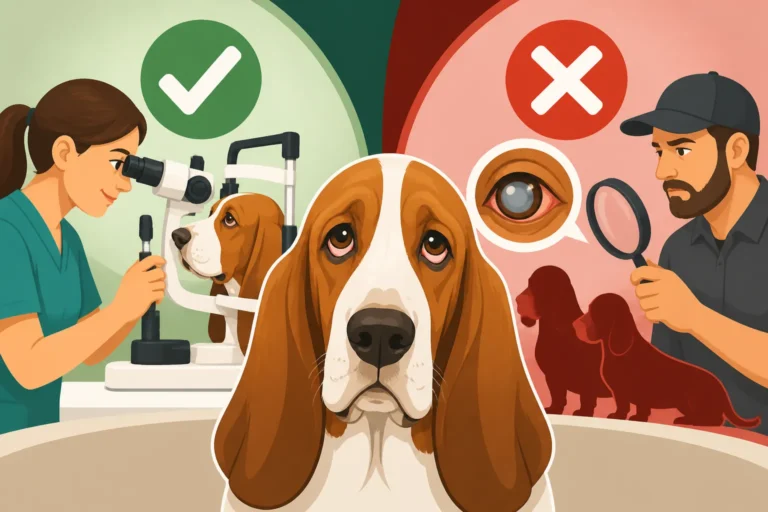
It’s a moment many of us dog parents face: deciding when and if to neuter our beloved Basset Hounds. But beyond the big decision itself, a crucial question often looms – should your Basset Hound be tested before neutering? It's a valid concern, and navigating the recommendations can feel overwhelming, especially when you just want to do what’s best for your floppy-eared friend. This guide aims to clear up the confusion, explaining why pre-surgical testing is so vital for Basset Hounds and what you can expect.
The Critical Importance of Pre-Anesthetic Testing
Sending your Basset Hound in for surgery, even a routine procedure like neutering, can be nerve-wracking. The biggest concern for most owners is always the anesthesia. Anesthesia, while generally safe, does carry inherent risks, and these risks can be amplified if your Basset Hound has an underlying condition that isn't identified beforehand. Pre-anesthetic testing isn't just a suggestion; for many veterinarians, it's a non-negotiable step to ensure the safest possible outcome for your furry family member.
Imagine for a moment: you bring your seemingly healthy Basset in for their neuter appointment, everything seems fine, but unbeknownst to anyone, their kidneys aren't functioning optimally. Without pre-surgical blood work, the veterinary team wouldn't know this until it's too late, and the stress of anesthesia could potentially push their kidneys into crisis. This isn't meant to scare you, but to highlight that our dogs can be incredibly stoic, hiding health issues until they become critical. These tests provide a vital peek behind the curtain of their internal health, allowing your vet to tailor the anesthetic protocol, or even postpone surgery if necessary, to mitigate risks. It’s all about being proactive rather than reactive, giving your Basset the best chance at a smooth procedure and recovery.
Why Basset Hounds Have Unique Anesthetic Considerations
Basset Hounds, with their distinctive build and breed-specific traits, aren't just any dog when it comes to anesthesia. Their long, heavy bodies, short legs, and deep chests can sometimes present challenges that are different from other breeds. For instance, their unique chest conformation can affect lung capacity and how well they ventilate under anesthesia. Additionally, their generally laid-back, sometimes almost sluggish, nature might mask early signs of illness that would be more obvious in a higher-energy breed.
Beyond their physical structure, Basset Hounds are also prone to certain breed-specific health issues that can influence anesthetic safety. One of the most significant concerns is their predisposition to certain bleeding disorders. Knowing if your Basset carries such a risk beforehand can literally be life-saving. For these reasons, a blanket approach to anesthesia simply won't do. Your veterinarian needs as much information as possible about your specific Basset Hound to ensure the best possible care, making those pre-anesthetic tests even more crucial.
Common Pre-Neutering Health Checks
Before any Basset Hound goes under the knife for neutering, your vet will perform a thorough physical examination. This isn't just a quick once-over; it's a comprehensive check of their heart, lungs, eyes, ears, abdomen, and musculoskeletal system. They’ll listen for heart murmurs, check their breathing, palpate their belly for any abnormalities, and assess their overall demeanor.
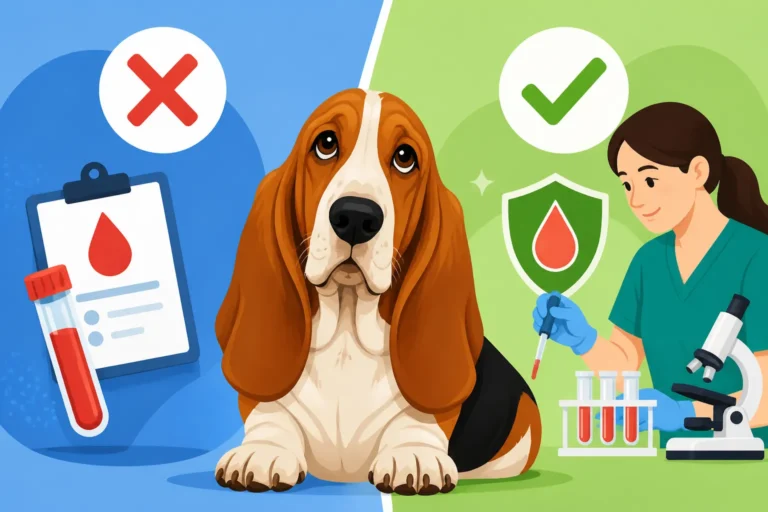
Beyond the physical exam, routine pre-surgical diagnostics typically include blood work and often a urinalysis. The blood work usually involves a Complete Blood Count (CBC) and a biochemistry panel. The CBC tells your vet about red blood cells (important for oxygen transport), white blood cells (indicating infection or inflammation), and platelets (crucial for clotting). The biochemistry panel assesses organ function, particularly the liver and kidneys, which are responsible for processing and eliminating anesthetic drugs. A urinalysis provides additional insights into kidney function and can detect urinary tract infections or other bladder issues that might complicate surgery or recovery. These tests, together with the physical exam, paint a much clearer picture of your Basset’s internal health, flagging any potential red flags before they become a crisis during surgery.
Uncovering Hidden Risks: What Tests Reveal
It’s easy to assume our dogs are perfectly healthy, especially if they’re young and bouncy, but appearances can be deceiving. Pre-surgical testing is designed to catch those silent issues that aren't visible on the outside. From organ function to clotting abilities, these tests provide invaluable data that helps your vet make informed decisions and ensure your Basset Hound’s safety. Skipping them is like driving blind into unfamiliar territory – you might be fine, but why take the unnecessary risk?
Identifying Kidney and Liver Function Issues
The liver and kidneys are the body's natural filters, playing a massive role in metabolizing and excreting medications, including anesthetic agents. If these organs aren't working efficiently, anesthetic drugs can build up in your Basset Hound's system, leading to prolonged recovery, severe side effects, or even organ damage. Blood tests like the biochemistry panel will measure levels of enzymes and waste products that indicate how well the liver and kidneys are performing.
For example, elevated kidney values (like BUN and creatinine) or liver enzymes could signal an underlying issue that needs to be addressed before surgery. If your vet finds these abnormalities, they might recommend fluid therapy before, during, and after surgery, or they might even choose different anesthetic drugs that are safer for compromised organs. In some cases, if the dysfunction is severe, they might advise postponing the neuter entirely until the underlying issue can be managed, or even forgoing elective surgery altogether. This is a perfect example of how pre-testing doesn’t just make surgery safer, it also helps protect your Basset Hound’s long-term health.
Screening for Bleeding Disorders Like Thrombopathia
Now, this is a big one for Basset Hounds. Basset Hounds are notably predisposed to a genetic bleeding disorder called thrombopathia. This condition affects the function of platelets, which are tiny cells in the blood crucial for forming clots and stopping bleeding. Even if a Basset Hound has a normal number of platelets, if they don't work correctly, serious bleeding can occur during and after surgery. This is a significant concern for any surgical procedure, and neutering is no exception.
Without specific testing for thrombopathia, your vet wouldn't know your Basset has this condition until they start bleeding excessively during surgery, which can be a life-threatening emergency. A buccal mucosal bleeding time (BMBT) test, or specific genetic tests, can identify if your Basset is a carrier or affected by thrombopathia. If a bleeding disorder is identified, your vet can take preventative measures, such as having blood products on hand, using specific hemostatic agents, or altering the surgical technique to minimize bleeding. This insight is so important that many breeders will even screen their breeding Bassets for this condition, and it's something every Basset Hound owner should be aware of. To learn more about this specific concern, you might want to read our article on What Thrombopathia Means for a Basset Hound. This can be a major concern, and understanding it fully is essential for any Basset owner considering surgery.
Detecting Underlying Infections and Anemia
Beyond organ function and bleeding risks, pre-surgical blood work can also alert your vet to the presence of infections or anemia. Anemia, a low red blood cell count, means your Basset’s blood isn't carrying enough oxygen, which can complicate anesthesia and recovery. If your Basset is anemic, your vet would want to investigate the cause before proceeding with surgery, as it could indicate a more serious underlying health problem.
Similarly, an elevated white blood cell count could signal an active infection somewhere in the body. While a urinary tract infection might be caught by a urinalysis, a CBC can indicate a broader systemic infection. Taking a dog with an active infection into surgery, especially one that requires a sterile field like neutering, can increase the risk of surgical site infections and delay healing. Identifying and treating any infections before surgery ensures your Basset is in the best possible health to undergo the procedure, leading to a smoother recovery and fewer complications down the line. It's truly about preventing preventable problems.
The Financial and Ethical Considerations
The idea of extra tests might make some owners pause, especially when thinking about the overall cost of owning a Basset Hound, which can already be substantial when you factor in their food, routine care, and potential for breed-specific health issues like The Ear Infections That Never Really Leave a Basset Hound or back problems, as detailed in The Back Trouble a Basset Hound Is Built Into. However, looking at pre-surgical testing solely through a financial lens misses the bigger picture of your Basset’s well-being.
Investing in these tests upfront is often far less expensive than dealing with an emergency complication that arises because a hidden issue went undetected. Think of it as a small preventative cost that could save you a much larger, and more stressful, emergency vet bill down the road. Furthermore, from an ethical standpoint, providing your Basset Hound with the safest possible surgical experience should always be the top priority.
Cost of Pre-Surgical Testing vs. Emergency Care
It's understandable to look at the estimate for neutering and see additional lines for blood work, ECGs, or specialized clotting tests and wonder if they're truly necessary. After all, the cost of veterinary care can really add up. However, let's consider a scenario: a Basset Hound goes into surgery without pre-screening, develops a severe adverse reaction to anesthesia due to undisclosed liver issues, or experiences uncontrolled bleeding because of undiagnosed thrombopathia. The cost of emergency stabilization, extended hospitalization, additional diagnostic tests in crisis, and potential treatments could easily skyrocket into thousands of dollars.
Compare that to the few hundred dollars, on average, for a pre-anesthetic panel. This upfront investment is a small price to pay for peace of mind and, more importantly, for mitigating serious health risks. Many pet insurance providers, like Healthy Paws, even offer coverage for diagnostic tests when they are medically necessary, which pre-surgical tests absolutely are. Having a robust insurance plan can certainly help manage these costs, but even without it, prioritizing these tests is a smart financial decision for your Basset Hound’s health.
| Test Category | Purpose for Basset Hounds | What it Screens For | Cost Range (Estimated) |
|---|---|---|---|
| Complete Blood Count (CBC) | Assess overall blood health and oxygen-carrying capacity. | Anemia, infection, inflammation, platelet count. | $50 – $150 |
| Biochemistry Panel | Evaluate organ function crucial for drug metabolism. | Kidney disease, liver disease, diabetes, electrolyte imbalances. | $80 – $200 |
| Urinalysis | Further assess kidney function and urinary tract health. | Urinary tract infections, kidney disease, bladder stones. | $40 – $100 |
| Buccal Mucosal Bleeding Time (BMBT) | Direct assessment of platelet function and primary hemostasis. | Thrombopathia (specific concern for Basset Hounds). | $70 – $180 |
| Coagulation Profile | Measure clotting factors in the blood. | General bleeding disorders (often used if BMBT is abnormal or high risk). | $100 – $300 |
| Electrocardiogram (ECG) | Evaluate heart rhythm and electrical activity. | Arrhythmias, underlying heart conditions (especially for older Bassets). | $50 – $150 |
Note: Costs are approximate and can vary widely based on location, clinic, and specific tests included.
Discussing Risks and Benefits with Your Veterinarian
The decision to neuter, and whether to include extensive pre-surgical testing, should always be a collaborative discussion between you and your veterinarian. They are your best resource for understanding the specific risks and benefits for your individual Basset Hound. Don't hesitate to ask questions: "What are the specific risks for my Basset given their age and history?" or "What exactly will these tests tell us, and how will it change the plan?"
Your vet should be able to clearly explain why certain tests are recommended and what potential findings could mean for the procedure. If your Basset Hound is older, or if there's any history of health concerns such as The Old Basset Hound That Cannot Get Off the Floor, they might recommend a more comprehensive panel of tests. It's about informed consent – you have the right to understand everything before making a decision. Reputable veterinary practices prioritize transparency and your pet's safety above all else. This open dialogue ensures you feel comfortable and confident in the care your Basset is receiving.
Planning for a Smooth Recovery
Once you've made the informed decision to proceed with neutering and completed all recommended pre-surgical tests, your focus will naturally shift to ensuring your Basset Hound has the smoothest possible recovery. Neutering, while routine, is still major abdominal surgery, and proper post-operative care is crucial for preventing complications and ensuring a speedy return to their usual, lovable self. The pre-surgical testing not only makes the surgery itself safer but also helps set the stage for a predictable recovery by minimizing surprises.
Post-Operative Care and Monitoring
After your Basset Hound comes home from their neuter surgery, careful monitoring and adherence to your vet’s post-operative instructions are paramount. This typically includes restricting their activity to prevent them from tearing stitches or injuring the incision site. While your Basset might be known for being somewhat of a couch potato, as discussed in Whether a Basset Hound Is Lazy or Sore, even gentle walks should be limited, and jumping on and off furniture (something we discourage anyway to protect their backs, a common issue for the breed) must be strictly avoided.
You’ll need to check the incision site daily for signs of swelling, redness, discharge, or any open areas. Make sure they can't lick or chew at the incision; an Elizabethan collar (the dreaded "cone of shame") or a recovery suit might be necessary. Administer all prescribed pain medications and antibiotics exactly as directed. Keeping their environment quiet and comfortable, with a soft, clean bed, will aid in their healing. Remember, even if they seem completely fine and energetic, their internal tissues are still healing, and rushing the process can lead to serious setbacks.
Recognizing and Addressing Potential Complications
While pre-surgical testing significantly reduces risks, no surgery is entirely without potential complications. Knowing what to watch for can help you identify problems early and seek veterinary attention promptly. Common post-operative issues can include minor swelling around the incision, mild bruising, or a bit of lethargy, which are usually normal. However, signs like excessive swelling, continuous bleeding, foul-smelling discharge, opening of the incision, persistent vomiting or diarrhea, severe pain (whining, panting, refusing to move), or a complete loss of appetite are red flags.
If you notice any of these more severe symptoms, contact your veterinarian immediately. It’s better to err on the side of caution. Remember, your vet team is there to support you through the recovery process. Don't feel like you're bothering them – they want to ensure your Basset Hound recovers well. If your Basset has been tested for conditions like thrombopathia, you’ll be particularly vigilant for signs of unusual bleeding, though preventative measures should have been taken during surgery. Having pet insurance, such as through Healthy Paws, can also be a huge comfort during these times, as unexpected complications can lead to further diagnostic tests or treatments.
Disclaimer
This article is intended for informational purposes only and does not constitute professional veterinary advice. Always consult with a qualified veterinarian regarding any health concerns or before making decisions about your pet's care.