Whether a Basset Hound Gets Elbow Dysplasia
It's heartbreaking to see your beloved Basset Hound struggling, especially when they’re usually so full of life and goofy charm. Many Basset owners worry about their unique body structure and the potential for joint issues, particularly in those distinctive, sturdy front legs. If you've noticed a new stiffness, a reluctance to play, or even a subtle limp in your Basset, you might be wondering if something serious is going on with their joints. This comprehensive guide will walk you through everything you need to know about elbow dysplasia in Basset Hounds, from understanding what it is and why our long-eared friends are prone to it, to recognizing the signs and exploring the best management and treatment options.
Understanding Elbow Dysplasia in Basset Hounds
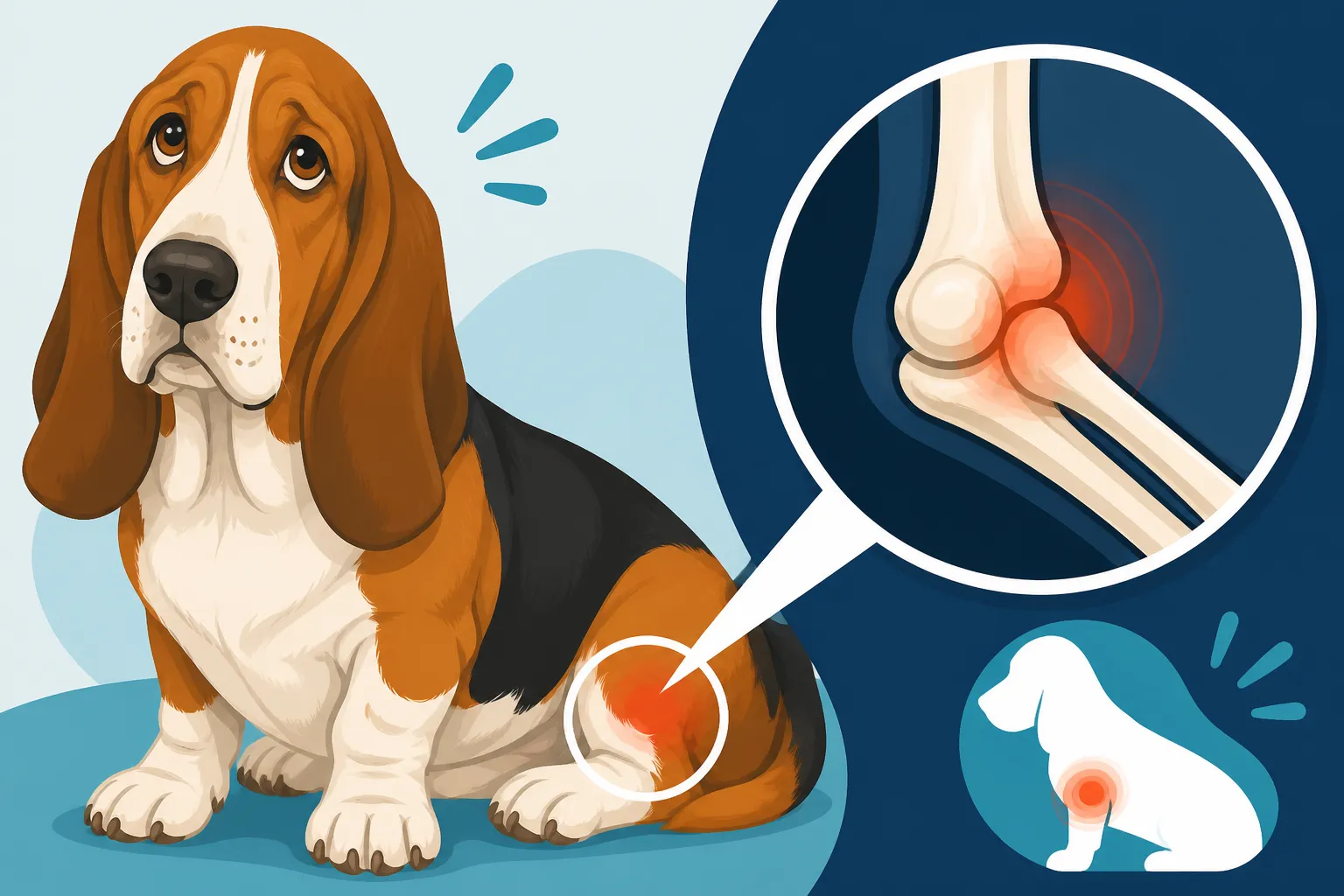
Elbow dysplasia isn't just a single condition; it's a complex group of developmental abnormalities that can affect the elbow joint in growing dogs. For Basset Hounds, with their distinctive short legs and heavy bone structure, these issues can unfortunately be more common and particularly challenging. It’s not just a simple ache; it's a progressive disease that can cause significant pain and lameness if not managed properly.
What Exactly is Elbow Dysplasia?
When we talk about elbow dysplasia, we're actually referring to several distinct, yet often interconnected, problems that can occur within the elbow joint. The elbow is a hinge joint, made up of three bones: the humerus (upper arm bone), the radius (one of the forearm bones), and the ulna (the other forearm bone). For a healthy, happy Basset, these bones need to fit together perfectly, allowing smooth movement. When things go wrong, it typically falls into one or more of these four categories:
Firstly, you might hear about an Ununited Anconeal Process (UAP). The anconeal process is a small bony projection on the ulna that normally fuses to the main part of the ulna as a puppy grows. If this fusion doesn't happen, the process remains separate, causing instability and pain in the joint. Imagine a crucial piece of a puzzle just not quite locking into place – that's what's happening internally, leading to constant irritation.
Secondly, there's the Fragmented Coronoid Process (FCP). The coronoid process is another small projection, this time on the inside of the ulna. In FCP, a piece of this cartilage or bone breaks off, becoming a loose fragment within the joint. This little fragment acts like a stone in a shoe, rubbing and irritating the joint surfaces every time your Basset moves, causing inflammation and significant discomfort. It's often one of the most common components of elbow dysplasia.
Then there’s Osteochondrosis (OCD), specifically osteochondritis dissecans. This is a condition where the cartilage on the end of a bone (often the humerus) fails to develop properly. Instead of smooth, resilient cartilage, you get an area that thickens, cracks, and can even lift away, forming a flap. This flap can then break off and float freely in the joint, causing pain, inflammation, and further damage to the joint surfaces. Think of a damaged Teflon coating in a pan, and how quickly food starts to stick and burn.
Finally, we have Elbow Incongruity. This means the bones of the elbow joint don't fit together perfectly. The radius and ulna might be different lengths, or the joint surfaces might not align correctly. Even a tiny misalignment can cause abnormal pressure points within the joint, leading to excessive wear and tear on the cartilage, pain, and the development of arthritis over time. It's like having misaligned gears in a machine – everything grinds down much faster. It's truly frustrating because it’s not just one issue, but often a combination, making diagnosis and treatment quite a puzzle.
Why Basset Hounds Are Particularly Susceptible
The Basset Hound's endearing, low-slung, and distinctive appearance is, unfortunately, also a major factor in their predisposition to elbow dysplasia. Their very structure, a result of centuries of selective breeding, puts specific stresses on their joints that other breeds might not experience. It's not a flaw in their character, but a consequence of their unique physical traits.
Basset Hounds are a chondrodystrophic breed, which is a fancy way of saying they have a form of dwarfism. This means their long bones, particularly in their limbs, grow abnormally short during development. While it gives them their iconic short stature, it can also lead to issues where the growth plates in the bones don't close uniformly or the bones themselves don't grow at the same rate. This can directly contribute to elbow incongruity, where the radius and ulna don't match up perfectly, causing uneven weight distribution and excessive pressure within the elbow joint. To understand more about their unique build, you might want to read about The Crooked Front a Basset Hound Is Built On or delve into Whether Achondroplasia Explains a Basset Hound's Shape.
Beyond their short legs, Bassets also possess a surprisingly heavy bone structure for their size. This means more weight is being carried by those shorter, uniquely angled limbs, putting additional strain on the developing joints. Their rapid growth as puppies can also exacerbate these issues. If a puppy grows too quickly or gains too much weight, the developing joints may not have enough time or structural integrity to form correctly, making them more vulnerable to the components of elbow dysplasia like FCP or OCD.
Furthermore, genetics play a huge, undeniable role. Elbow dysplasia is considered a polygenic trait, meaning it's influenced by multiple genes. If a Basset Hound's parents or grandparents had elbow dysplasia, the puppy has a significantly higher risk of developing it. This is why reputable breeders go to great lengths to screen their breeding stock, trying to minimize the chances of passing on these problematic genes. It's a sad reality that sometimes, the very traits we adore in the breed contribute to their health challenges, making prevention through responsible breeding all the more vital.
Recognizing the Signs and Getting a Diagnosis
Spotting elbow dysplasia in a Basset Hound can sometimes be tricky because Bassets are often quite stoic, and their naturally laid-back demeanor can mask discomfort. You might just think your dog is being extra lazy or enjoying a long nap, when in reality, they're trying to avoid putting pressure on a painful joint. Being observant and knowing what to look for can make a huge difference in getting an early diagnosis and starting effective treatment.
Early Warning Signs to Watch For
The signs of elbow dysplasia can vary in severity and might come and go, especially in the early stages. Often, the first thing owners notice is a subtle lameness, which might be more apparent after a period of rest, like when your Basset first gets up from a nap, or after strenuous exercise. They might seem stiff and reluctant to move. You might find them hesitant to jump onto furniture (even if they usually do) or struggle with stairs, which is a common concern for Basset owners, leading many to wonder Whether a Basset Hound Should Climb Stairs.
Keep an eye out for changes in their gait. They might exhibit a "head bob" when walking, lifting their head when the painful leg bears weight and lowering it when the good leg takes the strain. Some Bassets might rotate their paw outwards, or hold their elbow away from their body, trying to compensate for the pain. You might also notice muscle atrophy in the affected leg over time, as they use it less.
Behavioral changes can also be indicators. A Basset who usually loves their daily walk might start lagging behind, or even refuse to go further, making you wonder Whether a Basset Hound Refuses to Move. They might become less interested in playing or more irritable when handled, particularly around their front legs and shoulders. If you notice any of these signs, don't dismiss them as just "getting old" or being "lazy." These could be crucial indicators of underlying joint pain, and an issue like arthritis in a Basset Hound can start showing up quite early, sometimes even at seven years old. If your Basset struggles to stand, it might also be a sign of deeper joint issues, prompting a read of The Old Basset Hound That Cannot Get Off the Floor.
The Diagnostic Process
If you suspect your Basset Hound might be dealing with elbow dysplasia, the first and most important step is to schedule an appointment with your veterinarian. Don't delay, as early diagnosis can significantly impact the long-term prognosis and quality of life for your furry friend. Your vet will start with a thorough physical examination, which includes carefully palpating your Basset's joints, checking their range of motion, and observing their gait. They might manipulate the elbow joint to elicit a pain response or detect instability.
While a physical exam can raise suspicion, definitive diagnosis typically relies on imaging. X-rays are the primary diagnostic tool used to visualize the bones of the elbow joint. Your vet will usually take multiple views of the elbow, often under sedation, to get the clearest possible images. These X-rays can reveal signs of incongruity, loose bone fragments, or early arthritic changes. It's a critical step, especially if you're asking Whether a Limping Basset Hound Needs X Rays.
For more complex or subtle cases, or to get a clearer picture of soft tissue and cartilage damage, your vet might recommend advanced imaging techniques such as a CT scan (Computed Tomography) or an MRI (Magnetic Resonance Imaging). These provide detailed, cross-sectional images that can pinpoint the exact nature and extent of the dysplasia, guiding the most appropriate treatment plan. Sometimes, a veterinary orthopedic specialist might be involved, especially if surgery is being considered. It’s a process, but a necessary one to truly understand what's happening inside that precious elbow and formulate the best path forward. For breeders, understanding The Age a Basset Hound's Elbows Can Be Screened is crucial for responsible breeding practices.
Management and Treatment Options
Once elbow dysplasia is diagnosed in your Basset Hound, the good news is that there are various approaches to manage the condition and help your dog live a comfortable life. The specific treatment plan will depend on the severity of the dysplasia, your dog's age, overall health, and your family's circumstances. It’s a journey, not a quick fix, and often requires a multi-faceted approach.
Conservative Management for Mild Cases
For Basset Hounds with mild elbow dysplasia, or those not suitable for surgery, conservative management is often the first line of defense. The cornerstone of conservative treatment is weight management. A lean Basset Hound puts less stress on its joints, significantly reducing pain and slowing the progression of arthritis. If you've ever wondered What Extra Weight Does to a Basset Hound, this is precisely why it's so critical. Working with your vet to achieve and maintain a healthy weight is paramount.
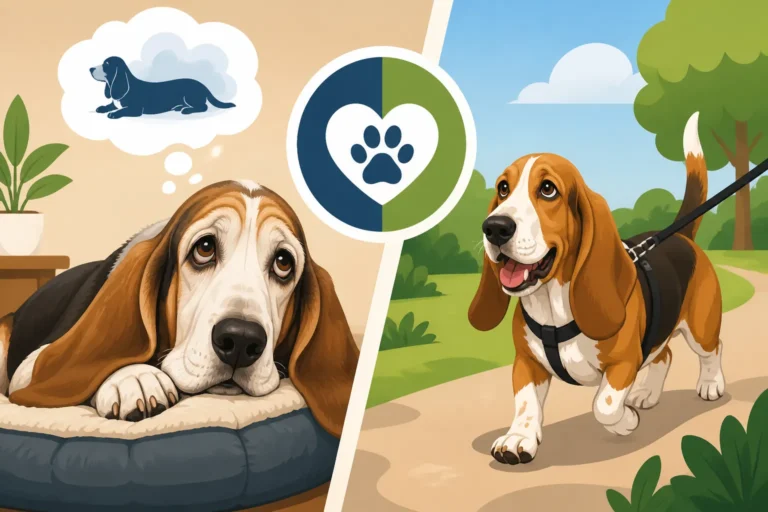
Controlled exercise is also crucial. While complete rest isn't always beneficial, high-impact activities like jumping, intense running, or climbing stairs should be minimized or avoided. Instead, focus on low-impact activities like short, leashed walks on soft surfaces, or even swimming, which provides excellent non-weight-bearing exercise. Consistency is key, but don't overdo it on any given day.
Medications play a significant role in pain and inflammation control. Non-steroidal anti-inflammatory drugs (NSAIDs) like carprofen or meloxicam are commonly prescribed to reduce discomfort and swelling. In some cases, your vet might also recommend other pain relievers. Joint supplements containing ingredients like glucosamine, chondroitin, and omega-3 fatty acids can help support cartilage health and reduce inflammation, though it’s important to note these are supportive, not curative. Brands like Nutramax's Dasuquin and Cosequin are popular choices, but always consult your vet before adding any supplements.
Physical therapy, including therapeutic exercises, massage, and hydrotherapy, can also be incredibly beneficial for strengthening muscles, improving joint mobility, and reducing pain. Applying warm or cool compresses to the affected joint can offer temporary relief. Many pet insurance providers, like Healthy Paws, offer coverage for these types of conservative treatments, which can make managing a chronic condition much more affordable over the long term, provided the condition wasn't pre-existing when you enrolled.
Surgical Interventions
When conservative management isn't enough to control pain, or if the dysplasia is severe, surgical intervention may be recommended. The goal of surgery is to correct the anatomical abnormalities, remove irritating fragments, or reduce incongruity within the joint. This can alleviate pain, improve function, and slow the progression of secondary arthritis.
Several surgical procedures are possible, depending on the specific component of elbow dysplasia:
- Arthroscopy: This minimally invasive procedure uses a small camera and instruments inserted into the joint. It's commonly used to remove fragmented coronoid processes (FCP) or osteochondrosis (OCD) flaps and can often provide quicker recovery times than open surgery.
- Osteotomies: Procedures like a Proximal Ulnar Osteotomy (PUO) or Distal Ulnar Ostectomy aim to relieve elbow incongruity by cutting and realigning the ulna, allowing the joint surfaces to fit together more smoothly. This helps distribute weight more evenly across the joint.
- Ununited Anconeal Process (UAP) Fixation/Removal: For UAP, the ununited fragment may be reattached with a screw or, if it's causing significant irritation and arthritic changes, it might be removed entirely.
After surgery, a rigorous rehabilitation program is critical for a successful outcome. This often involves strict rest, followed by controlled exercise, physical therapy, and pain management. The recovery period can be lengthy, and it requires significant dedication from the owner. Understanding What Elbow Surgery Costs on a Basset Hound or What Physical Therapy Costs a Basset Hound Owner highlights the financial commitment, making pet insurance a wise consideration. Many pet parents find that having a policy with a company like Healthy Paws provides peace of mind, knowing that a substantial portion of these unexpected surgical and rehab costs can be covered.
Long-Term Outlook and Prevention
Even with successful treatment, whether conservative or surgical, it's important to understand that elbow dysplasia often leads to some degree of secondary arthritis in the joint over time. This means ongoing management will likely be a part of your Basset Hound's life. Regular veterinary check-ups are essential to monitor joint health, adjust pain management strategies, and ensure your Basset remains as comfortable as possible. This might involve periodic X-rays to track the progression of arthritis.
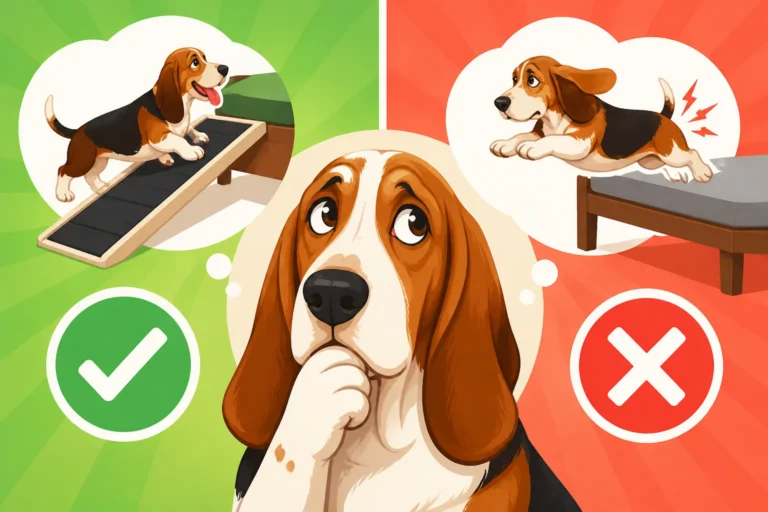
Living with a Basset Hound that has elbow dysplasia means committing to a lifestyle that supports their joint health. This includes consistently managing their weight, ensuring they get appropriate, low-impact exercise, and potentially continuing joint supplements or periodic pain medication as needed. Creating a joint-friendly home environment, with non-slip rugs on slick floors and ramps to help them access elevated areas, can also make a significant difference. You might want to explore resources on Keeping a Basset Hound Off the Furniture It Should Not Jump From.
From a preventative standpoint, the most impactful measure you can take is to choose a responsible breeder. A reputable Basset Hound breeder will health-test their breeding dogs for elbow dysplasia (and other common breed conditions) before breeding. This involves official evaluations by organizations like the Orthopedic Foundation for Animals (OFA) or PennHIP. They should be transparent about their dogs' elbow scores and readily share these health clearances. Looking into The Health Tests a Basset Hound Breeder Should Run and asking Whether a Basset Hound Breeder Should Show Elbow Scores are crucial steps for any prospective Basset owner.
Proper nutrition during puppyhood is also vital. Feeding a high-quality, large-breed puppy food formulated for slow growth can help prevent excessively rapid bone development, which can contribute to joint problems. While we can't eliminate the risk of elbow dysplasia entirely due to the Basset Hound's unique conformation and genetic predisposition, proactive choices in breeding and early management can significantly improve the long-term outlook for these wonderful dogs. This is also why many owners secure pet insurance early on; providers like Healthy Paws can help with the costs associated with chronic conditions like elbow dysplasia, ensuring your Basset gets the best care throughout their life.
Treatment Options at a Glance
Here’s a quick overview of the main approaches to managing elbow dysplasia:
| Feature | Conservative Management | Surgical Intervention |
|---|---|---|
| Severity | Mild to moderate cases; post-surgery support | Moderate to severe cases; unresponsive to conservative |
| Primary Goal | Pain control, inflammation reduction, slowing arthritis | Correcting anatomical defects, removing fragments |
| Key Components | Weight control, controlled exercise, NSAIDs, supplements | Arthroscopy, osteotomies, fragment removal |
| Recovery Time | Ongoing, lifestyle adjustments | Weeks to months of strict rehabilitation |
| Cost | Generally lower initial, but ongoing medication/supplements | Higher initial, but can prevent worse issues later |
| Effectiveness | Manages symptoms, but doesn't fix underlying issues | Can fix issues, but still may lead to arthritis |
| Long-Term Outlook | Lifelong management of arthritis | Lifelong management of arthritis, improved comfort |
Disclaimer
Please remember that this article is intended for informational purposes only and is not a substitute for professional veterinary advice. Always consult with a qualified veterinarian regarding any health concerns or before making any decisions about your Basset Hound's medical care.