The Average Age a Basset Hound Reaches
It’s a heart-wrenching thought for any dog parent: how long do I really have with my beloved companion? For Basset Hound owners, this question often comes with an added layer of worry, given their unique build and a reputation for certain health predispositions. You’re not alone in wanting to understand what influences your Basset’s time with you and how to ensure every single year is as full and happy as possible. This comprehensive guide will delve into the average lifespan of a Basset Hound and explore the critical factors that can help them live a long, vibrant life by your side.
Understanding the Typical Basset Hound Lifespan
When you bring a Basset Hound into your home, you're signing up for a commitment that, ideally, spans many years. But what's a realistic expectation? The typical lifespan for a Basset Hound generally falls within the range of 10 to 12 years. This is a pretty solid run for a medium-to-large breed, especially one with their distinctive conformation. However, like all breeds, some Bassets live shorter lives due to unforeseen circumstances or specific health battles, while others, with a good dose of luck and excellent care, can certainly push past that 12-year mark, sometimes even reaching 14 or 15.
It’s easy to get caught up in comparisons, especially when you see smaller breeds boasting lifespans well into their teens. You might wonder if their unique structure or genetic background inherently shortens their time. While their genetics do play a role, as we'll discuss, the 10-12 year average places them right in line with many other popular breeds of similar size. The key isn't just the number, but understanding the quality of those years and how we, as their guardians, can maximize both. This breed often retains a puppy-like curiosity and zest for life well into their senior years, making every moment precious.
Many sources, including veterinary data, confirm this general age bracket. It's a sweet spot where they've had plenty of time to be part of the family, develop their quirky personalities, and leave an indelible paw print on your heart. Knowing this average can help you plan for their care, from puppyhood right through to their golden years, ensuring they receive consistent veterinary attention and a lifestyle conducive to longevity. The goal isn't just to add years to their life, but life to their years, making sure those later stages are comfortable and full of joy, not just endured.
Key Factors Influencing a Basset Hound's Longevity
Several interwoven factors play a significant role in how long your Basset Hound will thrive. It's not just a roll of the dice; much of their health and lifespan is directly influenced by choices made by breeders and owners. Understanding these factors empowers you to make the best decisions for your floppy-eared friend.
The Role of Genetics and Responsible Breeding
Genetics lays the groundwork for your Basset Hound's health. Responsible breeders are meticulous about screening their breeding stock for hereditary conditions that could impact offspring. This is incredibly important for Basset Hounds, who are prone to several genetic health issues. For instance, reputable breeders will often screen for things like elbow and hip dysplasia, and certain eye conditions like glaucoma. If you're considering a Basset puppy, asking about the health tests a Basset Hound breeder should run is a crucial step. Without proper genetic screening, you might unknowingly bring home a puppy predisposed to serious, life-shortening, or quality-of-life-diminishing ailments.
For example, Basset Hounds are known to inherit conditions like The Glaucoma a Basset Hound Inherits, which can lead to blindness and significant discomfort if not managed. They also carry a predisposition to Thrombopathia and the Basset Hound That Will Not Clot, a bleeding disorder. While not all genetic conditions can be entirely avoided, choosing a puppy from parents who have been health-tested significantly reduces the risk. This proactive approach by breeders directly contributes to the overall health and, by extension, the lifespan of the puppies they produce. It’s about setting them up for success from day one.
The Impact of Diet and Weight Management
One of the biggest silent threats to a Basset Hound's lifespan is excess weight. These dogs are notoriously food-motivated and can, quite frankly, be masters of manipulation when it comes to begging for treats. However, allowing them to become overweight can shave years off their life and dramatically reduce their quality of life. What Extra Weight Does to a Basset Hound is extensive, leading to exacerbated joint problems, increased risk of heart disease, diabetes, and even making them more susceptible to anesthetic complications during surgery. It's a significant concern that requires diligent management.
Feeding a high-quality, balanced diet appropriate for their age, activity level, and any specific health needs is paramount. This means measuring portions accurately, limiting treats, and resisting those pleading Basset eyes. Many owners find success with controlled feeding schedules rather than free-feeding. Keeping a Basset Hound at Its Correct Weight can mitigate many of the health issues they are already predisposed to, like The Back Trouble a Basset Hound Is Built Into, as extra pounds put immense strain on their long spines and short legs. It might feel mean to deny them that extra cookie, but it’s an act of love that contributes significantly to their longevity and comfort.
The Importance of Regular Veterinary Care and Preventative Measures
Consistent veterinary care is non-negotiable for a long-lived Basset Hound. Regular check-ups allow your vet to catch potential health issues early, often before they become serious problems. This includes annual physical exams, vaccinations, and parasite control. As Basset Hounds age, these check-ups become even more critical, allowing for early detection of conditions like arthritis, dental disease, or organ function changes.
Preventative measures also extend to daily care. For example, Basset Hounds are famous for their long, pendulous ears, which are unfortunately a magnet for trouble. The Ear Infections That Never Really Leave a Basset Hound are a common chronic issue, and regular cleaning is crucial to prevent painful infections that can impact their overall well-being. Additionally, keeping up with dental hygiene, either through brushing or professional cleanings, prevents painful dental disease that can lead to systemic health problems. Think of your vet as your partner in ensuring your Basset lives out its full, happy life.
Appropriate Exercise and Environmental Enrichment
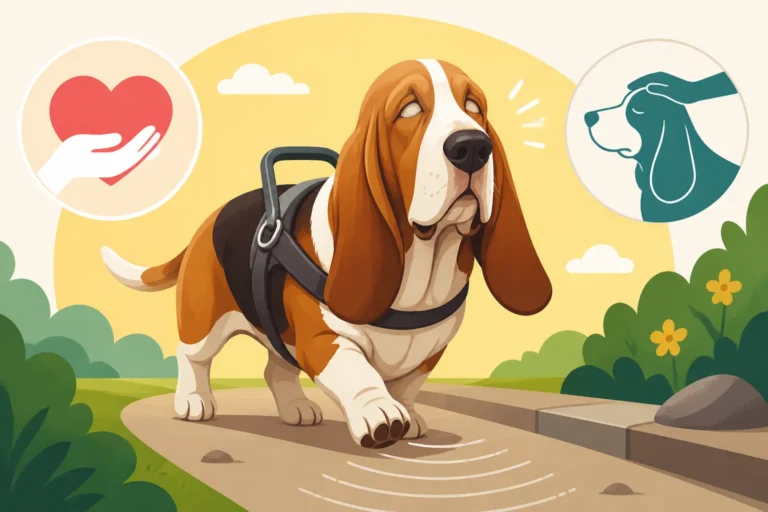
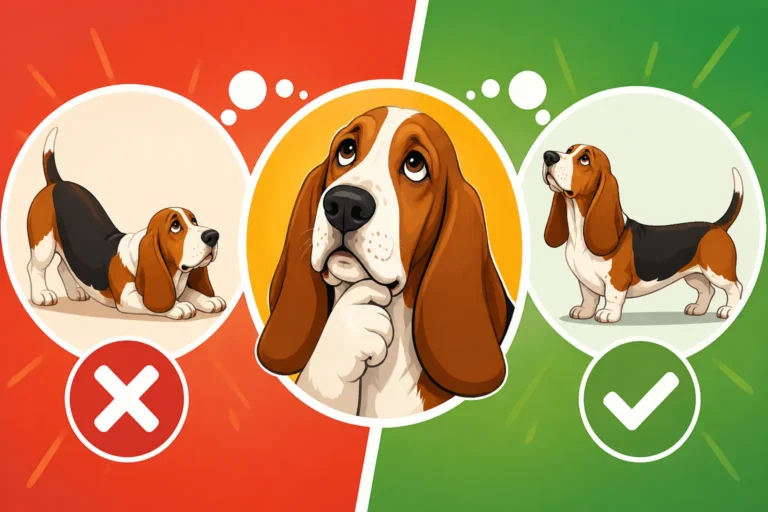
While Basset Hounds aren't typically high-energy dogs that need to run marathons, they still require regular, moderate exercise to maintain a healthy weight, muscle tone, and mental well-being. Daily walks are essential, allowing them to indulge their incredible sense of smell and explore their surroundings. However, it’s crucial to understand their physical limitations. Their unique structure means they are not built for vigorous jumping or excessive stair climbing, which can put strain on their delicate spines and joints.
Providing a safe environment that caters to their physical needs can also extend their lifespan. For instance, using ramps instead of letting them jump on and off furniture can prevent devastating back injuries. Whether a Basset Hound Should Use a Ramp is often a critical consideration for owners aiming to protect their dog’s long-term spinal health. Mental enrichment through scent games and puzzle toys is just as important as physical exercise. A mentally stimulated Basset is a happier, more engaged, and ultimately healthier dog, which contributes positively to their overall longevity.
Common Health Challenges That Can Impact Lifespan
Basset Hounds, while incredibly endearing, are prone to several health issues that can affect their quality of life and, in some cases, shorten their lifespan if not properly managed. Being aware of these challenges is the first step in prevention and proactive care.
Musculoskeletal and Spinal Issues
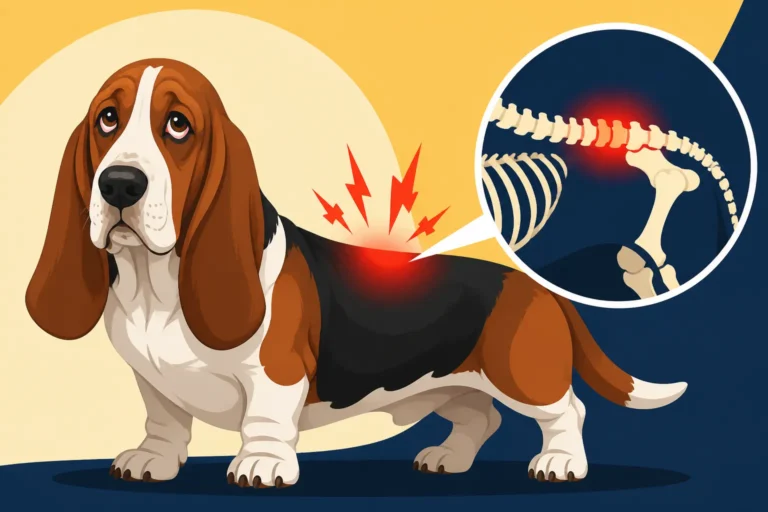
Perhaps one of the most well-known vulnerabilities of the Basset Hound is their musculoskeletal system. Their long backs and short, heavy-boned legs contribute to their distinctive look but also make them prone to conditions like Intervertebral Disc Disease (IVDD). This condition, where the discs between the vertebrae bulge or rupture, can cause immense pain, nerve damage, and even paralysis. It’s why The Back Trouble a Basset Hound Is Built Into is such a significant concern for owners. Managing IVDD often involves strict rest, medication, or in severe cases, costly surgery.
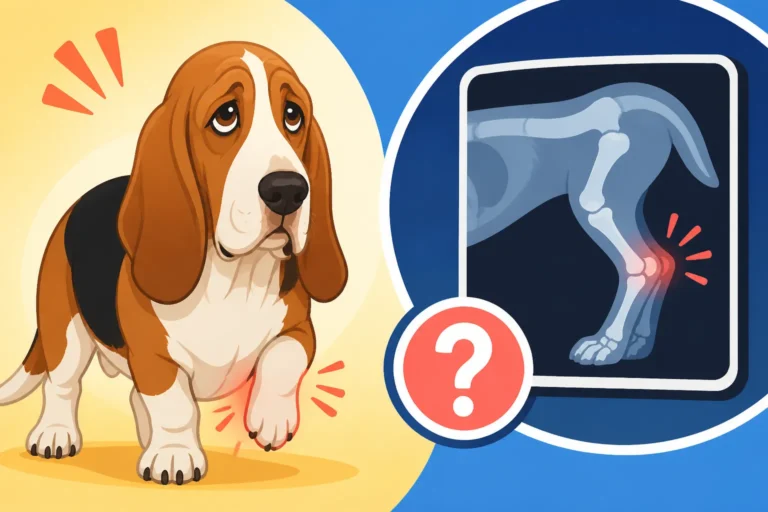
Beyond IVDD, Basset Hounds can also suffer from elbow and hip dysplasia, though it's less prevalent than in some other large breeds. Arthritis, particularly as they age, is a common reality for many Bassets due to the strain on their joints from their heavy bodies and unique leg structure. When you see The Old Basset Hound That Cannot Get Off the Floor, often arthritis or back pain is a significant contributor. Proactive measures, like weight control and avoiding high-impact activities, can delay the onset and severity of these conditions, helping to ensure comfort in their later years.
Ear and Eye Conditions
Their iconic long, droopy ears are beautiful but demand vigilance. Basset Hounds are highly susceptible to chronic ear infections, both bacterial and yeast, due to poor air circulation and moisture retention in their deep ear canals. These infections can be persistent, painful, and if left untreated, can lead to more severe issues and even affect their hearing or balance. The Ear Infections That Never Really Leave a Basset Hound is a stark reminder of the ongoing commitment required for their ear health. Regular cleaning and veterinary attention at the first sign of trouble are crucial.
Eye conditions are another area of concern. Basset Hounds can be predisposed to glaucoma, a painful condition that increases pressure within the eye and can lead to blindness if not treated promptly. It’s important to know The Glaucoma a Basset Hound Inherits so you can recognize the early signs and seek veterinary help immediately. Other potential eye issues include entropion and ectropion (inward or outward rolling eyelids, respectively), which can irritate the eyes and sometimes require surgical correction. Early detection and treatment of these conditions are vital for preserving their vision and comfort.
Digestive and Other Systemic Health Issues
Basset Hounds can also face a few life-threatening digestive issues. Gastric Dilatation-Volvulus (GDV), commonly known as bloat, is a severe, rapidly progressing condition where the stomach fills with gas and twists. This is a medical emergency that can be fatal within hours if not treated surgically. While the exact cause isn't fully understood, breed predisposition, rapid eating, and certain feeding practices are thought to contribute. Being aware of Whether a Basset Hound Gets Bloat and its symptoms is crucial for any owner.
Beyond these, Basset Hounds can be prone to other systemic issues, including hypothyroidism, which affects metabolism, and certain types of cancer, much like many other purebred dogs. Skin fold infections are also common due to their loose skin and wrinkles, particularly around the face and jowls. While not directly life-threatening, these can be incredibly uncomfortable and lead to secondary infections if not kept clean and dry. Regular veterinary screenings and proactive daily care are your best defense against these challenges.
Maximizing Your Basset Hound's Lifespan and Quality of Life
Knowing the potential challenges is only half the battle; the real victory lies in empowering yourself with actionable strategies to help your Basset Hound live a full, vibrant, and long life. It’s all about consistent, loving care that addresses their specific needs.
Implementing a Robust Preventative Healthcare Plan
A cornerstone of longevity for any Basset Hound is a consistent and comprehensive preventative healthcare plan. This goes beyond annual vaccinations. It involves regular veterinary check-ups, ideally twice a year as they enter their senior years, which typically begins around age seven for Bassets. These visits allow your vet to monitor their weight, conduct bloodwork to check organ function, perform dental exams, and screen for age-related conditions. Early detection of issues like kidney disease, liver problems, or thyroid imbalances can lead to more effective treatment and a better prognosis.
Don't underestimate the power of dental care. Basset Hounds, like many breeds, are prone to dental disease. Plaque and tartar buildup can lead to gum infections, tooth loss, and even impact heart and kidney health. Regular teeth brushing at home, combined with professional dental cleanings as recommended by your vet, can significantly improve their overall health and comfort. Also, discuss regular parasite control (fleas, ticks, heartworm) with your vet, as these can transmit serious diseases that impact lifespan.
Optimal Nutrition and Strict Weight Management
We've touched on it, but it bears repeating: weight management is critical. It’s not just about looking good; it’s about reducing strain on their joints, spine, and internal organs. Work with your veterinarian to determine the ideal weight for your Basset Hound and stick to a feeding plan. This often means carefully measuring out high-quality dog food twice a day and limiting treats. If your Basset is already overweight, your vet can help formulate a safe and effective weight loss program. Sometimes this involves a prescription diet, or simply a strict reduction in current food and increased, gentle exercise.
Choosing the right food is equally important. Look for reputable brands that provide balanced nutrition. Some Bassets might benefit from foods formulated for large breeds, which often contain joint-supporting ingredients. Others might thrive on sensitive stomach formulas. If you suspect your Basset has food sensitivities or allergies, consult your vet before making drastic dietary changes. The goal is consistent, appropriate nutrition that supports their unique physiology without leading to excess weight.
Tailored Exercise and Environmental Modifications
Exercise for a Basset Hound should be consistent but mindful of their physical build. Daily walks are excellent for both physical and mental stimulation, allowing them to use that incredible nose. However, avoid high-impact activities, excessive jumping, or long runs on hard surfaces that can stress their joints and spine. Instead, focus on moderate, consistent movement. Short, frequent walks are often better than one long, strenuous outing.
Consider modifications in your home to protect their joints and back. As mentioned, ramps are invaluable for helping them access furniture or vehicles without jumping. Investing in an orthopedic dog bed provides crucial support for their heavy bodies and can alleviate pressure on joints, especially as they age. Placing non-slip rugs on slippery floors can also prevent falls and injuries. These small changes can make a huge difference in preventing injuries that could impact their long-term mobility and comfort.
Pet Insurance and Financial Planning
The reality is that proactive care and managing potential health issues can be expensive. From chronic ear infections to potential back surgeries or glaucoma treatments, the costs can add up quickly. This is where financial planning, and considering pet insurance, becomes incredibly important. Many owners find peace of mind with a good pet insurance policy that can help cover unexpected veterinary bills. Companies like Healthy Paws offer comprehensive plans that can ease the financial burden if your Basset Hound faces a serious illness or injury.
While no one wants to think about the financial aspect of pet ownership, it’s a pragmatic step toward ensuring your Basset Hound receives the best possible care throughout its life. Knowing that you can afford necessary treatments, whether it’s a costly surgery for IVDD or ongoing medication for a chronic condition, allows you to make decisions based on your Basset's health rather than your wallet. Healthy Paws, for example, aims to cover a wide range of accidents and illnesses. Planning ahead means you can focus on your dog's well-being without added stress. What a Basset Hound Costs a Year to Keep truly varies, but insurance can help manage the bigger, unforeseen expenses.
Here's a quick overview of key factors and their impact:
| Factor | Positive Impact on Lifespan | Negative Impact on Lifespan |
|---|---|---|
| Genetics | Health-screened parents, diverse gene pool | Hereditary conditions, poor breeding practices |
| Diet & Weight | Balanced nutrition, ideal weight | Obesity, poor quality food, uncontrolled treats |
| Vet Care | Regular check-ups, early detection, vaccinations | Missed check-ups, untreated conditions |
| Exercise & Environment | Moderate exercise, ramps, orthopedic beds | High-impact activity, slippery floors, jumping |
| Preventative Care | Ear cleaning, dental care, parasite control | Chronic infections, dental disease, parasites |
| Financial Preparedness | Pet insurance (e.g., Healthy Paws), savings | Delayed/denied treatment due to cost |
Ultimately, while the average age a Basset Hound reaches is around 10 to 12 years, the dedicated care, love, and proactive choices you make as an owner have the profound ability to push those numbers higher and ensure every year is filled with comfort, health, and happiness. Your Basset Hound isn't just a pet; they're a cherished family member, and their well-being is a testament to the bond you share.
Disclaimer
The information provided in this article is for general informational purposes only and is not intended as a substitute for professional veterinary advice. Always consult with a qualified veterinarian regarding any medical concerns or before making any decisions about your pet's health or treatment.