What Twelve Years With a Basset Hound Comes To
Bringing a Basset Hound into your life is a joyful, slobbery, and wonderfully stubborn adventure. However, many prospective owners, myself included once upon a time, tend to focus heavily on the initial puppy price without truly grasping the long-term financial commitment. Basset Hounds, with their unique conformation and predispositions, often come with a specific set of needs that can add up significantly over their typical 10 to 12-year lifespan. This guide is here to shed light on what a full twelve years with one of these charming, floppy-eared companions truly entails, financially and otherwise.
The Initial Investment Beyond the Puppy Price Tag
When you first bring home a Basset Hound, it's easy to focus on the adorable puppy face and forget that the purchase price is just the very first step on a long and winding financial road. The true "initial investment" stretches far beyond that first check to the breeder, encompassing a range of costs that set the foundation for your hound's health and happiness.
The True Cost of Bringing Home a Quality Puppy
Finding a reputable breeder is paramount, and it’s where the first significant chunk of your money goes. A well-bred Basset Hound puppy from a responsible breeder isn’t cheap, and for good reason. These breeders invest heavily in health testing their parent dogs for genetic conditions common in the breed, such as elbow dysplasia and certain eye conditions. They provide excellent prenatal and postnatal care for the mother and puppies, including proper nutrition, early socialization, and initial veterinary checks. While a lower-priced puppy might seem appealing, it often comes from a breeder cutting corners, which can lead to heartbreaking and expensive health issues down the line. To truly understand the investment, it's worth exploring What a Basset Hound Puppy Costs From a Real Breeder. This upfront cost is an investment in your dog's future health and temperament, potentially saving you thousands in vet bills later.
Beyond the breeder's fee, there are immediate veterinary expenses. Most puppies will have had their first round of vaccinations and deworming by the time they come home, but you'll need to continue this schedule. Expect at least two more rounds of puppy shots, usually spaced a few weeks apart, followed by a rabies vaccination. Microchipping is also a crucial, one-time expense that offers peace of mind should your adventurous Basset ever follow its nose too far from home. A thorough initial vet check-up, even if the breeder has provided one, is always recommended to establish care with your chosen veterinarian and address any immediate concerns.
Essential Gear for a New Basset Hound
Outfitting your new Basset Hound with all the necessary supplies is another immediate cost. First on the list is a comfortable, appropriately sized crate. While Basset Hounds are fairly stout, they aren't necessarily huge, but they do need ample space to stand, turn around, and lie down comfortably. A crate is invaluable for house-training, providing a safe den, and managing their curiosity when you can't directly supervise. For specific sizing guidance, you might find information on What a Crate That Fits a Basset Hound Costs helpful. Think of it as their first little apartment within your home.
Next, a good quality bed is essential, especially given their proneness to joint issues. An orthopedic bed, even for a puppy, can provide excellent support and comfort from day one. You'll also need sturdy collars and leashes. Basset Hounds have incredibly powerful noses and often equally powerful pulling capabilities, so a good harness is often recommended to prevent neck strain and provide better control. Food and water bowls, preferably stainless steel or ceramic for hygiene, are basic necessities. Many Basset owners opt for elevated bowls to keep their long ears out of the food and water, which is a consideration that often isn't on a first-time owner's radar but becomes incredibly important very quickly. Don't forget an array of durable toys to keep them entertained and redirect chewing from your furniture, and a handful of tasty treats for all that positive reinforcement training you'll be doing. For more on beds, you can check out What a Bed That Suits a Basset Hound Costs.
The Ongoing Healthcare Journey: From Puppy to Senior
One of the most significant financial commitments over a Basset Hound's lifetime is undoubtedly their healthcare. These charming hounds, while generally robust, are prone to certain breed-specific ailments that require consistent and sometimes costly veterinary attention. Budgeting for their health isn't just about routine check-ups; it's about being prepared for the unexpected and the inevitable.
Routine Veterinary Care and Preventative Measures
Throughout your Basset Hound’s life, annual veterinary check-ups are non-negotiable. These visits typically include a physical examination, updating vaccinations (distemper, parvovirus, leptospirosis, kennel cough, etc., based on your region and lifestyle), and often a heartworm test. During these visits, your vet will also dispense or recommend monthly preventatives for heartworm, fleas, and ticks, which are vital for protecting your dog from common parasites. These preventative medications are a recurring expense that you’ll need to factor into your monthly budget for the entire lifespan of your Basset Hound, regardless of where you live. Even if your Basset isn't romping through tall grasses daily, a single flea infestation can quickly become a much larger, more expensive problem, let alone the devastating effects of heartworm disease.
As your Basset Hound ages, routine care often becomes more frequent and comprehensive. Senior Basset Hounds, typically starting around age seven or eight, may require semi-annual check-ups, more extensive blood work to monitor organ function, and potentially joint supplements. The focus shifts to proactive management of age-related changes, ensuring their comfort and detecting issues early. This heightened level of care can certainly increase the annual veterinary bill, but it's an investment in extending their comfortable, happy years.
Managing Common Basset Hound Ailments
This is where the unique Basset Hound conformation really translates into specific healthcare costs. Their long, pendulous ears, while adorable, are a notorious hotspot for infections. The Ear Infections That Never Really Leave a Basset Hound is a frustrating reality for many owners. The deep, moist ear canals create a perfect breeding ground for yeast and bacteria. You can expect to spend money on specialized ear cleaners, medicated ear drops, and frequent vet visits for deep cleaning and prescribing antibiotics or antifungals. Some Bassets suffer from chronic ear issues that require lifelong management, costing hundreds, if not thousands, over their lifetime. A simple ear infection can quickly escalate if not treated, leading to painful hematomas, hearing loss, or even costly surgery.
Their distinctive droopy eyes also bring a set of potential problems. The Glaucoma a Basset Hound Inherits is a serious concern, often presenting as red, painful eyes and requiring immediate veterinary intervention. Treatment can involve expensive daily eye drops, and in severe cases, surgery or even eye removal. Conditions like entropion (eyelids rolling inward) or ectropion (eyelids rolling outward) are also common and may require surgical correction to prevent irritation and infection. These eye issues can develop at any age and often require specialist veterinary care, adding to the expense.
Then there's their unique body shape: long backs and short, heavy legs. This build predisposes them to serious orthopedic and spinal problems, especially Intervertebral Disc Disease (IVDD). The Back Trouble a Basset Hound Is Built Into is not an exaggeration. A slipped or ruptured disc can lead to sudden paralysis, extreme pain, and requires emergency veterinary care, which often includes MRI scans, spinal surgery, and extensive rehabilitation. The costs for such an event can easily run into the thousands, often topping $5,000 to $10,000 or more for diagnostics, surgery, and post-operative physical therapy. Elbow dysplasia is another significant concern, leading to lameness and arthritis. While not always requiring surgery, it often necessitates lifelong pain management, joint supplements, and anti-inflammatory medications.
| Common Basset Hound Ailment | Typical Treatment | Estimated Lifetime Cost (USD) |
|---|---|---|
| Chronic Ear Infections | Cleaners, drops, vet visits, cultures | $500 – $3,000+ |
| Glaucoma | Daily eye drops, specialist visits, possible surgery | $1,000 – $5,000+ |
| IVDD / Back Problems | MRI, surgery, medication, rehab | $5,000 – $15,000+ |
| Elbow Dysplasia | Pain management, supplements, therapy, possible surgery | $1,000 – $6,000+ |
| Skin Fold Dermatitis | Medicated wipes, creams, antibiotics | $200 – $1,000+ |
| Dental Disease | Cleanings, extractions | $1,000 – $4,000+ |
This table provides a glimpse into the potential financial burdens associated with these common Basset Hound health issues. It's not to scare you, but to highlight the importance of being financially prepared.
The Lifeline of Pet Insurance
Given the propensity for Basset Hounds to develop costly health issues, pet insurance can truly be a lifeline. Many owners find themselves grappling with astronomical vet bills, and without insurance, they face agonizing decisions about their beloved pet's care. Pet insurance works by reimbursing you for a percentage of your veterinary expenses, after a deductible. While it's an added monthly premium, it can save you tens of thousands of dollars in the event of a major illness or accident. For a breed with such well-documented predispositions, researching and investing in a good policy early on is one of the smartest financial decisions you can make.
Providers like Healthy Paws offer comprehensive accident and illness plans that can cover everything from ear infections to complicated spinal surgeries, though it's crucial to understand what is covered, what isn't (pre-existing conditions are usually excluded), and what your deductible and reimbursement rates will be. Reading up on Insuring a Basset Hound Against Eyes, Ears and Backs will give you a clearer picture of how beneficial these policies can be specifically for this breed. The peace of mind alone, knowing you can provide the best care without financial ruin, is often worth the monthly premium. It's not a luxury; for a Basset Hound, it's often a necessity for responsible ownership.
Fueling the Basset Hound: Nutrition and Dietary Needs
A Basset Hound's love for food is legendary. They live to eat, and if left unsupervised, they would likely eat forever. This insatiable appetite means that feeding them properly, and often strategically, is a core part of their care and a significant ongoing expense over their long lifespan.
The Daily Cost of Quality Food
Choosing the right food for your Basset Hound is paramount for their health and also directly impacts your wallet. The market is flooded with options, from budget kibble to gourmet fresh diets. While it might be tempting to opt for the cheapest bag on the shelf, investing in a high-quality, balanced diet specifically formulated for their age, size, and activity level is crucial. Basset Hounds are prone to weight gain, which exacerbates joint problems and can lead to other serious health issues like diabetes. Therefore, managing their caloric intake and feeding them a nutritionally dense food without excessive fillers is key. For more insight, consider What Feeding a Basset Hound to the Right Weight Costs, as this often involves selecting specific types of food.
The cost difference between brands can be substantial. A large bag of premium kibble might last a month and cost anywhere from $60 to $100 or more. If you lean towards fresh food options, the price can increase significantly. For example, services like Ollie provide customized fresh meal plans that can offer excellent nutrition but come at a higher monthly cost, often $80-$150+ depending on the dog's size and activity. Many owners find a good balance by purchasing quality kibble from online retailers like Chewy, which offers a vast selection, competitive pricing, and the convenience of auto-shipments, ensuring you never run out. No matter your choice, expect this to be a consistent, unavoidable monthly expense for the entire twelve years.
Supplements and Special Diets
As Basset Hounds age, or if they develop specific health conditions, their dietary needs often evolve, leading to additional costs. Joint supplements are almost universally recommended for Basset Hounds due to their heavy bones and predisposition to orthopedic issues like elbow dysplasia and arthritis. Ingredients like glucosamine, chondroitin, and MSM can help support joint health and manage discomfort. Starting these supplements early, even before signs of joint pain emerge, can be a proactive measure to slow the progression of joint disease. Delving into Whether a Basset Hound Needs Joint Supplements can provide valuable information on when and why to consider these additions. These supplements, whether in chewable form or added to food, represent an extra monthly cost.
Beyond joint care, some Basset Hounds may require prescription diets. If your hound develops allergies, gastrointestinal sensitivities, kidney disease, or requires serious weight management, your veterinarian might prescribe a specialized food. These therapeutic diets are typically more expensive than regular commercial foods and can only be purchased through a vet or with a vet's authorization. For example, a prescription weight-loss food can be essential for a portly Basset, costing upwards of $90-$120 for a large bag. These specialized foods, while more expensive, are often critical for managing specific health conditions and preventing further complications, further emphasizing that food costs for a Basset Hound are not always straightforward.
Grooming, Comfort, and Essential Accessories
While Basset Hounds have short coats and might seem low-maintenance on the surface, their unique physical attributes—those long ears, wrinkled faces, and heavy bodies—require specific, consistent grooming and comfort items. Neglecting these areas can quickly lead to painful infections and costly vet visits.
The Unique Grooming Demands of a Basset Hound
The most well-known grooming challenge for a Basset Hound is undoubtedly their ears. Those magnificent, velvety ears are prone to infections, making a rigorous ear cleaning routine essential. You're signing up for The Twice Weekly Ear Ritual a Basset Hound Owner Signs Up For for good reason. Their long, heavy ears cover the ear canal, creating a warm, moist, and poorly ventilated environment where bacteria and yeast thrive. You'll need specialized ear cleaning solutions – often one for routine maintenance and another, stronger one if an infection flares up – along with plenty of cotton balls or pads. This isn't a quick wipe; it's a careful, thorough cleaning to remove wax and debris, and it needs to be done consistently, often two to three times a week, to prevent problems.
Beyond their ears, Basset Hounds have an abundance of loose skin and facial wrinkles. These folds, particularly around their muzzle and under their chin, can trap moisture, food debris, and dirt, leading to skin fold dermatitis, a painful bacterial or yeast infection. Regularly cleaning these folds with pet-safe wipes or a damp cloth, followed by thorough drying, is critical. For detailed advice, learning about Cleaning the Folds a Basset Hound's Face Is Made Of can provide practical steps to prevent these uncomfortable issues. Their short coat, while not requiring professional grooming, does shed year-round, so a good bristle brush or grooming mitt for weekly brushing is still necessary to minimize shedding and keep their coat healthy.
Regular nail trims are also non-negotiable. Basset Hounds' nails grow quickly, and if left untrimmed, they can cause pain, affect their gait, and even lead to splayed feet and further orthopedic issues. You'll need quality nail clippers or a grinder, and patience, as many Bassets aren't fond of this process. If you're uncomfortable doing it yourself, add the cost of professional nail trims at your vet or a local groomer to your budget, usually $15-$25 per visit, every 3-4 weeks.
Enhancing Their Quality of Life: Ramps, Beds, and More
Due to their long backs and short legs, Basset Hounds are particularly susceptible to spinal injuries from jumping on and off furniture or out of cars. Investing in ramps or steps early on is a wise preventative measure that can save you from devastating vet bills down the road. The Ramps, Beds and Gates a Basset Hound Needs aren't just for comfort; they're critical safety equipment. A sturdy ramp for the car helps them get in and out without stressing their spine, and steps to the sofa or bed can eliminate dangerous leaps. These items represent an initial purchase, but they offer long-term benefits for your dog's spinal health.
High-quality orthopedic beds are also essential, especially as your Basset Hound ages and their joints begin to feel the strain of their heavy bodies. A supportive bed helps alleviate pressure points, provides comfort, and can help manage arthritis. Consider purchasing several: one for their crate, one for a favorite napping spot in the living room, and perhaps one for your bedroom. These aren't cheap, often ranging from $70 to $200+, but they are a crucial investment in their long-term comfort and mobility.
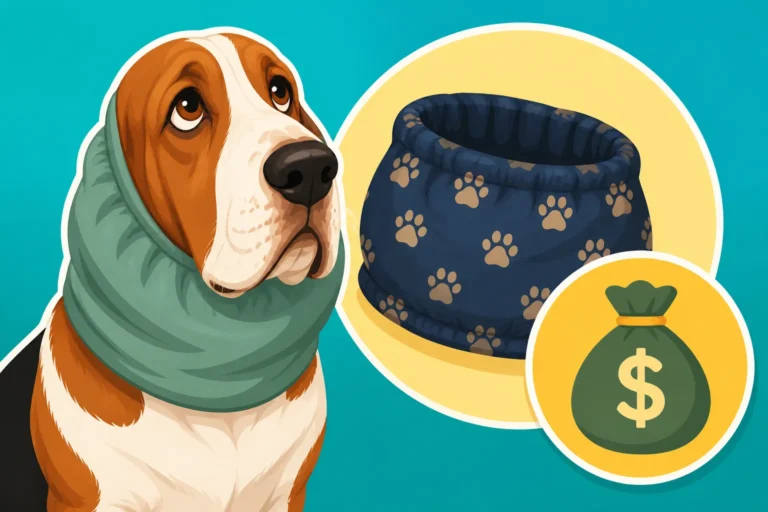
Finally, while often overlooked, a simple accessory like a snood can make a world of difference. Basset Hounds' long ears have a tendency to drag through their food and water bowls, becoming wet, dirty, and a magnet for bacteria. A snood, which is essentially a fabric tube that holds their ears back, can protect them during mealtimes. You might be surprised to learn Whether a Basset Hound Needs a Snood at Dinner, but many owners swear by them for keeping ears clean and dry, thereby reducing the risk of infection. These seemingly small purchases contribute to their overall well-being and can help mitigate more significant expenses related to ear care.
Training, Enrichment, and Unexpected Situations
A Basset Hound's intelligence is often overshadowed by their profound stubbornness and single-minded devotion to scent. This means that while they are capable of learning, training requires patience, consistency, and a deep understanding of what truly motivates them. Beyond structured training, providing mental enrichment and being prepared for the unpredictable are also significant financial considerations.
The Investment in Training and Socialization
Many Basset Hound owners quickly discover that their hound's primary motivation isn't always pleasing their human; it's often their nose. This means traditional obedience training can be a unique challenge. Investing in puppy classes and basic obedience courses is crucial for proper socialization and to teach foundational commands. These classes typically run from $150 to $300 for a multi-week session. For specific insights into these initial investments, you might want to look into What Training Classes Cost a Basset Hound Owner. While Bassets might not be agility champions, positive reinforcement methods, especially those utilizing high-value treats, can be very effective.
Beyond basic obedience, consider activities that tap into their natural instincts. Basset Hounds excel at scent work, tracking, and nose work games. These activities provide immense mental stimulation, which is just as important as physical exercise for a Basset. Classes for these specialized activities can cost similar amounts to obedience classes, but they are an excellent way to bond with your dog and burn off mental energy, making them happier and better-behaved companions at home. Remember, a bored Basset is often a destructive Basset. Professional training, especially for specific behavioral issues, can be considerably more expensive, ranging from several hundred to thousands for private sessions or board-and-train programs.
Day-to-Day Expenses and "Oops" Moments
Aside from structured training, the day-to-day life with a Basset Hound involves a host of smaller, but cumulatively significant, expenses. Toys are a recurring cost, as even the most durable toys eventually succumb to their strong jaws and determined play. Puzzle toys and enrichment feeders are excellent for mental stimulation and slow down their eating, but they also need to be replenished or replaced periodically. Treats, vital for training and rewarding good behavior, are another continuous purchase. Many Basset owners, especially those working full-time, might also incur costs for dog walkers ($20-$30 per walk) or doggy daycare ($30-$50 per day) to ensure their hound gets adequate exercise, socialization, and doesn't suffer from separation anxiety.
Then there are the "oops" moments – the unexpected events that every pet owner faces. A Basset Hound, following its nose, might ingest something it shouldn't, leading to an emergency vet visit, X-rays, or even surgery to remove a foreign object. They might get into a tussle at the dog park, resulting in a wound that needs stitches. Or they might simply slip and injure themselves in a way that requires immediate medical attention. These unforeseen emergencies, which are almost guaranteed to happen at least once over a twelve-year span, can quickly add hundreds or thousands to your expenses, further underscoring the value of pet insurance discussed earlier.
The Golden Years: Special Considerations for Senior Basset Hounds
The final years with your Basset Hound, typically from around age seven or eight onwards, are precious. While they may slow down, their need for comfort, specialized care, and your unwavering companionship only grows. This stage of life often brings increased expenses as you adapt to their changing needs and prioritize their quality of life.
Adapting the Home and Routine for Aging Hounds
As your Basset Hound enters its senior years, you'll likely notice changes in their mobility, energy levels, and overall health. Their predisposition to joint and back issues often becomes more pronounced, making movement more challenging. This means adapting your home environment to support them. Replacing hard floors with rugs or non-slip mats can prevent falls. Their orthopedic beds become even more crucial, providing maximum support for aching joints. You might even consider purchasing an extra-large orthopedic bed or a memory foam topper for their favorite sleeping spot. For those struggling to get up, investigating helpful tools for The Old Basset Hound That Cannot Get Off the Floor can make a huge difference in their daily comfort and independence.
Mobility aids like slings or support harnesses can be invaluable for helping them up and down stairs, into cars, or simply giving them a boost when they struggle to stand. These items can range from $30 for a simple sling to several hundred for a full-body support harness or even a custom cart if they experience severe hindquarter weakness or paralysis. Regular veterinary check-ups will increase in frequency, often twice a year, to monitor for common senior ailments like arthritis, dental disease, cognitive dysfunction, and organ decline. These visits often include blood work, urine analysis, and discussions about pain management, all of which add to the annual vet bill.
End-of-Life Care and Dignity
While a difficult topic to consider, planning for end-of-life care is an important part of responsible pet ownership. As your Basset Hound reaches its twilight years, you may face decisions regarding palliative care to manage chronic pain or serious illnesses. This can involve ongoing medications, specialized diets, and potentially alternative therapies like acupuncture or hydrotherapy, each carrying its own cost. The goal is to ensure their comfort and maintain their quality of life for as long as possible.
Eventually, you will likely face the heart-wrenching decision of euthanasia. This compassionate choice, made when their quality of life has significantly diminished, still carries a financial cost, typically ranging from $150 to $400, depending on whether it's done at the clinic or at home. Following this, you'll need to consider aftercare options, such as communal or private cremation, or burial. Cremation services can range from $100 to $500+, depending on the weight of your dog and whether you choose to receive their ashes back in an urn. While these are painful expenses, providing your beloved Basset Hound with a peaceful and dignified end is a final act of love, and budgeting for it, however difficult, is part of the journey.
What Twelve Years with a Basset Hound Truly Costs
Let's put some numbers together, understanding that these are broad estimates and individual circumstances will vary wildly based on health, lifestyle, and location.
| Category | Initial Costs (Puppy) | Annual Costs (Adult) | Lifetime Costs (12 Years) | Notes |
|---|---|---|---|---|
| Purchase/Adoption | $1,500 – $3,000 | N/A | $1,500 – $3,000 | From reputable breeder; includes initial vet, microchip. Adoption might be lower. |
| Initial Supplies | $300 – $800 | $50 – $150 | $600 – $1,800 | Crate, bed, bowls, collar, leash, toys, grooming tools. Recurring for replacements. |
| Food & Treats | $500 – $800 | $700 – $1,200 | $8,400 – $14,400 | High-quality kibble, wet food, fresh food, or prescription diets. |
| Routine Vet Care | $400 – $600 | $300 – $800 | $3,600 – $9,600 | Exams, vaccinations, deworming, parasite prevention. Higher for seniors. |
| Pet Insurance | N/A | $600 – $1,200 | $7,200 – $14,400 | Monthly premiums. Essential for a Basset Hound. |
| Grooming | $100 – $200 | $150 – $300 | $1,800 – $3,600 | Ear cleaners, wipes, shampoo, nail trims. |
| Training/Enrichment | $200 – $500 | $50 – $200 | $800 – $2,900 | Puppy classes, scent work, puzzle toys. |
| Contingency/Emergency | N/A | $500 – $1,500 | $6,000 – $18,000 | Unforeseen accidents, illnesses (even with insurance, deductibles/copays apply), large surgeries. |
| Senior Care | N/A | $200 – $500 (extra) | $1,000 – $2,500 | Increased vet visits, mobility aids, specialized diets (applies to later years). |
| End-of-Life Care | N/A | N/A | $200 – $700 | Euthanasia, cremation/burial. |
| TOTAL ESTIMATED LIFETIME | N/A | N/A | $31,100 – $71,500+ | This does not include potential major surgeries (e.g., IVDD $5k-$15k per incident if not fully covered by insurance). |
As you can see, the financial commitment for a Basset Hound over their lifespan can be substantial. It's not just about the cute puppy face; it's about making a long-term commitment to their health, happiness, and unique needs.
Disclaimer
The information provided in this article is for general informational purposes only and does not constitute professional veterinary or financial advice. Always consult with a qualified veterinarian for any health concerns or before making any decisions about your pet's care. Financial estimates are approximations and can vary widely based on location, individual pet needs, and market fluctuations.