Whether a Lemon and White Basset Hound Costs More
It’s a truly captivating sight to see a Basset Hound, and when you spot one with those striking lemon and white markings, it’s only natural to wonder if such a unique color commands a higher price tag. Many prospective owners get caught up in the allure of specific coat patterns, leading to questions about whether these rarer variations significantly impact the cost of bringing one of these beloved hounds home. This guide will delve into the nuances of Basset Hound pricing, exploring what truly influences the cost and if that lovely lemon and white hue is really a premium feature.
The Allure of Specific Basset Hound Colors
Basset Hounds are known for their distinctive looks, and their coats come in a surprising array of colors. While the classic tricolor (black, white, and tan) or red and white might be what first comes to mind, there's a whole palette out there, and some shades really capture people's imaginations. It's perfectly normal to be drawn to a particular aesthetic, especially when it's a bit less common.
The Spectrum of Basset Hound Colors
When you start looking at Basset Hounds, you'll quickly realize they aren't just all black and white. Beyond the widely recognized tricolor and red and white, you might find black and white, tan and white, mahogany and white, or even blue and white, although some of these are rarer and can come with their own set of considerations. Each color combination brings a unique charm to the breed, and breeders often work to maintain these diverse appearances within their lines. It’s part of the rich tapestry that makes Basset Hounds such a visually appealing breed. Understanding the range of colors helps put the "rarity" of any one color, like lemon and white, into perspective.
Why Lemon and White Stands Out
Lemon and white Basset Hounds possess a soft, elegant appearance that can be quite enchanting. The "lemon" isn't a bright yellow, but rather a very pale tan or fawn that, when paired with crisp white, gives a light and airy impression. This color tends to stand out because it's less frequently seen than the darker tricolors or even the solid red and white. Because it’s less common, many people assume it must be more expensive. It's human nature to associate rarity with higher value, and the striking yet subtle beauty of a lemon and white coat certainly makes an impression. This perceived rarity often leads to inquiries about its impact on the purchase price.
Factors Influencing Basset Hound Puppy Prices
When you’re looking to add a Basset Hound to your family, the price of a puppy isn't a flat rate. There are so many variables that go into what a breeder charges, and honestly, the color of the coat often plays a much smaller role than you might expect, especially from truly ethical and reputable sources. It’s a common misconception that specific coat colors automatically equate to higher prices.
Breeder Reputation and Experience
One of the biggest factors in a Basset Hound puppy's price, regardless of color, is the reputation and experience of the breeder. A breeder who has dedicated years to the breed, actively participates in showing, field trials, or obedience, and whose dogs have proven health and temperament, will naturally charge more. They invest significant time, knowledge, and resources into their breeding program. This isn't just about pedigree; it’s about the ethical responsibilities they uphold, ensuring the well-being of the parent dogs and the health of the puppies.
These experienced breeders are typically registered with organizations like the American Kennel Club (AKC) and adhere to strict guidelines. They’re often very open about their practices, inviting potential owners to visit their facilities and meet the parent dogs. They also provide comprehensive support and advice, which can be invaluable for new owners. The higher price from such a breeder reflects the quality of their program and the support you receive long after you take your puppy home.
Health Testing and Pedigree
Another crucial aspect dictating price is the health testing performed on the parent dogs. Basset Hounds, like many purebreds, can be predisposed to certain genetic health issues such as The Glaucoma a Basset Hound Inherits, Elbow Dysplasia in a Basset Hound, and Thrombopathia and the Basset Hound That Will Not Clot. Reputable breeders will rigorously screen their breeding stock for these conditions, which involves veterinary consultations, specialized tests, and certifications from organizations like the Orthopedic Foundation for Animals (OFA) or the Canine Eye Registration Foundation (CERF). These tests are not cheap, and their cost is factored into the puppy price.
A detailed pedigree, showing multiple generations of healthy, well-tempered dogs, also adds value. This isn't just about bragging rights; it's about providing a level of predictability regarding the puppy's health, temperament, and conformity to breed standards. A puppy from a line where extensive health testing has been performed and documented offers a much higher assurance of a healthy start, which can save you a lot of heartache and expense down the road. You might want to ask Whether a Basset Hound Breeder Screens for Glaucoma or Whether a Basset Hound Breeder Tests for Thrombopathia when you speak with them.
Location and Demand
The geographic location of the breeder can also influence the price of a Basset Hound puppy. In areas with a higher cost of living or where specific breeds are particularly popular, prices tend to be higher. For instance, a breeder in a major metropolitan area might have higher overheads for their facilities and veterinary care compared to one in a rural setting. Similarly, if there's high demand for Basset Hounds in a particular region, prices might be driven up.
However, the demand for a specific color, like lemon and white, typically doesn't create a significant pricing premium from a responsible breeder. While a few unscrupulous backyard breeders might try to capitalize on the perceived "rarity" of a color, a reputable breeder prioritizes health, temperament, and breed standards over coat color fads. They understand that a healthy, well-adjusted puppy, regardless of its exact hue, is what truly matters. Instead, demand generally relates to the overall popularity of the breed in that area, and the availability of responsible breeders.
Understanding Reputable Breeder Costs
It’s easy to look at a puppy price tag and feel a jolt, especially when you compare it to a lower-priced puppy you might see online from an unknown source. But the price from a reputable Basset Hound breeder isn't arbitrary; it reflects a deep commitment to the breed and significant financial investment. When we talk about whether a lemon and white Basset Hound costs more, it's important to understand this foundation first.
The Investment in Quality Breeding
A truly dedicated breeder invests a tremendous amount in their dogs long before any puppies are even conceived. This includes everything from the initial purchase of high-quality breeding stock – often champions or dogs with proven working lines – to their ongoing care. Think about the costs of premium dog food, regular veterinary check-ups, vaccinations, and parasite prevention for the adult dogs. Then there are the specialized health screenings mentioned earlier, like those for eyes and elbows, which can run into hundreds or even thousands of dollars per dog. These aren't just one-off expenses; they are continuous investments in maintaining a healthy, vibrant breeding program.
Beyond the physical health, a good breeder also invests in the dogs' mental well-being and socialization. They participate in dog shows, training classes, or field events, demonstrating their dogs' adherence to breed standards and good temperaments. All these activities require time, travel, entry fees, and professional training expenses. When puppies arrive, the costs escalate: specialized nutrition for the pregnant mother, potential C-sections (Basset Hounds can sometimes need assistance), round-the-clock care for the newborns, early veterinary checks, vaccinations, microchipping, and deworming for the entire litter. This intensive care ensures that each puppy has the best possible start in life, and these substantial investments are naturally reflected in the price.
What a Higher Price Covers
When a Basset Hound puppy is priced higher by a reputable breeder, you're not just paying for the animal itself; you're paying for peace of mind and ethical breeding practices. This higher cost covers:
- Health Guarantees: Reputable breeders often provide a written health guarantee, protecting you against certain genetic conditions for a specified period. This means they stand behind the health of their puppies.
- Lifetime Support: Many breeders offer ongoing support, answering questions about training, behavior, and health for the life of your Basset Hound. They become a valuable resource and mentor.
- Proper Socialization: Puppies from good breeders are raised in a stimulating home environment, exposed to various sights, sounds, and people, which is crucial for developing a well-adjusted dog.
- Initial Veterinary Care: Puppies come with their first vaccinations, deworming, and a clean bill of health from a veterinarian, saving you initial vet costs.
- Pedigree and Registration: The puppy will likely come with AKC registration papers and a documented pedigree, ensuring its purebred status.
When you factor in all these elements, the difference in price between a "bargain" puppy and one from a reputable breeder becomes understandable. It’s an investment in a healthy, happy companion that comes with a strong support system. This table illustrates some of the key differences:
| Feature | Reputable Breeder | Backyard Breeder/Pet Store |
|---|---|---|
| Health Testing Parents | Extensive, documented (OFA, CERF) | Little to none, often anecdotal |
| Health Guarantee | Written, specific, often 1-2 years | Vague or non-existent |
| Socialization | Home-raised, exposed to stimuli | Often kennel-raised, limited exposure |
| Veterinary Care | Age-appropriate vaccines, deworming, vet check | Minimal, sometimes questionable |
| Support | Lifetime guidance, responsive | Limited or non-existent after sale |
| Price Range | Higher (e.g., $1,500 – $3,500+) | Lower (e.g., $500 – $1,500) |
| Focus | Health, temperament, breed improvement | Profit, quick sales |
When it comes to a specific color like lemon and white, a reputable breeder might occasionally charge a slight premium if that particular color required a specific breeding decision or if there's genuinely higher demand within their existing, ethical breeding lines. However, it's rarely a significant differentiator compared to the core costs of responsible breeding. The quality of the dog, not just its coat color, is paramount.
Beyond the Initial Purchase Price: Ongoing Costs
Many first-time dog owners get so focused on the initial puppy price that they completely overlook the significant ongoing costs of pet ownership. This is especially true for a breed like the Basset Hound, which has some specific needs that can add up over their 10 to 12 year lifespan. Thinking only about whether a lemon and white Basset Hound costs more initially is missing the bigger financial picture entirely.
Lifetime Costs: A Bigger Picture
A Basset Hound isn't a one-time purchase; it's a commitment for over a decade. The initial cost of the puppy, whether it’s lemon and white or tricolor, is just the tip of the iceberg. You’ll need to budget for food, veterinary care, grooming supplies, toys, training, and potential emergency expenses. For example, a quality dog food can cost anywhere from $50-$100 per month, depending on the brand and your dog's size and activity level. Over ten years, that's easily $6,000 to $12,000 on food alone. Companies like Ollie offer fresh food options, which can be even more expensive but provide excellent nutrition.
Then there are routine vet visits, vaccinations, parasite prevention, and unexpected illnesses or injuries. Even a healthy Basset Hound will rack up thousands in vet bills over its lifetime. And because Basset Hounds are prone to certain health issues, like The Back Trouble a Basset Hound Is Built Into or The Ear Infections That Never Really Leave a Basset Hound, these costs can escalate. Many owners opt for pet insurance, from providers like Healthy Paws, to help manage these unpredictable expenses. While an added monthly cost, it can save you thousands in the event of a major medical issue.
The True Cost of Care
Let's break down the typical annual expenses for a Basset Hound. This isn't just theory; it's the reality many owners face.
- Food: As mentioned, quality kibble or fresh food costs can be significant. If your Basset has specific dietary needs, such as a prescription diet for allergies or weight management, this can push costs higher.
- Veterinary Care: Annual check-ups, vaccinations (distemper, rabies, leptospirosis, kennel cough), and flea/tick/heartworm prevention are essential. This usually runs $300-$700 annually for a healthy adult. Don't forget that A Basset Hound Needs a Yearly Eye Pressure Check as they get older, which is another routine cost.
- Grooming: While their short coat doesn't need professional trimming, Basset Hounds do require regular ear cleaning (which can be a daily or weekly ritual, see The Twice Weekly Ear Ritual a Basset Hound Owner Signs Up For), nail trims, and occasional baths. Supplies like ear cleaner and shampoo can add up. Many owners also consider What a Snood for a Basset Hound Costs to keep those long ears out of food and water. You can find many of these supplies, and even specialized slow-feeder bowls for a Basset Hound that bolts its food, on Chewy.
- Training & Enrichment: Puppy classes, obedience training, and toys are important for a well-adjusted dog. Even if you do most of the training yourself, puzzles, chew toys, and treats are ongoing expenses.
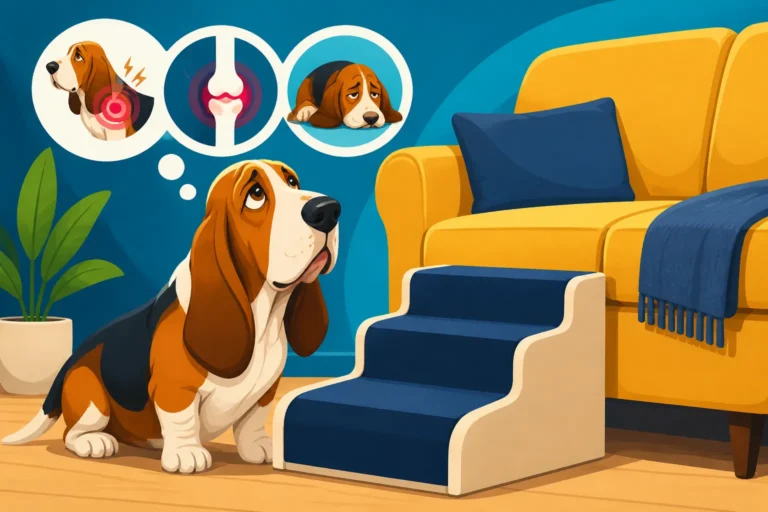
- Miscellaneous: Beds (preferably orthopedic ones to protect their joints, see What an Orthopedic Bed Costs for a Basset Hound), collars, leashes, harnesses, and crates are necessary purchases. You might also want to invest in ramps or steps for furniture or cars to protect their backs.
It’s easy to see that the ongoing cost far outweighs the initial price, regardless of your Basset's coat color. Focusing on the long-term commitment and ensuring you can provide for all your Basset Hound's needs is far more critical than an initial color premium. When asking What a Basset Hound Costs a Year to Keep, the answer is usually much higher than people expect.
Finding a Lemon and White Basset Hound
If your heart is set on a lemon and white Basset Hound, that's completely understandable! They are undeniably charming. However, the search for a specific color should always be secondary to finding a healthy, well-socialized puppy from a responsible breeder. Prioritizing color over health and ethics can lead to heartbreak and significant financial strain down the road.
Researching Breeders for Specific Colors
When you begin your search for a lemon and white Basset Hound, start by looking for reputable breeders who prioritize health, temperament, and adherence to the breed standard, not just color. Many excellent breeders will have puppies in a variety of colors, and a lemon and white may be among them simply due to genetics. Don't be swayed by breeders who specifically advertise "rare" or "designer" Basset Hounds at exorbitant prices based solely on color. That's usually a red flag.
A good starting point is the Basset Hound Club of America or local breed clubs. These organizations often have breeder directories or referral services. When you contact breeders, express your interest in the breed first and then mention your preference for a lemon and white puppy. Ask about their breeding practices, health testing, and how they socialize their puppies. Be prepared to wait, as reputable breeders often have waiting lists, and they may not have lemon and white puppies in every litter. A patient approach ensures you're getting a quality dog, not just a specific color. Remember, Whether a Basset Hound Breeder Picks the Puppy is often part of their process to match the right pup to the right family.
Considering Rescue and Adoption
While finding a specific color like lemon and white in a rescue organization might take a bit more patience, it's absolutely worth considering! Many Basset Hounds end up in rescue through no fault of their own, often due to changes in their owner's circumstances, not because of behavioral or health issues. You might be surprised to find a beautiful lemon and white Basset Hound waiting for a loving home.
Adopting from a rescue group not only gives a deserving dog a second chance but also often comes with the benefit of the dog being spayed/neutered, up-to-date on vaccinations, and even microchipped. Rescue organizations typically conduct thorough health checks and often have foster homes where they get to know the dog's personality and any specific needs, which can be incredibly helpful for matching you with the right companion. The adoption fees are also significantly lower than purchasing from a breeder, usually covering some of their vetting costs. You can learn more about What a Basset Hound Rescue Charges in Adoption Fees or even Fostering a Basset Hound to help out. While you might not get a puppy, a mature Basset Hound often comes with the advantage of already being house-trained and past the most rambunctious puppy phases.
Conclusion: Color is Not the Primary Driver of Cost
Ultimately, while a lemon and white Basset Hound is undeniably beautiful and might feel like a rare gem, the color itself is generally not the primary driver of a higher cost from a truly responsible breeder. Any slight premium for a specific color is dwarfed by the expenses associated with ethical breeding practices, comprehensive health testing, and dedicated puppy care. The true cost of a Basset Hound, whether lemon and white or any other color, lies in the long-term commitment to its health, well-being, and happiness over its entire lifetime. Focus on finding a reputable breeder or rescue organization that prioritizes the welfare of their dogs, and you'll bring home a wonderful companion, regardless of its coat hue.
Disclaimer
This article is for general informational purposes only and does not constitute professional advice. Laws, prices and regulations vary by location and change over time. Consult a qualified professional for guidance on your specific situation.