What Ear Canal Surgery Costs on a Basset Hound
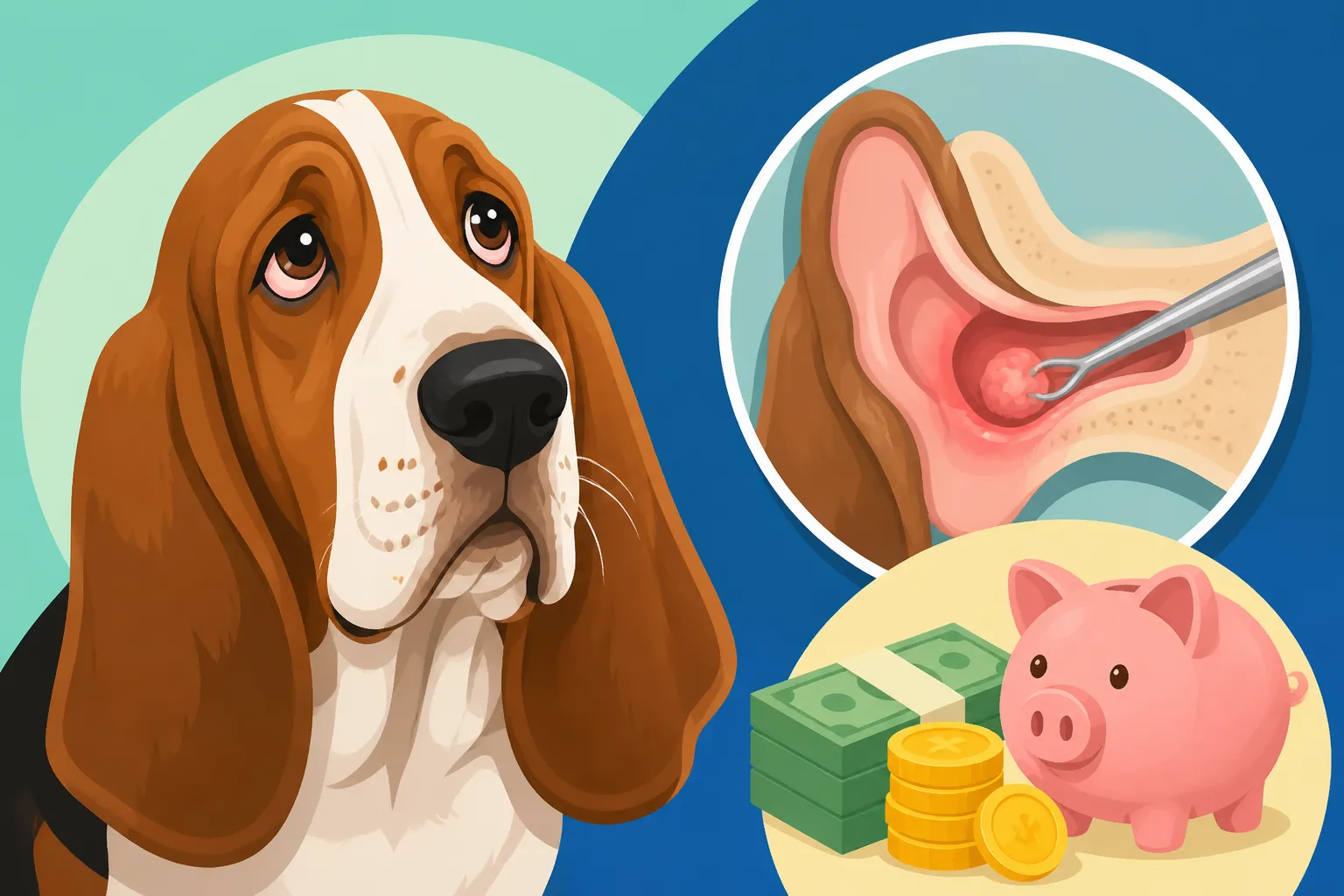
It's heartbreaking to watch your beloved Basset Hound suffer through chronic ear infections, especially when it feels like you've tried everything under the sun. The constant head shaking, the scratching, the painful whimpers, and the seemingly endless vet visits for flushes and medications can be utterly draining, both emotionally and financially. When all other avenues have been exhausted, and your vet suggests ear canal surgery, the first thought that often pops into your head, after the initial shock, is: "What is this going to cost me?" This comprehensive guide is here to shed light on the financial aspects of ear canal surgery for Basset Hounds, helping you understand the various components that contribute to the overall bill so you can make informed decisions for your floppy-eared companion.
Why Ear Canal Surgery Becomes Necessary for a Basset Hound
For many Basset Hound owners, the journey to ear canal surgery is a long and frustrating one, paved with countless attempts to manage recurring infections. It's not a decision taken lightly, but often, it becomes the only viable path to truly alleviate a dog's chronic pain and improve their quality of life.
The Vicious Cycle of Chronic Ear Infections
Basset Hounds are, unfortunately, predisposed to ear trouble. Their long, heavy ears, combined with narrow, L-shaped ear canals, create a warm, moist, and poorly ventilated environment that is just perfect for bacteria and yeast to thrive. It feels like a never-ending battle, doesn't it? You clean, you medicate, things get better for a bit, and then bam – another infection flares up. The Ear Infections That Never Really Leave a Basset Hound can become calcified and incredibly painful, severely impacting your Basset's hearing and overall happiness.
Think about it: imagine having a persistent, throbbing ache deep inside your ear, day in and day out. That's often what our Bassets experience. Over time, these chronic infections lead to irreversible changes within the ear canal. The lining of the canal thickens, scar tissue forms, and in severe cases, the cartilage can even calcify, effectively closing off the canal and making it impossible for air to circulate or medications to penetrate. At this point, topical treatments become almost useless, and the dog is in constant discomfort. It's a cruel reality that sometimes, despite our best efforts, the very anatomy that makes our Bassets so charming also sets them up for significant health challenges. Whether Long Ears Are Why a Basset Hound's Ears Infect is a question many owners ponder, and unfortunately, the answer often points to their unique structure.
When Medical Management Is No Longer Enough
There comes a point when the effectiveness of medical management dwindles. You might notice your Basset shaking their head more frequently, rubbing their ears raw on the furniture, or crying out when you try to touch their head. They might become withdrawn or even show aggression due to pain. These are critical signs that surgery might be the next step.
When a veterinarian suggests ear canal surgery, often referred to as a Total Ear Canal Ablation (TECA) with Bulla Osteotomy (TBO), it means they've likely exhausted all other conservative treatments. This isn't just about clearing an infection; it's about removing the diseased ear canal entirely to eliminate the source of chronic pain and recurrent issues. It’s a drastic step, yes, but for many Basset Hounds suffering from severe, end-stage ear disease, it offers a permanent solution and a genuine improvement in their quality of life. The impact on their hearing can be significant, as the ear canal is removed, but for a dog living in constant pain, the relief often outweighs the loss of function. It's about restoring comfort and peace to your loyal companion. You might also want to understand Whether a Basset Hound's Ear Canal Closes Up as this is a key indicator for needing such a surgery.
Understanding the Components of Ear Canal Surgery Costs
Ear canal surgery, particularly a TECA, is a complex procedure. It involves more than just the surgical cut; there's a whole cascade of diagnostic tests, anesthesia, post-operative care, and medications that all contribute to the final bill. Understanding these components can help you prepare financially.
Pre-Surgical Diagnostics and Consultations
Before any surgeon takes a scalpel to your beloved Basset, a thorough diagnostic work-up is absolutely essential. This phase alone can represent a significant portion of the total cost, but it's crucial for ensuring the best possible outcome.
- Veterinary Consultations and Exams: You'll likely have several appointments leading up to the decision for surgery. These include general vet visits, specialist consultations with a veterinary dermatologist or surgeon, and re-check exams to monitor progress on medical treatments. Each consultation has its own fee.
- Blood Work: Comprehensive blood panels are mandatory to assess your Basset's overall health and ensure they are a good candidate for anesthesia. This includes a complete blood count (CBC) and a chemistry panel to check organ function.
- Advanced Imaging (X-rays, CT Scans): These are vital for determining the extent of the disease in the ear canal and middle ear. X-rays can show calcification or bone changes, but a CT scan provides much more detailed, three-dimensional images. This allows the surgeon to visualize the entire ear canal, the bulla (the bony cavity containing the middle ear), and surrounding structures, which is critical for planning the surgery and anticipating any complications. CT scans can be quite expensive, but they significantly reduce the risk of surprises during surgery.
- Ear Cytology and Culture: Even if medical management has failed, your vet will want to know exactly what kind of bacteria or yeast they're dealing with, as this information can guide antibiotic choices during and after surgery.
This diagnostic stage is not just about identifying the problem; it's about assessing the patient's readiness for such an invasive procedure. Skipping these steps to save money upfront can lead to far greater complications and costs down the line.
The Surgical Procedure Itself
The core of the expense is, of course, the surgery itself. A Total Ear Canal Ablation (TECA) with Bulla Osteotomy (TBO) is a delicate and time-consuming operation, requiring a highly skilled veterinary surgeon, often a board-certified specialist.
- Anesthesia and Monitoring: Your Basset will be under general anesthesia for several hours. This includes the cost of anesthetic drugs, the time of the veterinary anesthetist (or dedicated technician), and advanced monitoring equipment (ECG, blood pressure, oxygen saturation, temperature). Anesthesia for a Basset Hound, with their brachiocephalic tendencies and potential for other health issues like What Extra Weight Does to a Basset Hound, requires careful management.
- Surgical Fees: This is the primary cost, covering the surgeon's time and expertise. Given the intricate anatomy and the need to meticulously remove all diseased tissue while preserving facial nerves, this fee is substantial. The procedure involves removing the entire ear canal and scraping out infected tissue from the middle ear.
- Facility and Equipment Fees: This covers the use of the surgical suite, specialized instruments, sterile drapes, and other consumables used during the operation.
- Hospital Stay: Post-surgery, your Basset will need to stay at the veterinary hospital for pain management, wound care, and close monitoring, typically for a day or two. This includes nursing care, kennel fees, and any intravenous fluids.
The complexity of the surgery, combined with the specialized equipment and staff required, means that the costs associated with the procedure itself can range widely. It's often the biggest chunk of the entire bill. If you're curious about a ballpark figure, you might find specific numbers in resources discussing What a Total Ear Canal Ablation Costs on a Basset Hound.
Post-Operative Care and Medication
The journey doesn't end when your Basset comes home. Post-operative care is critical for a smooth recovery and to prevent complications. This phase also adds to the overall cost.
- Pain Management: Your Basset will be sent home with pain medication to ensure they remain comfortable during recovery. This might include anti-inflammatory drugs and stronger pain relievers for the first week or so.
- Antibiotics: Depending on the initial infection and surgical findings, a course of oral antibiotics will likely be prescribed to prevent post-operative infections.
- E-Collar (Cone of Shame): Essential to prevent your Basset from scratching or rubbing at the incision site. While often provided by the vet, you might need to purchase a more comfortable or appropriately sized one. Pet supply stores like Chewy offer a variety of soft cones and recovery collars that can make this period a little less miserable for your hound.
- Follow-up Visits: Several follow-up appointments will be necessary to check the incision, remove sutures (if non-dissolvable), and monitor healing. These visits ensure no complications are developing and that your Basset is recovering as expected.
- Wound Care Supplies: Although often minimal, you might need sterile wipes or gentle cleansers for the incision area, depending on your vet's instructions.
- Potential for Complications: While rare, complications such as facial nerve paralysis (usually temporary), infection of the surgical site, or fluid accumulation can occur, necessitating additional vet visits, medications, or even another minor procedure. These unexpected events can significantly increase the total cost.
The goal of all this post-operative care is to ensure your Basset heals correctly and returns to a comfortable, pain-free life, even if it means adjusting to one ear being less functional. Understanding these follow-up expenses is key to budgeting for the full recovery journey.
Navigating the Financial Burden: Insurance, Savings, and Support
Facing a potentially large veterinary bill for ear canal surgery can feel overwhelming. Many Basset Hound owners find themselves in this situation, but there are several ways to approach the financial burden, from proactive planning to seeking assistance.
The Role of Pet Insurance
Pet insurance can be a literal lifesaver when unexpected, high-cost veterinary procedures like a TECA arise. However, its effectiveness hinges on when you enrolled and the specifics of your policy.
If you enrolled your Basset Hound in a pet insurance plan before any signs of chronic ear infections appeared, you might be in a much better position. Most pet insurance policies, including those from providers like Healthy Paws, cover unexpected illnesses and injuries. However, a crucial aspect to understand is the "pre-existing condition" clause. If your Basset had symptoms or was diagnosed with chronic ear infections before your policy's waiting period ended, the surgery related to those ears would likely be excluded from coverage. This is a common frustration for many pet owners who only seek insurance when problems start.
It’s vital to review your policy documents carefully or speak directly with your insurance provider to understand what is covered. Even if chronic ear infections are considered pre-existing, related but new conditions might still be covered. For instance, if the other ear subsequently develops an issue not clearly linked to the first ear's pre-existing condition (though less likely in Bassets), it might be covered. Early enrollment is always the best strategy for comprehensive coverage. Considering a policy that helps with major medical events for common Basset issues, like Insuring a Basset Hound Against Eyes, Ears and Backs, is a smart move for any owner.
Alternative Payment Options and Financial Planning
Even without pet insurance, or if your Basset's condition is deemed pre-existing, there are still avenues to explore for managing the cost of surgery.
- Veterinary Payment Plans: Many veterinary hospitals understand the financial strain of major surgeries and offer in-house payment plans, allowing you to pay the bill in installments. Don't be afraid to ask your vet about their options.
- Healthcare Credit Cards: Services like CareCredit are specifically designed for veterinary and human healthcare expenses, often offering deferred interest periods if the balance is paid within a certain timeframe. Be sure to understand the terms and interest rates before committing.
- Personal Savings and Emergency Funds: This is where proactive financial planning comes in. Setting Money Aside for a Basset Hound's Vet Bills is a piece of advice I always give. Having a dedicated emergency fund for your pet can alleviate immense stress when a major health crisis strikes.
- Crowdfunding and Fundraising: Platforms like GoFundMe can be a source of support from friends, family, and compassionate strangers.
- Breed-Specific Rescues and Charities: Basset Hound rescue organizations or national breed clubs sometimes have funds available to assist owners with significant veterinary expenses. They understand the unique health challenges of the breed and often want to help keep Bassets in their loving homes.
- Financial Aid Organizations: Several non-profit organizations offer financial assistance for pet owners who cannot afford critical veterinary care. A quick online search for "pet financial aid" can yield several options, though eligibility requirements vary.
It's important to remember that you are not alone in facing these difficult decisions. Open communication with your veterinary team about your financial concerns is key; they often have resources and suggestions you might not be aware of.
Long-Term Outlook After Surgery
While the initial cost of ear canal surgery can be daunting, it's essential to consider the long-term benefits and what it means for your Basset Hound's future quality of life.
For many Basset Hounds, a successful TECA/TBO means a permanent end to chronic ear pain and recurrent infections in the treated ear. Imagine the relief for your dog, no more constant itching, no more head shaking, and no more painful attempts to clean an inflamed ear. This can dramatically improve their mood, their willingness to interact, and their overall comfort. While the surgery renders the ear largely non-functional for hearing, many Bassets adapt remarkably well, relying more on their incredible sense of smell and the hearing in their other ear (if it's healthy).
However, it's also realistic to acknowledge that Basset Hounds are prone to other health issues. Why One Basset Hound in Seven Has Bad Elbows or The Back Trouble a Basset Hound Is Built Into are examples of other significant health concerns that can arise. Addressing one major issue like chronic ear disease can significantly improve daily life, but it doesn't necessarily eliminate the possibility of other breed-specific challenges down the road. Nonetheless, the investment in ear canal surgery often brings immense relief and a better quality of life for years to come. The goal is to give your Basset a future free from the agonizing cycle of ear infections, allowing them to enjoy their golden years with more comfort and joy. Even if they experience Whether a Basset Hound Goes Deaf From Ear Disease, the removal of pain is often paramount.
Here's a generalized breakdown of typical cost components, keeping in mind that specific figures vary wildly by location, veterinary practice, and individual case complexity:
| Cost Component | Typical Range (Illustrative) | Notes |
|---|---|---|
| Pre-Surgical Diagnostics | ||
| Vet Consults/Exams | Several hundred dollars | Multiple visits, specialist fees. |
| Blood Work | A couple hundred dollars | Essential for anesthesia safety. |
| CT Scan / Advanced Imaging | Many hundreds to a few thousand dollars | Crucial for surgical planning, highly variable. |
| Ear Culture/Cytology | A few hundred dollars | Identifies specific pathogens. |
| Surgical Procedure | ||
| Anesthesia & Monitoring | Many hundreds to over a thousand dollars | Includes drugs, staff time, equipment. Longer surgeries cost more. |
| Surgical Fees (TECA/TBO) | Several thousand dollars | Core cost, reflects surgeon's expertise and procedure complexity. |
| Hospital/Facility Fees | Hundreds to over a thousand dollars | Use of surgical suite, equipment, sterile supplies. |
| Post-Operative Care | ||
| Hospital Stay (1-2 days) | Several hundred dollars | Nursing care, kennel fees, IV fluids. |
| Pain Medication | Tens to hundreds of dollars | Oral pain relievers, anti-inflammatories. |
| Antibiotics | Tens to hundreds of dollars | Oral antibiotics for infection prevention. |
| E-Collar | Tens of dollars | Essential to protect incision. |
| Follow-up Vet Visits | A few hundred dollars | Multiple check-ups, suture removal. |
| Total Estimated Cost | Several thousand to many thousands of dollars per ear | This is a highly variable estimate. Always get a detailed quote from your vet. |
Disclaimer
This article is for general informational purposes only and does not constitute professional advice. Laws, prices and regulations vary by location and change over time. Consult a qualified professional for guidance on your specific situation.