What Cherry Eye Surgery Costs on a Basset Hound
Finding out your beloved Basset Hound has "cherry eye" can be a real moment of panic, especially when the vet starts talking about surgery. Your mind immediately jumps to "how much is this going to cost?" and let's be honest, vet bills can be a significant worry for any pet parent. This guide is here to walk you through the various aspects of cherry eye surgery costs for Basset Hounds, helping you understand what goes into the bill and what you can expect financially.
Understanding Cherry Eye in Basset Hounds
That little red lump in the corner of your Basset Hound's eye, often appearing suddenly and looking quite alarming, is what we commonly call "cherry eye." It's not just a cosmetic issue; it's a medical condition that needs attention. Basset Hounds, with their wonderfully expressive and often somewhat droopy eyes, are unfortunately more prone to this condition than many other breeds.
What is Cherry Eye and Why Basset Hounds Get It?
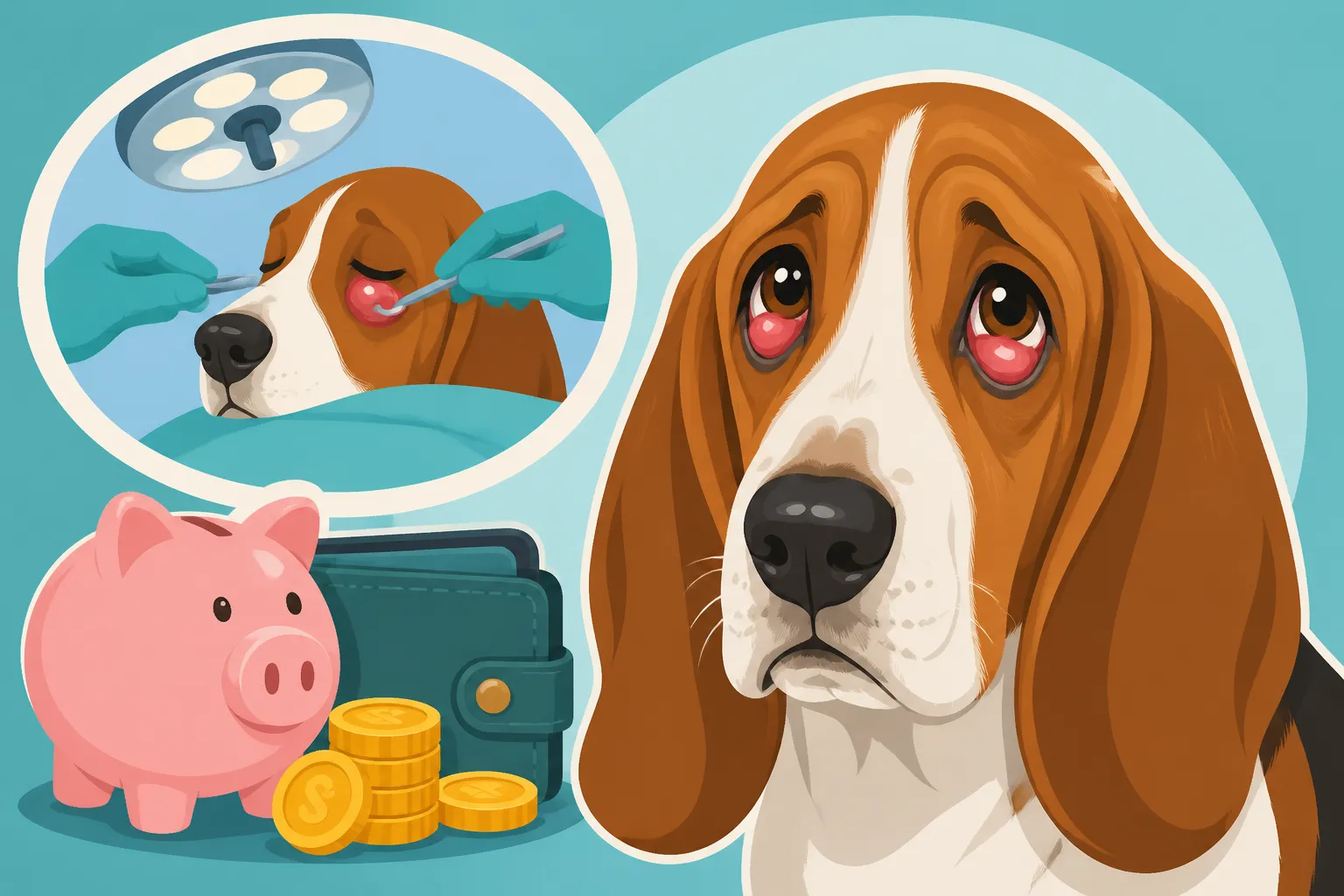
At the inner corner of your Basset Hound's eye, tucked away neatly, is a third eyelid, or nictitating membrane. This membrane contains a gland that produces a significant portion of the eye's tear film. In some dogs, especially certain breeds like our beloved Bassets, the ligament holding this gland in place can weaken or stretch. When this happens, the gland prolapses, meaning it pops out and becomes visible as a red, swollen mass – hence the "cherry" eye nickname. It often looks like a small, reddish-pink cherry poking out.
Why Basset Hounds? It comes down to genetics and their unique anatomy. Their breed standard often features those wonderful, loose eyelids and expressive faces, but sometimes this structure also predisposes them to conditions like cherry eye. It's not something you did wrong; it's just part of their genetic lottery. Other breeds known for similar issues include Bulldogs and Beagles, so Bassets aren't alone in this particular eye woe. Whether a Basset Hound Gets Cherry Eye is a question many new owners ask, and sadly, the answer is often yes, they are predisposed.
Recognizing the Signs and Why Prompt Action Matters
Recognizing cherry eye is usually pretty straightforward because that distinct red mass is hard to miss. Beyond the visible lump, you might also notice your Basset Hound rubbing at their eye, increased tear production (or sometimes, paradoxically, a dry eye if the gland isn't functioning properly), or a general irritation. The eye might appear redder than usual overall.
It's tempting to hope it will just go away on its own, but unfortunately, cherry eye rarely resolves without intervention. Ignoring it can lead to more serious problems. The exposed gland is vulnerable to irritation, infection, and damage. More importantly, if the gland remains prolapsed for too long, it can stop producing tears effectively, leading to a chronic condition called "dry eye" (keratoconjunctivitis sicca or KCS). Dry eye is uncomfortable, requires lifelong medication, and can severely impact your Basset Hound's vision and quality of life. That's why prompt veterinary attention is crucial – it can save your Basset Hound from a lifetime of eye issues.
The Components of Cherry Eye Surgery Costs
When you receive an estimate for cherry eye surgery, it's rarely just one lump sum for "the surgery." There are several distinct components that contribute to the overall cost, and understanding these can help you better interpret your vet's bill and ask informed questions.
Initial Consultation and Diagnostics
Before any surgery can be scheduled, your Basset Hound will need a thorough examination by the veterinarian. This initial consultation is where the vet confirms the diagnosis of cherry eye and assesses your dog's overall health. This visit often includes:
- Veterinary Examination: A comprehensive physical exam, with a particular focus on the affected eye and a general check to ensure your Basset is otherwise healthy for anesthesia.
- Ophthalmic Exam: This might involve specialized eye drops to check for corneal ulcers (which can be secondary to cherry eye irritation) and sometimes a tear production test to see if the gland is already struggling.
- Pre-Anesthetic Bloodwork: This is absolutely vital. Blood tests help ensure your Basset Hound's organs (kidneys, liver) are functioning properly, minimizing anesthetic risks. While it adds to the upfront cost, it's a non-negotiable step for patient safety.
- Other Diagnostics: In some cases, especially if there are other underlying eye concerns or if your Basset Hound has other health issues, additional tests might be recommended.
These initial diagnostic costs can vary, but they are an essential part of the process, laying the groundwork for a safe and successful surgery.
The Surgical Procedure Itself
This is often the largest portion of the total cost and covers everything involved in the actual operation. Cherry eye surgery typically involves a technique to reposition the prolapsed gland back into its normal pocket behind the third eyelid, then securing it with sutures. The goal is to preserve the gland's function.
Here's what usually falls under this category:
- Anesthesia: This includes the cost of the anesthetic drugs, the time spent monitoring your Basset Hound during the procedure (which can involve a dedicated veterinary technician), and any related medications like sedatives. Given the Basset Hound's unique anatomy and potential for respiratory considerations due to their brachiocephalic tendencies (even if mild), meticulous anesthetic monitoring is crucial.
- Surgeon's Fees: This covers the veterinarian's expertise and time performing the delicate surgical procedure. The complexity of the case can influence this, as can the surgeon's experience.
- Operating Room and Equipment Use: Veterinary clinics have significant overhead for maintaining sterile surgical environments, specialized instruments, and monitoring equipment. These costs are factored into the surgical fee.
- Hospitalization: While cherry eye surgery is often an outpatient procedure, some Basset Hounds might require a few hours or even overnight stay for recovery and monitoring, especially if they are slower to wake from anesthesia or have other health considerations.
It's worth asking your vet for a detailed breakdown of these surgical elements, as some clinics might bundle them differently. This is also where discussions about What Glaucoma Surgery Costs a Basset Hound Owner might come up if there are additional, separate eye concerns.
Post-Operative Care and Medication
The care doesn't stop once the surgery is complete. The post-operative period is crucial for healing and preventing complications. These costs typically include:
- Post-Op Medications: Your Basset Hound will likely go home with a course of anti-inflammatory drugs, pain relievers, and crucially, eye drops or ointments. These eye medications are critical for preventing infection, reducing inflammation, and lubricating the eye during the healing process. These might need to be administered multiple times a day for several weeks.
- E-Collar (Cone of Shame): Essential to prevent your Basset from rubbing or scratching at their eye, which could open sutures or introduce infection. While some vets include this, others might list it as a separate charge.
- Follow-Up Appointments: Usually, one or more follow-up visits are required to check on the healing process, remove sutures (if non-dissolvable), and ensure the gland remains in place. These check-ups are vital for the long-term success of the surgery.
- Potential for Additional Drops: Even after recovery, some Basset Hounds might need lubricating eye drops long-term if the gland's function was compromised before surgery or if the eye tends to be drier.
It's important to budget for these follow-up costs, as they are non-negotiable for a successful recovery. You might even find yourself needing specialty eye wipes or cleansers, which can be easily sourced from retailers like Chewy.
Factors Influencing the Final Bill
Just like human medical procedures, the cost of cherry eye surgery for a Basset Hound isn't uniform. Several factors can cause the final bill to fluctuate significantly.
Geographical Location and Clinic Type
Where you live makes a big difference. Veterinary costs, including surgical fees, often reflect the general cost of living and business operations in a particular area. A procedure in a large metropolitan area, like New York City or Los Angeles, will generally cost more than the same procedure in a rural town in the Midwest.
Similarly, the type of veterinary clinic plays a role:
- General Practice Veterinary Clinics: These are your everyday vets and usually offer competitive pricing for common surgeries like cherry eye repair.
- Veterinary Specialty Hospitals/Ophthalmology Specialists: If your Basset Hound's case is particularly complex, or if your general vet refers you to an animal eye specialist, the expertise comes with a higher price tag. These specialists have advanced training and equipment, which can lead to better outcomes but at an increased cost. This might also be the case if your Basset Hound has more complex eye issues, like those that lead to What an Eyelid Correction Costs on a Basset Hound.
It's always a good idea to get a written estimate from your chosen veterinary clinic, and if you're concerned about costs, you can inquire about getting estimates from a couple of different practices, provided your Basset Hound isn't in immediate distress.
Severity of the Condition and Complications
The "cherry" isn't always the same size or in the same condition. A freshly prolapsed gland that's quickly addressed might be simpler and less costly to repair than one that has been out for weeks, is severely inflamed, infected, or has started to dry out.
- One Eye vs. Two Eyes: While usually one eye goes first, it's not uncommon for the other eye to develop cherry eye later. If both eyes need surgery, the cost will obviously be higher. Sometimes, a vet might recommend addressing both if the second eye is showing early signs.
- Recurrence: Unfortunately, even with the best surgical technique, there's a chance of recurrence. If the gland prolapses again, it means another surgery, and thus, another set of costs. This is a frustrating reality for many Basset Hound owners.
- Infection or Damage: If the exposed gland has become infected or severely damaged, it can complicate the surgery and require more intensive post-operative treatment, including stronger or longer courses of antibiotics, which will add to the overall expense.
Insurance and Payment Options
This is where a little foresight can really pay off. Pet insurance can be a lifesaver for unexpected veterinary expenses like cherry eye surgery. Many providers, such as Healthy Paws, offer plans that cover accidents and illnesses, which typically include surgical procedures like cherry eye repair.
Here's how insurance and other payment options can help:
- Pet Insurance: If you have pet insurance, ensure you understand your policy's deductible, reimbursement percentage, and any waiting periods. Many policies won't cover pre-existing conditions, so if your Basset has already been diagnosed, it might not be covered. However, if you've had a policy for a while, it can significantly offset the financial burden. When considering insurance, it's good to know if they have any breed-specific exclusions, such as Whether an Insurer Excludes a Basset Hound's Ears, which could give you a hint about their approach to other breed-predisposed conditions.
- Payment Plans: Many veterinary clinics understand that large bills can be challenging. They may offer their own in-house payment plans or work with third-party financing companies that provide low or no-interest payment options for veterinary care. It's always worth asking what options are available.
- Emergency Funds/Savings: Having a dedicated savings account for pet emergencies is always a smart move. It provides peace of mind and allows you to make medical decisions based on what's best for your Basset Hound, rather than solely on immediate financial constraints.
- Breed-Specific Rescues: If you adopted your Basset Hound from a breed-specific rescue, they sometimes have funds or programs to assist with significant medical costs. It's worth reaching out to them if you're facing financial hardship.
| Cost Component | Description | Influencing Factors |
|---|---|---|
| Initial Consultation | Vet exam, diagnosis, preliminary eye tests. | Clinic type, location, need for specialized tests. |
| Pre-Anesthetic Bloodwork | Blood tests to assess organ function for anesthesia safety. | Vet's protocol, dog's age/health, comprehensive vs. basic panel. |
| Anesthesia | Medications, monitoring, support during surgery. | Anesthesia duration, type of drugs, monitoring equipment. |
| Surgical Fees | Surgeon's time, expertise, and operating room use. | Severity, surgeon's experience, clinic overhead, location. |
| Post-Operative Meds | Painkillers, anti-inflammatories, eye drops/ointments. | Length of treatment, specific medications needed. |
| E-Collar | Protective cone to prevent self-trauma. | Included in package or separate purchase. |
| Follow-Up Visits | Checks on healing, suture removal. | Number of visits, complexity of checks. |
| Potential Complications | Treatment for infection, recurrence, dry eye, etc. | Individual healing, predisposition, timeliness of initial surgery. |
Beyond the Surgery: Long-Term Considerations
While the immediate concern is the surgery and its cost, being a Basset Hound parent means thinking about the long game. Cherry eye can sometimes have long-term implications, and understanding these will help you provide the best ongoing care for your floppy-eared friend.
Potential for Recurrence and Second Eye Involvement
One of the most frustrating aspects of cherry eye is the possibility of recurrence. Even with a successful surgery, the ligament can stretch again, or the gland in the same eye can prolapse a second time. This means facing another round of vet visits, potential surgery, and associated costs. It's not a given, but it's a possibility you should be aware of.
Furthermore, if one eye has experienced cherry eye, there's a higher likelihood that the other eye may develop it at some point down the line. It's not always a mirror image, but the genetic predisposition exists for both eyes. This means you might need to budget for a similar procedure for the second eye in the future. Regular check-ups are important, and your vet will often closely monitor the "good" eye for any early signs. This is part of the overall What a Basset Hound's Eye Care Costs over their lifetime.
Managing Chronic Eye Health
Even after successful cherry eye surgery, some Basset Hounds may require ongoing management of their eye health. The gland's ability to produce tears might be somewhat compromised, or the eye may simply be more prone to dryness or irritation due to its natural structure.
This can mean:
- Lifelong Lubricating Eye Drops: Some Basset Hounds might need daily artificial tears to keep their eyes moist and comfortable. This is particularly true if the cherry eye was left untreated for a significant period or if the gland was already struggling.
- Regular Eye Checks: Your vet might recommend more frequent eye examinations, perhaps as part of your Basset Hound's annual check-up, to monitor for any signs of dry eye, other prolapses, or secondary infections. These checks might include tear production tests. You might want to ask your vet Whether a Basset Hound Needs a Yearly Eye Pressure Check as part of these routine exams.
- Cleaning Around the Eyes: Basset Hounds, with their loose skin and tendency for weeping eyes, often need gentle cleaning around their eyes to prevent tear staining and skin irritation. Using pet-safe wipes can help keep the area clean and prevent discomfort.
These ongoing care needs, while usually less expensive than surgery, do add up over your Basset Hound's lifespan.
Preventative Care and Overall Wellness
While you can't prevent a genetic predisposition to cherry eye, focusing on your Basset Hound's overall health and well-being can contribute to better outcomes and potentially fewer complications.
- Nutrition: A well-balanced diet is fundamental. High-quality food provides the necessary nutrients for overall health, including eye health and a strong immune system. Brands like Ollie or Chewy offer a range of nutritious options that can cater to your Basset Hound's specific needs, whether it's puppy food or options for a senior dog. Feeding a Basset Hound can be tricky because Feeding a Basset Hound That Would Eat Forever is a common challenge, but proper nutrition supports their health.
- Weight Management: Keeping your Basset Hound at a healthy weight is crucial for their overall health, including reducing strain on their joints and improving their general resilience to health challenges. An overweight dog might also have other health issues that complicate surgery or recovery. For tips, you can refer to How Much an Adult Basset Hound Eats Daily.
- Regular Veterinary Check-ups: Consistent vet visits allow your veterinarian to catch potential issues early, not just with eyes but with all aspects of your Basset Hound's health, from their notorious ears to their skin folds. Early detection often leads to simpler and less costly treatments. The Skin Under a Basset Hound's Folds also requires attention to prevent infections that can compromise overall health.
- Careful Observation: As a Basset Hound parent, you are their first line of defense. Pay attention to any changes in their eyes – redness, discharge, squinting, or pawing at the face. The sooner you notice something, the sooner your vet can address it.
By being proactive and attentive, you can help manage your Basset Hound's eye health effectively, even after something as concerning as cherry eye surgery. It’s all part of the journey with these wonderful, lovable hounds.
Disclaimer
This article is for general informational purposes only and does not constitute professional advice. Laws, prices and regulations vary by location and change over time. Consult a qualified professional for guidance on your specific situation.