What Insuring a Basset Hound Puppy Runs
Bringing home a floppy-eared Basset Hound puppy is an absolute joy, a whirlwind of adorable clumsiness and irresistible snuggles. But amidst all that puppy love, it's easy to overlook the very real financial commitment that comes with ensuring their long-term health and well-being. This guide will walk you through what to expect when looking into pet insurance for your Basset Hound puppy, helping you understand the costs involved and how to make the best choice for your furry family member.
What Drives the Cost of Insuring Your Basset Hound Puppy?
When you first start looking at pet insurance, you might feel a bit overwhelmed by the varying prices and what seems like a complex array of options. It’s not like buying car insurance where every car is, more or less, the same make and model. Every dog breed, and even every individual dog, comes with its own set of health considerations that insurers factor into their pricing. For Basset Hounds, there are some very specific traits that play a significant role.
Breed-Specific Health Considerations for Basset Hounds
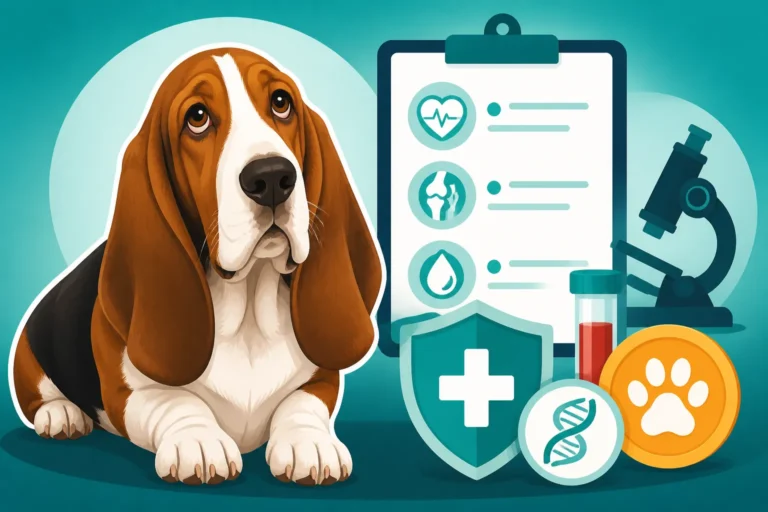
Our beloved Basset Hounds, with their distinctive long ears, deep wrinkles, and short, sturdy legs, are unfortunately predisposed to certain health conditions that can be costly to treat. Insurers know this, and their premiums reflect the higher likelihood of these issues arising.
First and foremost are those magnificent ears. While adorable, they are prone to chronic ear infections. The sheer length and pendulous nature of a Basset's ears mean poor air circulation, creating a warm, moist environment perfect for yeast and bacteria to thrive. You might find yourself at the vet frequently for ear cleanings, cultures, and medication. In severe, chronic cases, a Basset Hound might even need ear canal surgery, which can be incredibly expensive. This isn't just a minor nuisance; it's a recurring, sometimes lifelong, challenge for many Basset owners, and insurers factor in the potential for these ongoing treatments. Why a Basset Hound's Ear Canal Never Dries is a good read if you want to understand this more deeply.
Then there's the Basset's unique skeletal structure. Their long bodies and short legs, while charming, put them at a higher risk for back problems like Intervertebral Disc Disease (IVDD). A slipped disc can happen suddenly, leading to pain, paralysis, and requiring emergency surgery, which can quickly run into thousands of dollars. Similarly, their joint structure, particularly in the elbows, makes them prone to elbow dysplasia. Early screening for these issues, even in puppies, is often recommended by breeders, and the potential for these conditions means a higher risk profile for insurance companies. The Back Trouble a Basset Hound Is Built Into and Elbow Dysplasia in a Basset Hound are crucial topics for any Basset owner. Their droopy eyes, while soulful, can also lead to issues like entropion or ectropion, where the eyelids roll in or out, potentially requiring surgical correction to prevent irritation or damage to the eye. The Glaucoma a Basset Hound Inherits and other eye conditions are also common concerns.
Age and Location Factors
The age of your Basset Hound when you enroll them for insurance is another significant factor in determining your premium. Generally, insuring a puppy is less expensive than insuring an older dog. Puppies, especially very young ones, are typically seen as lower risk for pre-existing conditions (though some congenital conditions might be excluded from the start, so always read the fine print). The younger your Basset is when you get coverage, the better, because you'll want to ensure that any conditions that develop as they age are covered. Waiting until they're older and already showing signs of, say, joint stiffness or a recurring ear issue, means that specific problem might be deemed pre-existing and therefore excluded from coverage.
Your geographic location also plays a surprising role in pet insurance costs. Just like human healthcare, veterinary costs vary significantly depending on where you live. Vets in major metropolitan areas, or regions with a higher cost of living, typically charge more for their services due to higher overheads. This translates into higher potential claims for insurers, and thus higher premiums for you. If you live in, say, a bustling city like Los Angeles or New York, your insurance premium will likely be higher than if you reside in a smaller town in the Midwest. It’s always a good idea to research average vet costs in your specific area to get a realistic picture of potential expenses.
Types of Pet Insurance Plans for Basset Hounds
Understanding the different types of pet insurance plans available is crucial for choosing the right fit for your Basset Hound puppy and your budget. It’s not a one-size-fits-all situation, and what works for one family might not be ideal for another. Each plan type offers different levels of coverage, impacting both the monthly premium and what expenses are ultimately reimbursed.
Accident-Only vs. Accident & Illness Coverage
When you're sifting through policies, you'll primarily encounter two main categories: accident-only plans and accident & illness plans. Accident-only coverage is generally the most basic and, consequently, the least expensive option. As the name suggests, it covers costs related to unexpected injuries. Think broken bones from a clumsy fall, ingesting something they shouldn't have (a common Basset trait!), or injuries sustained during a dog park romp. While it's great for those "oh no!" moments, it won't help with the chronic health issues Basset Hounds are known for. If your Basset puppy develops chronic ear infections or IVDD, an accident-only plan won't touch those bills.
For a Basset Hound, given their genetic predispositions, an accident & illness plan is almost always the more recommended choice. This type of coverage extends beyond just accidents to include a wide range of illnesses, from common ailments like ear infections (which, let's be honest, you'll probably encounter) and skin allergies to more serious conditions like glaucoma, hip or elbow dysplasia, or even cancer. It covers diagnostics, treatments, medications, and often, even specialist visits. While the premiums for these plans are higher, the peace of mind knowing you're covered for both the unexpected mishaps and the breed-specific health challenges can be invaluable. Considering the potential for significant vet bills for conditions like What a Basset Hound's Emergency Surgeries Cost, this comprehensive coverage can be a lifesaver.
Wellness Add-Ons and Preventative Care
Beyond the core accident or accident & illness coverage, many insurers offer optional wellness add-on packages. These are designed to cover routine and preventative care costs that aren't typically included in standard illness policies. This can be a big perk for puppy owners, as puppies require a lot of preventative care in their first year.
A wellness plan might cover things like:
- Annual vet check-ups
- Vaccinations
- Flea, tick, and heartworm preventatives
- Routine blood tests
- Spaying or neutering
- Dental cleanings (which are vital for a Basset Hound as they age)
While these add-ons increase your monthly premium, they can help you budget for predictable veterinary expenses, preventing those routine bills from feeling like a surprise hit to your wallet. For a Basset Hound, regular ear cleaning checks and preventative care for joints are critical, and a wellness package can make managing these aspects easier. When evaluating these, it's a good idea to compare the cost of the add-on versus what you'd typically spend out-of-pocket on these services. Sometimes, the savings are significant, other times it's simply a way to spread out the cost.
Navigating Quotes and Choosing a Provider
Comparing pet insurance quotes can feel like deciphering a secret code, but once you understand the key terms, it becomes much clearer. The goal isn't just to find the lowest premium, but to find the best value and coverage that truly meets your Basset Hound's needs.
Understanding Deductibles, Reimbursement Rates, and Annual Limits
These three terms are the pillars of any pet insurance policy and directly impact your out-of-pocket expenses:
- Deductible: This is the amount you pay out of your own pocket before your insurance coverage kicks in. Most plans offer annual deductibles, meaning you pay this amount once per policy year. You'll often have a choice of deductible amounts – a lower deductible typically means a higher monthly premium, and vice-versa. For instance, if you choose a $250 deductible and your Basset has an ear infection costing $300, you'd pay the $250 deductible, and the insurer would cover a percentage of the remaining $50 (based on your reimbursement rate).
- Reimbursement Rate: After you've met your deductible, this is the percentage of eligible veterinary costs that your insurance company will pay back to you. Common reimbursement rates are 70%, 80%, or 90%. A higher reimbursement rate means more money back in your pocket, but it also comes with a higher monthly premium. If your vet bill is $500, and you have an 80% reimbursement rate (after deductible), the insurer pays $400.
- Annual Limit: This is the maximum amount your insurance company will pay out in covered expenses during a single policy year. Limits can range from a few thousand dollars to unlimited coverage. While it might be tempting to choose a lower annual limit to save on premiums, remember that a single major surgery, like back surgery for IVDD, can easily exceed several thousand dollars. Given the potential health issues for Basset Hounds, a higher or even unlimited annual limit can offer crucial protection, especially for those unexpected What a Basset Hound's Emergency Surgeries Cost.
When comparing plans from providers like Healthy Paws or Chewy, make sure you're comparing apples to apples across these three factors. Don't just look at the monthly premium; consider how much you'd actually pay if your Basset Hound needed significant veterinary care.
Comparing Policies and Reading the Fine Print
Once you have a handle on the core terms, it's time to dig into the details. Don't be afraid to get multiple quotes and ask questions.
Look at the specifics of what each policy covers and, more importantly, what it doesn't cover.
- Waiting Periods: Almost all policies have waiting periods – a specific amount of time after you enroll before certain conditions become eligible for coverage. There might be different waiting periods for accidents and illnesses, and sometimes even longer ones for orthopedic issues like cruciate ligament problems, which can affect Basset Hounds. Ensure you understand these so you're not caught off guard.
- Exclusions: Pay close attention to exclusions. Some policies might exclude specific breed-related conditions or pre-existing conditions. For example, some insurers might have caveats around conditions like Whether Back Disease Is Excluded on a Basset Hound Policy or Whether Glaucoma Is Covered on a Basset Hound Policy if your dog showed signs before enrollment or during the waiting period. Many plans also exclude elective procedures, grooming, or behavioral treatments.
- Bilateral Conditions: Some plans treat bilateral conditions (conditions that can affect both sides of the body, like hip or elbow dysplasia, or cataracts) in a specific way. If your dog develops a condition on one side before being insured, some policies might exclude it from coverage if it later develops on the other side.
- Customer Service and Claims Process: Beyond the numbers, consider the company's reputation for customer service and how easy their claims process is. Do they offer direct pay to vets, or do you have to pay upfront and wait for reimbursement? Reading reviews from other pet owners can provide valuable insights.
A great approach is to gather quotes from a few reputable providers. You might find that while one company like Healthy Paws offers a slightly higher premium, their reimbursement rate is also higher, or their annual limits are more generous, making it a better long-term investment for a breed like a Basset Hound. Remember, the cheapest plan upfront might not be the most comprehensive when you truly need it.
Making Pet Insurance Work for Your Basset Hound
Pet insurance isn't just about protecting your wallet from unexpected emergencies; it's about giving you the freedom to make healthcare decisions for your Basset Hound based on what's best for them, not just what you can afford. This is particularly vital for a breed with specific health needs.
When to Enroll Your Puppy
The absolute best time to enroll your Basset Hound puppy in pet insurance is as soon as you bring them home, ideally before any minor issues even have a chance to pop up. Many puppies, despite appearing healthy, can develop small, seemingly innocuous issues early on that, if left untreated or documented by a vet, could be labeled as pre-existing conditions by an insurer later. For instance, a small bout of puppy diarrhea might seem minor, but if it reoccurs, an insurer could argue that chronic digestive issues are pre-existing.
Getting coverage early means that conditions that develop later in life – such as those common Basset ailments like ear infections, back problems, or eye issues – are much more likely to be covered. Remember, once a condition is documented by a veterinarian before your policy starts or during the waiting period, it's generally considered pre-existing and won't be covered. Proactive enrollment hedges against these future unknowns and ensures the broadest possible coverage for your Basset Hound throughout their The Ten to Twelve Years a Basset Hound Lives.
Understanding Exclusions and Maxing Out Value
Even with the most comprehensive plan, it's vital to fully grasp what your policy doesn't cover. As mentioned, pre-existing conditions are almost universally excluded. This is why early enrollment is so critical. If your Basset Hound puppy had a diagnosed ear infection before you got insurance, any future ear infections, even if they seem different, might be excluded as a continuation of that pre-existing condition. Some policies also have specific exclusions for certain hereditary or congenital conditions if not enrolled early enough, or if the breed is known to be highly susceptible. You'll want to review the policy wording for any specific mentions related to Basset Hounds, or conditions like IVDD or elbow dysplasia.
To maximize the value of your pet insurance, engage with your policy. Don't just set it and forget it.
- Annual Reviews: Take a few minutes each year to review your policy. Does it still meet your needs? Are there new options or changes that could benefit you?
- Preventative Care: Combine your insurance with diligent preventative care. Regular vet check-ups, appropriate diet (perhaps considering brands like Ollie that focus on fresh, healthy food to support overall well-being, though this isn't directly insurance-related), and exercise can reduce the likelihood of some issues arising or becoming severe. Even with insurance, avoiding unnecessary vet visits or complications is always the goal.
- Know Your Vet: Build a good relationship with your veterinarian. They can help you understand what diagnoses might impact future insurance claims and often provide detailed breakdowns of costs, which is helpful for submitting claims.
Ultimately, pet insurance for your Basset Hound puppy is an investment in their health and your peace of mind. While the upfront cost might seem like a lot on top of What a Basset Hound Puppy Costs From a Real Breeder, it's a fraction of what you could face in a veterinary emergency or for long-term chronic care. It allows you to focus on your beloved Basset without the added stress of crushing medical bills. What a Basset Hound Costs a Year to Keep will give you an even broader perspective on all the costs involved.
| Feature | Accident-Only Plan | Accident & Illness Plan | Wellness Add-On (Optional) |
|---|---|---|---|
| Coverage Scope | Accidents only (e.g., broken bones, poisonings) | Accidents + Illnesses (e.g., infections, diseases, chronic conditions) | Routine and preventative care |
| Basset Hound Relevancy | Good for unexpected injuries, but limited for breed-specific issues. | Highly Recommended due to breed predispositions (ears, back, eyes, joints). | Helps budget for predictable yearly vet costs. |
| Typical Costs Covered | Emergency care, diagnostics, surgery for accidents. | Emergency care, diagnostics, surgery, specialist visits, medications for accidents & illnesses. | Annual exams, vaccinations, preventatives, spay/neuter, dental cleanings. |
| Premium Level | Lowest | Moderate to High | Adds to core premium |
| Benefit | Peace of mind for unexpected injury costs. | Comprehensive protection against most health issues your Basset may face. | Manages and spreads out routine healthcare costs. |
Disclaimer
This article is for general informational purposes only and does not constitute professional advice. Laws, prices and regulations vary by location and change over time. Consult a qualified professional for guidance on your specific situation.