Whether an Insurer Rates a Basset Hound as High Risk
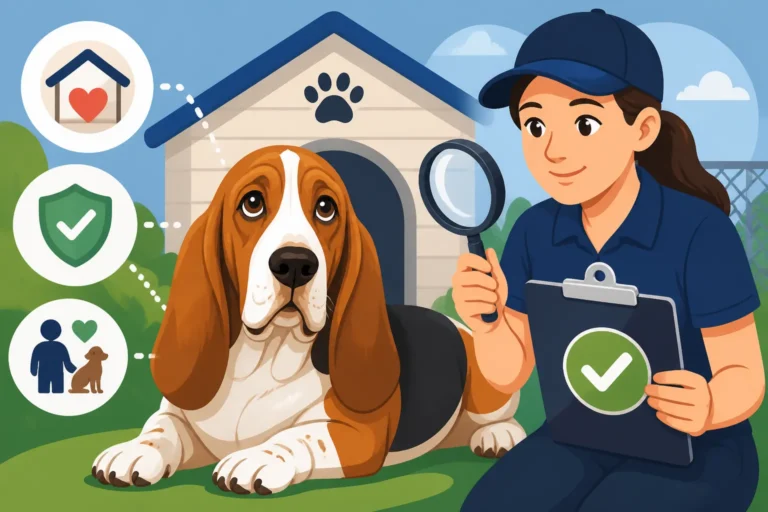
It’s a common worry for any prospective Basset Hound owner, or even those who already have one of these wonderfully long-eared companions: Will my Basset Hound be considered "high risk" by pet insurance companies, leading to astronomical premiums or even denied coverage? The truth is, while every breed comes with its unique set of potential health predispositions, understanding how insurers evaluate risk for Basset Hounds can help you make informed decisions about protecting your furry family member. This guide will explore the specific health traits and lifestyle factors that influence insurance rates for Basset Hounds, helping you navigate the world of pet insurance with confidence.
Understanding Pet Insurance and "High Risk" Breeds
When you’re looking into pet insurance, it can feel like you’re trying to decipher a secret code. You just want to know if your beloved Basset Hound is going to be seen as a walking medical bill waiting to happen. The term "high risk" isn't necessarily about your dog being dangerous; it's about the statistical likelihood of them developing certain conditions that lead to expensive veterinary care.
What Makes a Breed "High Risk" for Insurers?
Pet insurance providers, much like human health insurance companies, operate on actuarial data. They look at the historical claims data for specific breeds to determine the probability and average cost of future claims. A breed is generally considered "high risk" if it has a documented genetic predisposition to multiple serious health conditions, or if conditions common to the breed typically require expensive, long-term treatments or surgeries. This isn't a judgment on the breed's worth or temperament, but a purely financial calculation based on veterinary science and past expenditures.
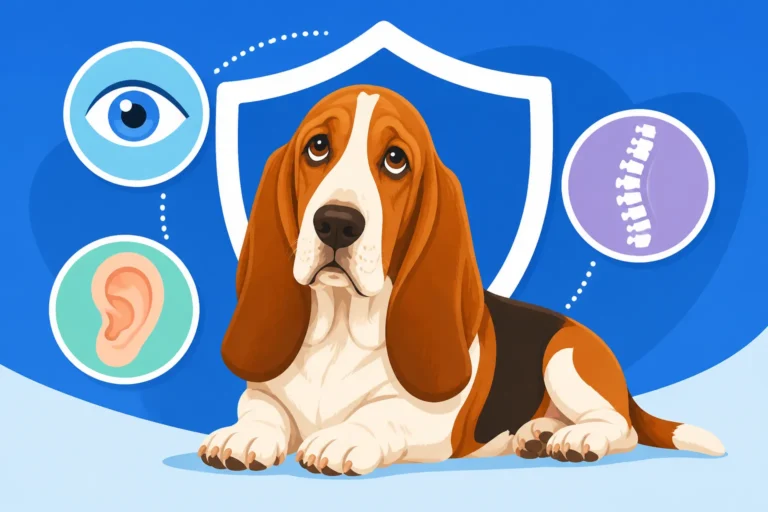
For Basset Hounds, there are several breed-specific traits that factor into this assessment. Their unique conformation, while charming, unfortunately lends itself to certain health challenges. Issues with their long backs, short legs, and incredibly long ears are well-known to veterinarians and, consequently, to insurance actuaries. This doesn't mean every Basset Hound will suffer from every ailment, but the potential for these issues is what shapes their risk profile.
It’s important to remember that this "risk" translates into the cost of premiums. If a breed is statistically more likely to need expensive care, the premiums for that breed will naturally be higher to cover the anticipated costs. This is why you might see different premium rates for different breeds, even for dogs of the same age and in the same location.
Common Perceptions vs. Actuarial Reality for Basset Hounds
Many people might look at a Basset Hound and perceive a generally calm, easy-going dog that might not have many health problems beyond a tendency to gain weight. While their temperament is often wonderfully mellow, the actuarial reality tells a different story regarding their physical health. The distinctive features that make Basset Hounds so endearing are often directly linked to their most common health issues.
For instance, those magnificent, long ears are prone to chronic infections. Their long, heavy bodies on short legs are susceptible to back problems, especially intervertebral disc disease (IVDD). These aren't just minor inconveniences; they can lead to repeated vet visits, specialized medications, and even costly surgeries. Insurers are very aware of these patterns. What might seem like a quirky, lovable trait to an owner is a known medical vulnerability to an insurance provider.
This gap between perception and reality is why some Basset Hound owners are caught off guard by insurance quotes. They might not realize the extent of these breed-specific health challenges until they're faced with a vet bill for an ear hematoma repair or spinal surgery. Providers like Healthy Paws, for example, build their plans around understanding these common issues, aiming to cover the unexpected, but the baseline risk for a Basset Hound will always be factored in.
Basset Hound Health Concerns That Impact Insurance
Basset Hounds are wonderful dogs, but no breed is without its quirks, especially when it comes to health. When insurance companies assess a Basset Hound, they're looking at a history of common issues that can lead to significant veterinary expenses. Understanding these can help you appreciate why premiums might be what they are.
Ear Infections and Their Chronic Nature
Let's talk about those iconic, sweeping ears. While undeniably charming, they are unfortunately a perfect breeding ground for trouble. Basset Hounds are notorious for ear infections, and it’s not just a minor annoyance. Their long, heavy ear flaps trap moisture and reduce airflow to the ear canal, creating a warm, damp environment that bacteria and yeast absolutely adore. This makes them highly susceptible to recurrent infections, which can be stubborn and expensive to treat.
A single ear infection might require an initial vet visit, ear cleaning, and a course of drops. But for Basset Hounds, it often doesn't stop there. Many of them experience chronic, recurring infections that demand frequent veterinary attention, cultures to identify the specific pathogen, and specialized medications. In severe, long-standing cases, the ear canal can even narrow or calcify, sometimes necessitating a total ear canal ablation (TECA) – a major and costly surgery to remove the infected canal. This can become a lifetime commitment of care, as detailed in articles like The Ear Infections That Never Really Leave a Basset Hound or Why a Basset Hound's Ear Canal Never Dries. This ongoing need for treatment significantly raises the actuarial risk for insurers.
The cost of managing these chronic conditions can quickly add up. Regular ear cleanings, medicated flushes, antibiotics, antifungals, and pain relief can easily become a monthly expense. For an insurer, this isn't just a hypothetical; it's a predictable pattern of claims that influences how they categorize the breed's risk.
Orthopedic Issues: Backs and Elbows
The Basset Hound's distinctive long body and short, stout legs are another key factor in their insurance profile. This body type, characteristic of chondrodystrophic breeds, means they are genetically predisposed to certain orthopedic problems. The most significant of these is intervertebral disc disease (IVDD), where the cushioning discs between the vertebrae in their spine can degenerate, bulge, or even rupture. This can lead to severe pain, weakness, and even paralysis.
Treating IVDD often involves conservative management with strict crate rest and medication, but severe cases frequently require emergency spinal surgery, followed by extensive physical therapy. The costs associated with an MRI, surgery, and rehabilitation can be incredibly high, easily reaching thousands of dollars. Articles like The Back Trouble a Basset Hound Is Built Into delve into this common ailment, and it's a major concern for any insurer considering coverage for a Basset Hound. Similarly, while less common than IVDD, Basset Hounds can also be prone to Elbow Dysplasia in a Basset Hound, another condition that can lead to lameness and requires surgical intervention.
These orthopedic issues aren't just painful for your dog; they represent some of the most expensive claims an insurance company might face. The structural predispositions are inherent to the breed, making them a consistent factor in risk assessment.
Eye Conditions and Genetic Predispositions
Beyond ears and backs, Basset Hounds can also be prone to a range of eye conditions that can affect their vision and comfort. While their droopy eyelids contribute to their endearing expression, they can also lead to problems like entropion (eyelids rolling inward, irritating the eye) or ectropion (eyelids rolling outward, exposing the eye). These conditions often require surgical correction to prevent chronic irritation, infections, and even vision impairment.
More serious eye conditions include glaucoma, a painful disease characterized by increased pressure within the eye, which can lead to blindness if not treated promptly. The Glaucoma a Basset Hound Inherits is a specific concern, with Basset Hounds being particularly susceptible to open-angle glaucoma. This condition often requires lifelong medication to manage eye pressure, and in advanced cases, surgical procedures or even eye removal may be necessary. These treatments, whether ongoing medications or invasive surgeries, represent considerable long-term costs.
For insurance providers, conditions like glaucoma are often considered hereditary, meaning the genetic predisposition makes a Basset Hound more likely to develop it. This genetic link influences their risk calculation, especially if policies cover hereditary conditions (which most comprehensive plans do, provided they aren't pre-existing). The costs associated with diagnosis, medication, and potential surgeries for these eye issues add another layer to the breed's overall health risk profile.
Bloat and Other Gastrointestinal Worries
While not exclusively a Basset Hound problem, Gastric Dilatation-Volvulus (GDV), commonly known as bloat, is a life-threatening condition that deep-chested breeds like Basset Hounds are particularly susceptible to. This emergency occurs when the stomach fills with gas and twists, cutting off blood supply and potentially leading to death if not treated immediately.
Bloat is a terrifying and sudden emergency, requiring immediate veterinary intervention and often extensive surgery. The cost of such an emergency surgery, including post-operative care and potential complications, can be incredibly high. For an insurance company, the risk of bloat contributes to the overall "emergency surgery" risk profile of the breed. It's a condition where time is critical, and the associated costs can escalate rapidly. This is one of the "big ticket" items that insurance plans are designed to help cover.
Other gastrointestinal sensitivities or tendencies can also crop up. While not as dramatic as bloat, ongoing digestive issues can lead to repeated vet visits, diagnostic tests, and prescription diets, all of which contribute to the overall cost of ownership and thus, the insurance risk.
Factors Beyond Breed That Influence Basset Hound Premiums
While a Basset Hound's breed-specific health predispositions certainly play a role in how insurers view them, it's not the only factor. Many other elements come into play when determining your pet insurance premium. Understanding these can help you find the best coverage for your unique Basset Hound.
Age, Location, and Lifestyle
One of the biggest factors influencing your Basset Hound's premium, aside from their breed, is their age when you enroll them. Simply put, puppies are less expensive to insure than older dogs. Why? Because older dogs have had more time to develop health conditions, and any conditions diagnosed before coverage begins are often considered "pre-existing" and will be excluded from your policy. Enrolling a Basset Hound puppy means you're more likely to lock in lower rates and potentially cover conditions that might develop later in life, such as The Back Trouble a Basset Hound Is Built Into or The Glaucoma a Basset Hound Inherits. The older your dog gets, the higher the premiums generally become to reflect the increased likelihood of age-related illnesses.
Your geographical location also plays a significant role. Veterinary costs can vary wildly depending on where you live. Just like human healthcare, vet clinics in major metropolitan areas or regions with a higher cost of living tend to charge more for their services. Insurers adjust premiums based on these regional differences in vet care expenses. If you live in an area where vet bills are higher, your premium will likely be higher to reflect the potential cost of claims.
Finally, your Basset Hound's lifestyle and medical history are considered. While most insurers won't change premiums based on whether your dog is an indoor couch potato or an avid scent tracker, their individual health history prior to enrollment is critical. Any conditions diagnosed before your policy starts will typically be excluded as pre-existing. This is why it’s always best to get insurance early in your dog’s life, even if they seem perfectly healthy. A detailed health history helps the insurer understand the individual risk your dog poses.
Policy Types, Deductibles, and Coverage Limits
The type of policy you choose will have a direct and substantial impact on your Basset Hound's premium. There are generally three main types:
- Accident-Only Plans: These are the most basic and usually the cheapest. They cover injuries from accidents (like a broken bone or ingestion of a foreign object) but don't cover illnesses (like ear infections, IVDD, or glaucoma).
- Accident & Illness Plans: This is the most popular type, covering both accidents and a wide range of illnesses, including chronic conditions, hereditary conditions, and emergency care. These plans will have higher premiums than accident-only policies.
- Comprehensive/Wellness Plans: Some insurers offer riders or separate plans that cover routine and preventative care, like vaccinations, annual exams, and sometimes even grooming or spay/neuter surgery. These are often the most expensive but cover the widest array of veterinary services.
Within these policy types, you'll choose a deductible, a reimbursement rate, and an annual payout limit, all of which affect your premium.
| Feature | Description | Impact on Premium |
|---|---|---|
| Deductible | The amount you pay out-of-pocket before insurance starts to reimburse. | Higher deductible = Lower premium |
| Reimbursement Rate | The percentage of the vet bill (after deductible) that the insurer pays. | Higher rate = Higher premium |
| Annual Limit | The maximum amount the insurance company will pay out in a policy year. | Higher limit = Higher premium |
If you select a higher deductible (e.g., you pay the first $500 of eligible expenses), your monthly premium will be lower. Conversely, choosing a lower deductible (e.g., $100) means a higher premium. Similarly, a higher reimbursement rate (e.g., 90%) means the insurer pays more of your vet bills, so your premium will be higher than if you chose a 70% reimbursement rate. Finally, choosing a higher annual payout limit (e.g., unlimited vs. $10,000) also increases your premium, as the insurer is taking on more potential financial responsibility. It's a balancing act between your budget and your desired level of coverage.
The Importance of Early Enrollment
For a Basset Hound, perhaps more than many other breeds, enrolling in pet insurance as early as possible is absolutely critical. We've discussed the breed's predispositions to conditions like chronic ear infections, IVDD, and glaucoma. If any of these, or other conditions, are diagnosed before you enroll your Basset Hound, or during the policy's waiting period, they will almost certainly be considered pre-existing conditions.
A pre-existing condition is a game-changer for insurance coverage. It means that the insurer will not pay for any treatments related to that specific condition, ever, under that policy. This can be devastating for Basset Hound owners, who often face significant costs for managing these breed-specific ailments throughout their dog's The Ten to Twelve Years a Basset Hound Lives. Imagine if your Basset develops ear infections before you get insurance – all future ear infection treatments, even if they are recurring instances of the same problem, might not be covered.
By enrolling your Basset Hound as a young puppy, you minimize the chance of these common conditions being labeled pre-existing. You secure coverage while your dog is, hopefully, at its healthiest. This foresight can save you thousands of dollars over your Basset Hound's lifetime, especially given the potential for What a Basset Hound's Emergency Surgeries Cost for things like bloat or IVDD. It allows the policy to cover conditions as they develop, rather than excluding them because they were already present.
Navigating Pet Insurance for Your Basset Hound
Choosing pet insurance for your Basset Hound can feel like a daunting task, especially when you're thinking about those breed-specific health challenges. But with a strategic approach, you can find a plan that offers peace of mind without breaking the bank.
Comparing Providers and Understanding Exclusions
When you're shopping for pet insurance, it's essential to compare different providers carefully. Don't just look at the monthly premium; dig into the details of what each policy actually covers and, crucially, what it excludes. Most insurers will have standard exclusions, such as pre-existing conditions, elective procedures, or grooming. However, how they define and handle hereditary or chronic conditions can vary. For a Basset Hound, this is particularly important because so many of their common ailments are either chronic (like ear infections) or hereditary (like glaucoma or IVDD).
Look for policies that clearly outline their stance on hereditary and congenital conditions. Many reputable providers, such as Healthy Paws, will cover these conditions as long as they are not pre-existing. This means if your Basset develops IVDD at age three, and you enrolled them as a puppy, it should be covered. If you wait until they are six and already showing signs of back trouble, it likely won't be. Pay close attention to waiting periods as well – the time frame after you enroll before coverage for certain conditions (like orthopedic issues) kicks in. These can often be longer for conditions commonly found in larger or predisposed breeds.
It’s also wise to check if a provider has specific limitations or exclusions related to a Basset Hound's unique anatomy. While most comprehensive plans cover a broad range of illnesses, some might have caps on certain treatments or specific exclusions related to conditions like The Ear Infections That Never Really Leave a Basset Hound if they deem them too frequent or too easily preventable by owners. Always read the fine print or call the provider directly to clarify any concerns before committing.
Maximizing Value and Managing Costs
Once you've decided on a policy, there are ways to maximize its value and manage the overall cost of ownership for your Basset Hound. First and foremost, focus on preventative care. While some wellness plans can be expensive, adhering to a regular schedule of vet check-ups, appropriate vaccinations, parasite control, and daily home care can significantly reduce the likelihood of costly health issues. This means diligently cleaning your Basset's ears to prevent infections, managing their weight to protect their joints and back (as discussed in What Extra Weight Does to a Basset Hound), and providing appropriate exercise. Even small things, like purchasing quality dental chews from a retailer like Chewy, can contribute to overall health.
Consider adjusting your deductible and reimbursement rate to find a sweet spot that fits your budget. A slightly higher deductible can significantly lower your monthly premium, and if you have an emergency fund for those initial out-of-pocket costs, it might be a more affordable option in the long run. Also, look into any multi-pet discounts if you have more than one animal, or other loyalty programs. Some insurers partner with online pharmacies or pet supply companies for discounts on medications or specialized foods. For instance, if your Basset Hound needs a specific diet to manage weight or sensitive digestion, you might explore options from companies like Ollie that offer tailored nutrition, potentially at a reduced cost through certain partnerships.
Finally, educate yourself on the signs of common Basset Hound ailments. Early detection can often lead to less invasive and less expensive treatments. Knowing the subtle signs of ear trouble, back pain, or changes in eye appearance can prompt you to seek veterinary attention sooner, potentially preventing a minor issue from escalating into a costly emergency that lands you in What a Basset Hound's Emergency Surgeries Cost.
When Self-Insurance Might Be an Option
For some Basset Hound owners, the idea of "self-insuring" might come up. This essentially means foregoing a pet insurance policy and instead setting aside a dedicated amount of money in a savings account specifically for your dog's potential veterinary expenses. This approach has its pros and cons, and it's particularly important to weigh for a breed with known health predispositions like the Basset Hound.
The primary benefit of self-insurance is that you have direct control over your money. There are no premiums, no deductibles, no exclusions, and no waiting periods. If your Basset Hound never experiences a major health crisis, you save money. This can work well for people who are exceptionally disciplined savers and have substantial funds readily available for emergencies. However, for a breed like the Basset Hound, with a higher statistical likelihood of chronic conditions (like those recurring ear infections that prompt discussions in Why a Basset Hound's Ears Cost More Than the Puppy Did) and expensive orthopedic or emergency surgeries, this can be a very risky strategy.
The major drawback is the risk of a catastrophic event. A sudden, severe IVDD episode requiring emergency surgery and rehabilitation, or a bloat emergency, can easily cost several thousand dollars, often far exceeding what most people could realistically save in a "pet fund" in a short amount of time. If you haven't saved enough, you could be faced with an agonizing decision between your pet's well-being and your financial capacity. For these reasons, while self-insurance might be considered for breeds with very few known health issues, it carries substantial risk for a Basset Hound, whose breed profile indicates a higher chance of needing significant medical intervention throughout its life. Most experts recommend a robust insurance policy, especially for breeds with known vulnerabilities, rather than relying solely on self-funding. It's about protecting yourself from the unexpected, and for a Basset Hound, the unexpected can be very expensive.
Disclaimer
This article is for general informational purposes only and does not constitute professional advice. Laws, prices and regulations vary by location and change over time. Consult a qualified professional for guidance on your specific situation.