Whether a Basset Hound Costs More After Seven
It's a tough truth that as our beloved Basset Hounds get older, many of us start to worry about the inevitable: will their care become significantly more expensive? This guide is here to shed some light on the financial realities of owning a Basset Hound past the age of seven, exploring common cost increases and offering practical ways to prepare.
The Inevitable Health Realities of an Aging Basset Hound
Let's face it, getting older means more trips to the doctor, and our Basset Hounds are no different. Around the age of seven, many Basset Hounds begin to enter their senior years, and with that often comes a whole new set of health considerations that can certainly impact your wallet. It's not just about treating illnesses when they arise, but also about the increased vigilance and preventative care required to keep them comfortable and happy.
Increased Veterinary Visits and Diagnostic Tests
When your Basset Hound is a spry youngster, annual check-ups might be all you need, assuming no major accidents or unexpected illnesses pop up. But once they hit seven, that routine often shifts. Vets typically recommend more frequent check-ups for senior dogs, sometimes twice a year, to catch any emerging issues early. These visits themselves have a cost, but it's the diagnostic tests that can really add up. Blood work, urine tests, and often X-rays become more common to monitor organ function, check for arthritis, or investigate any new lumps and bumps.
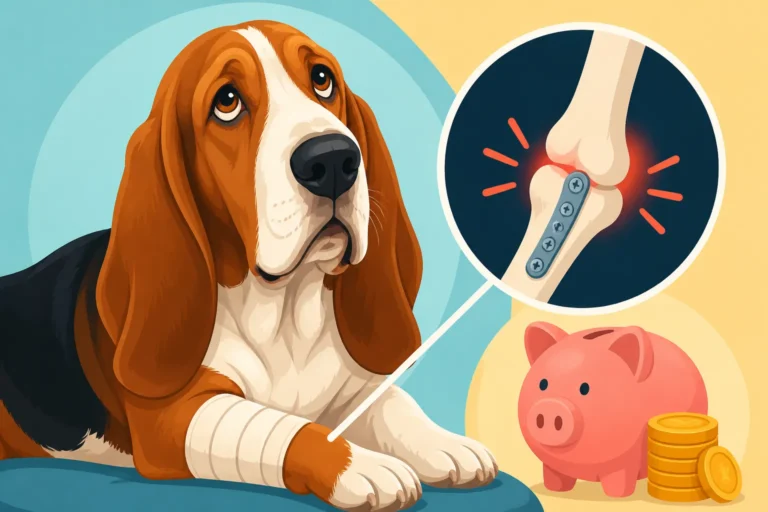
Imagine your Basset, Bartholomew, starts slowing down on walks. Is it just old age, or is something else going on? Your vet might suggest blood tests to check his thyroid function, kidney, and liver values, which are all crucial indicators of senior health. If he's struggling to get up, X-rays of his joints or spine might be necessary to look for conditions like Arthritis in a Basset Hound at Seven or Intervertebral Disc Disease in a Basset Hound. Each of these tests, while invaluable for diagnosis and treatment planning, carries its own fee, quickly making a single vet visit significantly more expensive than those youthful annual appointments.
Managing Chronic Conditions and Medications
Unfortunately, with age comes a higher likelihood of chronic conditions. Basset Hounds are predisposed to several health issues that can become more pronounced as they age. Joint problems, such as arthritis and elbow dysplasia, are very common. Their long backs can also lead to disc issues. Then there are potential eye problems like glaucoma, and even systemic conditions like hypothyroidism or kidney disease. These aren't one-and-done treatments; they often require ongoing management.
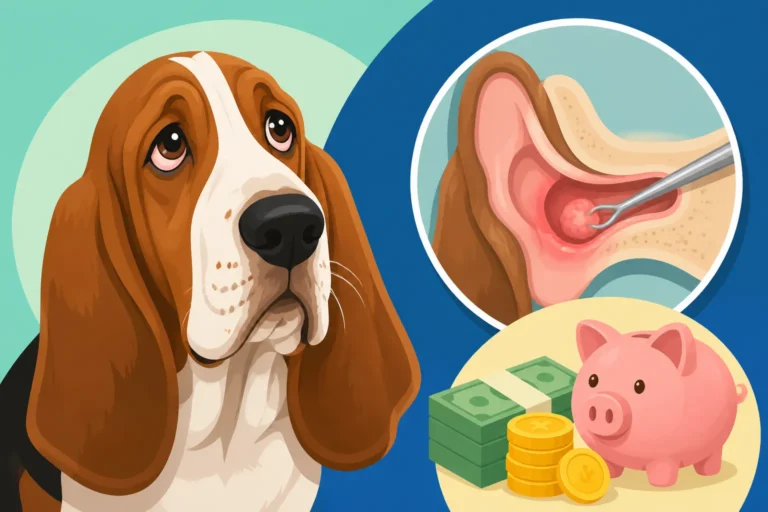
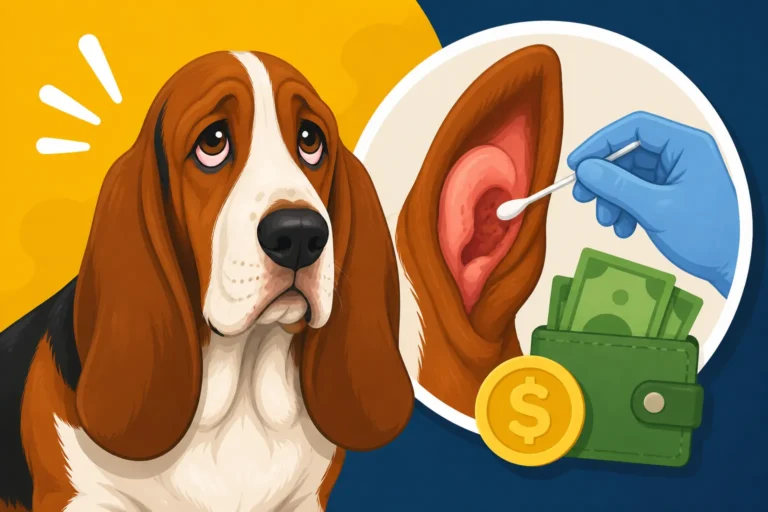
For instance, if Bartholomew is diagnosed with arthritis, he might need daily anti-inflammatory medication, joint supplements, or even periodic injections to keep him comfortable. A Basset Hound with glaucoma will likely need lifelong eye drops, which can be quite costly over time. What Glaucoma Drops Cost a Basset Hound Owner Monthly is a concern many face. Managing chronic ear infections, a notorious Basset Hound ailment, also often becomes a more frequent and expensive endeavor as they get older, with specialty ear cleaners and prescription medications. All these ongoing medications and treatments are a continuous expense that can escalate significantly compared to the relatively low medication needs of a younger, healthy dog.
Nutritional and Lifestyle Adjustments for Senior Basset Hounds
As our Basset Hounds age, their needs shift not just medically, but also in their daily lives. What they eat, how much they move, and even how their home is set up can all change, leading to new categories of expenses that weren't there when they were younger. It’s all about maintaining their quality of life as they slow down.
Specialized Diets and Supplements
A Basset Hound's metabolism changes as they age, and they might become less active. This often means a change in diet is necessary to prevent weight gain, which can exacerbate joint problems and other health issues. Senior dog foods are often lower in calories but still provide essential nutrients. Some Bassets might develop sensitivities or digestive issues, requiring specific therapeutic diets. Brands like Ollie offer fresh food options which can be great for older dogs with sensitive stomachs or picky appetites, though these often come at a higher price point than traditional kibble.
Beyond specialized food, supplements become a big part of many senior Basset Hounds' diets. Joint supplements containing glucosamine and chondroitin are incredibly common to support aging cartilage and reduce inflammation. Fish oil is often recommended for skin, coat, and cognitive health. Whether a Basset Hound Needs Joint Supplements is a question many owners ponder, and often the answer is yes. These aren't always cheap, and adding them daily can contribute significantly to your monthly pet care budget. It's not just about filling their bowl anymore; it's about providing targeted nutritional support.
Home Modifications and Comfort Enhancements
An aging Basset Hound, especially one dealing with arthritis or back issues like The Back Trouble a Basset Hound Is Built Into, will find it harder to navigate a home that was perfectly fine for them as a puppy. Things like slippery floors, stairs, and jumping onto furniture can become difficult or even dangerous. This often leads to investments in assistive devices and comfort items.
Ramps or pet stairs become essential for getting on and off the sofa or into the car, protecting their joints and preventing injuries. Orthopedic beds provide better support for aching bones and joints than standard dog beds. You might also find yourself installing baby gates to block off stairs or laying down rugs to provide better traction on hard floors. These items are investments, but they are crucial for keeping your senior Basset Hound safe and comfortable. Even simple things like raised food bowls can help alleviate neck strain for an older dog.
Budgeting and Financial Planning for Your Senior Basset Hound
The prospect of rising costs can be daunting, but with a bit of foresight and planning, you can navigate the financial aspects of senior Basset Hound ownership without feeling overwhelmed. It's about being proactive and understanding your options.
The Role of Pet Insurance in Senior Years
Pet insurance is one of those things you either swear by or wish you'd bought sooner, especially when your pet enters their golden years. A policy can help offset the costs of unexpected illnesses, accidents, and even some chronic conditions, depending on your plan. However, it's crucial to understand that pet insurance typically doesn't cover pre-existing conditions. This means if Bartholomew was diagnosed with arthritis at age six, a policy bought at age eight probably won't cover arthritis treatment. This is why many recommend insuring pets when they are younger.
If you already have a policy, check how it changes as your Basset Hound ages. Some plans might see premium increases, or certain conditions might be subject to different coverage limits. Companies like Healthy Paws are known for their comprehensive accident and illness plans, which can be a lifesaver for unexpected senior health issues. Even if you're considering a policy for an older Basset, it's worth exploring, but read the fine print carefully regarding waiting periods and pre-existing conditions. What Insuring a Basset Hound Runs Monthly can be a significant cost, but potentially less than an emergency surgery.
Setting Aside a Dedicated "Senior Fund"
For those who don't have pet insurance or whose policies have limitations, creating a dedicated savings fund for your Basset Hound's senior years is a wise move. Think of it as self-insurance. Even putting away a modest amount each month can build up a substantial buffer for unexpected vet bills or ongoing medication costs.
This fund can cover things like specialized food from Chewy, regular vet check-ups, medication refills, or even emergency surgeries that might become necessary. Many Basset Hound owners find that What a Basset Hound's Emergency Surgeries Cost can be staggering, so having funds set aside can prevent difficult decisions down the line. It offers peace of mind knowing you can provide the best possible care without added financial stress during an already emotional time.
Comparative Costs: Young vs. Senior Basset Hound
To give you a clearer picture, let's look at a simplified comparison of potential annual costs for a young, healthy Basset Hound versus a senior one. Please remember these are general estimates and actual costs can vary wildly based on location, individual health, and chosen treatments.
| Category | Young Basset Hound (1-6 years) | Senior Basset Hound (7+ years) |
|---|---|---|
| Routine Vet Visits | $100 – $200 (annual check-up) | $200 – $500+ (bi-annual, diagnostics) |
| Food & Treats | $400 – $700 | $600 – $1,000+ (specialized diet, supplements) |
| Preventative Meds | $150 – $300 (flea, heartworm) | $150 – $300 (flea, heartworm) |
| Chronic Meds/Supplements | $0 – $100 | $300 – $1,500+ (arthritis, thyroid, etc.) |
| Grooming/Essentials | $200 – $400 (ear cleaner, baths) | $250 – $500 (more ear care, wrinkle cleaning) |
| Accessories/Upgrades | $50 – $150 | $200 – $600+ (ramps, orthopedic beds) |
| Emergency Fund Usage | Minimal, if any | Moderate to High |
| Estimated Annual Total | $900 – $1,850 | $1,700 – $4,500+ |
As you can see, the potential for increased costs in a senior Basset Hound's life is quite real. The "Emergency Fund Usage" line is particularly telling; while a young dog might have an unexpected accident, senior dogs often face more frequent and expensive health crises.
Proactive Care to Mitigate Rising Costs
While some cost increases are unavoidable as our Basset Hounds age, there's a lot we can do proactively to potentially reduce the severity and frequency of major expenses. A focus on preventative health and careful management of their daily lives can make a significant difference.
Maintaining Optimal Weight and Exercise
One of the biggest favors you can do for your aging Basset Hound, and your wallet, is to keep them at a healthy weight. Keeping a Basset Hound at Its Correct Weight is paramount. Extra weight puts immense strain on their joints, spine, and internal organs, accelerating the onset and severity of conditions like arthritis, diabetes, and heart disease. An overweight Basset Hound is much more likely to need expensive medications and treatments for these issues down the line.
Even if they are slowing down, appropriate, gentle exercise is still vital for a senior Basset Hound. Short, frequent walks can help maintain muscle mass, flexibility, and overall circulation without over-stressing their joints. Avoid strenuous activities that could cause injury, especially jumping or running wildly. Consistent, moderate activity tailored to their abilities can keep them healthier for longer, potentially delaying or reducing the need for costly interventions later on. Exercise for an Old Basset Hound becomes about quality, not quantity.
Regular Preventative Maintenance
Beyond diet and exercise, diligent routine care can prevent small issues from becoming big, expensive problems. This includes consistent ear cleaning, dental hygiene, and skin fold care. Basset Hounds are notorious for The Ear Infections That Never Really Leave a Basset Hound, and these can become more frequent and severe in older dogs. Regular cleaning, potentially with products from Chewy or recommended by your vet, is vital. How Often a Basset Hound's Ears Must Be Cleaned is often more than people realize.
Dental disease is also very common and can lead to serious health issues if left untreated, often requiring expensive dental procedures under anesthesia. Brushing your Basset's teeth regularly, or using dental chews, can help. Similarly, their distinctive wrinkles and folds can harbor moisture and bacteria, leading to skin infections, especially in older dogs with compromised immune systems. Cleaning these folds regularly can prevent discomfort and costly treatments. Cleaning the Folds a Basset Hound's Face Is Made Of is a necessary part of their care.
Staying Vigilant for Early Signs of Trouble
Perhaps the most impactful way to manage costs in the long run is to be incredibly observant of your senior Basset Hound's behavior and physical condition. Small changes can be early indicators of larger problems. If you notice your Basset Hound is The Old Basset Hound That Cannot Get Off the Floor, or if they're exhibiting Signs a Basset Hound Is Getting Old like increased thirst, changes in appetite, or reluctance to move, don't delay in seeking veterinary advice.
Early detection of conditions often means less invasive and less expensive treatments, and a better prognosis for your dog. Waiting until a condition is advanced almost always leads to more complicated, expensive, and sometimes less effective interventions. Your vet can provide guidance on specific signs to watch for, and regular check-ups offer an opportunity to discuss any concerns you might have. Being an attentive owner is your Basset Hound's best defense against burgeoning health costs.
Disclaimer
This article is for general informational purposes only and does not constitute professional advice. Laws, prices and regulations vary by location and change over time. Consult a qualified professional for guidance on your specific situation.