Why a Basset Hound Ignores You on a Scent
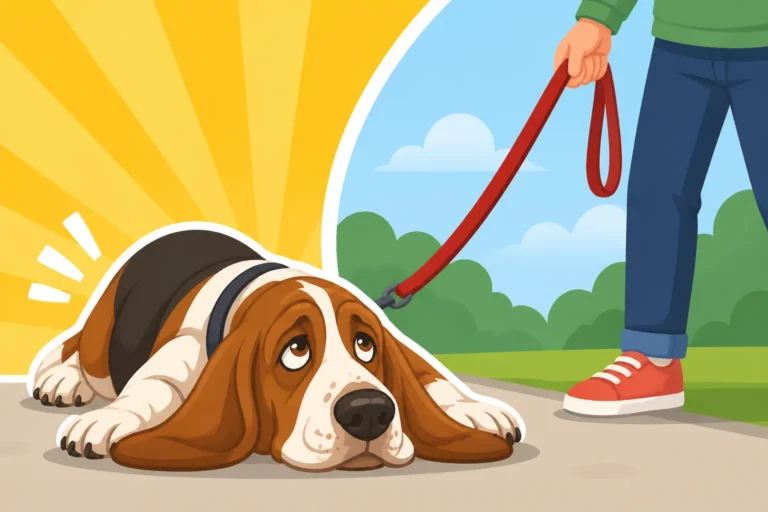
It's an age-old frustration for Basset Hound owners: you're out on a walk, enjoying the fresh air, when suddenly your beloved hound's nose hits a scent, and it's like you've completely vanished. They pull, they tug, their ears might even twitch, but your voice? It's just background noise. This guide is here to unravel why your Basset Hound becomes utterly impervious to your commands once a captivating scent trail is engaged, and more importantly, how you can navigate and manage this incredibly powerful, innate drive.
The Primal Call of the Scent Trail
For a Basset Hound, the world is primarily experienced through its nose. While we might notice a beautiful sunset or the sound of birdsong, your Basset is processing an intricate tapestry of olfactory information that tells a story far richer than anything our human senses can perceive. When that story gets really good – when a potent scent trail is laid out before them – it's less about them ignoring you and more about them being completely consumed by their deepest, most ancient instinct.
A Nose Engineered for the Ground
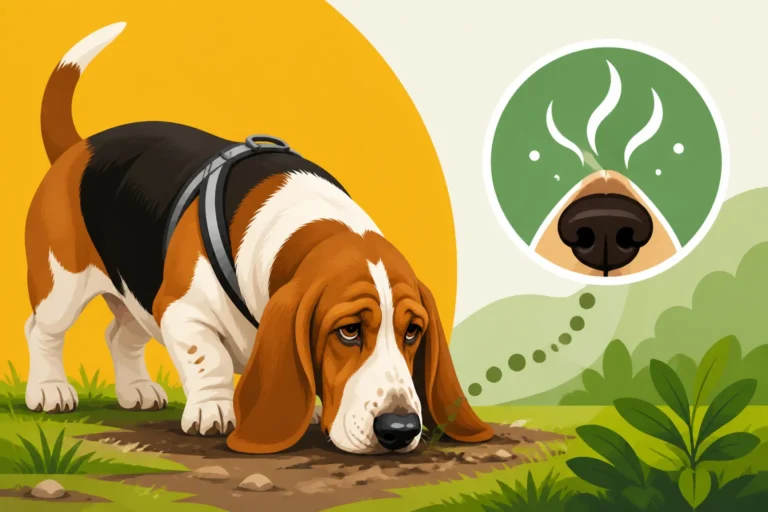
The Basset Hound's distinctive physical features aren't just for show; they are perfectly designed for scent detection. Their long, pendulous ears actually act like a natural sweep, gathering ground scent and directing it towards their incredible noses. The loose skin around their faces, particularly the dewlap, helps to trap and hold scent particles, creating a sort of personal "scent bubble" that intensifies the trail they're following. This isn't just a dog with a good nose; it's a dog that is a living, breathing scent-tracking machine.
Imagine trying to ignore the most captivating movie you've ever watched, with surround sound and incredible visuals, all while someone gently tries to talk to you about doing the dishes. That's a tiny glimpse into what a Basset Hound experiences. Their entire being is focused on deciphering the complex chemical signals left by another creature, whether it's a squirrel, a rabbit, or even just another dog that passed by hours ago. It's a highly specialized sense that overrides almost everything else. If you've ever wondered How Good a Basset Hound's Nose Actually Is, prepare to be amazed by the sheer capability.
The Ancestral Hunting Instinct
Basset Hounds were originally bred for hunting small game, particularly rabbits and hare, by following scent trails. This isn't just a hobby for them; it's what they were created to do. This deep-seated instinct means that when a Basset Hound picks up a strong scent, it's not simply curiosity; it's the activation of a centuries-old genetic program. Their ancestors, the Saint Hubert Hounds and other ancient French scent hounds, relied on this ability for survival and to provide food for their human companions.
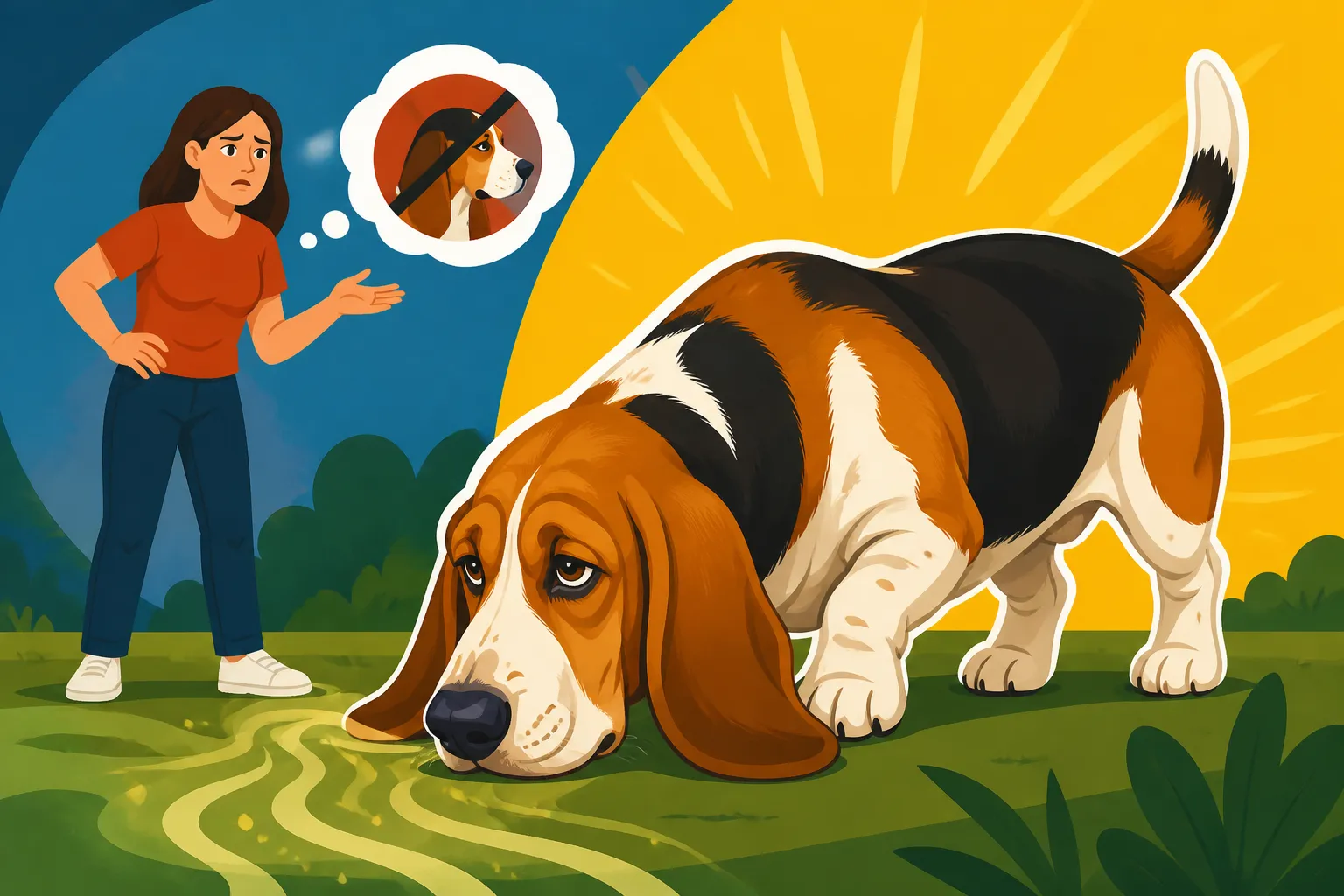
This profound instinct manifests as an almost trance-like state. When on a scent, your Basset is literally transported back to its ancestral purpose. Their focus becomes absolute, their world narrowing down to the trail beneath their nose. Commands, even those they know perfectly well in other contexts, fade into irrelevance because the primary directive from their ancient brain is to follow that scent. It's a biological imperative, not a choice to be disobedient.
Sensory Overload and Tunnel Vision
Think about how overwhelming strong smells can be for us. Now amplify that by a thousand-fold. When a Basset Hound hits a fresh, exciting scent, it's not just a faint whiff; it's an explosion of information that demands their full attention. Their brain is processing intricate details – the direction the animal was moving, how long ago it passed, its species, its health, its sex – all from microscopic scent particles. This sensory experience is so rich and consuming that it creates a kind of "scent tunnel vision."
In this state of hyper-focus, the Basset Hound's other senses, including hearing, become secondary. They might physically hear your voice, but their brain isn't processing it as a command or a call to action. It's simply not registering above the cacophony of scent data. This isn't a sign of naughtiness or a lack of affection; it's a physiological response to an overwhelmingly powerful sensory input, a testament to the incredible design of their olfactory system.
Understanding the Basset Hound's Brain on Scent
It's easy to get frustrated when your Basset Hound seems to "turn off" its ears in favor of its nose. Many owners feel ignored, or even disrespected, but understanding the unique way a Basset Hound's brain processes scent can shift this perspective from annoyance to appreciation for their remarkable abilities. It's a crucial step in learning how to work with, rather than against, their natural instincts.
The Hierarchy of Stimuli
In a Basset Hound's world, scent isn't just a stimulus; it's often the dominant stimulus, overriding others. While a Border Collie might prioritize visual cues from its handler, or a Golden Retriever might be driven by the desire to please, a Basset Hound's deepest programming is tied to its nose. When a scent trail is hot, it moves to the very top of their brain's priority list. Everything else, including your desperate pleas to "come!", slides down a few notches, or falls off the list entirely.
This isn't to say other stimuli don't exist. They absolutely do. A sudden loud noise might still startle them, or a familiar visual cue might momentarily break their concentration. However, the sustained, compelling nature of a scent trail means that these other inputs are often just fleeting distractions from their primary mission. It's a constant battle for their attention, and the scent usually wins, hands down.
It's Not Stubbornness, It's Drive
One of the most common misconceptions about Basset Hounds is that they are stubborn. While they certainly have a strong will, what often gets labeled as stubbornness when they're on a scent is actually a pure, unadulterated instinctual drive. They're not actively choosing to defy you; they're simply following an internal compass that tells them to pursue the scent. To a Basset, ignoring that scent would be like a human trying to ignore a sudden, loud alarm – it's incredibly difficult, if not impossible.
This profound drive is what makes them such effective scent hounds. Their persistence, their unwavering focus, and their ability to tune out distractions are all assets in a hunting scenario. In a domestic environment, these same traits can be challenging, but understanding their origin helps us approach training and management with more empathy and less frustration. It's less about Whether a Basset Hound Chooses Not to Obey and more about their fundamental wiring.
The Science Behind the Scent
The olfactory system of a Basset Hound is truly a marvel. They have an astounding number of scent receptors, far more than humans, and a highly developed olfactory bulb in their brain that is dedicated to processing these smells. They can differentiate between incredibly subtle nuances in scent that we can't even begin to imagine. When they hit a trail, they're not just sniffing; they're analyzing, tracking, and reconstructing events in their mind's eye.
Furthermore, a Basset Hound's memory is strongly linked to scent. A smell can trigger vivid recollections and an immediate, powerful desire to investigate. This means that even an old, faint scent can still hold immense power over them. Trying to pull them away from a scent is like asking a detective to abandon a crucial clue in a captivating mystery – it goes against their very nature and everything their brain is telling them to do.
The Reality of Basset Hound Training and Recall
Given their powerful drive and scent-focused nature, training a Basset Hound, especially when it comes to recall around distractions, requires a very specific approach. Generic obedience methods often fall short, leading to frustrated owners and hounds who are simply acting on instinct. It's about understanding limitations and leveraging what truly motivates them.
The Myth of Perfect Recall
Let's be honest: aiming for "perfect" off-leash recall with a Basset Hound in an unfenced area, especially one with enticing scents, is often setting yourself up for disappointment. While some Basset Hounds might achieve a decent recall in a low-distraction environment, the moment a truly captivating scent enters the picture, that recall can vanish into thin air. Their nose is simply a more powerful motivator than any command. Many owners come to realize The Recall a Basset Hound Will Never Reliably Give You.
This doesn't mean you shouldn't train recall diligently. On the contrary, it's vital for their safety and for your peace of mind. However, it's crucial to manage your expectations. Instead of striving for absolute control in all situations, aim for reliable control in safe situations and employ management strategies for high-risk environments. This realistic approach prevents burnout and builds a stronger bond based on mutual understanding rather than constant conflict.
Building a Foundation of Engagement
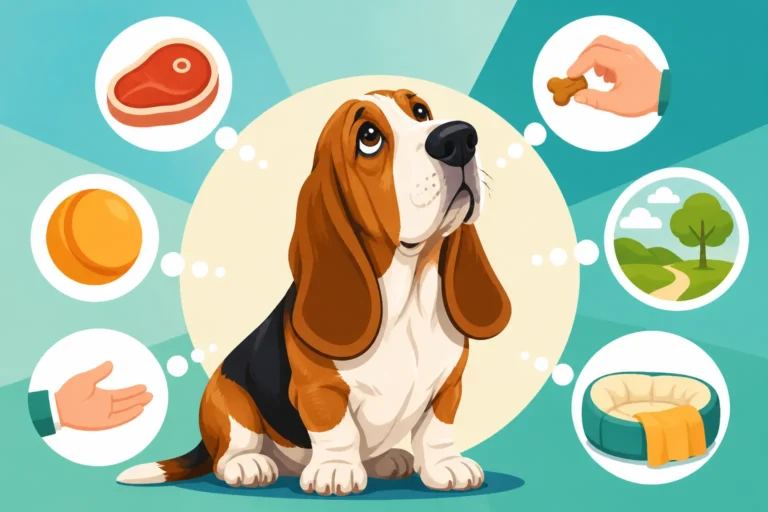
The key to any successful training with a Basset Hound, especially for recall, lies in building a strong foundation of engagement. This means becoming more interesting than the environment, even when the environment is bursting with enticing smells. For Basset Hounds, this often involves food. High-value, delicious treats are usually the most potent tool in your training arsenal. Think cooked chicken, cheese, or even liverwurst – something truly irresistible. Many Basset Hound owners find that What Actually Motivates a Basset Hound is often directly related to their stomach.
Practice recall in increasingly distracting environments, always starting with your hound on a long line for safety and control. Make coming back to you a joyous, rewarding experience, not a punishment for sniffing. Use an enthusiastic voice, big rewards, and plenty of praise. Short, frequent training sessions are more effective than long, drawn-out ones, as Basset Hounds can have a limited attention span for formal work. Programs like those offered by BAXTER & Bella can provide structured guidance for building this crucial foundation of engagement from puppyhood, helping you learn how to make yourself the most exciting thing in their world.
Managing Expectations in the Real World
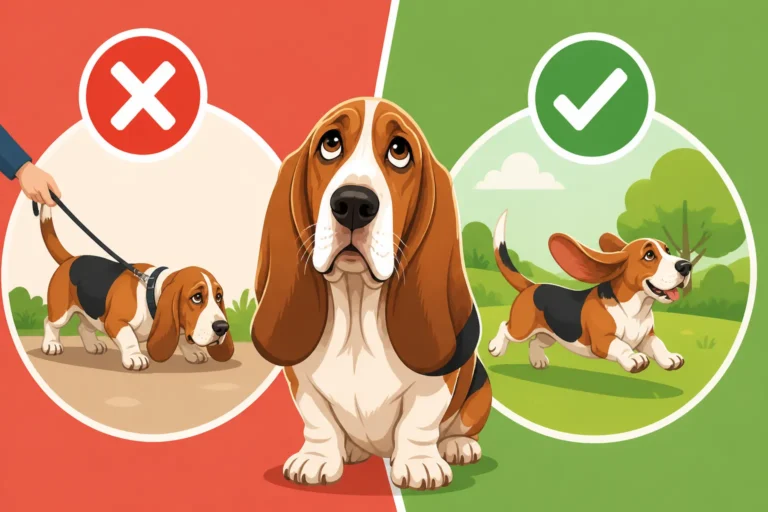
Ultimately, owning a Basset Hound means accepting that their nose is their master, and you're often just along for the ride. This isn't a criticism; it's a fundamental truth about the breed. In the real world, this translates to proactive management. If you are in an area with wildlife or open spaces, the answer to Whether a Basset Hound Should Ever Be Off Leash will almost always be a resounding "no." Their natural inclination to follow a scent will lead them far astray, potentially into dangerous situations like roads or unknown territories.
Instead of fighting their nature, learn to work with it. Understand that a walk isn't just about covering distance; it's about allowing them to engage their primary sense. This might mean allowing them to sniff extensively, within safe parameters. Adjust your expectations for what a "successful" walk looks like. Sometimes, a successful walk is simply one where they got to explore a myriad of scents safely, even if it meant a slower pace and frequent stops.
Strategies for Managing a Scent-Driven Basset Hound
Living with a Basset Hound who is hardwired to follow its nose can be a delightful adventure, but it absolutely requires smart management strategies to ensure their safety and your peace of mind. It’s about creating an environment where they can safely express their natural behaviors without putting themselves in harm's way.
The Power of the Long Line and Secure Spaces
When you're out and about, a long line is your best friend. This isn't just a suggestion; for a Basset Hound, it's often a necessity. A long line, ranging from 15 to 30 feet, allows your hound to explore scents more freely than on a standard leash, giving them a sense of freedom while still keeping them safely tethered to you. You can find excellent quality long lines made from biothane, nylon, or cotton on platforms like Amazon, offering different lengths and materials to suit your walking environment. This tool directly addresses the question of Whether a Long Line Is Enough for a Basset Hound in situations where off-leash freedom isn't feasible.
Beyond the long line, secure, fenced-in areas are invaluable. A Basset Hound will always follow a compelling scent, and a loose picket fence or a slightly open gate is an open invitation for an adventure that could quickly turn dangerous. Ensure your yard is truly escape-proof, with no gaps they can squeeze through or areas they can dig under. These secure spaces allow your Basset to enjoy off-leash time and engage their nose in a safe, contained environment.
Redirection and High-Value Rewards
When your Basset Hound locks onto a scent and becomes unresponsive, direct confrontation often fails. Instead of yelling or yanking, try redirection. The moment you see their nose go down and their ears tune out, immediately interrupt with a very high-value treat right at their nose. The goal is to break the spell of the scent and redirect their focus back to you, even for a split second. This strategy leverages the fact that Whether Food Beats a Scent for a Basset Hound is often yes, especially if the food is good enough.
Consistency is paramount. Every time you redirect successfully, reward heavily. This teaches them that engaging with you, even when a scent is present, leads to something even better. It's a continuous process of proving that you are the source of ultimate goodness. Over time, you can build a stronger association between hearing their name or a "come" cue and receiving an amazing reward, even if it's only 80% effective when that deer trail is particularly fresh.
Embracing Scent Work as an Outlet
Since your Basset Hound is so driven by scent, why not lean into it? Providing outlets for their natural abilities can be incredibly satisfying for them and can even reduce their overwhelming drive to "hunt" on walks. Scent work, nose work, or tracking classes are fantastic ways to engage their minds and bodies. These activities allow them to use their incredible noses in a structured, positive way, often with an objective they can "win," like finding a hidden treat or a specific scent.
Consider using snuffle mats, puzzle toys, or scattering kibble in the grass (in a safe area!) to allow them to "hunt" for their meals. This mental stimulation can be just as tiring, if not more so, than physical exercise. Participating in formal activities like tracking trials can be a huge bonding experience and provides a legitimate outlet for their innate talents. Exploring activities like these can help you discover Whether a Basset Hound Takes to Scent Work and excel at it, often surprising owners with their dedication.
When Professional Help Becomes Essential
Sometimes, despite your best efforts, managing a scent-driven Basset Hound feels overwhelming. You might be dealing with persistent pulling, an inability to get their attention even in low-distraction areas, or safety concerns that keep you from enjoying walks together. This is where professional help can make a huge difference, offering tailored strategies and expert guidance.
Recognizing When You Need an Expert
It's completely normal to feel like you've hit a wall with your Basset Hound's scent-driven behaviors. If you find yourself consistently frustrated, avoiding walks, or worried about your dog's safety, it's a clear sign that expert intervention could be beneficial. Perhaps you've tried all the standard advice – high-value treats, long lines, consistent recall practice – and you're still not seeing the progress you hoped for. Or maybe your hound's intense focus on scent is leading to other issues, such as anxiety or excessive barking when they can't access a trail.
An expert can offer a fresh perspective and help identify underlying issues or gaps in your current training approach. They can also assess your Basset Hound's individual personality and drives, crafting a plan that truly resonates with them rather than a one-size-fits-all solution. This isn't admitting defeat; it's being a responsible owner who seeks the best possible outcome for their beloved companion.
Choosing the Right Trainer for a Scent Hound
Not all dog trainers are created equal, and for a Basset Hound, choosing the right one is crucial. Look for trainers who have experience with scent hounds or breeds known for strong prey drive and independent natures. Avoid trainers who advocate for harsh corrections or punishment-based methods, as these can easily damage your Basset's trust and shut down their willingness to engage, especially when they are simply acting on instinct. A positive, reward-based approach is almost always more effective and builds a stronger relationship.
Ideally, find a trainer who understands the science of scent and animal behavior, and who can help you learn how to make yourself more compelling than the environment. They should be able to offer practical, real-world solutions for managing scent drive, such as advanced long-line handling techniques or creative ways to incorporate nose work into your daily routine. Don't be afraid to ask about their experience with Basset Hounds specifically or similar breeds.
Beyond Basic Obedience for the Basset Hound
While basic obedience is a great starting point for any dog, a Basset Hound often benefits from training that goes beyond "sit" and "stay." Think about classes or private sessions focused specifically on engagement, attention, and advanced recall in distracting environments. A good trainer can help you implement games and exercises that build your Basset's focus on you, even when there's an enticing smell just inches away.
They might introduce advanced scent work games that fulfill your Basset's innate drive in a controlled setting, which can, in turn, reduce the intensity of their "need" to follow every outdoor scent. Sometimes, it's not about eradicating the drive, but about channeling it constructively. You might even find that a professional can help you explore if Whether a Basset Hound Can Be Trained Off Trailing is possible to any degree, or at least how to gain a few precious seconds of attention before they are fully committed to the hunt. Remember, living with a Basset Hound is a journey of understanding and adaptation, and a good trainer can be an invaluable guide.
| Strategy | Description | Benefits | Considerations |
|---|---|---|---|
| Long Line | A leash 15-30ft long, allowing supervised exploration. | Gives freedom, keeps dog safe, allows gradual recall practice. | Requires space, can tangle, needs practice to handle. |
| High-Value Treats | Irresistible food used exclusively for critical training. | Highly motivating, can break scent focus, builds positive associations. | Must be truly high-value; avoid overuse in non-training. |
| Snuffle Mats/Puzzles | Toys that hide food, requiring nose work to retrieve. | Mental stimulation, fulfills scent drive, great for rainy days. | Can be messy, may not be engaging enough for all Bassets. |
| Secure Fencing | A physical barrier to prevent escape. | Ultimate safety for off-leash time, peace of mind. | Costly to install/maintain, Bassets can be diggers. |
| Scent Work Classes | Formal training in tracking or nose work. | Channels natural instinct, builds focus, strong bonding activity. | Requires time commitment, may not be available everywhere. |
Disclaimer
This article is for general informational purposes only and does not constitute professional advice. Laws, prices and regulations vary by location and change over time. Consult a qualified professional for guidance on your specific situation.