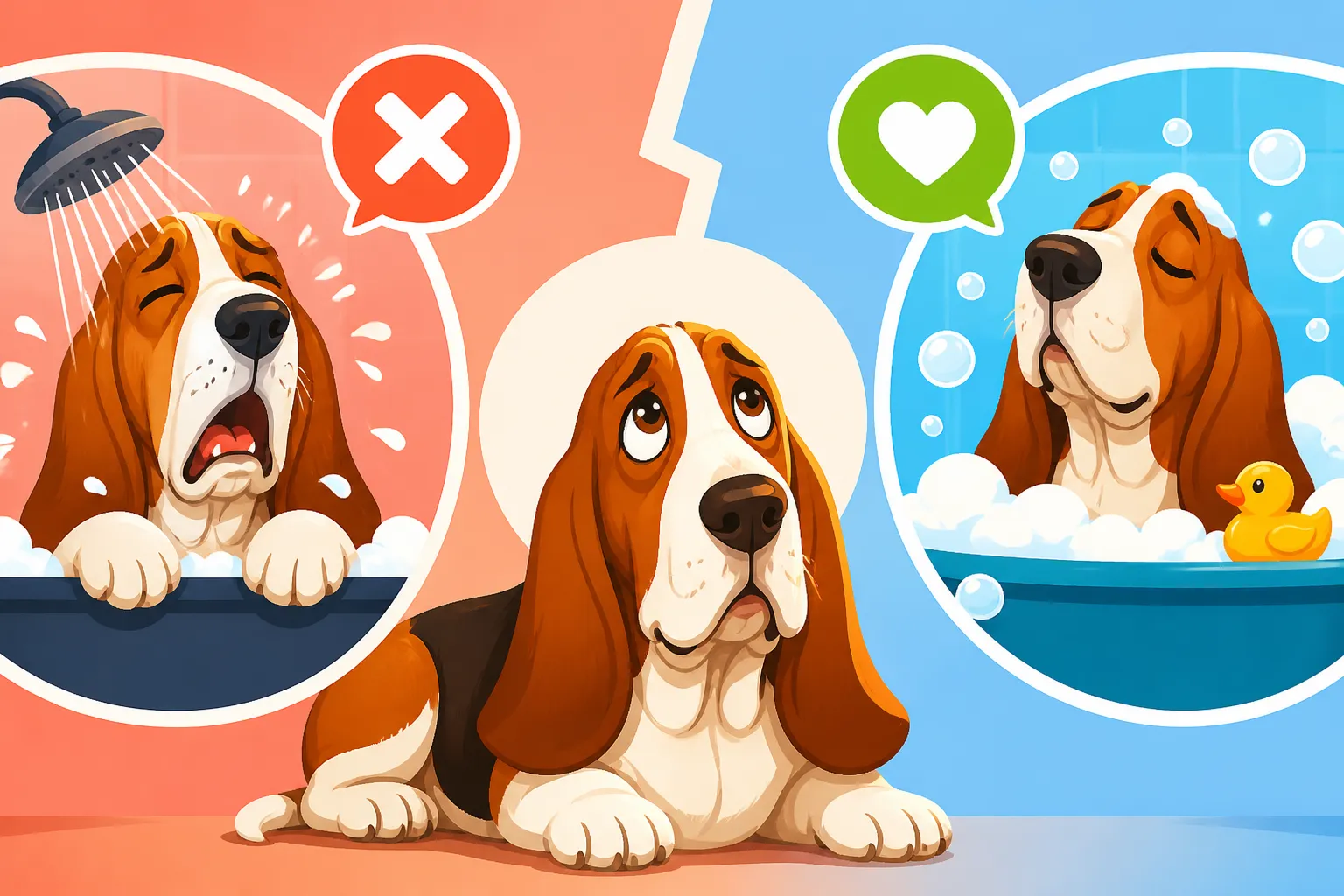
Whether a Basset Hound Tolerates a Bath
One of the ongoing struggles of being a Basset Hound parent is the reality of bath time. You love their long, luxurious ears and their endearing wrinkles, but when it comes to getting them clean, it often feels like you're trying to bathe a reluctant, floppy-eared sack of potatoes. It’s a common frustration, and many owners wonder just how much a Basset Hound truly tolerates a bath. This guide aims to prepare you for this inevitable, and often dramatic, part of Basset Hound ownership, offering practical advice to make it as smooth as possible for both of you.
Understanding the Basset Hound's Relationship with Water and Grooming
Let's be honest, most Basset Hounds aren't exactly lining up for a spa day. Their unique physical characteristics, coupled with their strong will and often casual approach to personal hygiene, make bath time a special kind of challenge.
The Basset Hound's Natural Inclination
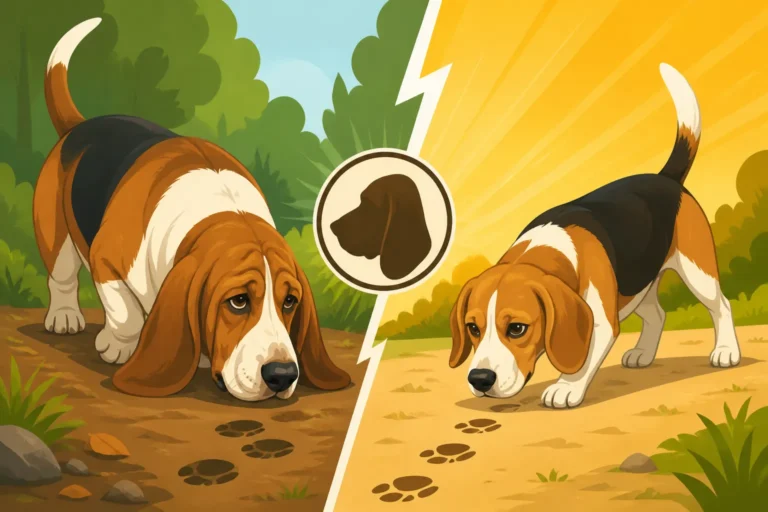
Basset Hounds are scent hounds through and through. Their primary motivation in life is often to follow their incredible noses, which inevitably leads them through mud puddles, interesting patches of grass, and anything else that might leave a lasting impression (and odor!) on their low-slung bodies. The idea of getting wet and having that wonderful, earthy smell rinsed away isn't exactly high on their priority list. For many Basset Hounds, being submerged in water or even just standing in a tub is an unnatural and somewhat alarming experience. They're often built with heavy bone and a barrel chest, which isn't exactly hydrodynamic, so they tend to sink rather than float, making them feel less secure in water. Whether a Basset Hound Sinks is a common concern for owners.
Their long, heavy ears can also become waterlogged and uncomfortable, adding to their general displeasure. It's not uncommon for a Basset Hound to act as if you're subjecting them to the worst torture imaginable, complete with dramatic sighs and mournful bays. This isn't usually because they're genuinely suffering, but because they are masters of expressing their strong opinions, and "I don't want a bath" is a very strong opinion indeed.
Why Regular Baths Are Non-Negotiable for Basset Hounds
Despite their protests, regular bathing is absolutely crucial for a Basset Hound's health and comfort. Their magnificent, loose skin, with all its glorious folds and wrinkles, is a prime breeding ground for bacteria and yeast if not kept clean and dry. These folds around their face, neck, and under their dewlap can trap moisture, dirt, and food debris, leading to painful skin fold infections ( Skin Fold Infections on a Basset Hound ). It's a never-ending battle, but one worth fighting for their well-being.
Their exceptionally long ears, while fantastic for sweeping scents, also create a warm, moist, and poorly ventilated environment, making them incredibly prone to ear infections. Why a Basset Hound's Ear Canal Never Dries is a fundamental reason for this. Regular bathing helps clean the external ear flaps and can be a good time to ensure no excessive dirt or debris is building up. Plus, let's address the elephant in the room: Basset Hounds can develop a distinct "houndy" odor. While some of this is natural, infrequent bathing can exacerbate it significantly. Keeping them clean helps manage this scent and makes them much more pleasant cuddle companions. Think of it less as a luxury and more as essential maintenance for a happy, healthy hound.
Preparing for the Basset Hound Bathing Experience
Getting ready for a Basset Hound bath isn't just about grabbing a bottle of shampoo; it's about strategizing. A well-prepared bath session can significantly reduce stress for both you and your furry friend.
Gathering Your Arsenal: Tools and Supplies
Before you even think about turning on the water, assemble everything you'll need within arm's reach. You don't want to be fumbling for items while wrestling a slippery, determined Basset Hound.
Here’s a checklist of essentials:
- Non-Slip Mat: This is non-negotiable. A slippery tub surface can make an anxious dog even more stressed and is a safety hazard for their long, delicate backs. You can find excellent options on platforms like Amazon.
- Dog-Specific Shampoo: Choose a mild, pH-balanced shampoo. Many Basset Hounds have sensitive skin, so an oatmeal-based, hypoallergenic, or veterinarian-recommended formula is often best. Avoid human shampoos, which can dry out their skin.
- Dog Conditioner (Optional but Recommended): A good conditioner can help maintain skin health and coat shine, especially important for their short, dense fur.
- Ear Cleaner and Cotton Balls: You'll want to clean their ears after the bath ( How to Clean a Basset Hound's Ears Properly ), but cotton balls are vital for protecting their ear canals during the bath.
- Multiple Towels: Basset Hounds absorb water like sponges! Have several large, absorbent towels ready.
- High-Velocity Dryer (Optional): If you have one, a pet-specific force dryer can significantly cut down drying time and help ensure those folds are completely dry. If not, plenty of towels and air-drying in a warm spot will do.
- Brush: A rubber curry brush ( Whether a Rubber Curry Works on a Basset Hound ) or a deshedding tool like a ZoomGroom is perfect for pre-bath brushing and also for working shampoo through their coat.
- Treats: Lots of high-value, easy-to-eat treats are your secret weapon for positive reinforcement.
- Lick Mat (Optional): A lick mat smeared with peanut butter or another safe, sticky treat can be a fantastic distraction mounted to the tub wall. You can find these easily on Amazon.
Setting the Scene: Making it a Positive Experience
The environment you create can dramatically influence your Basset Hound's bath tolerance. Start by creating a calm, quiet atmosphere. Avoid loud noises or chaotic activity right before or during bath time.
Ensure the water is comfortably warm – never too hot or too cold. Test it on your inner wrist, just as you would for a baby. Position the non-slip mat securely in the tub or shower. Having everything laid out and ready means you won't have to leave your dog unattended, even for a second, which can prevent escapes or further anxiety.
For puppies, or Basset Hounds new to bathing, focus on short, positive sessions. You might start by simply letting them stand in the dry tub with treats, then introduce a little warm water, slowly building up. Brands like BAXTER & Bella emphasize positive, force-free training methods, and their approach to making experiences like grooming positive and confidence-building can be very effective. It's all about making the bath feel less like a punishment and more like just another part of their routine where good things happen (like treats!).
A Step-by-Step Guide to Bathing Your Basset Hound
Now for the main event! Breaking the bath down into manageable steps can help keep you organized and reduce your Basset Hound's stress.
Pre-Bath Prep and Protection
Before the water even touches them, a few key steps can make a big difference.
First, give your Basset Hound a thorough brush. This helps remove loose hair and any dirt or debris that might be clinging to their coat. It also helps prevent matting, especially in longer-coated Bassets or those with slightly thicker undercoats, which can become worse when wet. A good brush can also help distribute natural oils and stimulate their skin. Whether a Basset Hound's Coat Needs Brushing is definitely a yes before bath time!
Next, protect those precious ears. Gently place large cotton balls just inside the opening of each ear canal. Don't push them too deep, but ensure they form a barrier to prevent water from entering, which can contribute to ear infections. Their long, floppy ear leathers should also be carefully managed throughout the bath to keep them out of the main splash zone. Some owners even tie them gently over the top of the head with a soft scrunchie for the duration of the bath.
If your Basset Hound is particularly squirmy, consider using a securely placed harness (never a collar, as it could choke them if they slip) attached to a suction cup tether in the tub, or simply have a helper. The idea isn't to restrain them forcefully, but to provide a sense of security and prevent unexpected escapes.
The Washing Process: From Head to Paws
Once prepped, it's time to get wet.
- Wet Thoroughly: Start by thoroughly wetting your Basset Hound's coat with lukewarm water. Use a detachable shower sprayer if you have one, as this provides better control and is less intimidating than pouring from a cup. Work from the neck downwards, avoiding their face initially. Ensure the water penetrates their dense undercoat right down to the skin.
- Apply Shampoo: Dilute your dog shampoo slightly with water in a separate cup – this helps it spread more easily and rinse out more thoroughly. Apply the shampoo, starting from their back and working it through their entire body, including their legs, paws, and undercarriage. Be sure to gently but firmly massage it into all those wonderful skin folds around their face, neck, and under their chin. These areas are notorious for trapping grime. Be extra careful around their eyes and mouth.
- The Face Wash: For their face, use a damp washcloth with a tiny drop of diluted shampoo, or simply warm water, to gently wipe their facial folds. Never spray water directly into their face. Cleaning a Basset Hound's Face Wrinkles is a crucial step to prevent irritation and infection.
- Rinse, Rinse, Rinse! This is perhaps the most important part. Basset Hounds have dense coats and many folds, which means shampoo residue can easily get trapped. Leftover shampoo can cause skin irritation, dryness, and itching. Rinse far longer than you think you need to. Run your hands over their coat to feel for any remaining slipperiness. Continue rinsing until the water runs clear and their fur feels "squeaky" clean, not slick. Pay special attention to the underside and between their legs.
Drying and Post-Bath Care
The drying process is just as important as the washing, especially for a Basset Hound.
- Towel Dry: Immediately after rinsing, begin towel drying. Use multiple absorbent towels to blot and rub as much water from their coat as possible. Pay particular attention to getting deep into their fur and gently drying inside all their skin folds. Don’t just pat the surface; really work to absorb the moisture.
- Forced Air Drying (Optional): If your Basset Hound tolerates it and you have a pet-specific force dryer (never a human hairdryer on high heat, as it can burn their skin!), this is ideal. It blasts water off their coat and helps dry the undercoat and skin folds thoroughly. Keep the dryer moving and at a comfortable temperature.
- Air Drying and Inspection: If air-drying, let your Basset Hound shake off (outdoors if possible!) and then keep them in a warm, draft-free area until they are completely dry. Crucially, regularly check all their skin folds and under their dewlap to ensure they are bone dry. Any residual moisture can quickly lead to yeast or bacterial infections.
- Ear Cleaning: Once your Basset Hound is mostly dry and calm, remove the cotton balls from their ears. Now is the perfect time to clean their ears with a veterinarian-approved ear cleaner. Which Ear Cleaner Suits a Basset Hound is important for their sensitive ears. Gently wipe away any discharge or wax you see.
- Nail Trim (Optional): Many dogs are calmer after a bath, making it a good time for a nail trim if needed. How Often a Basset Hound's Nails Need Cutting often depends on their activity level.
Strategies for a Smoother Bath Time
While bathing a Basset Hound might never be entirely stress-free, there are plenty of strategies you can employ to make the experience more tolerable for everyone involved.
Positive Reinforcement and Desensitization
The key to a Basset Hound who tolerates a bath is consistent positive reinforcement and gradual desensitization, ideally starting when they are a puppy. Even if you have an older dog, it's never too late to try.
- Start Small: Begin by simply familiarizing your Basset Hound with the bath area without water. Let them explore the tub, offer treats, and praise them for being calm.
- Gradual Introduction: Slowly introduce lukewarm water, perhaps just enough to cover their paws, while offering treats and praise. Build up the water level and the duration of the bath over several sessions.
- Treats Galore: High-value treats are your best friend. Offer them frequently throughout the bath, especially when your Basset Hound is calm or tolerating a step they usually dislike. A lick mat stuck to the tub wall can provide a continuous distraction.
- Calm Demeanor: Your energy is contagious. If you're stressed and rushed, your Basset Hound will pick up on it. Remain calm, speak in a soothing voice, and keep your movements gentle and deliberate.
- Professional Help: If your Basset Hound has extreme fear or aggression around baths, consider consulting a professional dog trainer or behaviorist. Resources from organizations like BAXTER & Bella can offer guidance on positive training techniques to address these fears.
Handling Common Basset Hound Bathing Challenges
Let's face it, Basset Hounds are known for their strong will, and bath time often brings out their most stubborn tendencies.
- Slipping and Unsteadiness: This is a big one. Their low center of gravity and long body can make them feel unstable in a slippery tub. The non-slip mat is paramount. If they still seem unsteady, consider wrapping a towel around their middle for extra grip while you support them.
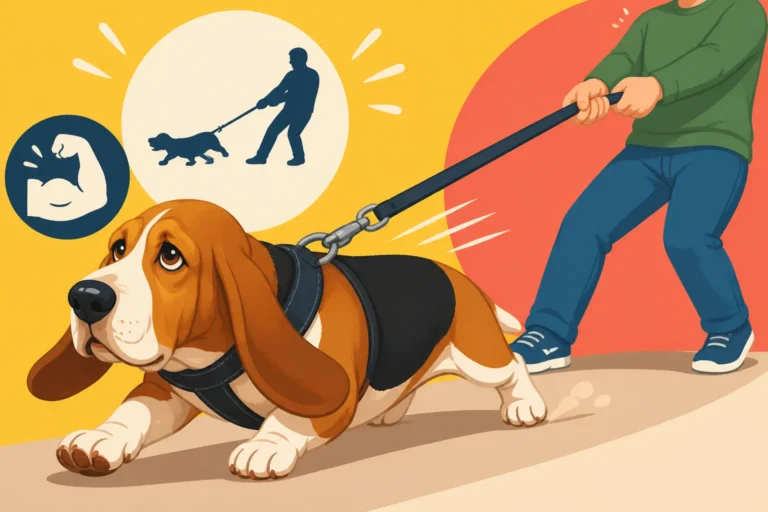
- Refusing to Enter the Tub: Some Bassets will plant their feet firmly and become dead weight. Don't try to drag them, as this can reinforce their fear. Lure them with treats, lead them gently with a leash and harness, or (if they are not too heavy and you can do so safely, protecting your back and theirs How to Lift a Basset Hound Safely ) carefully lift them into the tub.
- The Drama Queen/King: The mournful bays, the sighs, the "poor me" looks – it's all part of the Basset Hound charm. Acknowledge their feelings briefly ("I know, buddy, almost done"), but don't over-fuss, as this can inadvertently reinforce the dramatic behavior. Continue with your calm, gentle process and consistent rewards for cooperation.
- Water in the Ears/Eyes: Always be vigilant about protecting their ears with cotton balls. For their eyes, tilt their head slightly downwards when rinsing their face and use a gentle stream or wet cloth. Products easily found on Amazon like tear stain wipes can be used to clean around their eyes before or after the bath.
Alternatives to Traditional Bathing (When Appropriate)
Sometimes, a full bath simply isn't feasible, or your Basset Hound genuinely has a traumatic response. There are alternatives for in-between cleanups or emergencies.
- Waterless Shampoos and Wipes: These are excellent for quick clean-ups of muddy paws, dirty bellies, or localized spots. They won't replace a full bath but can extend the time between washes and keep your Basset Hound fresh.
- Professional Groomers: If bath time is a nightmare for you and your Basset Hound, consider taking them to a professional groomer. They have specialized equipment (like walk-in tubs and high-velocity dryers), experience with reluctant dogs, and can make the process much smoother. While it comes with a cost, it might be worth the peace of mind.
- Targeted Cleaning: For specific issues like dirty face folds or greasy ears, you might only need to clean those areas rather than giving a full bath. Whether a Basset Hound's Skin Folds Need Cleaning is an ongoing task, and specialized wipes can be a lifesaver.
Remember, every Basset Hound is an individual. What works for one might not work for another. Be patient, be consistent, and always prioritize their comfort and safety.
Comparing Bathing Strategies for Your Basset Hound
To help you decide the best approach for your Basset Hound, here's a comparison of common bathing methods:
| Feature | Traditional Tub Bath (at home) | Walk-in Shower (at home) | Professional Groomer | Waterless Bath/Wipes (at home) |
|---|---|---|---|---|
| Pros | Cost-effective, familiar environment, complete control over products | Easier entry/exit, good for large/senior dogs, easier on owner's back | Expert handling, specialized equipment, full groom (nails, glands etc.) | Quick, no full wetting needed, good for touch-ups, less stress |
| Cons | Difficult lifting, bending, slippery surfaces, dog can jump out | May still require lifting for small dogs, can be messy in bathroom | Higher cost, can be stressful for anxious dogs, less personalized timing | Not a substitute for full bath, doesn't deep clean folds |
| Basset Hound Tolerance | Varies wildly, often low without positive reinforcement | Often better than tub due to easier access, less confinement | Can be very good due to experienced handlers or very stressful | Generally high, as it's quick and less intrusive |
| Best For | Owners on a budget, patient owners, dogs used to baths from puppyhood | Owners with back issues, larger/older Basset Hounds | Owners who struggle, dogs needing regular full grooming, severe anxiety | Between full baths, minor messes, quick freshening |
| Key Considerations | Non-slip mat essential, ear protection, plenty of treats | Non-slip mat essential, ensure good drainage | Research groomers carefully, discuss dog's temperament | Use dog-specific products, dry folds thoroughly |
Disclaimer
This article is for general informational purposes only and does not constitute professional advice. Laws, prices and regulations vary by location and change over time. Consult a qualified professional for guidance on your specific situation.