The Age a Basset Hound Finally Matures
Oh, the age-old question for us Basset Hound parents: "When will they finally calm down?" It’s a common frustration to feel like your perpetually goofy, sniff-driven companion is stuck in a state of puppy-like exuberance, even when they're undeniably adult-sized. If you’re wondering when your Basset Hound will genuinely settle into a more mature, predictable rhythm, this guide is going to walk you through the various stages of their development, helping you understand what to expect and when.
Understanding Basset Hound Development Stages
Living with a Basset Hound means embracing a unique blend of stubborn charm and profound loyalty. But before they get to that wise, old soul stage, they navigate several distinct developmental phases, each with its own set of quirks and challenges. It’s not just a switch that flips; it’s a gradual journey.
Puppyhood: The Early Months of Basset Chaos
When you first bring home that adorable, wrinkled bundle of joy, you're entering the true puppy phase, typically from 8 weeks up to about 6-8 months. This is a whirlwind of discovery, relentless sniffing, and boundless, if sometimes clumsy, energy. Those short little legs can still zoom with surprising speed, and their curiosity is insatiable. During this time, Basset puppies are sponges, soaking up everything around them, good or bad. They're exploring their world with their incredible noses, learning house rules (or testing them!), and developing their personalities. You'll be knee-deep in potty training, teaching basic manners, and trying to redirect that keen nose from investigating every crumb on the floor to more appropriate activities. It's a critical time for socialization, exposing them to new sights, sounds, people, and other well-behaved dogs, laying the groundwork for a confident adult. You'll find yourself wondering The First Year With a Basset Hound Puppy often.
Adolescence: The Basset's "Teenage" Years
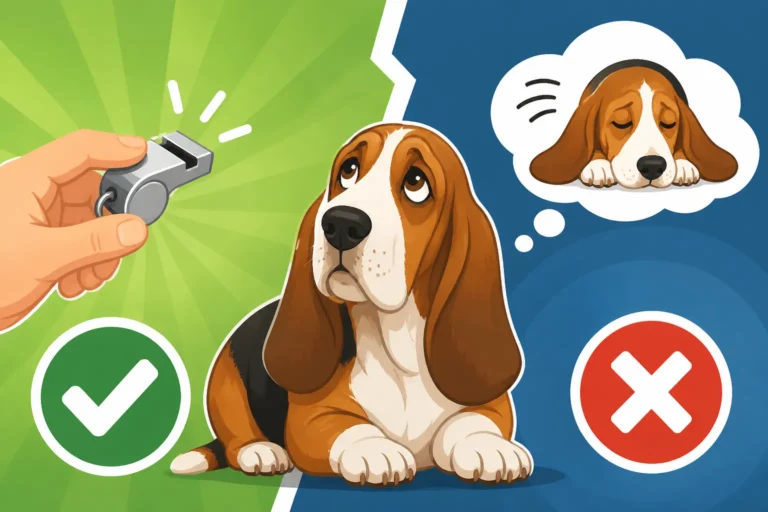
Ah, adolescence. If puppyhood was a sprint, adolescence is a marathon with several unexpected detours. For Basset Hounds, this phase typically kicks in around 6-8 months and can last until they're about 18 months to 2 years old, sometimes even a bit longer. Just like human teenagers, adolescent Bassets can seem to "forget" everything they've learned. That perfect recall you thought you had? Gone with the wind the moment an interesting scent wafts by. They might test boundaries, show increased independence (read: selective deafness when you call their name), and their energy levels can be erratic – bursts of zoomies followed by epic naps. This is also when some of their more "Basset-y" traits, like their impressive baying voice and stubbornness, really start to shine through. It can be a frustrating period, making you question your training efforts, but consistency and patience are your best friends here. Many Basset owners find themselves repeating the house training process during this time, so don't despair if you feel like How Long a Basset Hound Puppy Takes to House Train again.
Adulthood: When They Truly Settle
The transition into true adulthood is where you'll finally start seeing that mellow, contented Basset Hound that the breed is famous for. For most Bassets, this generally happens somewhere between 1.5 to 3 years of age. Some mature a little earlier, others take their sweet time, stretching closer to three years old before fully settling into their adult selves. When they reach this stage, their boundless puppy energy gives way to a more measured, calm demeanor. They're still active and love their walks and sniff-a-thons, but the frenetic, impulsive energy of youth subsides. They become more predictable, more responsive to commands (though always with that Basset charm), and generally more content to snooze on the sofa. This is when their personality solidifies, and you get to enjoy the full depth of their affectionate and sometimes comical nature without the constant "teenage" pushback.
Physical vs. Mental Maturity in Basset Hounds
It's a common misconception that once a dog looks like an adult, they are an adult in every sense. With Basset Hounds, this couldn't be further from the truth. There's often a significant lag between when their bodies stop growing and when their minds catch up.
Reaching Full Physical Stature
Basset Hounds are stout, heavily boned dogs, and they take a bit of time to fill out. Generally, a Basset Hound will reach their full height and length by about 12-18 months of age. You'll notice their growth spurts start to slow down, and they'll look proportionate to their adult size. However, they'll continue to fill out, muscle up, and broaden their chests until they're closer to 2 years old. This means that while they might look like a miniature tank by their first birthday, they're still developing physically. It's important to keep them at a healthy weight during this time, as extra strain on developing joints can cause issues later on. You can dive deeper into this at The Age a Basset Hound Reaches Full Size.
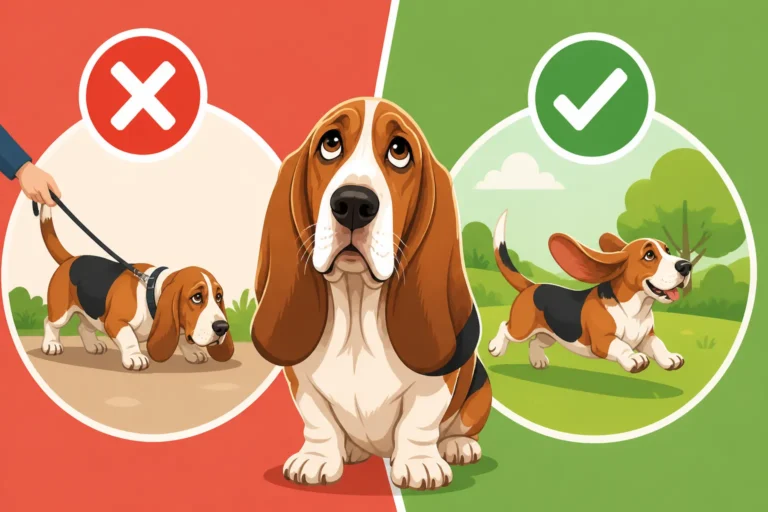
Consider a young Basset Hound, say around 10 months old, who has already hit his adult height. He might look sturdy, but his bones are still strengthening, and his muscles are still developing. If he's allowed to jump off high furniture or engage in overly strenuous, repetitive exercise, it could impact his long-term joint health. This is why many vets recommend waiting until at least 18 months, or even two years, for activities like extensive jogging or competitive agility. Even a short-legged breed like the Basset needs time for its unique skeletal structure to fully mature and solidify.
The Slow Road to Mental Calmness
This is often the part that surprises new Basset owners. While their physical growth tapers off around 1.5 to 2 years, their mental maturity can lag behind significantly. It's not uncommon for a Basset Hound to act like a clumsy, goofy puppy until they are 2.5 or even 3 years old. This mental maturation involves developing better impulse control, a longer attention span, and a more consistent understanding of rules and boundaries.
Think of it this way: your 18-month-old Basset might physically be capable of a leisurely walk, but mentally, they're still hyper-focused on every single scent, easily distracted, and prone to pulling on the leash with the single-minded determination only a Basset can possess. Their ability to choose to obey a known command over an exciting distraction grows slowly. This delayed mental maturity means that consistent training and socialization are vital throughout their adolescent years and well into their young adulthood. Don't get discouraged if you feel like Whether a Basset Hound Learns Slowly; they often do, but they do learn. You might find resources from platforms like BAXTER & Bella helpful during this extended training period, as their online courses often emphasize consistent, positive reinforcement for those "late bloomers."
| Aspect of Maturity | Typical Onset | Full Attainment (Approx.) | Key Characteristics |
|---|---|---|---|
| Physical Size | 6-12 months | 18-24 months | Full height/length, muscle mass, bone density |
| Sexual Maturity | 6-12 months | Varies | Reproductive capability, hormonal changes (spaying/neutering influences this) |
| Mental Maturity | 18 months | 2.5 – 3 years (or more!) | Impulse control, consistency, calmness, attention span |
| Social Maturity | 18 months | 2.5 – 3 years | Understanding dog-dog etiquette, less reactivity |
Factors Influencing a Basset Hound's Maturity Timeline
While there are general timelines, every Basset Hound is an individual. Several factors can play a significant role in how quickly or slowly your particular Basset buddy matures.
Genetics and Individual Differences
Just like people, Basset Hounds have unique genetic blueprints. Some lines are known for being a bit more "puppy-like" for longer, while others might settle down a bit earlier. Breed standard and lineage can sometimes play a role, though it's not a hard and fast rule. For instance, some lines might be bred with a slightly higher drive, which can translate to a longer period of high energy. Beyond genetics, each dog simply has its own personality. You might have a Basset who is naturally more mellow from a young age, or one who is a perpetual clown, delighting in their youthful antics for years. It's truly a lottery, but it's part of what makes each Basset so special.
Environment, Training, and Socialization
The way a Basset is raised and the experiences it has can profoundly impact its maturity. A dog that receives consistent, positive reinforcement training from a young age, coupled with ample socialization, often appears to mature more gracefully. They understand expectations, learn impulse control, and are generally more confident in various situations.
Conversely, a Basset that lacks proper training, is constantly allowed to practice undesirable behaviors, or lives in an inconsistent environment might seem to take longer to "grow up." They might struggle with basic commands, exhibit more anxiety, or have difficulty settling. Enrichment is key too; a Basset whose intelligent nose isn't engaged might find less constructive outlets for its energy. Using interactive puzzle toys from places like Amazon, or engaging in scent work, can help them mature by providing mental stimulation. Don't underestimate the power of these foundations; they build the framework for a well-adjusted adult dog. Consistent effort during the younger years can make a huge difference in how quickly Whether a Basset Hound Learns Slowly becomes "my Basset Hound learned it eventually."
Nutrition and Overall Health
A healthy body supports a healthy mind. Proper nutrition plays a crucial role in a Basset Hound's development. A well-balanced diet appropriate for their age and activity level ensures their brain and body have the fuel they need to grow and mature. Overfeeding, especially with rich foods, can lead to excessive weight, which puts undue strain on their developing joints, potentially causing discomfort that manifests as behavioral issues or a reluctance to engage.
Similarly, underlying health issues can impact a Basset's demeanor. Chronic pain, for example, can make a dog irritable, less tolerant of handling, and generally less able to relax or learn. Regular veterinary check-ups are essential to catch any health concerns early. If your Basset seems unusually restless, lethargic, or suddenly "regresses" in their training, a vet visit is always a good idea to rule out any medical causes. Sometimes, what looks like immaturity could be a symptom of something else. Keep an eye on What Extra Weight Does to a Basset Hound as they grow, as their unique body shape makes them particularly susceptible to issues from carrying too many pounds.
Recognizing the Signs of Maturity
So, how do you know when your Basset Hound is finally entering that coveted mature phase? It's not usually a sudden transformation, but rather a collection of subtle, yet significant, shifts in behavior and temperament.
Behavioral Shifts Towards Calmness
One of the most noticeable signs of maturity is a general decrease in frantic energy and an increase in a calm, settled demeanor. While they'll still have bursts of playful energy, especially when excited or when it's walk time, these bursts become less frequent and shorter in duration. You might observe them:
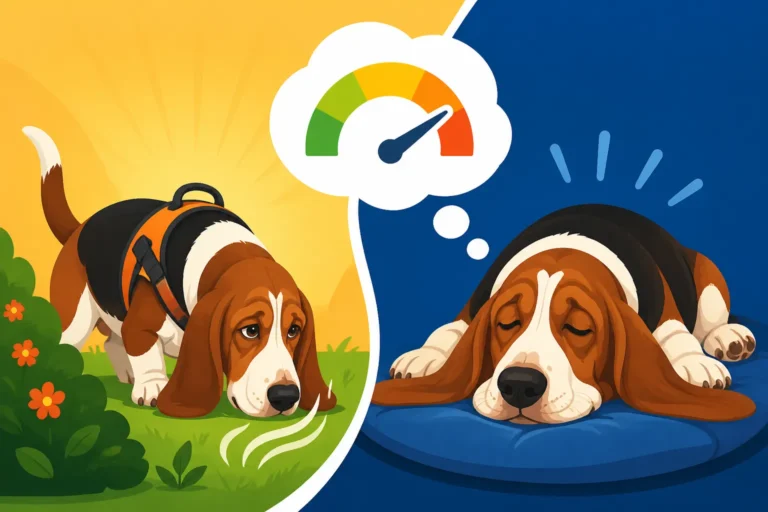
- Snoozing More Often: They spend more time relaxing, whether it's stretched out on their orthopedic bed or curled up on the sofa. The restless pacing or constant seeking of attention diminishes.
- Improved Impulse Control: They're better able to resist the urge to jump on guests, counter surf, or chase every squirrel they spot. This doesn't mean they'll be perfect, but their ability to stop and think (even for a split second) improves.
- Less Destructive Behavior: Many adolescent Bassets can be quite destructive when bored or left alone. As they mature, this often subsides, provided they have appropriate outlets for their energy and mental stimulation. If your Basset is past the age of two and still tearing things up, it might be worth investigating if Whether a Basset Hound Gets Separation Anxiety is an issue, rather than just immaturity.
- Greater Patience: They might wait more calmly for their food bowl, tolerate grooming sessions (like ear cleaning or nail trims) with less fuss, and be less demanding of your attention.
It’s about a general shift from an excitable, always-on-the-go mentality to a more laid-back, "I'm here, I'm content" attitude. They'll still be your goofy Basset, but with a newfound serenity. You might notice that Whether a Basset Hound Grows Quieter With Age too, as the incessant baying or whining from their youth subsides.
Consistency in Training and Daily Routines
Another key indicator of maturity is a marked improvement in their consistency with training and adherence to daily routines. While you've likely been working on commands and house rules since puppyhood, a mature Basset will demonstrate a deeper understanding and a more reliable response.
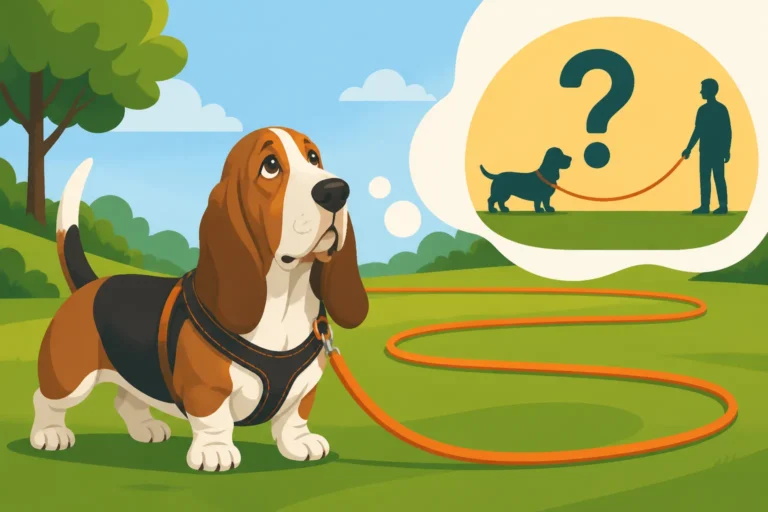
- Reliable Recall (Relatively Speaking): While a Basset's recall will never be 100% bomb-proof due to their powerful scent drive, a mature Basset will be significantly more responsive to their name or a recall cue, even with minor distractions. You'll still want to keep them on a Whether a Long Line Is Enough for a Basset Hound in unfenced areas, but the effort to get their attention will decrease.
- Predictable House Manners: They'll understand and consistently follow house rules, such as not jumping on furniture (unless invited!), waiting at the door, and being reliably house-trained. Accidents become rare occurrences, usually tied to illness rather than forgetfulness.
- Settling More Easily: Whether it's in their crate, on a car ride, or during a quiet evening at home, a mature Basset will settle down much more readily. They're less likely to whine, pace, or demand constant entertainment. This can be a huge relief, especially if you've been grappling with an overly boisterous adolescent.
This isn't to say a mature Basset Hound is a robot. They'll still have their moments of Basset stubbornness and independent thought, especially if a captivating scent crosses their path. But the overall trend will be towards a more predictable, calm, and responsive companion. It's a wonderful stage where all your hard work and patience truly begin to pay off, allowing you to enjoy the unique charm of this incredible breed even more. They still need Whether a Basset Hound Needs Any Real Exercise, but the intensity might change.
Disclaimer
This article is for general informational purposes only and does not constitute professional advice. Laws, prices and regulations vary by location and change over time. Consult a qualified professional for guidance on your specific situation.