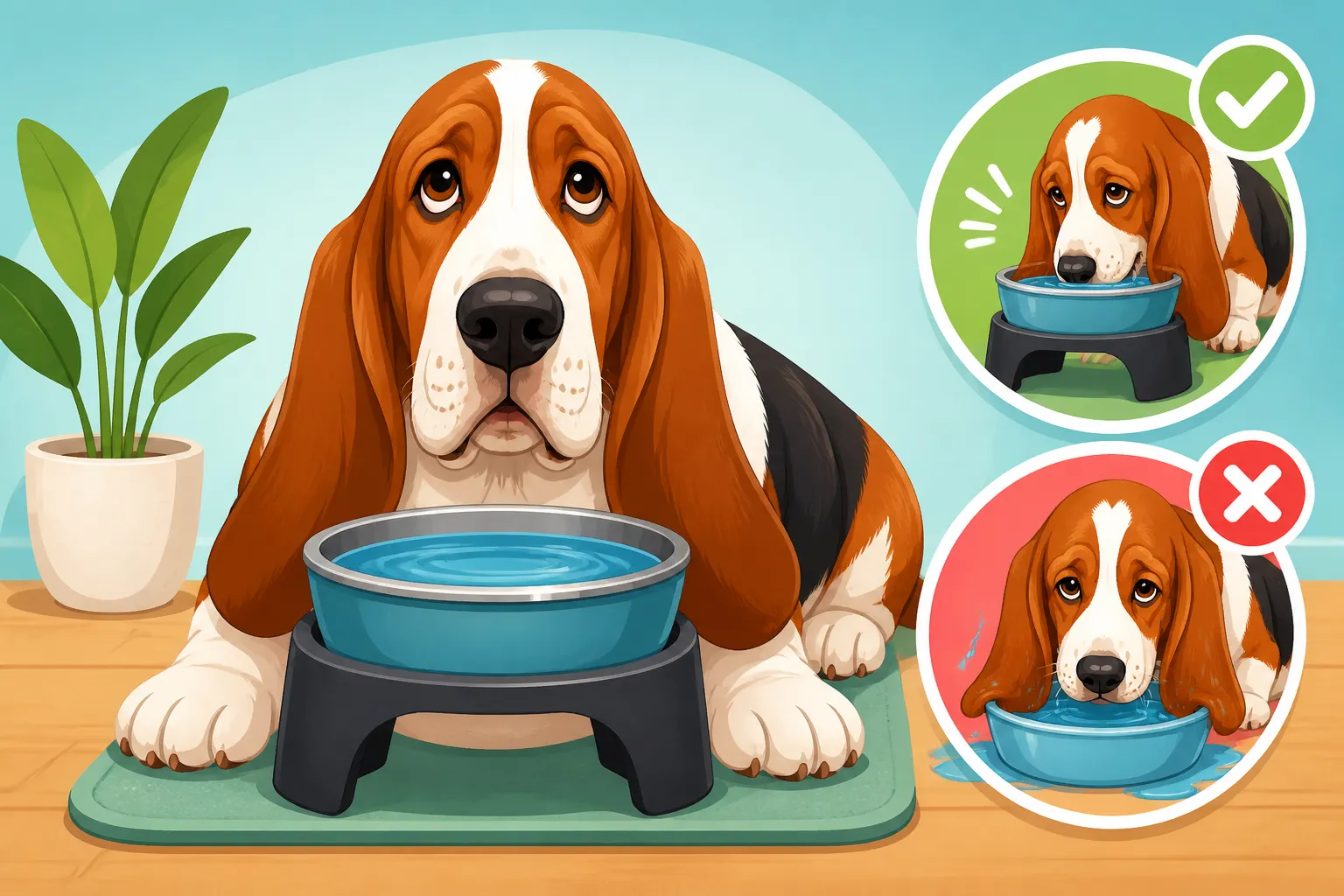
Keeping a Basset Hound’s Ears Out of the Water Bowl
Oh, the sheer joy of a Basset Hound! Their soulful eyes, their endearing waddle, and those magnificent, ridiculously long ears that sweep the floor like miniature velvet mops. As much as we adore them, any Basset owner knows the unique frustration that comes with those beautiful ears constantly dipping into the water bowl, creating a soggy mess and, more importantly, a potential breeding ground for nasty ear infections. It’s not just a minor inconvenience; it’s a daily battle against dampness and drama. This guide is here to walk you through understanding why this happens and, more importantly, how to keep those precious ears dry and healthy, saving you from constant cleanup and your Basset from discomfort.
The Challenge of the Basset Hound's Magnificent Ears
Owning a Basset Hound means falling head over heels for their signature features, and those long, pendulous ears are undeniably at the top of the list. They frame that expressive face perfectly, giving them that classic, world-weary look we all adore. But let's be real, what makes them so charming also makes them a source of ongoing maintenance and, if we're not careful, significant health issues. It's a love-hate relationship with those floppy wonders.
Why Those Long Ears Are a Double-Edged Sword
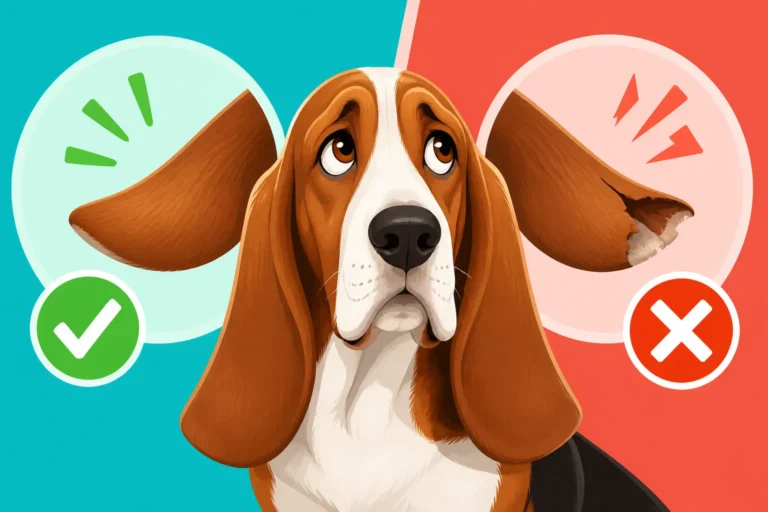
From a historical perspective, a Basset Hound's ears weren't designed for aesthetics alone; they were bred for function. Imagine a Basset trailing a scent through dense undergrowth, nose to the ground. Those long, heavy ears, sometimes reaching twelve inches or more, act like natural scent magnets, sweeping the ground and funneling subtle odors directly towards their incredibly sensitive nose. It's truly fascinating how their anatomy supports their primary purpose. Whether a Basset Hound's Ears Stir Scent Toward Its Nose This design, however brilliant for hunting, is absolutely terrible for drinking. When your Basset leans down for a slurp, those ears, by design, dangle directly into the water, becoming soaked in seconds. They don't just graze the surface; they immerse themselves fully, absorbing liquid like sponges.
Beyond the water bowl, their sheer length means they drag through everything else too – mud, morning dew, your breakfast crumbs that missed your mouth, whatever unfortunate spill happened on the floor. It's an inevitable consequence of their unique build. We sign up for these long ears because they are part of the Basset charm, but we also sign up for the challenges that come with them. There's no escaping the fact that their magnificent ears, while perfect for their original job, are simply not practical for modern indoor living, especially around liquids.
The Real Problems Wet Ears Create
A casual dip in the water bowl might seem harmless, but for a Basset Hound, wet ears are a precursor to a host of problems. The ear canal of a Basset is already a tricky environment. It's long, narrow, and L-shaped, meaning air circulation is minimal, and moisture gets trapped easily. When you add a constantly wet ear flap to this equation, you're essentially creating a warm, damp incubator – the perfect party spot for bacteria and yeast. This is why Basset Hounds are notoriously prone to ear infections. Why a Basset Hound's Ear Canal Never Dries
These aren't just minor irritations; we're talking about deep, painful, chronic infections that can lead to significant discomfort for your dog and considerable expense for you. The skin inside the ear and along the ear flap can become inflamed, itchy, and smelly. Persistent moisture can also lead to skin fold infections along the inside of the ear leather, where the skin stays perpetually damp and warm. The Skin Under a Basset Hound's Folds Beyond the health implications, there's the sheer mess factor. A Basset with wet ears will inevitably shake its head, sending water (and whatever else their ears dragged through) spraying across your walls, furniture, and any unsuspecting bystanders. It's not just a minor annoyance; it's a daily clean-up operation that can truly test your patience.
Understanding Your Basset Hound's Drinking Habits
It’s easy to get frustrated when your Basset dunks its ears for the tenth time in an hour, but it’s important to remember that they aren't doing it to be naughty. They're just being dogs, and specifically, Basset Hounds. Their anatomy dictates a lot of their behavior, and drinking is no exception. We need to try and see it from their perspective, even if that perspective doesn't involve much foresight about wet ears.
The Instinct to Drink
Dogs, by nature, don't possess the same level of self-awareness we do, especially when it comes to mundane tasks like drinking water. They're driven by instinct and immediate needs. When your Basset feels thirsty, their priority is simply to get water into their body. They aren't consciously thinking, "Oh, I should hold my ears out of the way," or "I need to angle my head just so." Their brain says "thirst," and their body responds by going to the water bowl and lapping up the liquid.
It's similar to how some dogs gulp their food too fast – they're focused on the immediate satisfaction, not the long-term consequences of an upset stomach. For a Basset, those long ears are just there. They're part of their body, and the dog simply doesn't register them as an impediment or something that needs to be actively managed during drinking. Expecting them to keep their ears dry on their own is like asking a child not to splash in a puddle – it goes against their natural inclination and physical design. Validating this instinct helps us understand that the solution lies not in training them not to get wet, but in changing the environment or providing tools to prevent it.
Observing Their Approach to the Bowl
Take a moment to watch your Basset drink from a standard bowl. What you'll likely notice is a very characteristic, almost unavoidable, motion. They lower their head, often quite deeply, to reach the water. Because their necks are relatively short and their bodies long and low-slung, they can't just hover above the bowl. They have to get down there. And as they do, those long, heavy ear leathers simply drop into the bowl with gravity.
It's not a deliberate dunk. It's a natural consequence of their posture, their short legs, and their ear length. Some Bassets might try to drink from the very edge of a bowl, but even then, a slight shift, a deeper gulp, and splash – those ears are wet again. You might even see them attempt to lift their head quickly, sending a cascade of water flying, or they might just carry on drinking, seemingly oblivious to the fact that their ears are now completely saturated. This observation is key because it tells us that any solution must accommodate their natural drinking posture and physical attributes, rather than trying to force them into an unnatural way of drinking. The problem isn't their technique; it's the incompatibility of their ears with a standard water vessel.
Practical Solutions for Keeping Ears Dry
So, what's a loving Basset owner to do? We can't change their ears (nor would we want to!), and we can't expect them to magically understand physics. The good news is, clever folks have come up with a few practical solutions that really do make a difference. It's all about making small adjustments that yield big results for ear health and household sanity.
The Mighty Snood: A Basset Hound's Best Friend
If you haven't discovered the wonder of the dog snood yet, prepare for a revelation! A snood is essentially a fabric tube or hood that slips over your dog's head, snugly encasing their ears and holding them close to their face, completely out of the way. Think of it as a fashionable, functional ear protector. For a Basset Hound, a snood is nothing short of a lifesaver when it comes to meal times or water breaks. Whether a Snood Helps a Basset Hound at Dinner
When your Basset is about to drink or eat, you simply slip the snood on, making sure both ears are tucked inside. They can then lower their head to the bowl without their ears ever touching the liquid. After they've finished, you just slip it off. It sounds simple, and it really is. Snoods come in various materials, from breathable mesh for warm weather to thicker fabrics for cold. The key is finding one that fits well – not too tight, but snug enough to stay put. Many owners swear by them, not just for meal and water times, but also during walks in wet grass or even while grooming to keep hair out of the way. You can find a good selection of snoods on platforms like Amazon, with various colors and patterns to choose from.
Introducing a snood might take a little patience at first. Your Basset might look at you like you've completely lost your mind, or try to paw it off. However, with positive reinforcement (treats always help!), most Bassets quickly learn to tolerate it, especially if they associate it with getting to eat or drink. It becomes a routine, a signal. A comfortable, well-fitting snood is worth its weight in gold for preventing wet ears and the myriad problems they cause.
Specialized Water Bowls That Make a Difference
Beyond the snood, there's an entire world of specially designed water bowls aimed at solving the wet ear dilemma for long-eared breeds. These aren't just fancy bowls; they're engineered with specific features to keep those ears out of the water. The primary goal is to provide a drinking surface that's narrow enough, or with specific barriers, to prevent the ears from dipping in.
One popular type is a narrow, deep bowl. These bowls have a smaller opening at the top, often just wide enough for the dog's snout to fit through to drink. The water level is lower, and the narrow rim creates a natural barrier, forcing the ears to stay outside the perimeter. Another excellent option is a "spaniel bowl," which is explicitly designed for breeds with long, floppy ears. These often have a tall, conical shape with a small base and a narrow mouth, achieving the same effect. Some bowls even feature a floating disc that only exposes a small amount of water at a time, preventing large splashes and keeping ears away from the main water reservoir. Brands like OurPets DuraPet and Neater Feeder offer options that cater to this need, often found readily on pet supply sites like Chewy.
When choosing a specialized bowl, consider the material (stainless steel is often preferred for hygiene and durability), stability (you don't want it tipping over), and ease of cleaning. It's often a process of trial and error to find the perfect fit for your individual Basset and your home setup, but investing in one of these can drastically reduce wet ears and the associated health risks.
Water Bottle Alternatives: Is It Feasible?
You might wonder about using a water bottle, similar to what you'd see in a hamster cage, for your Basset Hound. The idea is sound: a nozzle-based system means no open water, and therefore, no wet ears. However, while theoretically appealing, practically, it can be a bit more challenging for a large dog like a Basset.
For starters, a Basset Hound, despite its relatively low height, is a substantial dog with a significant thirst. A small rodent-style water bottle wouldn't provide nearly enough water, requiring constant refills. You'd need a much larger capacity bottle, specifically designed for dogs, which often have a broader lick-spout. Even with these larger versions, some Bassets struggle to get sufficient water quickly, especially if they're panting after a walk or particularly thirsty. The act of licking from a spout is also quite different from lapping, and some dogs simply don't take to it naturally. It can be a slower process, and if they're frustrated, they might not drink enough.
Furthermore, training a Basset to use a water bottle can be an exercise in patience. While some intelligent and adaptable dogs pick it up quickly, a Basset, known for its selective hearing and singular focus, might find it perplexing or simply not worth the effort when they'd rather just lap from a bowl. If you're considering this, it's best introduced when they're puppies, or with extreme patience and positive reinforcement, offering it alongside a traditional bowl until they adapt. While not a universally practical solution for every Basset and owner, for some, a large dog-specific water bottle might be an option to consider, perhaps for travel or specific situations where spills are an absolute no-go.
Training and Environmental Adjustments
Beyond specific tools like snoods and specialized bowls, there are also behavioral and environmental strategies you can employ to minimize wet ears. These methods focus on managing your Basset's interaction with the water source and making your home more ear-friendly.
Teaching a "No Ears in Water" Cue
Let's be honest, trying to teach a Basset Hound to not do something that comes naturally can feel like herding cats in a bathtub. Their independent, scent-driven nature means their focus is often elsewhere. However, with patience and consistent positive reinforcement, you can certainly improve their habits around the water bowl, even if a perfect "no ears in water" isn't a guaranteed outcome. The goal isn't to stop them from drinking, but to encourage them to approach the bowl more carefully.
One approach is to use a specific cue like "careful" or "ears up" when they approach the bowl. When you see them dip their head, gently guide their ears back with your hands and offer a treat immediately if they keep them out for even a second. The moment they successfully drink without dipping their ears (even if you had to help them), praise them lavishly and give a high-value treat. It's about rewarding the desired behavior, however small. Consistency is paramount here – every single time they go for water, you need to be there to reinforce. This might mean having to supervise all drinking sessions, which can be time-consuming, but it can make a difference over time. Remember, Bassets are motivated by food, so a tasty reward is your best bet for getting their attention and cooperation. What Actually Motivates a Basset Hound
Strategic Bowl Placement and Routine
Sometimes, the simplest solutions are the most effective. Where you place your Basset's water bowl can have a surprising impact on how often their ears end up drenched. Avoid placing the bowl in high-traffic areas where they might get bumped, or where a quick, casual drink is more likely to result in a splash. A quiet corner, perhaps against a wall, might encourage a more deliberate approach to drinking.
Consider the surface underneath the bowl as well. A non-slip mat or a mat specifically designed to catch spills can save your floors and reduce the temptation to shake water off onto unprotected surfaces. You could even place the bowl in a designated "water zone" that has easily cleanable flooring, like tile or linoleum, rather than carpet. Establishing a routine can also help. While Bassets should always have access to fresh water, you might observe their most common drinking times (e.g., after a walk, after waking up, after eating) and be present to supervise or apply a snood during those peak thirst periods. For some Bassets, especially those who tend to drink a lot at once, offering water outside, perhaps with a different, ear-friendly bowl or from a hose, can minimize indoor messes. Consistency in location and some level of supervision can make a noticeable difference in managing the wet ear problem.
Post-Drink Care and Maintenance
Even with the best preventative measures, some days, those ears are just going to get wet. It's part of the Basset Hound package, and accepting that means being prepared for proper aftercare. Swift action after a dunk can prevent a minor inconvenience from turning into a full-blown ear infection.
Immediate Aftercare for Wet Ears
So, your Basset just finished a drink, shook their head, and now those magnificent ears are dripping. Don't panic, but do act quickly. The key is to dry them as thoroughly as possible without causing irritation. Gently blot the outer and inner surfaces of the ear flap with a soft, absorbent towel. Avoid rubbing vigorously, which can cause friction and inflammation. Focus on getting rid of excess surface moisture. Whether a Basset Hound's Ears Should Be Dried After a Bath
You can also use a small piece of cotton wool or a soft tissue to gently dry just inside the ear canal opening, but never insert anything deep into the ear canal itself. This is crucial as you can push debris further in or damage the delicate structures of the ear. The goal is to dry the accessible parts of the ear flap and outer canal, not to probe the inner ear. If you have an ear cleaner recommended by your vet, this might be a good time for a quick, superficial clean and dry, as many cleaners also contain drying agents. Make it a positive experience – gentle handling, a soothing voice, and maybe even a small treat afterwards. The more comfortable your Basset is with you handling their ears, the easier this essential aftercare becomes.
The Importance of Regular Ear Cleaning
Beyond immediate drying, regular, thorough ear cleaning is non-negotiable for a Basset Hound owner. Those long, heavy ears and deep, convoluted canals are a perfect storm for trapping dirt, wax, and moisture, leading to frequent infections. Even if you're diligent about keeping them dry, a consistent cleaning routine is vital for proactive health. How Often a Basset Hound's Ears Must Be Cleaned
Aim for cleaning your Basset's ears at least once or twice a week, or more frequently if they are prone to issues or have been particularly adventurous (think muddy walks or a swim). Use a vet-approved ear cleaning solution designed for dogs. Simply apply the solution into the ear canal (following product instructions), gently massage the base of the ear for 30 seconds to help break up wax and debris, and then let your Basset shake its head – stand clear! Finally, wipe away any loosened debris and excess solution from the visible parts of the ear with a soft cloth or cotton ball. Avoid cotton swabs unless explicitly directed by your vet, and then only for the visible outer folds. You can find a range of excellent ear cleaning solutions and wipes from trusted retailers like Chewy and Ollie, many formulated with gentle ingredients to soothe and clean. This routine, while it might seem like a chore, is your best defense against painful, recurring ear infections that can seriously impact your Basset's quality of life.
Long-Term Health and Wellness Considerations
While managing wet ears is a daily task, it's all part of a larger commitment to your Basset Hound's long-term health. Staying vigilant for signs of trouble and knowing when to seek professional help are crucial for keeping those unique ears in top condition.
Recognizing Signs of Ear Trouble
Despite your best efforts with snoods, special bowls, and diligent cleaning, Basset Hounds can still develop ear problems. Their ear anatomy makes them highly susceptible. Therefore, it's absolutely vital to be able to recognize the early signs of ear trouble. Catching an infection early can save your Basset a lot of pain and potentially prevent the infection from becoming chronic or more severe.
Keep a close eye (and nose!) on your Basset's ears daily. What are you looking for?
- Excessive Head Shaking or Pawing at Ears: This is often the first and most obvious sign of discomfort or itchiness.
- Redness or Swelling: Gently lift the ear flap and look inside. Is the skin redder than usual? Is there any noticeable swelling?
- Discharge: Is there any abnormal discharge, like dark brown, yellow, or greenish gunk? This is a strong indicator of an infection.
- Odor: Basset ears have a particular scent, but a strong, foul, or yeasty smell is definitely a red flag. Whether a Basset Hound's Ear Smells Sweet or Sour
- Pain or Sensitivity: Does your Basset flinch, whine, or snap when you touch their ears? This indicates pain.
- Crusty or Flaky Skin: This can suggest a skin irritation or a more advanced infection.
- Balance Issues or Head Tilt: In severe cases, an inner ear infection can affect balance, causing your dog to tilt their head or appear disoriented.
Any of these signs warrant prompt attention. Don't wait for it to get worse. The Signs a Basset Hound's Ear Has Gone Bad
Consulting Your Vet About Persistent Issues
If you notice any of the signs of ear trouble, or if your Basset Hound experiences recurrent ear infections despite your best preventative care, it's time to consult your veterinarian. Self-treating ear infections can be risky, as different types of infections (bacterial, yeast, mites) require different medications, and improper treatment can lead to resistance or worsening conditions.
Your vet will be able to perform a thorough examination, including using an otoscope to look deep into the ear canal. They might take a swab for cytology (examining under a microscope) or a culture to identify the specific pathogen causing the infection. Based on their findings, they'll prescribe the appropriate treatment, which could include medicated ear drops, oral antibiotics, anti-fungals, or anti-inflammatory medications. Sometimes, underlying issues like allergies or hypothyroidism can contribute to chronic ear problems, and your vet may investigate these possibilities. What Basset Hounds Are Most Often Treated For Don't be shy about discussing your concerns and asking for advice on ongoing management. Your vet is your best partner in keeping your Basset's unique ears as healthy and comfortable as possible. Remember, early intervention is always best when it comes to ear infections!
Comparing Different Water Bowl Solutions
Here's a quick look at some popular options for keeping those Basset ears dry:
| Water Bowl Type | Pros | Cons | Best For |
|---|---|---|---|
| Standard Wide Bowl | Widely available, inexpensive | Ears get soaked, leads to mess and infections | Not recommended for Basset Hounds |
| Narrow/Deep Bowl | Keeps ears out, less splashing, encourages proper posture | Can be harder for some Bassets to access water quickly | Everyday use, minimizes ear wetting |
| Spaniel Bowl | Specifically designed for long ears, very effective | Can be pricier, may require acclimatization | Dedicated ear-friendly solution |
| Floating Disc Bowl | Prevents splashes, keeps water clean, controls intake | Requires regular cleaning of the disc, some dogs dislike | Messy drinkers, slows down rapid gulping |
| Raised Bowl (with insert) | Can improve posture, good for older dogs | Only effective if the insert is narrow enough for ears | Larger Bassets, older dogs with neck/back issues |
Disclaimer
This article is for general informational purposes only and does not constitute professional advice. Laws, prices and regulations vary by location and change over time. Consult a qualified professional for guidance on your specific situation.