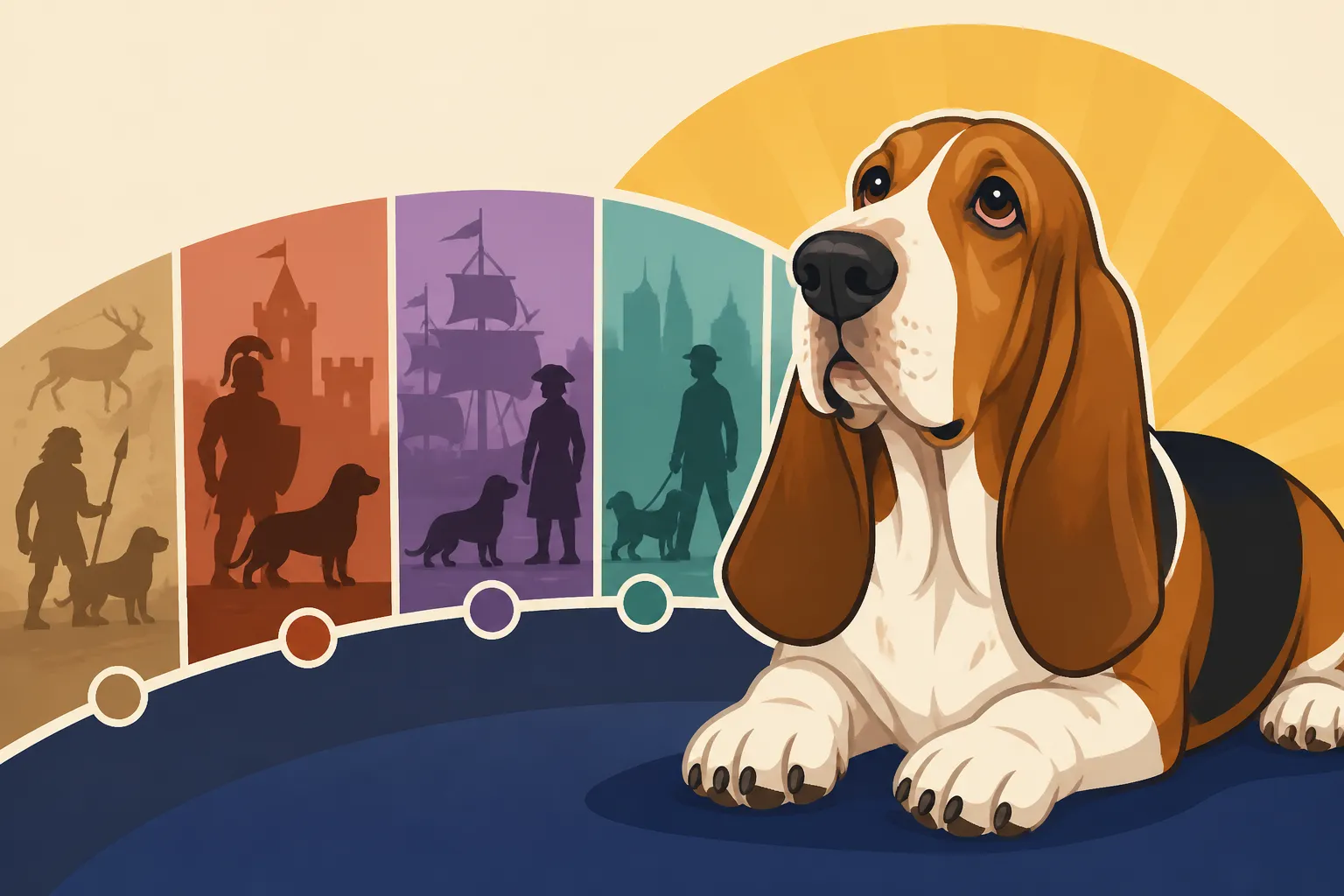
Which Century the Basset Hound Appeared In
It’s easy to look at a Basset Hound today, with their wonderfully long ears and solemn expressions, and feel like they’ve just always been around, a classic fixture in the world of dogs. But like all breeds, the Basset Hound has a fascinating origin story, one rooted deeply in the annals of history. If you've ever wondered precisely when these distinctive, low-slung hounds first graced the earth, you're not alone – many owners puzzle over their unique heritage. This guide will take you on a journey back in time, unraveling the historical threads that lead us to the very beginnings of our beloved Basset Hounds and exploring the influences that shaped them into the dogs we adore today.
Tracing the Basset Hound's Roots: A Journey Through Time
When we talk about the Basset Hound's origins, we're not talking about a quick flash in the pan. This is a breed with a deep, rich history, stretching back through centuries to a time when dogs were bred purely for function, intimately tied to the daily lives and needs of humans. To pinpoint when the Basset Hound "appeared," we really need to look at when the concept of a low-to-the-ground, scent-driven hound began to solidify in a way that directly led to our modern Basset.
The Early Days: France's Hunting Heritage
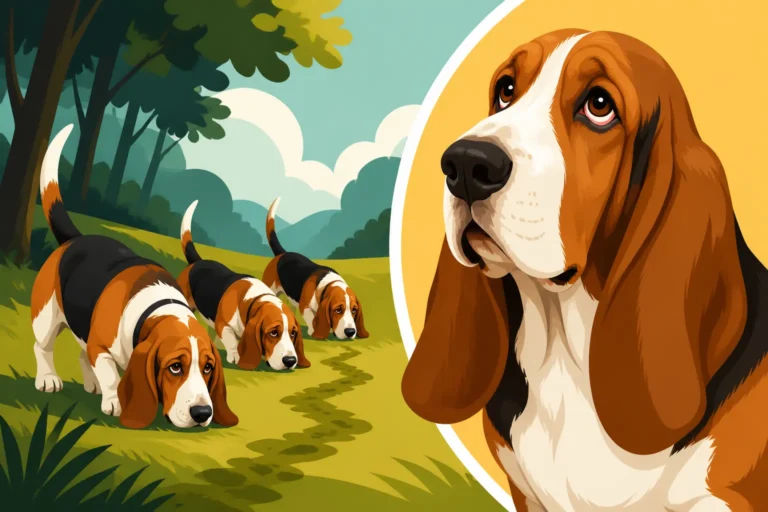
The story of the Basset Hound unequivocally begins in France. Picture ancient French forests, filled with dense undergrowth, where game like rabbits and hares would dart and hide. Hunters on horseback, with their taller, faster hounds, often found themselves at a disadvantage. Their dogs would race ahead, losing the scent or struggling to navigate the thickets. This frustration led to a desire for a different kind of hunting companion – one that could work with a hunter on foot, slowly, meticulously, tracking game through the most challenging terrain.
It’s in this environment that the concept of a "Basset" hound truly started to emerge. The word "basset" itself comes from the French word "bas," meaning "low." This isn't just a cute descriptor; it was a defining characteristic, literally meaning a low-set hound. It tells us immediately what was valued: a dog built close to the ground, designed to follow scent trails where taller dogs couldn't. This emphasis on a low stature was not an accident or a genetic quirk that became popular by chance; it was a deliberate choice by hunters. Why the Word Basset Just Means Low gives us even more insight into this foundational characteristic.
The Monastic Connection: Saint Hubert Hounds
While the exact "birth certificate" of the Basset Hound is lost to time, most historical accounts and breed lore point to a significant influence from medieval monasteries, particularly those associated with Saint Hubert. Saint Hubert, the patron saint of hunters, lived in the 7th and 8th centuries, and the monastic orders following him became renowned for their sophisticated breeding of scent hounds. These were dogs known for their incredible noses and steadfast tracking abilities, often referred to as Saint Hubert Hounds.
These hounds, which were direct ancestors of today's Bloodhounds, were initially bred for tracking large game. However, over generations, it's believed that mutations or deliberate selective breeding within these monastic kennels led to shorter-legged variations. These "dwarf" hounds, while perhaps not initially what we recognize as a Basset Hound today, possessed the essential characteristics: exceptional scenting ability and a low-slung body. This allowed them to excel at trailing game in dense cover. The history of The Abbey Hounds a Basset Hound Descends From is a fascinating exploration of this monastic connection, really rooting the breed's deep past in these ancient practices.
So, while we can't point to a specific year, it's generally accepted that the ancestors of the Basset Hound, dogs with "basset" characteristics, were developing in France as far back as the 15th and 16th centuries. The refinement into distinct Basset types, however, largely occurred in the 18th and 19th centuries.
The Evolution of the "Low Hound": How Basset Hounds Took Shape
The journey from a generic "low hound" to the distinctive Basset Hound we recognize today wasn't a sudden leap. It was a gradual process of refinement, driven by specific hunting needs and, later, by an appreciation for their unique form and temperament. The breed’s characteristics didn’t just appear; they were either actively selected for or became prominent due to underlying genetic traits.
Purpose-Bred: Why Short Legs Mattered
The short legs of the Basset Hound are arguably its most defining physical characteristic, and they were far from an aesthetic choice in the beginning. As mentioned, they were a practical necessity for hunters who needed a dog that could meticulously follow scent trails without outrunning the human hunter. This type of hunting, known as "hunting on foot," demanded a slower, more methodical approach. Whether a Basset Hound's Low Height Helps It Trail explains exactly why this short stature is so crucial for their scenting prowess.
Imagine a pack of these short-legged hounds, noses to the ground, moving deliberately through thorny bushes and dense undergrowth where taller dogs would struggle or lose the intricate scent. Their low center of gravity and powerful bodies allowed them to push through obstacles. Furthermore, their long, pendulous ears weren’t just for show; they likely played a crucial role in gathering and sweeping scent towards their powerful noses, enhancing their ability to track. The Twelve Inch Ears a Basset Hound Was Given on Purpose delves into this fascinating aspect of their design. This was true functional breeding, where every physical trait served a specific purpose in the field.
From Utility to Nobility: Gaining Recognition
While working Basset-type hounds existed for centuries, their transition from purely utilitarian hunting dogs to recognized, distinct breeds, and even companions of nobility, primarily took off in the 19th century. This era saw increased interest in dog breeding and formal recognition of various types.
It was during this period that different "Basset" types began to be distinguished, such as the Basset Artesien Normand, which is considered a direct ancestor to the modern Basset Hound. French aristocrats began to take an interest in these unique hounds, appreciating their scenting abilities for leisurely hunting, and perhaps also their charming, somewhat comical appearance. This shift in patronage helped to formalize breeding practices and establish more consistent types. It also started their move from being solely working dogs to being admired for their characteristics beyond just the hunt. We sometimes wonder Whether a Basset Hound Was an Accident, but their development was quite intentional.
Cross-Continental Journeys: The Basset Hound's Global Spread
The Basset Hound’s story doesn't stay confined to the French countryside. Like many popular breeds, their unique qualities eventually caught the eye of enthusiasts beyond their homeland, leading to their introduction and establishment in other parts of the world. This outward migration played a crucial role in shaping the breed we know today.
Arriving in Britain: Royal Endorsement
The Basset Hound truly started to capture international attention in the late 19th century. It was around the 1860s and 1870s that Basset Hounds were first imported into Great Britain. Their arrival caused quite a stir, mainly due to their unusual and endearing appearance. These dogs were quite different from the native British hounds, with their dramatically long ears, wrinkled brows, and solemn expressions.
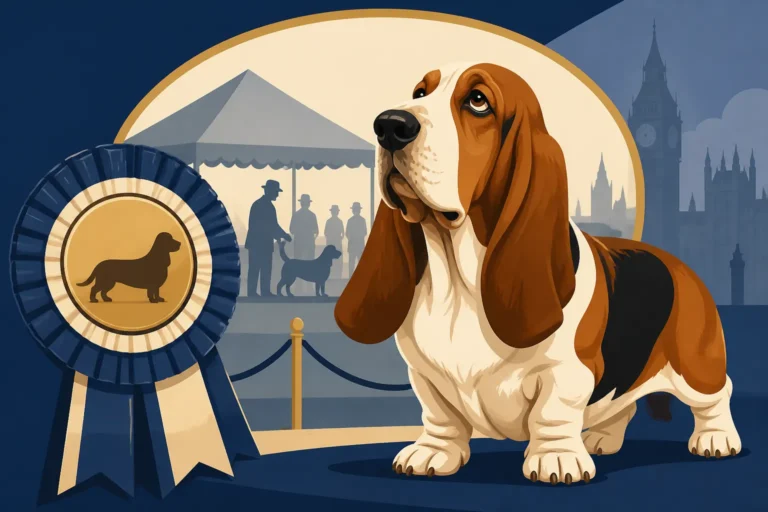
A significant boost to their popularity in Britain came from royal interest. Queen Alexandra, the wife of King Edward VII, became an admirer of the breed and kept Basset Hounds. This royal endorsement naturally elevated the breed's status, moving them further into aristocratic circles and fostering organized breeding efforts. It wasn't long before breed clubs were formed, and the Basset Hound began to be showcased in dog shows. When the Basset Hound Reached Britain offers a detailed look at this important chapter in their history. The focus on specific physical traits for show purposes sometimes varied from the purely functional, contributing to the distinct look we see today.
Making Waves in America: A New Home
Almost concurrently with their rise in Britain, Basset Hounds also found their way across the Atlantic to the United States. While some individual Bassets might have arrived earlier, it was again in the late 19th century, particularly in the 1880s, that the breed began to establish a firm foothold in America. General Lafayette is sometimes credited with bringing Basset Hounds to America in the early 1800s, though systematic breeding and recognition came later.
American breeders and hunters were drawn to the Basset's exceptional scenting abilities, initially for hunting small game. Their unique appearance also quickly endeared them to the public. The American Kennel Club (AKC) officially recognized the Basset Hound as a breed in 1885. This recognition was a pivotal moment, cementing their place in the burgeoning world of purebred dogs in the United States. From there, their popularity steadily grew, leading to the beloved status they hold today. You can dive deeper into this period with When the Basset Hound Reached America and explore The Year the AKC Recognized the Basset Hound.
Beyond the Centuries: The Basset Hound Today
From their humble beginnings as working hounds in medieval France, through their aristocratic endorsements, to their widespread popularity as cherished family pets, the Basset Hound has traversed centuries, evolving and adapting along the way. While their core traits remain, their journey continues, shaping how we care for and appreciate them today.
Modern Breed Standards and Challenges
Today's Basset Hounds are the product of centuries of selective breeding. Modern breed standards, established by kennel clubs worldwide, emphasize both the traditional scenting abilities and the distinct physical characteristics that have come to define the breed. These standards ensure that the iconic Basset silhouette—low to the ground, substantial bone, long ears, and soulful eyes—is preserved.
However, with centuries of breeding come responsibilities and challenges. The very traits that make Bassets so unique, like their long ears and wrinkled skin, require specific care. Many owners find themselves frequently reaching for ear cleaners and wipes, often sourced from pet supply retailers like Chewy, to prevent the common ear infections or skin fold issues that can plague the breed. Responsible breeders today strive to balance the preservation of these cherished traits with the overall health and well-being of the dogs. It's a testament to the enduring appeal of the breed that people are willing to put in the effort to keep them healthy.
The Enduring Appeal of the Basset
Despite the historical shifts and the passage of time, the fundamental appeal of the Basset Hound has remained remarkably consistent. Their incredible noses are still their superpower; many Basset owners find joy in engaging their dogs in scent work, enriching their lives by tapping into their natural instincts. Whether it's a casual game of "find the treat" or more organized nose work classes, allowing a Basset to use its nose is key to their happiness.
Their laid-back, affectionate, and often comical personalities have solidified their place not just as working dogs, but as wonderful family companions. While they originated as hunting partners, their gentle nature means they often fit beautifully into households with children and other pets, provided they receive appropriate training and socialization. We often hear What Bas Means in French and how it perfectly describes their low stature, but it’s their big hearts that truly make them stand out. Owners today continue to fall in love with their unique combination of stubbornness, devotion, and that unmistakable, mournful bay. Whether you're researching historical hound facts or stocking up on essentials for your modern-day Basset, websites like Chewy remain a go-to resource for everything from informational books to specialized feed bowls that keep those magnificent ears clean!
Below is a brief timeline summarizing key periods in the Basset Hound's historical journey:
| Century | Key Developments in Basset Hound History |
|---|---|
| 15th – 16th | Appearance of "Basset" (low-set) type hounds in France, likely from Saint Hubert Hound lines, bred for hunting on foot in dense cover. |
| 18th – 19th | Refinement of distinct Basset types in France, notably the Basset Artesien Normand, gaining favor with French nobility and formalizing breeding. |
| Late 19th | Introduction and establishment in Great Britain (c. 1860s-1870s) and the United States (c. 1880s). Royal endorsement in Britain. |
| 1885 | American Kennel Club (AKC) officially recognizes the Basset Hound as a breed, solidifying its place in purebred dogdom. |
| 20th – 21st | Continued popularity as both hunting companions and beloved family pets globally, with evolving breed standards and health considerations. |
So, while the concept of a "low hound" is ancient, the Basset Hound, as a recognizable breed with many of its distinctive features, truly began to take shape and gain widespread recognition from the 18th and 19th centuries onwards.
Disclaimer
This article is for general informational purposes only and does not constitute professional advice. Laws, prices and regulations vary by location and change over time. Consult a qualified professional for guidance on your specific situation.