Whether Basset Hound Owners Would Choose One Again
A lot of people fall for a Basset Hound’s soulful eyes before discovering the muddy ears, determined nose, loud bay, and stubborn streak that come with the package. Would owners choose one again? Many do, but usually with a clearer idea of what daily life involves. This guide explains what makes people say yes, what gives them pause, and how to decide whether the breed suits you.
Why Basset Hound owners choose the breed again
Affectionate company with a big personality
Basset Hounds can be wonderfully companionable. Many enjoy being near their people, whether that means settling beside the sofa, following someone from room to room, or keeping watch over the kitchen while dinner is prepared. Their funny expressions and unhurried manner can make ordinary routines feel more entertaining. Owners who love the breed often say they are not simply choosing a dog with a particular look; they are choosing a distinctive, steady presence in the household.
That easygoing reputation still needs some context. A Basset may be calm indoors after getting enough activity, but “laid-back” does not mean indifferent or low-maintenance. A dog that wants company can struggle when left alone for long stretches, and a bored hound may vocalize, investigate the rubbish, or follow an interesting scent instead of settling. Before deciding, consider how much time the dog would spend alone on a normal weekday—not just during a relaxed weekend at home.
A nose-led dog that makes everyday walks interesting
People who enjoy watching a dog investigate the world often appreciate a Basset Hound’s scenting instincts. A short neighborhood walk can become a slow tour of every hedge, verge, and lamp post. That pace can be frustrating if you expect brisk exercise, but delightful if you are happy to let your dog sniff and explore safely. Food puzzles and supervised scent games can also give a hound’s nose something constructive to do at home.
The same instinct is one reason reliable off-leash recall can be difficult. A Basset that catches a scent may seem to stop hearing you, even if it knows the cue. A secure yard, a well-fitted harness, and a long line in appropriate areas are more realistic safeguards than assuming a dog will come back every time. Owners who enjoy the breed tend to plan around that independent streak rather than treating it as a one-time training problem. For more on the challenge, see The Recall a Basset Hound Will Never Reliably Give You.
What can make owners hesitate or regret the choice
The upkeep is more involved than the short coat suggests
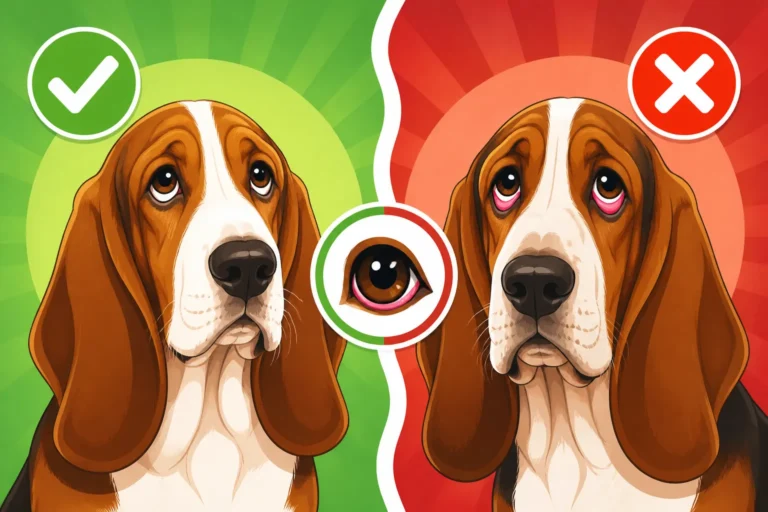
Basset Hounds do not need elaborate coat styling, but they do need regular hands-on care. Their ears can be prone to moisture and irritation, and skin folds may need checking and gentle cleaning as advised by a veterinarian. Drool, shedding, muddy bellies, and the occasional houndy smell can also be part of ordinary life. Owners who expected a tidy, low-effort dog may find these small jobs add up.
The key is establishing routines before there is a problem. Check the ears and skin regularly, learn what looks normal for your dog, and ask a vet how to clean sensitive areas safely. Persistent odor, redness, discharge, pain, or repeated head shaking deserves veterinary attention rather than stronger home cleaning. If ear care is a major concern, The Twelve Inch Ears a Basset Hound Was Given on Purpose offers more breed context, while The Ear Infections That Never Really Leave a Basset Hound explores recurring problems.
Their body shape changes how you manage the home
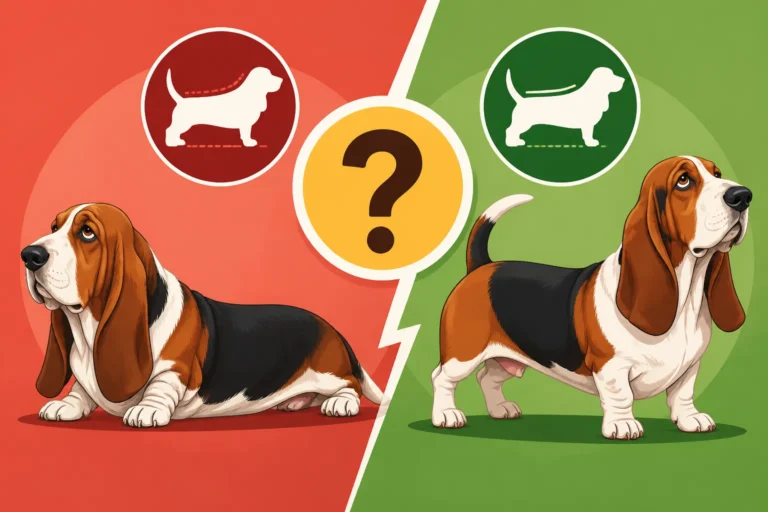
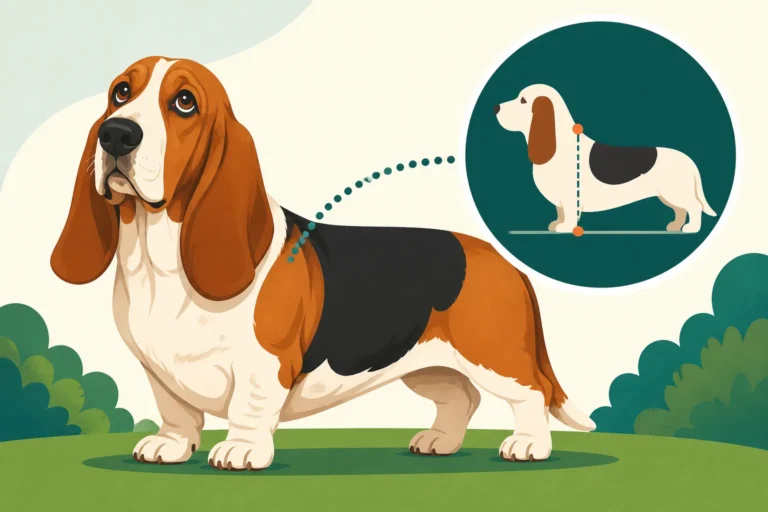
A Basset Hound is low to the ground, but it is a substantial dog to lift and support. Stairs, slippery flooring, jumping on and off furniture, and getting into a car all deserve thought, especially for puppies and dogs with mobility problems. A person who cannot lift a dog may need to arrange ramps and other practical help well before an injury or an older dog’s weakness makes the issue urgent.
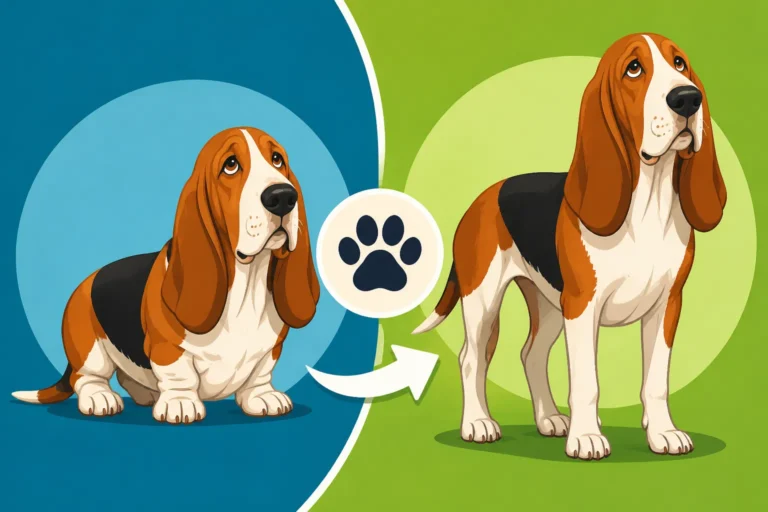
Weight management matters too. Extra weight can put additional strain on a dog’s joints and back, while a Basset’s enthusiastic interest in food can make portion control a daily negotiation. Measure meals, account for treats, and ask your vet to help assess body condition rather than judging by appearance alone. Owners who are surprised by the breed’s physical-care needs may find The Back Trouble a Basset Hound Is Built Into and What Extra Weight Does to a Basset Hound useful next reads.
The trade-offs owners often weigh
There is no single owner experience that predicts whether you will love living with a Basset. A household that enjoys slow sniffing walks and daily grooming checks may find the breed a great fit. Someone who wants a quiet dog that comes off leash on cue and needs little ongoing care may find the same traits exhausting.
| Part of daily life | Owners who may enjoy it | Owners who may find it difficult |
|---|---|---|
| Walks | People who like relaxed, scent-focused outings | People who want a fast-paced walk with a close heel |
| Training | People who enjoy patience, consistency, and food rewards | People expecting quick, automatic obedience |
| Companionship | Households with time for regular company | Homes where the dog would be alone for long periods |
| Grooming and care | People comfortable with ear, fold, and coat checks | People seeking a low-maintenance routine |
| Home setup | Owners willing to manage stairs, furniture, and car access | People unable to lift or provide safe alternatives |
| Noise | Homes that can tolerate hound vocalizing | Shared-wall homes where barking could create tension |
| Food management | People prepared to measure meals and treats | Anyone likely to give in to persistent begging |
The breed’s best qualities come with a matching responsibility
Basset Hound affection, humor, and scenting ability are not separate from the breed’s challenges. The dog who makes a walk memorable by following every smell may also pull toward a trail. The companion who wants to be near you may need a thoughtful plan for alone time. The food-loving dog who is easy to motivate during training may also require firm limits around treats and leftovers.
This is why an honest picture of the breed matters more than a list of lovable traits. Think about your actual home, schedule, neighbors, and physical ability—not the version of life you hope to have after adopting. The Household a Basset Hound Actually Fits and Whether a Basset Hound Is More Work Than It Looks can help you compare the breed’s needs with your day-to-day circumstances.
The cost and care commitment continues beyond puppyhood
The purchase or adoption decision is only the beginning of ownership. Food, routine veterinary care, grooming supplies, training, and possible treatment for health issues all belong in the long-term plan. The exact costs vary by location, the dog’s needs, and the services you choose, so it is useful to build a realistic household budget before bringing a Basset home. What a Basset Hound Costs a Year to Keep gives a broader look at the kinds of expenses to consider.
Practical organization can make routine care less stressful. Keep the dog’s food, cleaning supplies, and medication plan in one place, and set reminders for tasks you tend to forget. Some owners use retailers such as Chewy to keep recurring supplies easy to reorder, while still following their veterinarian’s advice about food and treatment products. A convenient ordering routine does not replace careful monitoring, but it can help prevent everyday essentials from slipping off the list.
How to decide whether you would choose a Basset Hound again
Ask yourself the unglamorous questions first
Before choosing a Basset Hound, picture a normal Tuesday rather than a perfect day off. Who will walk the dog when the weather is poor? How will you handle muddy feet, ear checks, and drool on the floor? What happens if the dog follows a scent instead of responding immediately? Can you manage the dog’s weight and safely help it into a vehicle if needed?
It also helps to think about your tolerance for noise and independence. Basset Hounds can bay, whine, or make their opinions known, and individual dogs differ in how much they vocalize. If you live in an apartment or a home with close neighbors, consider whether your household can manage the sound and whether you can work on calm routines. The Bay a Basset Hound Uses and the Neighbors Hear gives more detail about this part of life with the breed.
Meet adult dogs and speak with people who live with them
Puppies are appealing, but meeting adult Basset Hounds can give you a more realistic sense of their size, movement, scenting habits, and everyday care. If possible, speak with owners who can describe both the parts they adore and the tasks they would not want to skip. Ask what a regular walk looks like, how the dog handles being alone, and what they wish they had prepared before bringing one home.
You can also consider whether a rescue or foster arrangement would help you understand the fit. An adult dog’s known routines and temperament may offer helpful clues, though every dog still needs time to settle into a new household. Breed experience alone cannot guarantee an easy transition, so ask about health records, behavior around other animals, and the support available after adoption. For a broader look at how owners reflect on the breed, read What Basset Hound Owners Wish They Had Known.
Make a decision based on the dog you want to live with
Owners who would choose a Basset Hound again are often those who appreciate the whole package: the sweetness and the stubbornness, the slow sniffing and the strong nose, the comic charm and the regular care. They have made room for the breed’s needs instead of expecting the dog to fit a lifestyle built for a different kind of companion. That does not mean every owner finds every challenge easy; it means the trade-offs feel worthwhile to them.
If you are still unsure, take that hesitation seriously and keep learning before committing. A Basset Hound may be a wonderful match for someone who enjoys a companionable, scent-driven dog and is ready to manage its care thoughtfully. For someone who needs a quiet, highly responsive, low-upkeep dog, another breed may be a kinder fit for everyone. Whether a Basset Hound Suits a First Time Owner can help you think through that final decision.
Disclaimer
This article is for general informational purposes only and does not constitute professional advice. Laws, prices and regulations vary by location and change over time. Consult a qualified professional for guidance on your specific situation.