Whether a Basset Hound Feels the Cold
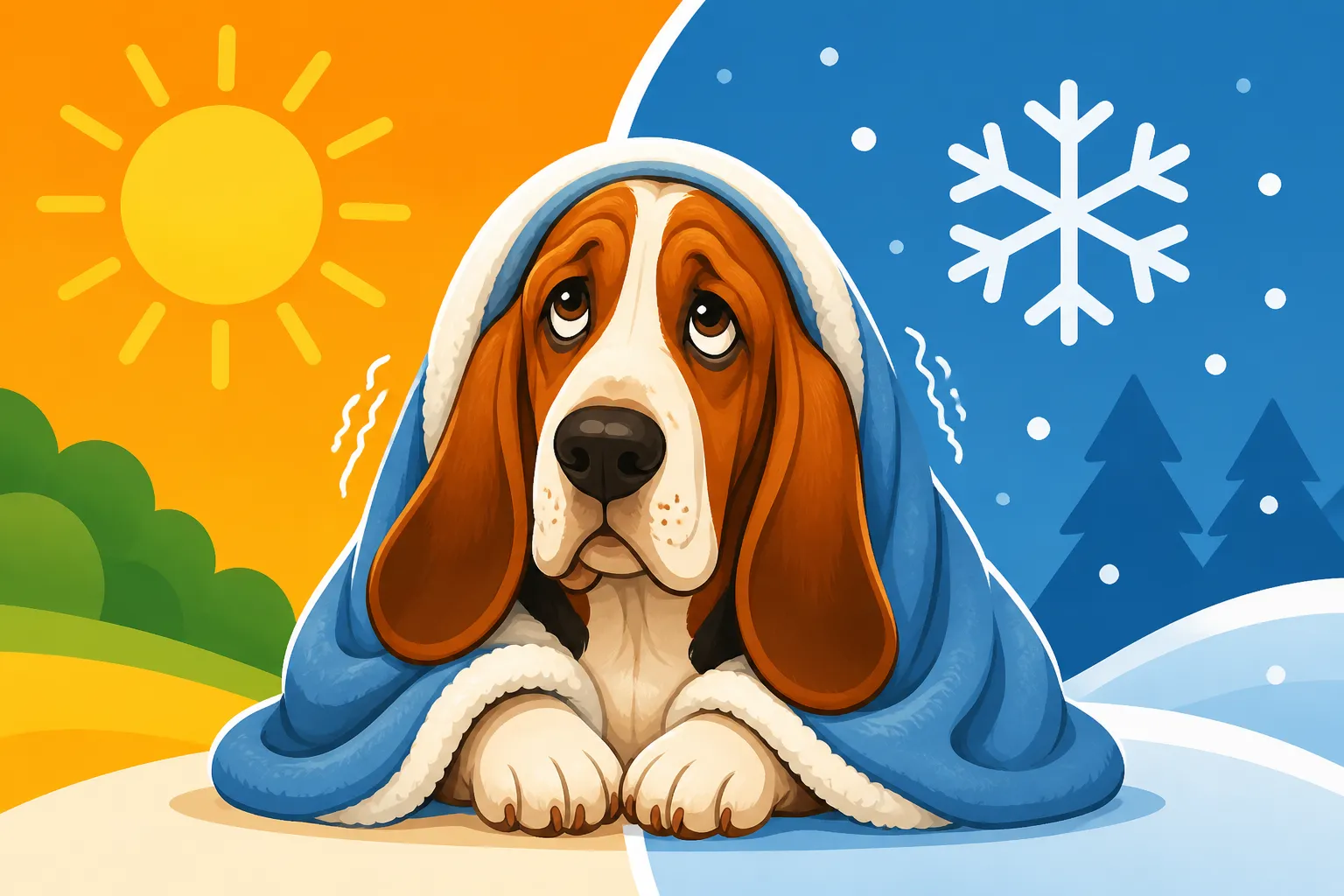
It’s a chilly morning, and you’re bundled up in your warmest coat, hat, and gloves, ready for that brisk walk. You look down at your Basset Hound, whose idea of bundling up might just be their own velvety skin and a hopeful gaze for a treat. This often leaves Basset owners wondering, does my stocky, short-legged companion actually feel the cold as much as I do, or are they built for something more rugged than their cuddly demeanor suggests? This guide will dive deep into the unique physiology of Basset Hounds and provide practical insights to ensure your beloved hound stays warm, safe, and comfortable when the temperatures drop.
The Basset Hound's Natural Insulation: A Closer Look
When we think of cold-weather dogs, our minds often conjure images of Huskies or Newfoundlands, breeds with thick double coats built for frigid temperatures. Basset Hounds, however, come from a different lineage, originally bred to track scent at a slow, deliberate pace through dense underbrush in more temperate climates. Their physical characteristics, while charming, don't necessarily lend themselves to extreme cold resilience.
The Single, Short Coat
Unlike many breeds designed for colder weather, Basset Hounds possess a single, short, smooth coat. This coat is dense, yes, and can feel quite coarse to the touch, but it lacks the insulating undercoat that acts as a natural thermal layer for northern breeds. Think of it like wearing a single thick sweater versus a thermal base layer and a thick sweater. The Basset's coat offers some protection from mild dampness and a slight barrier against the cold, but it certainly isn't a suit of armor against biting winds or freezing rain.
Imagine your Basset, Chester, trotting along on a crisp autumn morning. While the sun is out, he might be perfectly content. But let that sunshine disappear behind clouds, or let a chilly breeze pick up, and you’ll quickly notice that short coat doing little to hold in his precious body heat. His skin is right there, just beneath that thin layer, much more exposed than a dog with a fluffy double coat. This means his body has to work harder to maintain a stable core temperature, which can quickly lead to him feeling uncomfortable or even becoming hypothermic if he's out too long without additional protection.
Body Fat and Low Stature
Basset Hounds are known for their sturdy, heavy bone structure and often carry a fair bit of body fat. While a healthy amount of fat can provide some insulation, it’s not a substitute for a proper coat or other forms of warmth. In fact, excessive weight can be detrimental to a Basset Hound’s overall health, leading to joint problems and other issues, completely overshadowing any perceived benefit in cold tolerance. You can learn more about What Extra Weight Does to a Basset Hound.
Their low-slung, long-bodied physique also plays a significant role. When they walk through snow or even just wet, cold grass, their entire undersides, from their chest to their belly, are very close to, or even directly in contact with, the cold surface. This exposes a large surface area of their body to the cold, making it easier for them to lose heat. Think of it like trying to stay warm in a sleeping bag when half of it is constantly touching the icy ground. They're built low to the ground to keep their nose close to the scent, but this design wasn't made with blizzards in mind!
The Droopy Ears and Cold Exposure
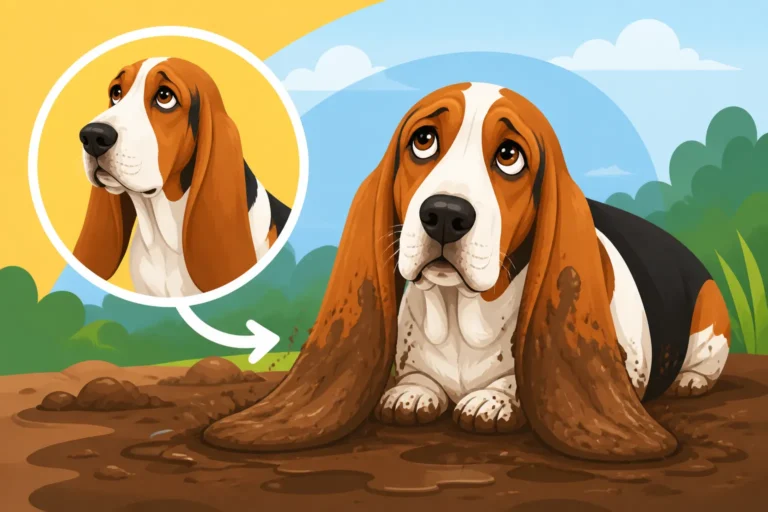
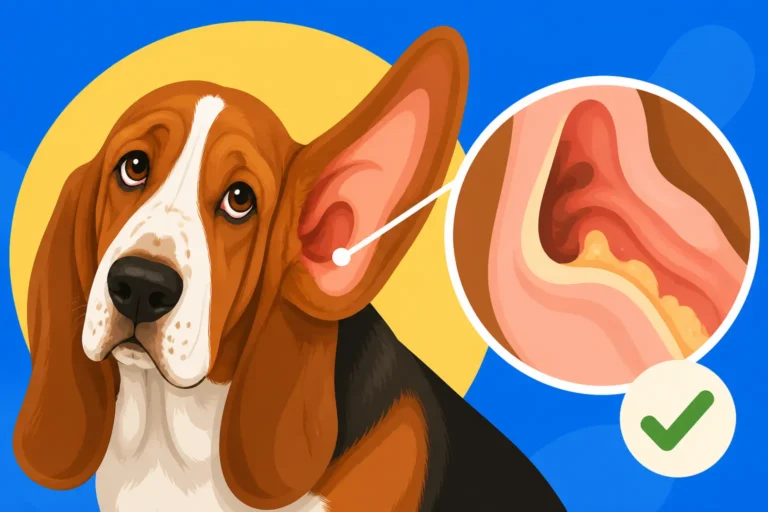
The Basset Hound's iconic long, velvety ears are another point of vulnerability when it comes to cold weather. These ears, which can be remarkably long – sometimes reaching The Twelve Inch Ears a Basset Hound Was Given on Purpose – are thin and have a large surface area exposed to the elements. They don't have thick fur to protect them, making them susceptible to cold and even frostbite in extreme conditions.
Imagine a really cold, windy day. Your Basset's ears are flapping around, losing heat rapidly. Not only can this make them uncomfortable, but in severe conditions, the delicate tissue at the tips of their ears could be at risk. It's not just about comfort; it's about protecting these unique and sensitive features. It’s a bit like us forgetting our earmuffs on a freezing day – our ears feel the chill instantly and can ache from the cold.
Signs Your Basset Hound Is Cold
It's crucial for us as Basset owners to be attuned to the subtle (and sometimes not-so-subtle) cues our dogs give us when they're feeling the chill. They can't tell us directly, "Hey, I'm freezing out here!" so we need to be their advocates and understand their body language. Missing these signs can lead to discomfort, or worse, health issues.
Shivering and Hunching
One of the most obvious signs your Basset is cold is shivering. Just like humans, dogs shiver involuntarily when their body temperature drops, as a way to generate heat. This might start as a subtle tremor and can escalate to full-body shakes. You might also notice them hunching their back, tucking their tail tightly between their legs, and drawing their legs up close to their body, almost curling into a tighter ball, even when standing. This posture is an instinctive attempt to minimize their exposed surface area and conserve warmth.
Think about taking your Basset, maybe a spirited younger one like Duke, out for his morning constitutional. He usually bounds out the door, tail wagging. But on a particularly frosty day, you might see him hesitate, then once outside, he starts taking quick, mincing steps, his back slightly bowed, and a little quiver starts through his frame. He might try to keep one paw off the cold ground, then another. These aren't signs of wanting to sniff a particularly interesting spot; these are clear indicators that his body is trying to tell you it's too cold for comfort.
Seeking Warmth and Reluctance to Move
A cold Basset Hound will actively try to find warmer spots. This could mean trying to burrow under blankets indoors, seeking out sunbeams, or huddling close to you or other pets. Outdoors, they might refuse to walk further, pulling on the leash to head back towards home, or standing still, looking miserable. They might even lift their paws off the ground alternately, trying to avoid contact with the cold surface.
Consider your senior Basset, Daisy, who usually enjoys a slow, meandering sniff-walk. On a cold day, she might take a few steps, then stop, looking up at you with those soulful eyes, as if to say, "Are we really doing this?" If you continue, she might plant her feet firmly, refusing to budge, or try to turn back towards the warmth of the house. Indoors, if she's usually lounging openly, but suddenly you find her perpetually tucked into the warmest corner of the sofa under a blanket, or trying to sneak under your covers, that's her way of saying she's feeling chilly. It's a stark contrast to her usual relaxed demeanor, and it's a clear signal that her internal thermostat is set too low.
Cold Paws and Ears
A simple tactile check can also give you a good indication of your Basset’s comfort level. If your dog's paws, especially the pads, or the tips of their ears feel noticeably cold to the touch, it’s a strong sign that they are losing too much heat. Their body is conserving heat for vital organs, which means extremities get less blood flow and become colder.
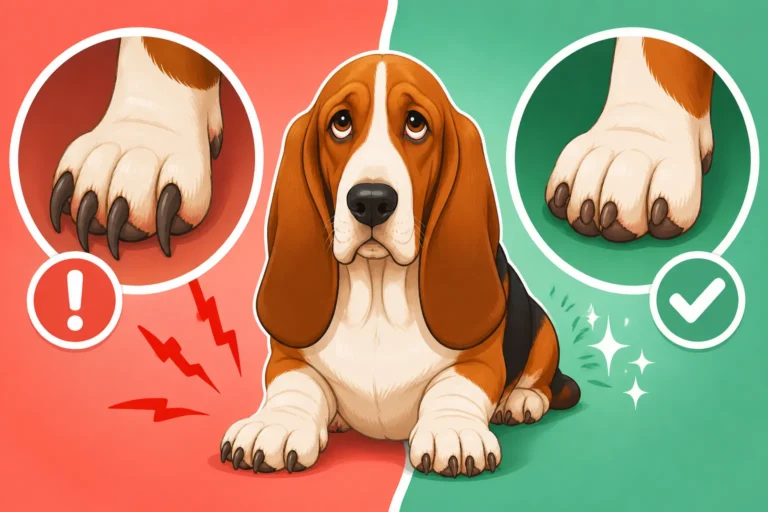
After a walk, even a short one, if you pick up your Basset’s paw and it feels icy cold, much colder than their main body, that's a red flag. The same goes for their ears. Looking After a Basset Hound's Feet and Nails is important year-round, but paying attention to the temperature of their paw pads can be especially crucial in cold weather to prevent issues like frostbite. Their body is prioritizing core temperature, and these extremities are paying the price.
Factors Influencing Cold Tolerance
Not all Basset Hounds are created equal when it comes to braving the cold. Several individual factors can significantly influence how well, or how poorly, your specific Basset Hound tolerates chilly temperatures. Understanding these nuances helps you tailor their care to their unique needs.
Age and Health Conditions
Both very young puppies and senior Basset Hounds are far more susceptible to cold than healthy adults. Puppies haven't fully developed their internal temperature regulation systems, and their smaller body mass means they lose heat more rapidly. They also often have less body fat and thinner coats initially. A new puppy might need extra layers and shorter outdoor stints than you’d expect.
Senior Bassets, on the other hand, often have slower metabolisms, reduced circulation, and may be dealing with underlying health issues like arthritis. Cold weather can exacerbate joint pain, making movement difficult and discouraging them from generating warmth through activity. A senior dog struggling with The Old Basset Hound That Cannot Get Off the Floor will find a cold, stiff body even harder to manage. Their immune systems might also be weaker, making them more vulnerable to illness if they get too cold. Even healthy-looking senior Bassets need extra consideration when the mercury drops. Remember, The Age a Basset Hound Counts as Senior usually starts around 7 years old, and their needs change significantly then.
Activity Level and Acclimatization
A Basset Hound that is actively moving will generate more body heat than one standing still or lounging. If you’re taking your Basset for a brisk walk, they might tolerate cooler temperatures better than if they’re just standing around in the yard. However, Bassets are not known for their high energy levels or sustained bursts of activity. While they enjoy a good sniffari, it’s often at a leisurely pace. They may not generate enough internal heat to counteract significant cold for extended periods.
Furthermore, acclimatization plays a role. A Basset Hound living in a climate with mild winters will likely be more sensitive to a sudden cold snap than one that has gradually adjusted to cooler autumn temperatures. However, even with acclimatization, their inherent physical traits — the short coat and low body — still limit their overall cold tolerance. Don't expect your Basset to suddenly become a snow dog just because they've seen a few chilly days. Even if Whether a Basset Hound Needs Any Real Exercise is debated, a certain amount of movement is beneficial for warmth.
Individual Variation and Breed Standard
While the Basset Hound breed standard dictates a short coat and certain body proportions, there can be subtle individual variations. Some Bassets might have a slightly denser coat than others, or perhaps a bit more natural body fat. Their overall health, diet, and even emotional state can impact how they perceive and react to cold. A Basset who is anxious or stressed might feel the cold more acutely.
Also, just like people, dogs have individual comfort zones. One Basset might be more stoic about cold, while another is a total drama queen when the temperature dips below 50 degrees Fahrenheit. As their owner, you are the best judge of your dog’s specific sensitivities. Pay close attention to your Basset’s reactions, rather than relying solely on general guidelines, to determine their personal threshold for cold.
Protecting Your Basset Hound in Winter
Once you understand that your Basset Hound isn't exactly built for arctic expeditions, it becomes clear that proactive measures are necessary to keep them cozy and safe during the colder months. There are several ways to provide that much-needed extra layer of warmth and protection.
Choosing the Right Winter Gear
Investing in appropriate winter gear is one of the best things you can do for your Basset. Their short, single coat means they benefit greatly from extra layers.
- Coats and Sweaters: A well-fitting dog coat or sweater is essential for keeping their core warm. Look for options that cover their chest and belly, as these areas are particularly exposed due to their low stature. Materials like fleece, wool, or waterproof outer shells are excellent choices. Many brands, easily found on platforms like Amazon or Chewy, offer a variety of styles. Make sure the coat allows for full range of motion without restricting their short legs or long body. A good coat will be easy to put on and take off, and washable. You might be surprised at the difference a simple fleece jacket makes on a brisk walk. This directly addresses Whether a Basset Hound Needs a Coat in Winter.
- Booties: For walks in snow, ice, or on salt-treated pavements, dog booties are a game-changer. These protect their paw pads from freezing temperatures, sharp ice, and irritating de-icing chemicals. It can take some getting used to for your Basset, so start with short wear times indoors before heading out. Look for non-slip soles and secure fastenings. While some Bassets tolerate them better than others, the protection they offer against painful frostbite or chemical burns is invaluable. You'll want to choose some that stay on securely, as Basset paws are a bit unique.
Indoor Comfort and Warmth
Protection isn't just for outdoors. Your Basset needs a warm, draft-free environment indoors too, especially if your home tends to be cooler.
- Warm Beds and Blankets: Provide a plush, comfortable bed with plenty of blankets where your Basset can burrow and create a warm nest. An orthopedic bed can be especially beneficial for older Bassets, offering both warmth and joint support. Look for options with raised sides to help block drafts. You might consider placing their bed away from exterior doors or drafty windows. Whether a Basset Hound needs an orthopedic bed is a key consideration, especially as they age and cold makes their joints ache more.
- Avoiding Drafts: Basset Hounds love to stretch out, but cold drafts on the floor can quickly chill their low-slung bodies. Check your home for drafty spots. Block off unused rooms, put draft stoppers under doors, or position their beds in cozier, inner parts of the house. Even a small draft under a door can make a big difference to a dog sleeping near the floor. Consider a warm, soft rug for them to lie on in common areas instead of cold tile or hardwood.
Adjusting Exercise Routines
Winter weather often means adjusting your Basset’s exercise schedule to ensure their safety and comfort.
- Shorter, More Frequent Walks: Instead of one long walk, consider multiple shorter outings when temperatures are low. This allows them to get their necessary sniffing and potty breaks without prolonged exposure to the cold. A quick five to ten-minute stroll might be all they need, especially if it's windy or wet. You can supplement outdoor time with indoor games to keep them mentally and physically stimulated.
- Indoor Play and Mental Stimulation: When it’s simply too cold or nasty to be outside, shift focus to indoor activities. Scent work games, puzzle toys, and obedience practice can provide excellent mental stimulation and a bit of physical activity. Hide-and-seek with treats, rolling a favorite ball, or working on new tricks in a warm living room can keep them happy and engaged. This can still offer a good workout, even if it’s not a long hike, and keeps them from feeling pent up. Brands like Chewy and Amazon offer a wide array of interactive toys perfect for indoor fun.
When Is It Too Cold for a Basset Hound?
It’s not just about comfort; knowing when the weather poses a real risk to your Basset Hound’s health is critical. While they might tolerate a quick trip outside in relatively low temperatures, there’s a point where it becomes genuinely dangerous.
Temperature Guidelines
General guidelines can help you decide when it's safe for your Basset to be outside. However, these are general, and your specific dog's tolerance might be different.
- Above 45°F (7°C): Most healthy Bassets are generally comfortable for typical walks, especially if it's sunny and not too windy. Still, monitor them for signs of cold, particularly if they are older or have health issues.
- 32-45°F (0-7°C): This is where you should start being more cautious. Short walks are usually fine, but ensure your Basset is wearing a coat. Keep an eye out for shivering, lifting paws, or reluctance to move. Limit time spent standing around.
- Below 32°F (0°C): At freezing temperatures, the risk of hypothermia and frostbite increases significantly. Outdoor time should be very brief, just long enough for potty breaks. A warm coat and possibly booties are highly recommended. Avoid prolonged exposure.
- Below 20°F (-7°C): This is considered dangerously cold for most Basset Hounds. Outdoor exposure should be minimized to only what is absolutely necessary, and only if they are properly clothed. Check paws and ears for signs of frostbite immediately after returning inside.
Here's a handy table to summarize these guidelines, but always observe your dog first and foremost:
| Temperature Range | Risk Level for Basset Hounds | Recommended Action |
|---|---|---|
| Above 45°F (7°C) | Low | Normal walks, monitor sensitive dogs. |
| 32-45°F (0-7°C) | Moderate | Shorter walks, coat recommended, watch for signs of cold. |
| 20-32°F (-7-0°C) | High | Very brief potty breaks only, coat and booties essential, check for cold ears/paws. |
| Below 20°F (-7°C) | Dangerous | Minimal outdoor time, only for essentials, extreme caution, consider indoor potty options if available. |
Wind Chill and Precipitation
Temperature alone doesn't tell the whole story. Wind chill can make a moderately cold day feel much colder and significantly increase the rate at which your Basset loses body heat. A windy 40°F day can feel like a still 25°F day to your dog. Similarly, rain, sleet, or snow can soak their short coat, drastically reducing its insulating properties and leading to rapid chilling. A wet Basset Hound will get cold much faster than a dry one, even at the same ambient temperature.
Always check the forecast not just for temperature, but for wind speed and any precipitation. If it's windy, rainy, or snowing, even a temperature that seems manageable on paper might be too harsh for your Basset. Consider a waterproof coat if there's any chance of wet weather. A brisk, dry walk is one thing; a soggy, windy trot is another entirely, and your Basset will feel the latter much more acutely. Whether a Basset Hound's Chest Drags in Snow also means they are constantly getting cold and wet, accelerating heat loss.
Post-Walk Care
The care you provide after coming in from the cold is just as important as the preparation before heading out.
- Drying Off Thoroughly: If your Basset gets wet from snow or rain, towel them dry thoroughly as soon as you come inside. Pay special attention to their long ears, between their paw pads, and their underside. Damp fur loses heat rapidly, and sitting around wet can lead to chilling.
- Warming Up Safely: Provide a warm, dry spot for them to rest. A cozy bed with a blanket is perfect. Avoid placing them directly in front of a blazing fire or a harsh space heater, as this can lead to burns or overheating. A gradual warm-up is always best. You can also offer a small, warm meal or a treat to help raise their internal temperature. Just like after any strenuous activity, ensuring they are not chilled helps prevent illness and keeps them comfortable. This attention to detail after coming inside is a crucial part of year-round What a Basset Hound Needs Every Day care, especially in winter.
Ultimately, your Basset Hound, with their charmingly low-slung body, short coat, and long, vulnerable ears, definitely feels the cold. They aren't built for extremes, and it's our job as their devoted owners to understand their unique needs and provide the necessary protection and care. By being observant, providing appropriate gear, ensuring a warm home environment, and adjusting outdoor activities, you can help your Basset Hound enjoy the colder months safely and comfortably.
Disclaimer
This article is for general informational purposes only and does not constitute professional advice. Laws, prices and regulations vary by location and change over time. Consult a qualified professional for guidance on your specific situation.