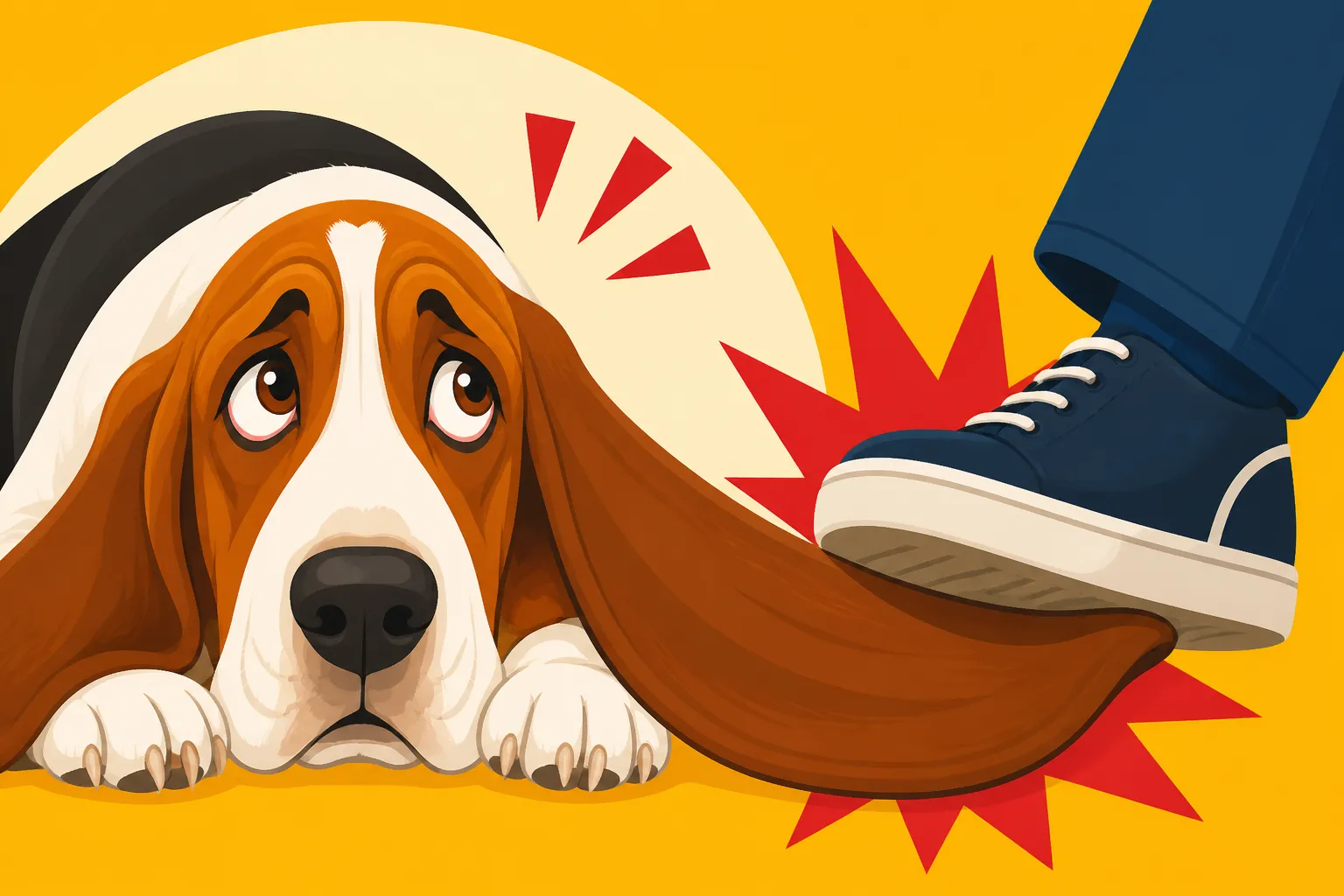
Whether a Basset Hound’s Ears Get Stepped On
If you're a Basset Hound parent, you know those magnificent, long, velvety ears are both a defining characteristic and a constant source of worry. It's not just about keeping them clean or dry; there's a genuine, everyday concern about those glorious floppy appendages getting in the way, snagging on things, or, perhaps most frequently, getting stepped on – either by your clumsy hound themselves or by an unwitting human. This guide is here to validate those worries and equip you with practical advice to protect your Basset's precious ears from accidental injury.
The Uniquely Vulnerable Basset Hound Ear
Let's be honest, a Basset Hound's ears are unlike almost any other breed's. They're not just long; they're heavy, thick, and designed to perform a very specific function. This unique anatomy, while charming, places them at a higher risk for injury, particularly from being stepped on.
The Sheer Length and Weight of Basset Ears
A Basset Hound's ears are truly a marvel of canine engineering, meant to sweep scent upwards towards their incredibly powerful nose, enhancing their tracking abilities. These aren't delicate, wispy flaps; they are substantial, with a good deal of cartilage and a weighty presence. They can easily reach past their shoulders, sometimes even touching the ground when your Basset is in a full scent-tracking stance. This impressive length means there's a lot of ear to get in the way.
Picture your Basset lying down, perhaps dozing off in a sunbeam. Those long ears might be splayed out on the floor around their head. If they wake up suddenly and try to stand, especially if they're a bit groggy or caught off guard, it's incredibly easy for a hind paw to come down right on an ear. It's not intentional, of course, but it happens more often than you might think. The sheer volume of their ear leather means there's just more surface area to become an accidental tripping hazard for their own paws.
This isn't just a casual observation; it's a structural reality. The breed standard often describes ears that are "long, low set, and well-covered with soft, fine hair." This description hints at their considerable size. When you consider The Twelve Inch Ears a Basset Hound Was Given on Purpose, it becomes clear these aren't just for show – but their practicality in the field doesn't always translate perfectly to navigating a bustling home environment or even just getting up from a nap.
How Their Low Stature Exacerbates the Risk
Now, couple those extraordinarily long ears with the Basset Hound's equally unique low-slung, heavy-boned physique. They are, quite literally, "basset" (French for "low"). Their short, powerful legs, sometimes described as having a "crooked front," keep their bodies incredibly close to the ground. This characteristic build, while perfect for following a scent trail with their nose to the ground, means those long ears are perpetually hovering near the floor, ripe for entanglement.
Think about it: a tall dog with long ears still has those ears well off the ground for most movements. A Basset, however, has them practically dragging. When they walk, those ears swing and sway, often brushing against furniture legs, floor mats, or anything else in their path. When they lie down, the ears are completely spread out on the ground, making them vulnerable to being stepped on not just by themselves, but by unsuspecting humans, other pets, or even rolling objects like toy cars.
It's a delicate balance. Their low center of gravity and distinctive The Crooked Front a Basset Hound Is Built On are part of what makes them so endearing and efficient at their original purpose, but it also means constant vigilance is needed to prevent those precious ears from becoming an obstacle course casualty.
Common Scenarios Where Basset Ears Are at Risk
Life with a Basset is full of wonderful moments, but it's also a constant dance of navigating their unique anatomy. Their ears, while adorable, are frequently at the forefront of potential mishaps, both self-inflicted and environmental.
Self-Inflicted Mishaps
Believe it or not, your Basset is often their own worst enemy when it comes to ear injuries. It's not malice, just physics and Basset-brain. One of the most common complaints I hear from other Basset owners, and have experienced myself, is the "yelp of shame" when they accidentally step on their own ear.
Imagine your Basset, deeply engrossed in sniffing a fascinating spot on the carpet, their head down, ears fanned out. Suddenly, a door opens, or you call their name, and they perk up, shifting their weight, and thwack! A hind paw comes down on an ear. The yelp is usually more of surprise and indignation than serious pain, but it's a clear reminder of their anatomical challenge. This can also happen when they're simply getting up from a nap, especially on soft bedding where an ear might be tucked awkwardly. Whether a Basset Hound Steps on Its Own Ears is a very real, and very frequent, occurrence.
Beyond stepping on them, their long ears can also get caught on things they're interacting with. A chew toy or a bone can become an accidental anchor. They might shake their head vigorously after a scratch, and an ear catches on a collar tag or even a poorly trimmed nail. These seemingly minor incidents can lead to small nicks, scrapes, or even a painful tug that makes them wary of ear handling later.
Household and Outdoor Hazards
It's not just Fido being clumsy; the world around them poses plenty of risks to those lengthy ears. Inside the home, think about all the everyday items that could snag, catch, or injure an ear.
Indoor Dangers:
- Furniture Legs and Doorways: As they lumber through the house, those swinging ears can easily brush against the sharp edge of a coffee table, a chair leg, or get caught in a closing door if you're not careful. This can lead to tears, abrasions, or even more serious injuries if the force is significant.
- Children and Other Pets: Toddlers, bless their curious hearts, don't always understand delicate boundaries. A child accidentally stepping on or pulling an ear is a common scenario. Other dogs, especially during rough play, might also accidentally grab an ear, or simply step on it during a chase. Even a friendly cat swatting at a dangling ear can cause a surprise and potential injury.
- Toys and Household Items: Small toys left on the floor, the corner of a rug, even the vacuum cleaner when it's just sitting there – anything can be an unexpected snag point. Water bowls are also a classic issue; Whether a Basset Hound's Ears Drag Through Its Food or water is practically a given, leading to constantly damp, potentially infected ears.
Outdoor Dangers:
- Thorns and Bushes: A Basset's natural instinct to follow a scent trail means their nose is to the ground, and their ears are right there with it, often pushing through undergrowth, brambles, and thorny bushes. This environment is ripe for cuts, punctures, and tears.
- Fences and Gates: Trying to squeeze under or through a narrow opening can result in an ear getting caught. A quick dash through an open gate or fence could lead to a painful snag.
- Rough Terrain: Sticks, sharp rocks, or uneven ground can all lead to accidental ear injuries as they navigate their surroundings. A misplaced paw on a stick could send it flying into an ear, or a tumble could result in an ear scraping against a rough surface. These daily risks underscore the importance of vigilance, both indoors and out.
The Real Risks and What Can Happen
While some ear mishaps might just result in a dramatic yelp and a quick shake of the head, the reality is that Basset Hound ears are susceptible to a range of injuries, from minor irritations to severe, painful conditions requiring veterinary intervention. Ignoring these potential issues isn't an option for a responsible Basset owner.
Minor Injuries and Irritations
Even seemingly small incidents can escalate. A slight scrape or cut from catching an ear on a rough surface might seem insignificant initially. However, due to the Basset's unique ear environment – long, heavy, often damp, and generally low to the ground – these minor wounds can quickly become problematic.
- Abrasions and Cuts: Imagine your Basset enthusiastically following a scent through a rose bush or rubbing against a sharp piece of furniture. A small tear or abrasion on the delicate skin of the ear flap can happen easily. These open wounds are perfect entry points for bacteria and yeast, especially given that Basset ears are already prone to moisture and warmth, making them an ideal breeding ground for infection.
- Constant Dampness and Skin Issues: As we all know, Whether a Basset Hound's Ears Trap Water is a definite yes. When ears drag through water bowls, mud puddles, or even just morning dew, they stay damp. This constant moisture softens the skin, making it more vulnerable to irritation and infection. This dampness, combined with poor air circulation, can lead to nasty yeast or bacterial infections on the skin of the ear flap itself, not just in the canal. You might notice redness, an unpleasant odor, or your Basset constantly scratching at their ear, leading to further trauma.
- Inflammation from Pulling: Even if there isn't an open wound, repeatedly pulling or tugging on the ear, perhaps from stepping on it or getting it snagged, can cause inflammation and soreness. This discomfort makes your Basset reluctant to have their ears handled for routine cleaning, which then increases their risk for internal ear infections. It’s a vicious cycle that can be tough to break.
Serious Injuries
While minor irritations are common, more severe ear injuries can occur and often require immediate veterinary attention, leading to pain for your dog and significant stress (and cost) for you.
-
Aural Hematomas: This is perhaps one of the most common and dramatic serious ear injuries in Bassets. An aural hematoma occurs when trauma to the ear flap – often from violent head shaking (due to an underlying ear infection), or a direct blow or pull – causes blood vessels within the ear cartilage to rupture. Blood then collects between the cartilage and the skin of the ear flap, creating a puffy, swollen, and very painful "pillow-like" appearance.
These aren't just cosmetic issues; they are extremely painful for your dog and, if left untreated, can lead to permanent scarring and disfigurement of the ear (cauliflower ear). Treatment usually involves surgical drainage, sutures to reattach the skin to the cartilage, and often a period of bandaging or an "ear brace" to encourage proper healing. Knowing What an Aural Hematoma Repair Costs on a Basset Hound will quickly highlight why prevention is so important. These surgeries can be complex and expensive.
-
Tears and Lacerations: A Basset's ear can sustain a nasty tear if it gets caught on something sharp, like a thorny bush, a piece of wire, or even a jagged edge of furniture. Depending on the depth and location of the tear, surgical repair might be necessary. Deep lacerations can bleed profusely and, if they go through the cartilage, require careful suturing to prevent long-term cosmetic and functional damage. Whether a Basset Hound's Ear Flap Gets Torn isn't a hypothetical question; it's a very real concern for many owners.
-
Infections and Chronic Issues: Repeated minor injuries or persistent dampness can lead to chronic ear infections. These can be incredibly difficult to resolve, requiring ongoing medication, frequent vet visits, and sometimes even specialized diagnostics like ear cultures to identify resistant bacteria or yeast. Chronic pain from ongoing inflammation or infection can significantly impact your Basset's quality of life, making them irritable or withdrawn. In the most severe, long-standing cases, the ear canal itself can become permanently narrowed or calcified, eventually leading to a total ear canal ablation (TECA) surgery, a drastic measure to remove the diseased ear canal. What a Basset Hound's Emergency Surgeries Cost provides a sobering look at the financial implications of letting ear issues escalate.
The Emotional Toll on Your Basset (and You)
Beyond the physical pain and financial strain, repeated ear mishaps and chronic discomfort can take a significant emotional toll on both your Basset and on you as their dedicated owner. No one wants to see their beloved companion in pain, and the constant worry can be exhausting.
A Basset who frequently experiences ear discomfort might become increasingly sensitive about having their ears touched, making routine cleaning and checks a struggle. This can lead to frustration for you and fear or anxiety for them, damaging the bond of trust you've worked so hard to build. They might even begin to associate certain objects or actions, like approaching a doorway or hearing a specific sound, with the memory of a painful ear snag, leading to avoidance or nervousness. This change in behavior can be subtle at first, perhaps a slight flinch, but over time it can manifest as a general grumpiness or a reluctance to engage in once-enjoyable activities.
For you, the owner, the constant concern can be a low-level hum of anxiety. You might find yourself constantly scanning the environment for potential ear hazards, or flinching every time your Basset yelps, fearing the worst. The financial burden of repeated vet visits and treatments for ear issues can also be substantial, adding another layer of stress. Ultimately, the goal is to keep those ears healthy and your Basset happy, preventing both physical suffering and the emotional fallout that accompanies it.
Practical Strategies to Protect Those Precious Ears
Living with a Basset Hound means embracing their unique characteristics, and that includes proactive ear care and protection. It’s about creating a safe environment and establishing routines that minimize risks.
Management Around the Home
Your home, a haven for your Basset, can also be full of hidden hazards for those long ears. A few simple adjustments can make a world of difference.
Firstly, take a "Basset's eye view" of your living space. Get down on the floor and observe where their ears are likely to drag or get snagged. Are there sharp furniture corners? Are low-lying toys or obstacles routinely left in their path? Consider rearranging furniture to create wider, clear pathways, especially in high-traffic areas. This can reduce the chances of an ear getting caught or stepped on as they navigate the room.
For dogs that love to jump on and off furniture – despite our best efforts to prevent it for their backs – consider adding The Ramps, Beds and Gates a Basset Hound Needs. A ramp or steps can prevent accidental ear snags when they jump down awkwardly, and also protect their delicate spines. Also, be mindful of doors. Many Bassets like to be right at your heels, and a quick-closing door can easily catch an ear. Make it a habit to check behind you before closing doors, especially if your Basset is known for shadowing your every move. A simple baby gate can also prevent access to particularly hazardous areas, like a cluttered playroom or workshop.
Grooming and Regular Checks
Regular grooming and daily checks are your first line of defense against ear issues, helping you spot problems before they escalate. It's truly part of The Twice Weekly Ear Ritual a Basset Hound Owner Signs Up For.
Make it a habit to gently inspect your Basset's ears every single day. Look for any redness, swelling, discharge, or unusual odors. Check the ear flap for any small cuts, scrapes, or thorns that might have become embedded. Feel the ear flap for any warmth or puffiness, which could indicate the start of an aural hematoma. Early detection is key to preventing minor issues from becoming major problems.
Beyond daily visual checks, establishing a consistent ear cleaning routine is crucial. Basset Hounds are notorious for ear infections because their long, heavy ears create a warm, moist, dark environment perfect for yeast and bacteria to thrive. How Often a Basset Hound's Ears Must Be Cleaned is usually recommended as at least once or twice a week, or more frequently if they've been swimming or playing in wet environments.
When cleaning, use a veterinarian-approved ear cleaner. Many excellent options are available from retailers like Chewy or Amazon. Gently lift the ear flap, apply the cleaner as directed, and massage the base of the ear to help break up debris. Then, use soft cotton balls or gauze pads to wipe away any discharge and excess cleaner from the accessible parts of the ear canal. Never use cotton swabs inside the ear canal, as this can push debris further in and potentially damage the eardrum. Regular cleaning keeps the ear canal healthy and reduces the risk of infections that can lead to head shaking and, subsequently, hematomas.
The Mighty Snood
If you're new to Basset Hounds, you might not be familiar with a snood, but it's an absolute game-changer for ear protection, especially during meal times or messy activities. A snood is essentially a fabric tube or cowl that slips over your Basset's head, holding their long ears up and out of the way.
Snoods are incredibly practical. When your Basset eats or drinks, their ears inevitably drag through their food and water. This not only makes a mess but also keeps their ears perpetually damp, creating a breeding ground for infections. A snood prevents this entirely, keeping their ears clean and dry. Many owners find that Whether a Basset Hound Needs a Snood at Dinner is not just a question of preference, but a practical necessity for hygiene and health. You can find a wide variety of snoods on online marketplaces like Amazon or specialty pet stores and websites like Chewy, in different sizes, materials, and fun patterns.
Beyond meal times, a snood can be useful during other activities. If your Basset enjoys playing in the mud, digging, or going for walks in wet grass, a snood can protect their ears from getting excessively dirty or wet. It can also be beneficial if they're recovering from a minor ear injury or if you simply want to provide an extra layer of protection during specific outdoor excursions. It's a simple, inexpensive tool that can save you a lot of cleanup and veterinary bills.
Training for Ear Handling
One of the most valuable things you can do for your Basset's ear health is to get them accustomed to ear handling from a young age. This foundational training makes all subsequent care, from routine cleaning to vet examinations, much less stressful for everyone involved.
Start early, ideally when they are puppies. Begin by gently touching their ears for short periods, pairing it with positive reinforcement like treats and praise. The goal is to make ear handling a pleasant, non-threatening experience. Gradually increase the duration and intensity of the handling, moving from just touching the outside to gently lifting the flap and looking inside. Teaching a Basset Hound to Have Its Ears Handled is a process that requires patience and consistency.
If your Basset is already an adult and resistant to ear handling, don't despair. You can still work on desensitization and counter-conditioning. Start with very brief, gentle touches and immediately reward them with a high-value treat. End the session before they show signs of stress or discomfort. Slowly build up the duration over days or weeks. If they are in pain or have an active infection, work with your vet to get the pain under control first, as trying to handle a painful ear will only reinforce negative associations. A calm, cooperative Basset makes it easier for you to perform essential cleaning and for your vet to conduct thorough examinations, which is crucial for managing their long-term ear health.
Preventing Ear Infections in Basset Hounds: A Proactive Approach
Beyond avoiding physical injury, actively preventing ear infections is paramount for Basset Hound ear health. Their unique anatomy makes them a prime candidate for these recurring, often uncomfortable issues. By understanding the causes and taking proactive steps, you can significantly reduce the frequency and severity of ear troubles.
Understanding the Basset Hound's Ear Environment
To truly prevent ear infections, it helps to understand why Bassets are so prone to them. It's not just about their ears being long; it's about the entire microclimate within and around them. The long, pendulous ear flaps cover the ear canal, effectively sealing it off from fresh air circulation. This creates a warm, moist, dark environment – precisely what yeast and bacteria love to grow in.
Furthermore, Basset Hounds often have a narrower ear canal compared to some other breeds, and many have hair growing deeper within the canal. This combination further impedes airflow and can trap debris, wax, and moisture. When their ears drag through water or get dirty, that moisture and debris get trapped in this already susceptible environment. Why a Basset Hound's Ear Canal Never Dries is a critical factor, making consistent care absolutely necessary. Without intervention, this warm, wet, and often dirty environment is an open invitation for opportunistic pathogens to set up shop and cause an infection.
Essential Ear Cleaning Tools and Techniques
Having the right tools and knowing the proper techniques for ear cleaning are non-negotiable for Basset owners. This isn't just a casual wipe; it's a dedicated ritual to maintain health.
First and foremost, invest in a good quality, vet-approved ear cleaner. Your vet can recommend one that suits your Basset's specific needs – some are designed to dry, others to dissolve wax, and some have antiseptic properties. Avoid using alcohol or hydrogen peroxide, as these can be irritating and even damaging to the delicate ear tissues. Many reputable brands are available at your local pet store or online at places like Chewy.
When it comes to technique, gather your supplies: ear cleaner, plenty of cotton balls or gauze pads, and some high-value treats. Find a comfortable, well-lit spot. Gently lift your Basset's ear flap, exposing the opening of the ear canal. Hold the bottle of cleaner just above the canal and squirt a generous amount into the ear until it fills the visible canal. Don't be shy; you need enough to flush things out. Then, gently but firmly massage the base of their ear for about 30 seconds. You should hear a squishing sound as the cleaner works its way into the crevices. This massage helps to loosen debris and wax.
After massaging, allow your Basset to shake their head – this is crucial as it helps dislodge loosened material. Then, use fresh cotton balls or gauze wrapped around your finger to wipe out the visible part of the ear canal and the underside of the ear flap. Continue wiping until the cotton comes out clean. Remember, never go deeper into the ear canal with anything smaller than your finger wrapped in cotton, as you risk damaging the eardrum or pushing debris further in. Finish with a treat and praise to keep the experience positive. Consistency with this routine is key to preventing the buildup that leads to infections.
Recognizing the Signs of an Ear Infection
Even with the best preventative measures, Basset Hounds can still develop ear infections. Knowing the signs is crucial for early intervention, which can prevent prolonged suffering and more complicated treatments. The sooner you catch an infection, the easier it is to treat.
One of the most obvious signs is persistent head shaking. While a Basset might shake their head occasionally, constant or violent shaking, especially if accompanied by pawing at the ear, is a clear indicator of discomfort. Another tell-tale sign is an unusual odor emanating from the ear. Healthy Basset ears should have a neutral or slightly "doggy" smell, but a sweet, sour, or yeasty smell (often described as like bread or old socks) points directly to an infection. Whether a Basset Hound's Ear Smells Sweet or Sour is a key diagnostic clue for vets.
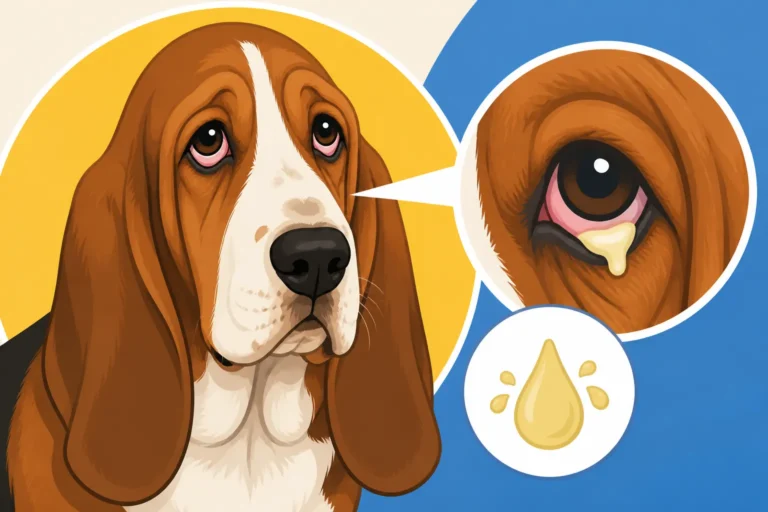
Visually inspect the ear. Redness, swelling, or crustiness inside the ear flap or around the ear canal are all red flags. You might also notice a discharge – it could be dark and waxy (often yeast), yellowish and pus-like (bacterial), or a combination. Your Basset might also become sensitive to touch around their head or ear, flinching or crying out when you try to pet them. In some cases, they might even tilt their head to one side, or show signs of lethargy or loss of appetite due to discomfort. If you notice any of these symptoms, don't delay – a trip to the vet is in order. Self-treating ear infections can lead to antibiotic resistance or worsen the problem.
Preparing for the Unexpected: First Aid and Vet Visits
Even with the best preventative care, accidents can happen, and infections can sometimes take hold. Knowing how to react in an emergency and what to expect from your veterinarian is an important part of Basset Hound ownership.
Essential First Aid for Ear Injuries
Having a basic first-aid kit readily available can make a big difference if your Basset sustains a minor ear injury. This isn't about replacing veterinary care, but about managing the situation until you can get professional help.
If you notice a small cut or abrasion on the ear flap, your first priority is to stop any bleeding and clean the wound. Gently apply direct pressure with a clean cloth or gauze pad. Once the bleeding has subsided, you can carefully clean the area with a mild antiseptic solution, such as diluted chlorhexidine (ask your vet for recommendations) or saline solution. Avoid harsh chemicals that could irritate the wound. Apply a thin layer of antibiotic ointment (again, vet-approved only) and, if possible, loosely cover the wound with a non-stick gauze pad and medical tape or a soft wrap to protect it from dirt and further trauma. Be careful not to wrap too tightly, as this can restrict blood flow.
For more significant injuries, like a deep tear or a suspected fracture of the ear cartilage (rare but possible), the immediate goal is to control bleeding and get your Basset to the vet. Use firm, sustained pressure to control any bleeding and try to keep your Basset calm. Avoid attempting to clean deep wounds yourself, as you could cause more damage or introduce infection. Any swelling, severe pain, or a hematoma should also prompt an immediate vet visit. When in doubt, it's always safer to err on the side of caution and consult your veterinarian.
When to Seek Veterinary Attention
It can sometimes be hard to know if an ear issue warrants a vet visit or if it's something you can handle at home. For Basset Hounds, given their propensity for serious ear problems, it's often best to consult a professional sooner rather than later.
You should always seek veterinary attention if you notice any of the following: a sudden, severe onset of head shaking or pawing at the ear; any visible discharge (especially if it's yellow, green, or foul-smelling); significant redness or swelling of the ear flap or canal; an ear that feels hot to the touch; or any signs of pain when you approach or touch their head. If your Basset's ear develops a swollen, puffy appearance, like a small balloon, this is a classic sign of an aural hematoma, which absolutely requires vet intervention.
Furthermore, if your Basset seems generally unwell – lethargic, feverish, or refusing to eat – in conjunction with ear symptoms, this could indicate a more serious underlying infection or systemic issue. Don't wait to see if it "gets better on its own." Ear infections, especially in Basset Hounds, rarely resolve without proper medical treatment, and delaying care can lead to chronic issues, more aggressive treatments, and greater discomfort for your dog. Your vet can accurately diagnose the type of infection (bacterial, yeast, or both), prescribe appropriate medication, and rule out any foreign bodies or other underlying conditions. They can also discuss whether Whether a Basset Hound Needs Ear Surgery is a consideration for recurring issues.
Long-Term Management and Prevention
Managing a Basset Hound's ear health is a lifelong commitment. It's not just about treating problems as they arise, but establishing a routine that keeps them healthy and comfortable in the long run.
Your veterinarian is your best partner in this journey. Regular check-ups, even when your Basset isn't showing symptoms, can help catch subtle issues early. Discuss with your vet the most appropriate ear cleaner for your specific dog, and ask about preventive strategies, especially if your Basset is prone to recurrent infections. They might recommend specific cleaning protocols, dietary changes to reduce inflammation, or even ear-drying powders if excessive moisture is a constant battle.
Consider integrating products like ear wipes for daily spot cleaning, especially around the outer folds and visible parts of the ear flap. Products from brands like Chewy offer a range of ear care solutions, from daily wipes to specialized cleaners. Investing in a good quality snood is also a great long-term strategy for mealtime protection. Remember, consistency is key. A few minutes of dedicated ear care a few times a week is a small price to pay for a healthy, happy Basset Hound who isn't constantly battling uncomfortable ear issues. By staying vigilant and proactive, you can ensure those wonderfully unique Basset ears remain a source of joy, not worry.
| Ear Protection Method | Pros | Cons | Best Use Case |
|---|---|---|---|
| Regular Cleaning & Checks | Essential for preventing infections; early detection of issues; improves handling tolerance. | Requires consistency; only addresses internal canal health, not physical injury prevention. | Daily/Weekly routine for all Bassets. |
| Snoods | Keeps ears out of food/water; protects from dirt/debris during messy activities; simple to use. | May not be tolerated by all Bassets; primarily for specific activities, not constant wear. | Meal times, messy play, walks in wet/dirty areas. |
| Environmental Adjustments | Reduces risk of snags/trips; creates safer home environment; benefits Basset's back health. | Requires effort to rearrange; may not eliminate all risks (e.g., outdoor). | General home safety, especially for clumsy or older Bassets. |
| Positive Ear Handling Training | Makes care easier for life; reduces stress for vet visits; builds trust. | Requires patience and consistency; can be challenging with already sensitive dogs. | All Bassets, ideally from puppyhood, for a lifetime of comfortable care. |
Disclaimer
This article is for general informational purposes only and does not constitute professional advice. Laws, prices and regulations vary by location and change over time. Consult a qualified professional for guidance on your specific situation.