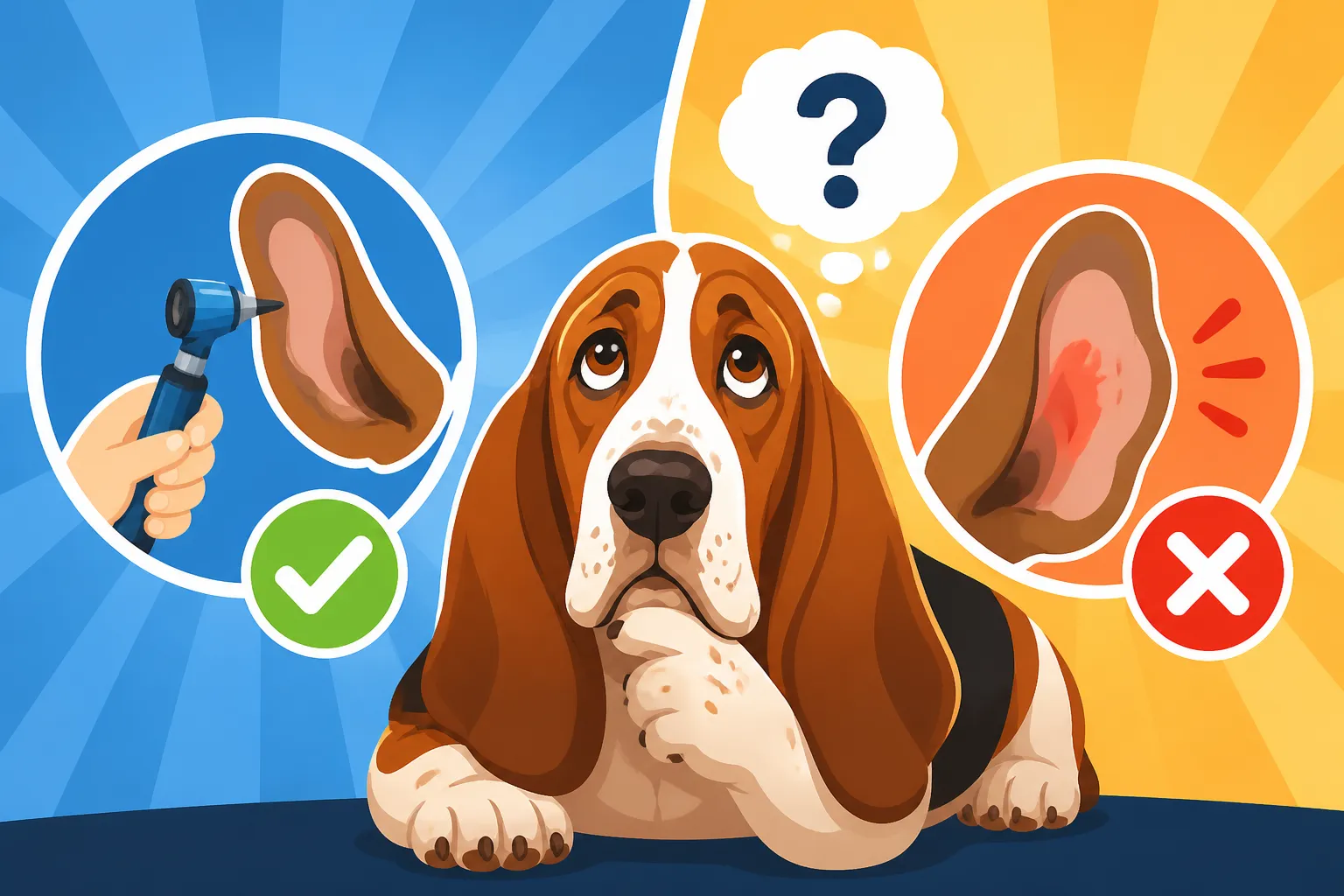
Whether a Weekly Ear Check Is Enough for a Basset Hound
If you’re a Basset Hound parent, you know the ears are a big deal. They’re glorious, iconic, and absolutely adorable, dragging through morning dew and giving your hound that soulful, slightly bewildered look we all adore. But let's be honest, they're also a constant source of worry. Many of us wonder if a quick peek once a week is truly enough to stay on top of potential issues. This guide is here to unravel that very question, diving deep into the unique challenges Basset Hound ears present and outlining what a truly comprehensive ear care routine actually looks like to keep your floppy-eared friend comfortable and healthy.
The Unique Challenges of Basset Hound Ears
It’s not just that Basset Hounds have long ears; it’s how they’re designed and the environment they create that sets them up for a lifetime of potential issues. You might feel like you're constantly battling something, and believe me, you're not alone. The anatomy of those magnificent ears is both their charm and their Achilles' heel.
Anatomy Designed for Trouble
Imagine trying to keep a dark, warm, humid cave clean and dry. That's pretty much what you're up against with a Basset Hound's ear canal. Their long, heavy ear flaps, often called leathers, hang down, effectively sealing off the ear canal from fresh air. This means air circulation is minimal, trapping moisture and heat inside. It's an ideal breeding ground for all sorts of microscopic nasties. We’re talking about an ear canal that rarely, if ever, truly dries out on its own. It's a constant struggle to ensure those deep, hidden passages stay healthy, and it often feels like you're fighting against nature itself.
Beyond the visible flap, the internal structure is also a significant factor. Unlike most breeds with a relatively straight ear canal, a Basset Hound's ear canal takes a sharp, L-shaped turn. This makes it incredibly difficult for debris, wax, and moisture to naturally exit the ear. Instead, everything tends to collect at that bend, leading to blockages and creating an even more hospitable environment for infections to take hold. You can clean the outer part all you want, but getting to the root of the problem without proper technique is a whole different ballgame. It's no wonder many Basset Hound owners feel like they're constantly vigilant. If you've ever wondered Why a Basset Hound's Ear Canal Never Dries, this L-shape and lack of airflow are the main culprits.
Common Ear Culprits: Yeast and Bacteria
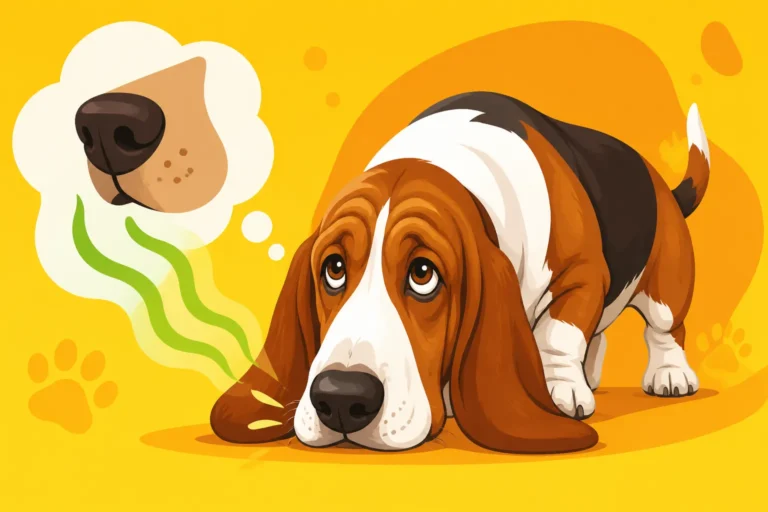
Because of this warm, moist, and poorly ventilated environment, Basset Hounds are prime candidates for recurrent ear infections, primarily caused by yeast and bacteria. You might notice your dog scratching more, shaking their head, or perhaps an unpleasant odor wafting from their ears. Yeast infections often present with a sweet, yeasty smell – a bit like bread baking – and dark, waxy discharge. Bacterial infections, on the other hand, might have a more pungent, foul odor, with yellow or greenish pus-like discharge, and can be incredibly painful for your dog.
It can be incredibly frustrating trying to figure out if it's yeast or bacteria, or both! It often feels like a guessing game until you can get to the vet. The truth is, these organisms are always present in small amounts, but when the conditions are just right – thanks to that problematic ear anatomy – they multiply rapidly, leading to full-blown infections. It's a continuous cycle for many Basset Hounds, and understanding Whether Yeast or Bacteria Is in a Basset Hound's Ear is often the first step in effective treatment. Knowing what your Basset Hound's ear smells like – whether it's Whether a Basset Hound's Ear Smells Sweet or Sour – can actually give you a clue about what kind of infection might be brewing.
Is a Weekly Ear Check Truly Enough?
Given the inherent vulnerabilities of a Basset Hound's ears, the question of whether a weekly ear check is sufficient often comes up. For many breeds, a weekly peek might be perfectly fine. But for our long-eared friends, it’s a bit more nuanced than that.
The 'Check' Versus 'Clean' Debate
Let's clarify the difference between an ear "check" and an ear "clean." An ear check typically involves lifting the ear flap, looking inside for obvious signs of redness, swelling, or discharge, and perhaps giving a quick sniff. It's a visual and olfactory inspection. While this is certainly a good habit and the absolute minimum you should be doing, for a Basset Hound, it's often not enough on its own. Infections can brew deep within that L-shaped canal, out of sight and before any noticeable odor develops. By the time you see or smell a problem with a simple check, the infection might already be well-established and causing your dog discomfort.
Proactive ear cleaning, on the other hand, involves using a veterinarian-approved ear cleaner to flush out debris, excess wax, and help maintain a healthy microbial balance within the ear canal. This is where the real preventative power lies for Basset Hounds. For many, especially those prone to recurring issues, a weekly check coupled with a weekly or bi-weekly clean is often the recommended baseline. Just relying on a visual inspection can mean missing those early, subtle signs, turning a minor irritation into a full-blown, painful infection that requires antibiotics and anti-inflammatories. You really have to get in there and do the work. It might feel like a chore, but it’s an essential part of responsible Basset Hound ownership. When considering How Often a Basset Hound's Ears Must Be Cleaned, it's clear that it's often more frequent than just a check.
Factors Influencing Ear Care Frequency
The ideal frequency for ear care isn't a strict "one size fits all" for every Basset Hound. Several factors play a significant role in determining how often you should be checking and cleaning your dog's ears. If your Basset Hound has a history of chronic ear infections, or suffers from underlying allergies (which often manifest as skin and ear issues), you'll likely need to be much more diligent. Some Basset Hounds seem to be perpetually battling ear issues, and it can be discouraging, but every dog is different.
Environmental factors also contribute. Does your Basset Hound love to swim? Water trapped in those long ear canals is a recipe for disaster. Living in a humid climate, or during high pollen seasons if your dog has allergies, can also necessitate more frequent attention. If your dog loves to roll in dirt or plays in grassy areas, debris can easily find its way into their ears. It's worth remembering that not Whether Every Basset Hound Gets Ear Infections, but a significant number do, and those individuals will demand more frequent intervention. Keeping a diary of when you clean their ears and any signs you notice can help you establish a personalized routine that truly works for your individual hound.
Building a Comprehensive Basset Hound Ear Care Routine
Moving beyond just weekly checks, let's talk about creating a truly comprehensive routine that addresses the specific needs of a Basset Hound's ears. It's all about consistency, the right tools, and knowing when to call in the professionals.
The Components of a Good Ear Routine
A proactive ear care routine for your Basset Hound should be multi-faceted. First, you should aim for a daily quick visual check. This is a super fast lift of the ear flap to just glance for any immediate redness, discharge, or signs of irritation. It takes seconds and can catch problems before they escalate. Think of it like brushing your teeth—a quick check-in is just part of the daily hygiene.
Second, incorporate a regular deeper inspection. This means gently lifting the ear, smelling deeply into the canal, and gently parting any folds of skin to look for subtle changes. You're looking for early signs of inflammation, excessive wax buildup, or that tell-tale odor. This might happen every few days or weekly, depending on your dog's history.
Third, and most critically for Basset Hounds, is proactive cleaning. This isn't just wiping the outer ear; it involves using a proper ear cleaner to flush the canal. You'll squirt the solution into the ear, gently massage the base of the ear to break up debris, and then let your dog shake their head (have a towel ready!). After the shake, you use cotton balls or gauze to gently wipe out any loosened debris and excess cleaner from the visible parts of the ear. Never use cotton swabs deep inside the ear, as this can push debris further in or damage the delicate eardrum. Consistency is absolutely key here. Even if the ears look "fine," a regular, gentle cleaning can prevent issues before they even start. For a detailed guide, check out How to Clean a Basset Hound's Ears Properly. Choosing Which Ear Cleaner Suits a Basset Hound is also vital – look for vet-recommended, non-irritating solutions. You can find many excellent options on Chewy or Amazon.
When to Elevate to a Vet Visit
Even with the most diligent home care, Basset Hounds can still develop ear problems that require professional intervention. It’s crucial to know the signs that indicate a simple home cleaning isn't enough and it's time to see your veterinarian. If you notice any of these symptoms, don't delay:
- Persistent Head Shaking: More than just a casual shake after a bath.
- Excessive Ear Scratching: Pawing at the ears or rubbing them on furniture.
- Strong, Unpleasant Odor: Even after cleaning.
- Redness or Swelling: Visible inflammation inside the ear flap or canal.
- Pain or Sensitivity: Your dog yelps or pulls away when you touch their ears.
- Discharge: Yellow, green, black, or bloody discharge.
- Changes in Behavior: Lethargy, loss of appetite, reluctance to play.
- Hearing Loss or Disorientation: Though often harder to spot.
Letting an ear infection fester isn't just cruel; it can lead to more serious complications, including chronic pain, permanent hearing damage, and even surgical intervention in severe cases. Early intervention with a vet can save your dog a lot of discomfort and potentially save you significant veterinary bills down the line. It's important to recognize The Signs a Basset Hound's Ear Has Gone Bad so you can act quickly. Basset Hounds are, unfortunately, often treated for ear issues more than almost anything else. It's just part of their charm and challenge, highlighting What Basset Hounds Are Most Often Treated For.
To help you remember, here's a quick comparison of what to look for:
| Feature | Healthy Basset Hound Ear | Problematic Basset Hound Ear |
|---|---|---|
| Odor | Minimal to none, clean scent | Sweet (yeast), foul, pungent, or cheesy smell |
| Color | Pale pink, no redness | Red, inflamed, swollen |
| Discharge | Minimal light brown wax, easily wiped away | Yellow, green, black, bloody, excessive dark waxy, crusty |
| Behavior | Comfortable with ear handling, occasional shake | Frequent head shaking, pawing, rubbing, sensitive to touch, vocalizing pain |
| Skin | Smooth, no flaking or irritation | Greasy, flaky, scaly, crusty, hot to the touch |
| Hair | Clean, no matting from discharge | Matted, stained with discharge |
Tools and Tips for Ear Health
Having the right tools and approach can make all the difference in establishing a successful ear care routine for your Basset Hound. It’s not just about what you do, but how you do it, and what you use to help.
Essential Ear Care Supplies
Stocking up on the right supplies is the first step. You'll need a good quality, vet-recommended ear cleaner. These are specially formulated to be gentle on the delicate ear canal while effectively breaking down wax and debris. Some cleaners are designed to dry out the ear, which can be particularly helpful for Basset Hounds prone to moisture issues, while others have antiseptic properties. Always check with your vet for their recommendation, but options can often be found on platforms like Chewy or Amazon.
Beyond the cleaner, you'll want plenty of soft cotton balls or gauze pads. Remember, avoid cotton swabs for deep cleaning inside the canal, as they can push gunk further in and potentially damage the eardrum. For drying the outer ear or managing moisture on the ear flaps, some owners find a small amount of ear powder helpful, but ensure it's specifically for dogs and used externally, never inside the ear canal.
And let's not forget the sheer practicality of Basset Hound ears: they drag through everything! Consider investing in a snood, which is essentially a fabric tube that you can slip over your dog's head to keep their ears out of their food and water bowls. This simple accessory can significantly reduce the amount of gunk and moisture that finds its way into those vulnerable ear flaps. It's a lifesaver, especially if your Basset Hound is as messy an eater as mine! You might be surprised Whether a Basset Hound Needs a Snood at Dinner, but it can really make a difference.
Handling and Desensitization
Let's be real, no dog loves having their ears messed with, and Basset Hounds, with their independent streak, can be particularly resistant. The key to a stress-free ear care routine is starting early and making it a positive experience. If you have a puppy, begin gently handling their ears from day one. Touch them, lift them, look inside briefly, and immediately follow with praise and a high-value treat. Repeat this many times throughout the day, gradually increasing the duration and invasiveness of the handling.
For older Basset Hounds who might already have a negative association with ear handling (perhaps from painful infections), patience is your greatest ally. Go slowly, use lots of positive reinforcement, and keep sessions short and sweet. High-value treats, like bits of cooked chicken or soft training treats from brands like Ollie, can be incredibly motivating. The goal is to create an association where ear handling means good things happen. Teaching a Basset Hound to Have Its Ears Handled is a process, not a one-time event. Similarly, Getting a Basset Hound Used to Ear Handling as a Puppy sets them up for a lifetime of easier care. Don't underestimate the power of making ear checks and cleaning a pleasant bonding experience rather than a dreaded chore.
Disclaimer
This article is for general informational purposes only and does not constitute professional advice. Laws, prices and regulations vary by location and change over time. Consult a qualified professional for guidance on your specific situation.