Whether a Basset Hound Should Eat Twice a Day for Life
One of the most persistent questions that pops up in conversations among Basset Hound enthusiasts – and one I've wrestled with myself over the years – is figuring out the perfect feeding schedule. It feels like our beloved hounds have a bottomless pit for a stomach, constantly looking for their next meal, and knowing whether feeding them twice a day for their entire lives is truly the best approach can be a real source of confusion. This guide is here to untangle that mystery, diving deep into the dietary needs of Basset Hounds across all their life stages and explaining why a consistent, twice-daily feeding routine often proves to be the most beneficial choice for their health, happiness, and our peace of mind.
The Basset Hound's Unique Relationship with Food and Digestion
Let's be honest, a Basset Hound's enthusiasm for food is legendary. They live to sniff out every dropped crumb, every forgotten snack, and every mealtime seems to be the highlight of their day. But beneath that adorable, pleading gaze lies a digestive system with specific needs, and a body type that requires careful management to prevent a host of health issues. Understanding these unique traits is the first step in deciding on the right feeding frequency.
Why Their Appetite Seems Bottomless
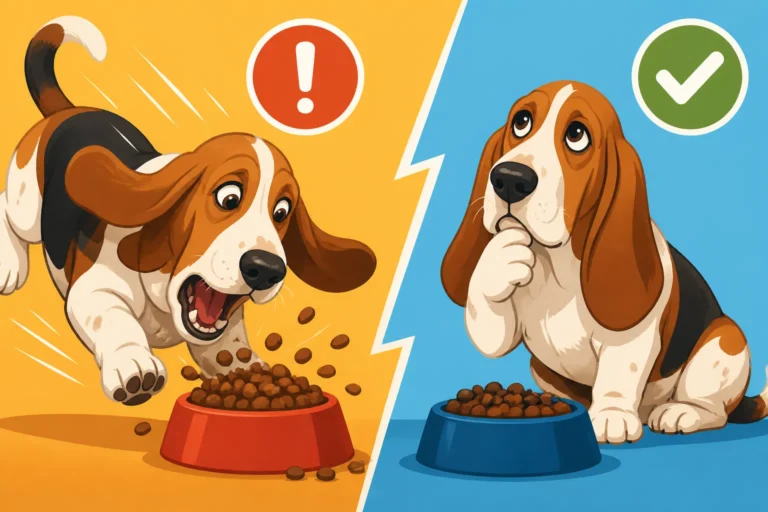
If you've ever owned a Basset, you know they act like they're perpetually starving, even right after a meal. This isn't just an act; it's often a genuine, deep-seated instinct. Hounds, by nature, are driven by their noses, and food is one of the most potent motivators. They are also incredibly efficient at digesting, meaning their stomachs empty relatively quickly, leading to those persistent hunger cues. This insatiable desire for food, while endearing in its persistence, can easily lead to overfeeding if not managed properly. We want them to feel satisfied, but not to consume more calories than they burn. It's a delicate balance, and without a structured approach, it's easy for them to pile on the pounds. This constant craving is why understanding Whether a Basset Hound Ever Feels Full is so important for owners.
Digestive Health and Bloat Concerns
Beyond the charmingly greedy persona, Basset Hounds have a few anatomical predispositions that make their feeding schedule particularly critical. Their deep chests and large stomachs, while iconic, also put them at a higher risk for gastric dilatation-volvulus (GDV), commonly known as bloat. This is a terrifying, life-threatening condition where the stomach fills with gas and can twist, cutting off blood supply. While not every Basset Hound will experience it, certain feeding practices are believed to reduce the risk. Feeding smaller, more frequent meals, rather than one large one, is often recommended as it prevents the stomach from becoming overly distended. Avoiding intense exercise immediately before or after eating is another key piece of advice. This vital consideration ties directly into Whether a Basset Hound Gets Bloat.
The Basset's digestive process also benefits from regularity. Their slower metabolism means their bodies take their time processing nutrients. Consistent meal times help establish a predictable rhythm for their digestive system, which can contribute to better nutrient absorption and overall gut health. It can also help in managing conditions like sensitive stomachs, reducing episodes of upset.
The Case for Twice-Daily Feeding: A Lifetime Approach
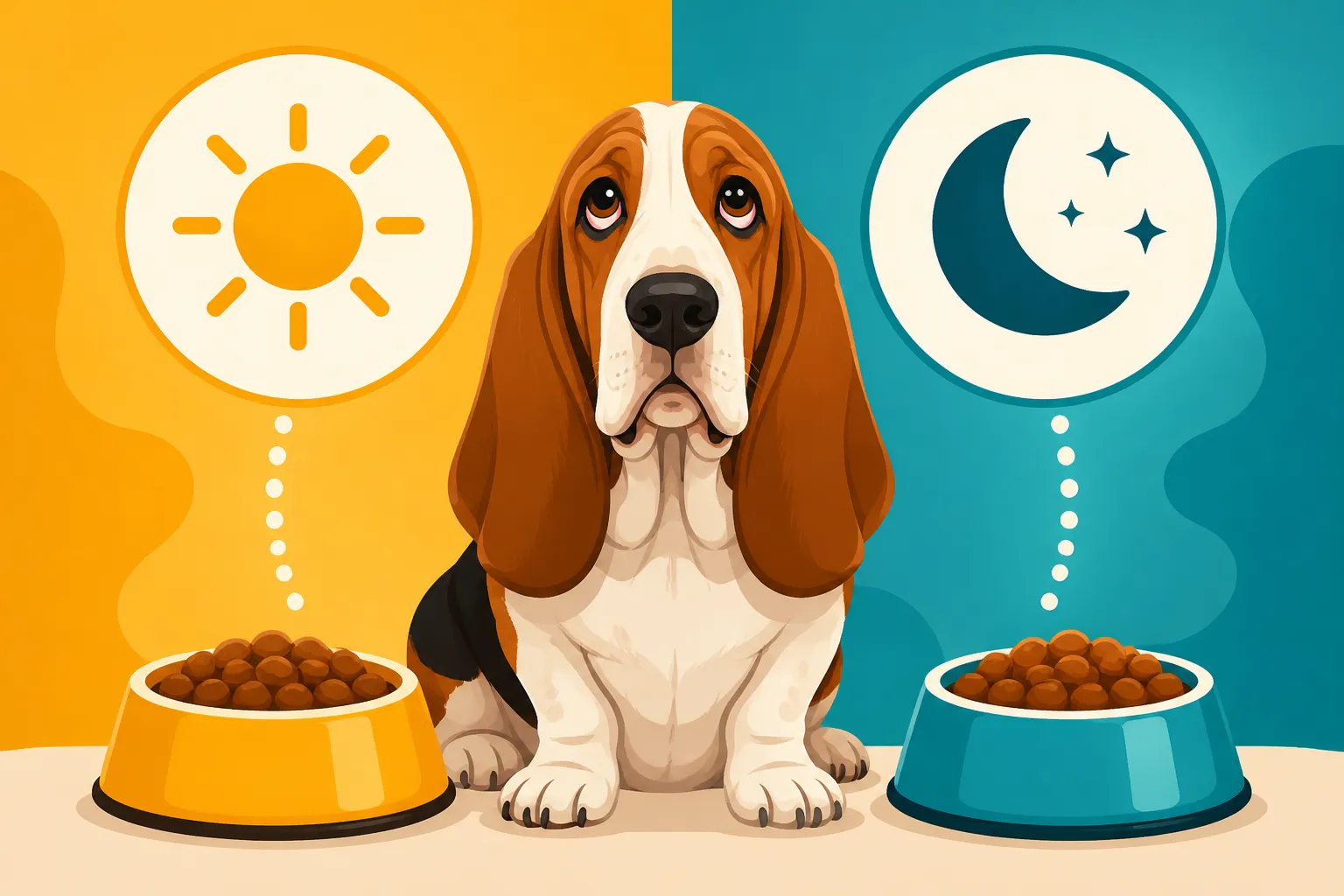
For most adult Basset Hounds, feeding twice a day is widely considered the optimal strategy. This isn't just a convenient schedule; it offers significant health, behavioral, and practical benefits that align perfectly with the Basset Hound's unique physiology and personality.
Stabilizing Blood Sugar and Reducing Hunger Pangs
Imagine eating only one huge meal a day yourself. You'd likely feel sluggish after, then incredibly hungry before your next meal, with dips and spikes in energy. It's similar for dogs. Feeding a Basset Hound two balanced meals, roughly 10-12 hours apart, helps to stabilize their blood sugar levels throughout the day. This consistent energy supply means fewer dramatic hunger pangs, which can translate into less begging, less frantic eating, and a more even-keeled temperament.
This schedule also provides satiety cues more regularly, which is crucial for a breed that always seems hungry. Knowing that another meal is coming at a predictable time can reduce anxiety around food, making them feel more secure and less driven to scavenge or exhibit resource guarding behaviors. When you look at How Much Food an Adult Basset Hound Eats Monthly, dividing that daily portion into two meals makes a huge difference in how full they feel, spread across the day.
Weight Management and Joint Health
One of the biggest challenges for Basset Hound owners is keeping them at a healthy weight. Their long backs, short legs, and stocky build are simply not designed to carry excess pounds. Obesity in Bassets exacerbates joint issues like elbow and hip dysplasia, and puts immense strain on their delicate spines, increasing the risk of intervertebral disc disease (IVDD) which can lead to severe back trouble. Many Basset owners grapple with The Back Trouble a Basset Hound Is Built Into.
By dividing their daily calorie allowance into two meals, it becomes easier to portion control effectively. This prevents them from gorging on a single large meal, which can quickly lead to weight gain. Moreover, when combined with appropriate, low-impact exercise, twice-daily feeding is a cornerstone of Keeping a Basset Hound at Its Correct Weight. Maintaining a lean physique is paramount for a Basset's longevity and quality of life, as Whether an Overweight Basset Hound Lives Shorter sadly confirms. Regular monitoring of their body condition, feeling for those ribs under their loose skin, is far easier when you're consistently preparing and observing their meals.
Preventing Bloat and Other Digestive Upset
As mentioned earlier, bloat is a serious concern. Feeding two smaller meals instead of one large one reduces the volume of food and gas in the stomach at any given time, thereby decreasing the risk of GDV. It also encourages a slower eating pace, especially if you utilize slow feeder bowls, which are widely available on platforms like Amazon or Chewy. These bowls often have internal ridges or mazes that force your Basset to work for their food, slowing down ingestion and making mealtime last longer and feel more satisfying.
Beyond bloat, some Bassets can have sensitive stomachs, experiencing issues like reflux or indigestion if they eat too much at once. Smaller, more frequent meals can be gentler on their system, allowing for more efficient digestion and reducing the likelihood of vomiting or diarrhea. If your Basset hound struggles with an overly sensitive stomach, you might also consider fresh food options, which some owners find easier for their dogs to digest. Companies like Ollie offer convenient delivery of fresh-cooked meals tailored to your dog's needs.
| Life Stage | Recommended Feeding Frequency | Key Considerations |
|---|---|---|
| Puppy (8-16 weeks) | 3-4 times a day | Rapid growth, high energy, small stomach capacity. Consistent schedule aids house training. |
| Puppy (4-6 months) | 2-3 times a day | Still growing, but digestive system maturing. Continue consistent schedule. |
| Adult (1-7 years) | 2 times a day | Optimal for blood sugar stability, weight management, bloat prevention. |
| Senior (7+ years) | 2 times a day (or 3 smaller) | Slower metabolism, potential dental issues, decreased appetite or increased need for nutrients (e.g., joint support). |
Adjusting Feeding Schedules Across Life Stages
While twice-daily feeding is a great general rule, it's not one-size-fits-all throughout your Basset Hound's entire life. Their nutritional needs, energy levels, and digestive capabilities evolve significantly from puppyhood to their senior years, and a smart owner will adjust accordingly.
Puppyhood: More Frequent, Smaller Meals
Bringing home a Basset Hound puppy is an exciting, albeit messy, adventure. These little guys are growing at an astonishing rate, full of boundless (if sometimes clumsy) energy. Their tiny stomachs can't hold a lot of food, but their rapidly developing bodies demand a constant supply of nutrients. This is why Basset Hound puppies typically need to be fed three to four times a day when they are very young (around 8 to 12 weeks old).
As they grow, usually by around four to six months of age, you can gradually transition them to three meals a day, and then eventually to the adult two-meal-a-day schedule by the time they're about six months to a year old. The key here is consistency. Feeding at regular intervals helps regulate their metabolism, prevents low blood sugar, and provides predictable potty breaks, which is a huge bonus when you're trying to house-train. You'll want to ensure they are on a high-quality puppy food, appropriate for large breeds, to support healthy, steady growth without putting undue stress on their developing joints.
Senior Years: Reassessing Needs as They Age
As our beloved Bassets enter their golden years, typically around seven or eight years old, their bodies begin to change once more. Their metabolism often slows down, meaning they might require fewer calories to maintain a healthy weight, even if their appetite hasn't diminished. Some seniors may also experience dental issues, making it harder to chew kibble, or develop medical conditions that affect their appetite or digestion. The Age a Basset Hound Counts as Senior is a good benchmark, but every dog is an individual.
For many senior Bassets, sticking to the twice-daily feeding schedule still works wonderfully. However, you might find that smaller, more frequent meals (perhaps three times a day) are beneficial if they are struggling with digestion, or if their appetite is waning. This can make meals less daunting and ensure they get the nutrients they need. It's also crucial to consider their mobility. If your senior Basset is struggling with The Old Basset Hound That Cannot Get Off the Floor, you might need to bring their food bowl to them or use a raised bowl to make eating more comfortable and prevent neck strain. Joint supplements, often available through trusted online retailers like Chewy, might also become a crucial addition to their diet at this stage.
Common Feeding Mistakes to Avoid
Even with the best intentions, it's easy to fall into some common traps when feeding a Basset Hound. Their charming persistence can wear you down, and sometimes, convenience takes over. But avoiding these pitfalls is crucial for their long-term health.
Free-Feeding vs. Scheduled Meals
The idea of leaving a bowl of kibble out all day for your Basset to graze on might seem convenient, but it's rarely a good idea for this breed. Free-feeding, also known as "ad-libitum" feeding, makes it almost impossible to accurately monitor their food intake, and for a Basset with an insatiable appetite, it's a fast track to obesity. They simply lack the self-control.
Scheduled meals, particularly two times a day, give you complete control over portion sizes. You know exactly how much they're eating, and you can adjust portions based on their activity level, weight, and overall health. It also helps establish a routine, which Bassets thrive on, reducing anxiety and making house-training and other behavioral training much simpler. Plus, it allows you to quickly spot if their appetite changes – a crucial indicator of potential health issues. If your Basset Hound suddenly stops eating, or starts eating significantly more, it’s a red flag that you might miss with free-feeding.
Over-Reliance on Treats and Table Scraps
It's hard to resist those soulful Basset eyes when they're begging for a bite of your dinner, but overdoing it with treats and table scraps can quickly undermine even the most carefully planned feeding schedule. Treats should make up no more than 10% of your Basset's daily caloric intake. If you're using treats for training, make them small, low-calorie options, and factor them into their daily food allowance.
Table scraps are generally a no-go. Many human foods are too rich, too fatty, or even toxic for dogs. Pancreatitis, a painful and serious inflammation of the pancreas, can often be triggered by fatty human foods, and Basset Hounds are not immune to Whether a Basset Hound Gets Pancreatitis. Stick to their balanced dog food. If you want to give them a special treat, choose dog-safe vegetables or fruits in moderation. This discipline is paramount, especially since Whether a Basset Hound Steals Food is a common anecdote among owners.
In conclusion, for the vast majority of their lives, a Basset Hound truly thrives on a consistent, twice-daily feeding schedule. It's a proactive measure against common health problems like obesity and bloat, a way to stabilize their energy and mood, and a simple discipline that contributes significantly to their overall well-being. Trust me, putting in the effort now to establish this routine will pay dividends in a happier, healthier Basset Hound for years to come.
Disclaimer
This article is for general informational purposes only and does not constitute professional advice. Laws, prices and regulations vary by location and change over time. Consult a qualified professional for guidance on your specific situation.