Whether a Basset Hound Overheats in Summer
Oh, summer! The season of long days, sunshine, and… an almost constant worry about our beloved Basset Hounds. You see those long, droopy ears, that heavy body, and those short legs, and a little voice in your head screams, "Is my Basset Hound going to be okay in this heat?" It's a very real concern, and you're right to be thinking about it. Unlike some breeds, Basset Hounds aren't exactly built for scorching temperatures, and understanding why and what to do is crucial for keeping them safe and comfortable all season long. This guide is all about helping you navigate summer with your floppy-eared companion, recognizing the signs of trouble, and preventing heat-related distress before it even starts.
Why Basset Hounds Struggle with Summer Heat
It’s not just paranoia; Basset Hounds genuinely have several physical traits that make them more susceptible to overheating than many other breeds. It's a combination of their unique physiology and their natural instincts that can turn a beautiful sunny day into a dangerous situation if we're not careful.
Their Unique Physiology: A Recipe for Overheating
Think about your Basset Hound for a moment. They're built low to the ground, which might seem adorable, but it means their bellies are often closer to hot asphalt or sun-baked earth, picking up radiant heat more directly. Their short legs, while perfect for following a scent trail at a leisurely pace, aren't exactly designed for efficient temperature regulation when activity levels or external heat rises.
Then there's the weight. Basset Hounds are surprisingly heavy-boned for their size, often weighing as much as much larger dogs. This dense build, combined with a tendency toward being a bit on the chunky side (we all know how much they love their food!), means they have more body mass to cool down. An overweight Basset Hound is at an even greater disadvantage when the temperatures climb. Extra insulation means extra work for their body to dissipate heat, turning their own lovely rolls into potential heat traps. We talk more about What Extra Weight Does to a Basset Hound and how it impacts their overall health, and summer heat is definitely a major factor.
And let's not forget those iconic long ears and their glorious dewlap. While they're fantastic for scent work, they also reduce air circulation around the face and neck, which are areas where dogs exchange heat. Their thick, dense coats, despite being short, aren't designed for tropical climates. They can hold heat close to the body, making it harder for their natural cooling mechanisms to work. Plus, Basset Hounds aren't the most efficient panting machines compared to some other breeds. Their respiratory system, while fine for regular activity, can struggle to cool them down quickly when they're already too warm.
The Impact of Their Lifestyle and Instincts
Basset Hounds, bless their hearts, are scent hounds through and through. A fascinating smell can override almost any discomfort, including feeling a bit too warm. They might bury their nose in a scent trail and forget all about the rising temperature or their own need for a break. This single-minded focus means they might push themselves past their limits without showing immediate signs of distress, making it essential for us, their human companions, to be vigilant. You might find them stubbornly pursuing a fascinating odor even as their panting increases, oblivious to the heat radiating off the sidewalk. This unwavering dedication to a good smell is endearing but can be dangerous in summer.
Furthermore, Basset Hounds aren't generally known for their athletic prowess or endless stamina, especially as they get older. While they need regular exercise, intense, prolonged activity in the heat can quickly lead to exhaustion and overheating. A quick walk around the block in 80-degree weather might be fine for some dogs, but for a Basset Hound, it could be too much. It’s also worth considering that older Basset Hounds, or those with underlying health conditions, will struggle even more. The Old Basset Hound That Cannot Get Off the Floor often needs even more careful management in hot weather, as their reduced mobility can make it harder for them to find cooler spots or move away from direct sun. We often explore How Far a Basset Hound Should Walk as a measure of appropriate activity, and this distance shrinks dramatically in the summer.
Spotting the Red Flags: Signs of Overheating in Your Basset Hound
Knowing why Basset Hounds are prone to overheating is the first step, but being able to recognize the signs is absolutely critical. Heatstroke can escalate quickly, and early detection can be the difference between a mild scare and a serious emergency. Don't wait until it's too late; learn to read your Basset's body language in the heat.
Early Warning Signals You Cannot Ignore
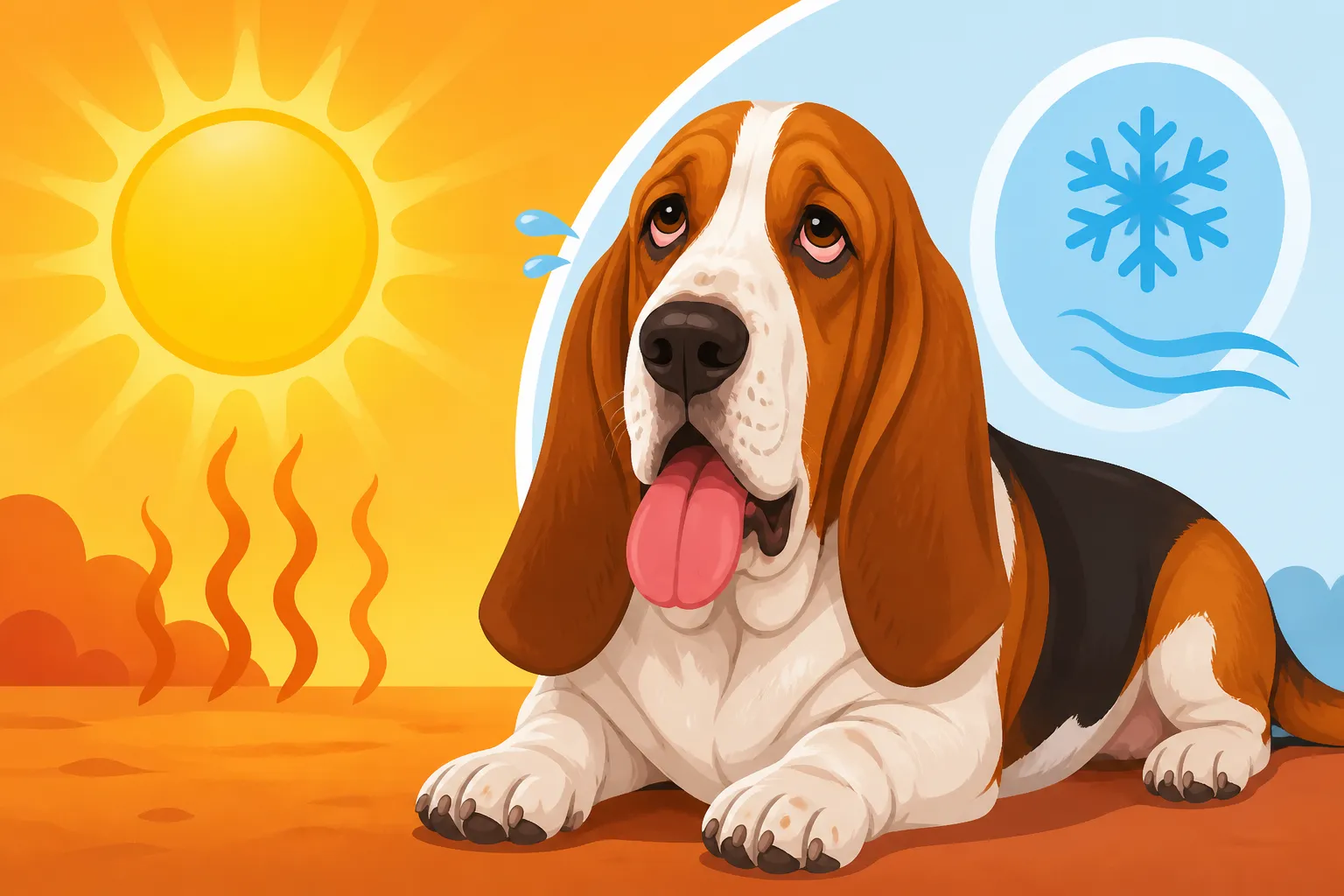
The very first sign you'll likely notice is increased panting. While panting is normal for dogs to cool down, a Basset Hound that is panting excessively, rapidly, and noisily, even when resting, is telling you they're struggling. Their breathing might seem labored, and you might see their chest heaving more than usual. Look at their tongue and gums: are they bright red or a darker, almost brick-red color? This indicates increased blood flow as their body tries to cool itself, and it's a definite warning sign.
Another common early indicator is lethargy or a general reluctance to move. If your normally enthusiastic Basset Hound is lagging behind on a walk, refusing to play, or just seems unusually tired, pay attention. They might seek out shade more intensely than usual or try to lie down on a cool surface. You might also notice excessive drooling, beyond their usual slobbery charm. This can be clear, thin drool or thicker, ropey saliva. Their body is trying to shed heat through evaporation from their mouth, but too much drool can also indicate distress. Check for a slightly glazed or anxious look in their eyes; they might appear unfocused or disoriented. If they start stumbling or showing a wobbly gait, they're past the initial warning signs and need immediate cooling.
When Things Get Critical: Recognizing Heatstroke
If the early signs are missed or ignored, a Basset Hound can quickly progress to full-blown heatstroke, which is a life-threatening emergency. At this stage, the symptoms become much more severe and alarming. Their gums might turn very pale or even blue-grey, indicating poor circulation and oxygenation. Their panting might become even more extreme, almost like gasping, or it could paradoxically become very shallow and weak as their body starts to shut down.
You might observe vomiting or diarrhea, sometimes with blood, as their internal organs begin to suffer damage. They may collapse, lose consciousness, or even have seizures. Their body temperature will be dangerously high, often over 104°F (40°C), though you might not have a thermometer on hand to confirm this. Their muscles might twitch or become rigid. At this point, every second counts. If you see any of these critical signs, it’s not a moment for hesitation; your Basset Hound needs immediate, aggressive cooling and emergency veterinary care. We'll talk about first aid in a bit, but the key is to recognize the severity of the situation and act swiftly.
Here’s a quick table to help you distinguish between early signs of overheating and critical heatstroke:
| Sign Category | Early Overheating | Critical Heatstroke (Emergency!) |
|---|---|---|
| Panting/Breathing | Excessive, rapid, noisy panting; labored breathing | Extreme gasping, weak/shallow breathing, distressed |
| Gums/Tongue | Bright red, darker red | Pale, blue-grey, very dry |
| Energy/Behavior | Lethargy, reluctance to move, seeking shade, anxious | Collapse, loss of consciousness, disorientation, seizures |
| Drooling | Increased, clear, thin or thick/ropey | Very heavy, foamy |
| Other Symptoms | Wobbly gait, glazed eyes | Vomiting (possibly bloody), diarrhea (possibly bloody), muscle tremors |
Keeping Your Basset Hound Cool: Proactive Prevention Strategies
The best way to deal with heatstroke is to prevent it from happening in the first place. With a Basset Hound, this means being incredibly proactive and making some adjustments to your routine and home environment, especially during the warmer months.
Creating a Safe Summer Environment
Your home and yard need to be safe havens from the heat. First and foremost, always ensure your Basset Hound has access to ample fresh, cool water. This means multiple water bowls around the house and outside, perhaps even a large ceramic bowl that stays cooler longer. Consider adding ice cubes to their water or using a pet fountain to encourage drinking. For those hot days, a splash pool or kiddie pool in a shaded part of the yard can be a lifesaver. Basset Hounds aren't always keen swimmers, but many enjoy a shallow wade to cool their belly and feet.
Providing plenty of shade is non-negotiable. If your Basset spends any time outdoors, they need access to shade at all times, whether it's from trees, an awning, or a shade sail. Direct sun exposure, even for short periods, can be dangerous. Your Basset Hound's Whether a Basset Hound's Belly Gets Sunburned is a real concern if they're stretched out in the sun, so shade is key. Indoors, keep your home cool with air conditioning or fans. If you don't have AC, consider closing blinds and curtains during the hottest parts of the day to block out sunlight.
Cooling mats and elevated dog beds can also make a huge difference. Cooling mats (you can find a great selection on Chewy or Amazon) work by absorbing body heat or by containing a gel that stays cool without refrigeration. Elevated beds allow air to circulate underneath your Basset, keeping them off the hot floor. While they are built low, providing them with a space that’s cool underneath them can prevent contact with heat-absorbing surfaces.
Adjusting Daily Routines and Activities
This is where many owners unwittingly put their Basset Hounds at risk. Those lovely long walks need to be carefully timed. During summer, plan walks for the very early morning or late evening when temperatures are coolest. Forget midday strolls or afternoon jaunts entirely. Even if it feels mild to you, the asphalt or pavement can be scorching hot on their paws, leading to burns and radiating heat back up to their low bodies. Test the pavement with the back of your hand; if you can't hold it there comfortably for five seconds, it's too hot for your Basset's paws. We often discuss Whether a Basset Hound Should Jog With You, and the answer is a resounding no, especially not in the heat!
Keep walks shorter and less intense. Instead of a long, leisurely wander, break it up into several shorter potty breaks and focus on enrichment activities indoors. Mental stimulation, like puzzle toys, sniff games, or training sessions, can tire your Basset out without the risk of overheating. If you do go out, always bring water with you and offer it frequently. Portable water bowls are readily available from stores like Chewy and are a summer essential.
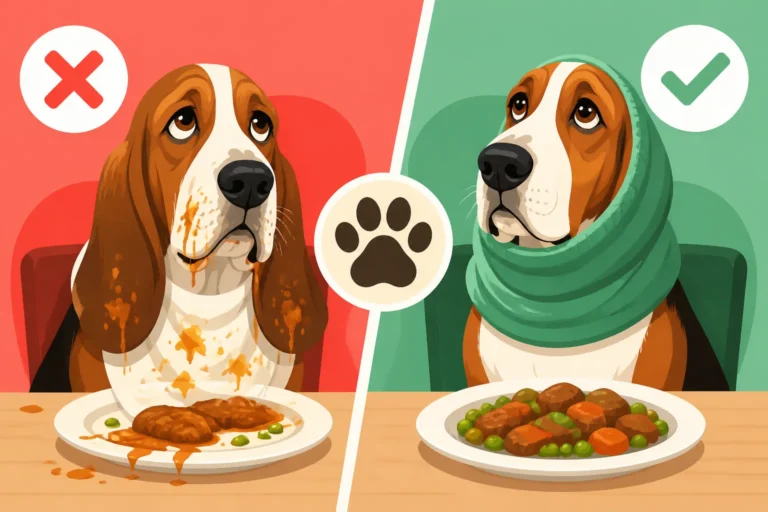
Consider a cooling vest or bandana for walks on slightly warmer days. These items are designed to be soaked in water and worn by your dog, providing evaporative cooling. Just make sure they don't impede your Basset's movement or cause any irritation in their skin folds. And speaking of skin folds, remember to keep them clean and dry. Moisture trapped in those adorable wrinkles can lead to skin infections, which can make your dog even more uncomfortable in the heat.
Smart Hydration and Nutrition
Hydration isn't just about water bowls; it's also about what goes into their food. If your Basset Hound isn't a big water drinker, consider adding some low-sodium chicken broth to their kibble or offering wet food as a supplement to increase their fluid intake. Some fresh food services, like Ollie, offer meals with higher moisture content, which can be a good way to sneak in extra hydration. Just be sure to transition foods slowly to avoid an upset tummy.
Frozen treats are a fantastic way to cool down your Basset Hound and provide a bit of mental enrichment. You can freeze low-sodium broth in ice cube trays, make "pupsicles" with plain yogurt and dog-safe fruits like blueberries or bananas, or even freeze Kongs stuffed with wet food or peanut butter. These keep them occupied, hydrated, and cool from the inside out. Be mindful of overall calorie intake if offering extra treats, especially if your Basset is prone to gaining weight, which can worsen heat tolerance, as discussed in Keeping a Basset Hound From Getting Heavy.
It's also worth noting that just like people, dogs can lose electrolytes when they sweat (though dogs don't sweat in the same way we do, they still lose fluids). In extreme heat or after strenuous activity (which should be avoided with Basset Hounds in summer anyway!), some veterinarians might recommend electrolyte-rich drinks formulated for dogs. However, always consult your vet before introducing any supplements. Remember that for overall well-being, including heat tolerance, following How Much a Basset Hound Should Eat to maintain a healthy weight is crucial.
What to Do When Heat Strikes: Emergency Measures
Despite all your best efforts, sometimes accidents happen, or the heat becomes overwhelming faster than you expected. If you suspect your Basset Hound is suffering from heatstroke, immediate action is paramount. Knowing what to do in those crucial first moments can save their life.
Immediate First Aid at Home
The very first thing you need to do is get your Basset Hound out of the heat and into the coolest possible environment. This means indoors, in an air-conditioned room, or at least in deep shade with a fan blowing directly on them. Don't waste time trying to move them too much; simply get them to a cooler spot.
Once in a cool area, begin cooling them down. The goal is to lower their body temperature gradually, not drastically. Use cool (not ice-cold) water to wet their fur, focusing on areas with less fur and more blood flow, like their belly, inner thighs, paws, and neck. You can use a hose, wet towels, or even just pour water over them. Continuously re-wet the towels as they absorb heat. You can also place cool, wet cloths on their paw pads. Do not use ice water, as this can cause the blood vessels to constrict, trapping heat inside their body and potentially leading to shock.
Offer them small amounts of cool (not cold) water to drink. If they are conscious and able to swallow, a little bit of water can help. Don't force them to drink, especially if they are disoriented or unconscious, as they could aspirate it into their lungs. While you're doing this, call your veterinarian immediately. Even if your Basset Hound seems to be recovering, they need professional assessment. Overheating can cause internal organ damage that isn't immediately visible.
When to Rush to the Vet
Any Basset Hound showing signs of critical heatstroke—collapse, seizures, vomiting, bloody diarrhea, dark or pale gums—needs to see a vet right now. Even if you've started cooling them down at home, professional medical intervention is essential. This often involves intravenous fluids, oxygen therapy, and close monitoring of their vital signs and organ function.
Don't assume that once they seem a little better, the danger has passed. Heatstroke can cause delayed complications, including kidney failure, liver damage, and neurological issues. Your vet will be able to assess the extent of the damage and provide the necessary treatment to prevent long-term health problems. They will also be able to check for other issues that might have contributed to the collapse, such as Whether a Basset Hound Gets Bloat if they drank a lot of water quickly.
When traveling to the vet, continue your cooling efforts as safely as possible in the car. Keep the air conditioning on full blast, and if you have wet towels, keep them on your Basset. Call ahead to let the clinic know you're on your way so they can be prepared for your arrival. Your prompt action, combined with expert veterinary care, gives your beloved Basset Hound the best chance of a full recovery. Understanding What a Basset Hound's Emergency Surgeries Cost can be daunting, but acting quickly in a heatstroke situation is priceless.
Disclaimer
This article is for general informational purposes only and does not constitute professional advice. Laws, prices and regulations vary by location and change over time. Consult a qualified professional for guidance on your specific situation.