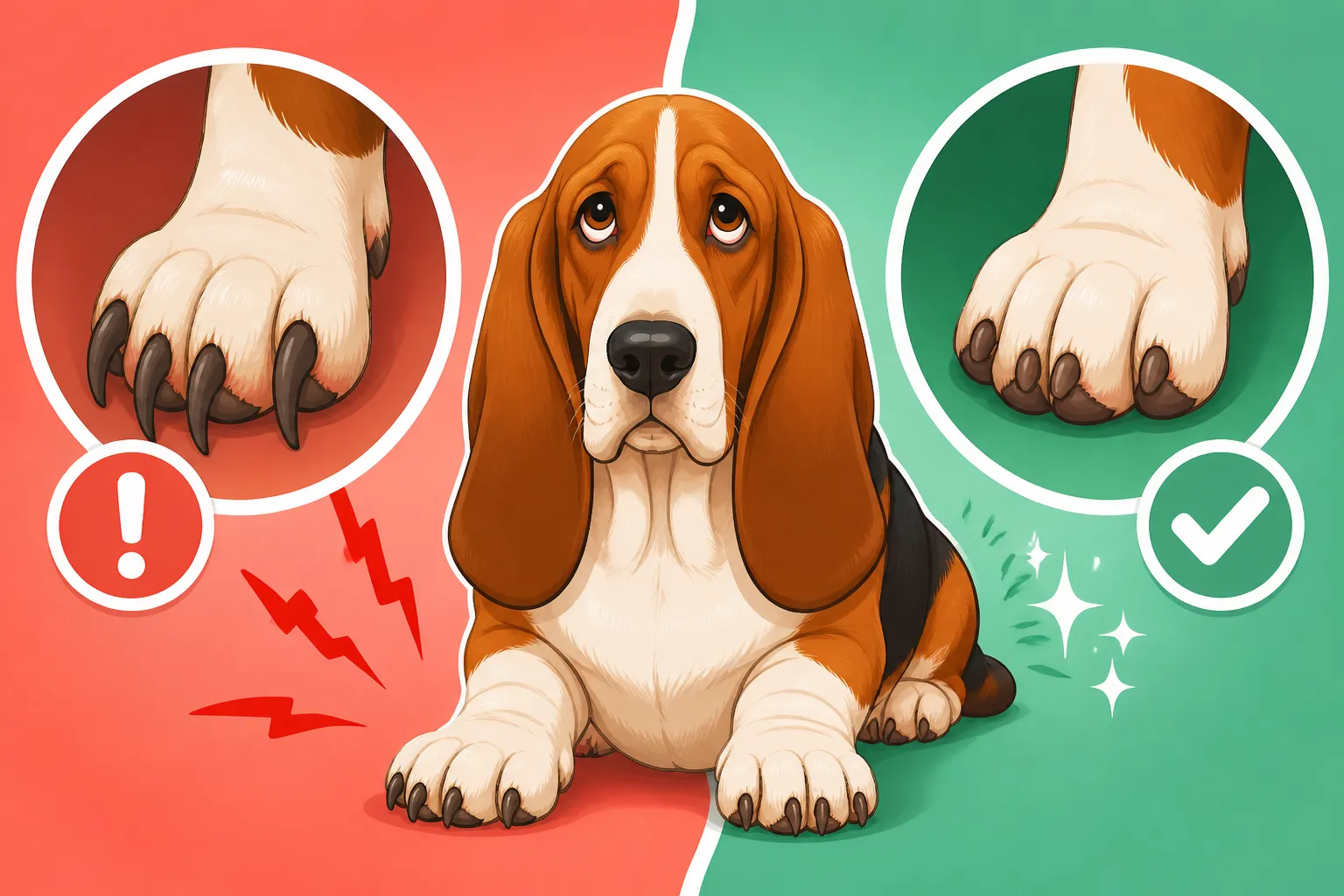
Whether Long Nails Change a Basset Hound’s Feet
One of the trickiest parts of owning a Basset Hound, beyond the drool and the endless shedding, is often dealing with their nails. It’s easy to let them get a little too long, and before you know it, those adorable paws that pad so quietly across the rug are click-clacking on your hard floors, sounding more like a tap dancer than a hound. But it's more than just an annoying sound; those long nails can actually have a profound and detrimental impact on your Basset's overall health and comfort. This guide is here to walk you through exactly how untrimmed nails can change your Basset Hound's feet, and what you can do to keep them healthy.
The Anatomy of a Basset Hound's Foot and Why Long Nails Are a Problem
Our Bassets are built uniquely, aren't they? Every part of their classic silhouette, from those long, velvety ears to their sturdy, low-slung body, serves a purpose – or at least, it did when they were bred to hunt. Their feet are no exception, designed for endurance and stability over varied terrain. But this very design makes them particularly vulnerable to the problems that arise from neglected nail care.
The Basset Hound's Unique Foot Structure
A Basset Hound's paws are something to behold: large, round, and equipped with thick pads and heavy bone, meant to support their substantial weight as they follow a scent trail for miles. They have short, strong legs, and their feet are often described as being somewhat splayed, which helps distribute their weight and provide traction. However, this broad, sturdy base relies on the toes being able to spread naturally and the paw resting flat on the ground. Deep inside each nail is a blood vessel and nerve called the "quick." In a healthy, well-maintained nail, the quick recedes as the nail is trimmed, staying safely tucked away. But when nails are allowed to grow unchecked, the quick grows right along with them, extending further down the nail. This makes it incredibly difficult to trim the nails back to a healthy length without causing pain or bleeding, creating a frustrating cycle for many owners.
Imagine their substantial body weight pressing down on those relatively short legs, all resting on those broad, padded feet. Now, consider if those feet can't sit flat because the nails are too long. It's like trying to walk on your tiptoes all the time. The pressure points shift, and the natural shock-absorbing qualities of the paw are compromised. This isn't just uncomfortable; it's a foundational problem that can ripple throughout their entire skeletal structure.
How Long Nails Alter Gait and Posture
When a Basset Hound's nails become too long, they inevitably push against the ground before the paw pads do. This forces the dog's toes to splay and turn upwards and backward, essentially levering the foot into an unnatural position. Instead of landing flat, with the pads absorbing the impact, the weight distribution shifts. The dog ends up walking more on the back of its paw, or in severe cases, on the soft tissue between the pads. This altered gait isn't just awkward; it's a complete redesign of how your Basset's foot is supposed to function. Over time, this constant misplacement of the foot can actually reshape the bones and soft tissues of the paw itself. The toes become permanently splayed and deformed, and the foot loses its natural, compact shape.
Consider a hypothetical scenario: You're wearing shoes that are several sizes too small, forcing your toes to curl up and back inside. Even if you don't feel immediate pain, imagine trying to walk, run, or even just stand comfortably for hours on end like that. You'd inevitably shift your balance, put pressure on different parts of your foot, and eventually, your ankles, knees, and hips would start to ache. That's precisely what's happening to your Basset Hound, day in and day out, when their nails are left to grow too long. Their natural, purposeful stride, designed for slow and steady pursuit, becomes a compensation pattern, trying to minimize the discomfort caused by their own feet. It's a subtle change at first, but one that relentlessly undermines their physical well-being.
The Cascading Health Issues Caused by Untrimmed Nails
It's a common misconception that long nails are merely a cosmetic issue or a minor annoyance. For a Basset Hound, with their unique build and propensity for certain orthopedic challenges, untrimmed nails can trigger a cascade of serious health problems. These aren't just surface-level concerns; they can impact their joints, cause painful injuries, and even contribute to spinal issues.
Joint Pain and Arthritis
The constant, unnatural pressure on a Basset Hound’s toes from overgrown nails doesn't just stay in the paws. This altered foot posture forces a change in their entire limb alignment, from the carpal joints in their wrists all the way up to their elbows and shoulders. The joints are designed to move within a specific range and bear weight in a particular way. When the foot's mechanics are off, every joint in that leg has to compensate, enduring stress and strain they weren't built for.
Over months and years, this chronic misalignment and undue stress can lead to inflammation, cartilage degeneration, and eventually, painful Arthritis in a Basset Hound at Seven. For a breed already predisposed to joint issues, like Elbow Dysplasia in a Basset Hound, long nails can significantly exacerbate these conditions, bringing on pain and mobility problems much earlier than might otherwise occur. It's a quiet, insidious process, often mistaken for just "getting old" or being "lazy" when in reality, the dog is in constant discomfort because of a preventable issue. Imagine having to twist your wrist slightly with every step you take; eventually, that repetitive stress is going to take its toll, making simple movements excruciating.
Pad Injuries and Infections
Beyond the internal skeletal strain, long nails are also a direct risk for external injuries and infections to the paw. Those long, curved nails can easily get snagged on carpeting, outdoor roots, or even while simply scratching themselves. A sudden tear or rip can be incredibly painful, leading to bleeding, lameness, and a trip to the vet for wound care, pain medication, and potentially antibiotics. These injuries are not only distressing for your Basset but can also be surprisingly expensive to treat.
Furthermore, when nails force the toes to splay, the gaps between the paw pads become wider and more open to the elements. This creates perfect little pockets for dirt, debris, moisture, and even parasites to accumulate. This environment, often warm and damp, is an ideal breeding ground for bacteria and yeast, leading to persistent and itchy Skin Fold Infections on a Basset Hound or, more specifically, Interdigital Cysts Between Toes. Your Basset might start excessively licking or chewing their paws, which only worsens the irritation and introduces more bacteria, turning a minor issue into a chronic, painful problem that requires veterinary intervention and potentially long-term medication. Think of it as having pebbles constantly stuck between your toes, irritating the skin and eventually causing blisters or infections.
Spinal Stress and Back Problems
Perhaps one of the most concerning, yet often overlooked, consequences of long nails in Basset Hounds is the impact on their spine. Their characteristic long back, while endearing, makes them inherently prone to certain spinal issues, such as Intervertebral Disc Disease in a Basset Hound. When their feet are compromised by long nails, their entire posture and gait change. They shift their weight, alter the way their muscles engage, and redistribute forces throughout their body, all in an attempt to alleviate the immediate foot discomfort.
This compensation doesn't come without a cost. The altered gait places abnormal stress on their spinal column, especially in the neck and lower back. Imagine trying to walk with a kink in your foot; you'd naturally adjust your shoulders, hips, and spine to maintain balance, creating tension and strain elsewhere. For a Basset, this continuous, subtle stress can contribute to the degeneration of intervertebral discs, increasing their risk of a "slipped disc" or other painful back conditions. It's a crucial link in their overall health picture: healthy feet are foundational to a healthy spine. Ignoring nail length is like trying to build a sturdy house on a shifting foundation – eventually, cracks will appear in the main structure. We all want our Bassets to live long, comfortable lives, and addressing their nails is a significant step in preventing debilitating back issues. The Back Trouble a Basset Hound Is Built Into is already a serious concern, and long nails only compound the risk.
Practical Strategies for Maintaining Healthy Basset Hound Nails
Now that we understand just how critical proper nail care is for our Basset Hounds, let's talk about how to keep those paws in tip-top shape. This isn't just about avoiding problems; it's about ensuring your Basset lives as comfortably and happily as possible, without the subtle aches and pains that can steal their joy.
The Importance of Regular Trimming and Nail Grinding
The golden rule for Basset Hound nails is consistency. Ideally, their nails should be trimmed every 2-4 weeks, depending on how quickly they grow and how much natural wear they get from walking on rough surfaces. The goal is to keep the nails short enough so that they don't touch the ground when your Basset is standing naturally. If you can hear them clicking on your kitchen floor, they're definitely too long.
Regular trimming is not just about keeping them short; it's about encouraging the quick to recede. Remember that quick we talked about? The more consistently you trim just a little bit off the nail (without hitting the quick), the further back that blood vessel and nerve will retract. Over time, this allows you to gradually shorten the nails to their ideal length, making future trims easier and less stressful for both of you.
When it comes to the method, you essentially have two main options: clippers or grinders. Clippers are fast and effective, coming in guillotine or scissor styles. Grinders, like a Dremel tool, work by gently sanding down the nail. Many Basset owners find grinders less intimidating than clippers, especially if their dog has dark nails where the quick is hard to see. Grinders also allow for smoother edges, which can prevent snagging, and they let you take off tiny bits at a time, minimizing the risk of hitting the quick. The key, no matter the tool, is to make it a positive experience, especially if you start when your Basset is a puppy. Gentle handling, lots of praise, and high-value treats can make a world of difference. Think about it like Getting a Basset Hound Used to Ear Handling as a Puppy – early, gentle exposure makes a lifetime of grooming easier.
Tools and Techniques for At-Home Nail Care
Equipping yourself with the right tools makes the job much easier. For clippers, consider a scissor-style pair for their sturdy build and good leverage on thick Basset nails. Brands like Safari or Millers Forge are often recommended and readily available on platforms like Chewy or Amazon. If you opt for a grinder, a rechargeable rotary tool with a fine-grit sanding band is ideal. You can find these on Amazon or at your local pet supply store. Make sure you also have styptic powder (like Kwik Stop) on hand; it’s a lifesaver for quickly stopping any accidental nicks to the quick.
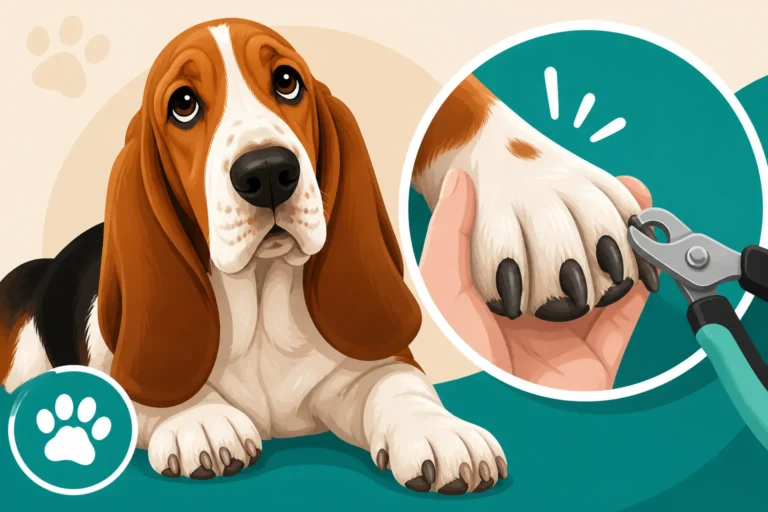
When you're ready to trim, find a comfortable, well-lit spot. Have your treats ready! Gently hold your Basset's paw, isolating one toe at a time. If using clippers, aim to cut just below the quick, at a slight angle. For light-colored nails, the quick is easier to spot as a pink area. For dark nails, look for the 'dot' or 'ring' when you look at the cut surface – that's the quick. It's always better to take off too little than too much. With a grinder, touch the spinning head to the nail for a second or two, then lift, checking your progress. Work your way around each nail, aiming for a smooth, short finish. Remember, patience is key. If your Basset gets anxious, take a break and come back later. A little bit often is much better than a stressful, infrequent marathon session. Establishing this routine is an important part of What a Basset Hound Needs Every Day.
Seeking Professional Help
Sometimes, despite your best efforts, managing your Basset Hound's nails at home can feel overwhelming. Maybe your dog is particularly anxious, or their nails are severely overgrown, making it difficult to even start. This is absolutely nothing to be ashamed of, and it’s a perfectly valid reason to seek professional help. Your veterinarian or a professional groomer can be an invaluable resource.
Many veterinary clinics offer "nail trim only" appointments or even specific "dremel clinics" where staff are trained to work gently and efficiently with even the most reluctant dogs. They have the experience and often specialized restraint techniques (always gentle and positive, of course!) to get the job done safely. A professional groomer, who deals with a variety of breeds and temperaments daily, can also perform expert nail trims. They might even offer "nail grinding" as a separate service, which is often preferable for Basset Hounds due to their thick nails and the need for a smooth finish. Don't let the thought of a difficult struggle at home deter you from ensuring your Basset's foot health. If your Basset struggles with regular grooming, seeking professional assistance can prevent negative associations and keep them comfortable. After all, Whether a Basset Hound Struggles at the Groomer is a common concern, and a good professional can make all the difference.
Recognizing and Addressing Existing Long Nail Issues
It's easy to get caught up in the daily hustle and bustle, and before you know it, those nails have crept past a healthy length. But don't despair! Even if your Basset Hound's nails are currently too long, there are clear signs to look for and a systematic approach to get them back on track.
Signs Your Basset Hound's Nails Are Too Long
The most obvious sign of overgrown nails is visual: when your Basset is standing still on a flat surface, their nails should not touch the ground. You should be able to slide a piece of paper underneath them. If you see the nails pushing their toes up, causing their feet to splay outwards, that's a definite red flag. The nails might also start to curl under the paw, or even grow into the paw pads in severe cases, which is incredibly painful and opens the door to infection.
Beyond what you see, listen closely. If you hear a distinct "click-clack" sound every time your Basset Hound walks across your kitchen tiles or hardwood floors, their nails are too long. A healthy nail length allows for quiet movement on hard surfaces. Behaviorally, you might notice your Basset being more reluctant to walk or play, or they might seem a bit stiff when getting up. They might also start licking or chewing at their paws excessively, a clear sign of discomfort or irritation. The Old Basset Hound That Cannot Get Off the Floor may have multiple reasons for their struggle, but long nails certainly won't be helping matters and could be a contributing factor.
The Process of "Receding the Quick"
If your Basset Hound's nails have grown long, chances are their quicks have grown with them, making it impossible to trim them short in one go without causing pain. This is where the patient process of "receding the quick" comes in. It requires consistency, but it's incredibly effective.
The technique is simple: trim or grind a small amount of nail every few days, or at least once a week. You're aiming to take off just the very tip, or file down the leading edge with a grinder, taking care not to hit the quick. With each tiny trim, the quick, sensing the air and light, will gradually start to retract further back into the nail bed. Over several weeks or months, as you continue this frequent, incremental trimming, you'll find that you can take off more nail each time without hitting the quick. This process slowly but surely allows you to return the nails to a healthy, short length.
It takes dedication, but the results are invaluable. Your Basset will walk more comfortably, reduce strain on their joints and spine, and be less prone to painful injuries. It’s an investment in their long-term health and happiness. You might even find your Basset to be more willing to move around, even if Whether an Old Basset Hound Still Needs Walks is something you're already debating. This consistent effort is a crucial part of Caring for an Old Basset Hound That Cannot Rise, helping them maintain as much mobility and comfort as possible. For owners contemplating Whether a Basset Hound's Legs Are Too Short to Be Sound, proactive nail care is one way to ensure their unique conformation isn't unnecessarily burdened.
Understanding Nail Care Tools
To help you decide the best approach for your Basset Hound's nail care, here's a quick comparison of the common tools available.
| Feature | Nail Clippers (Scissor/Guillotine) | Nail Grinder (Rotary Tool) |
|---|---|---|
| Speed of Trim | Very fast, single cut per nail | Slower, gradual removal of nail |
| Risk of Quicking | Higher, especially with dark nails; requires precision | Lower, allows for tiny adjustments, less invasive |
| Nail Finish | Can leave sharp edges; may need filing | Smooth, rounded edges; reduces snagging |
| Sound/Vibration | Quick snap sound; no vibration | Buzzing sound and vibration; can be intimidating at first |
| Best for | Dogs tolerant of nail trims; experienced owners | Anxious dogs; dark nails; receding the quick; creating smooth finish |
| Availability | Widely available at pet stores (e.g., Chewy, local shops) | Widely available at pet and hardware stores (e.g., Amazon, Chewy) |
| Maintenance | Keep blades sharp; clean occasionally | Replace sanding bands periodically; keep charged |
| Styptic Powder? | Always have on hand, higher risk of needing it | Less likely to need, but good to have for emergencies |
Ultimately, the best tool is the one you and your Basset Hound are most comfortable with. Some Bassets tolerate clippers beautifully, while others do much better with the gradual approach of a grinder. It might take a little trial and error, but finding the right method is well worth the effort for your Basset's long-term health.
Disclaimer
This article is for general informational purposes only and does not constitute professional advice. Laws, prices and regulations vary by location and change over time. Consult a qualified professional for guidance on your specific situation.