The Year the Basset Hound Joined the AKC
For anyone who has ever fallen head over heels for the long, low, soulful gaze of a Basset Hound, there’s an immediate connection to their unique history and dignified charm. But understanding when these incredible dogs officially stepped into the limelight, particularly in a formal organization like the American Kennel Club (AKC), can shed a lot of light on how they became the beloved companions we know today. This guide will walk you through the fascinating journey of the Basset Hound's arrival and acceptance into the AKC, exploring the history that led to their formal recognition.
The Early History of the Basset Hound and Its Journey to America
The story of the Basset Hound isn't a simple one; it’s a tapestry woven with threads of ancient European hunting traditions, noble pursuits, and a deliberate desire for a scent hound that could be followed on foot. These dogs didn't just appear one day; they evolved from centuries of careful breeding, primarily in France.
Origins in French Monasteries and Nobility
To truly understand the Basset Hound, we have to travel back in time, often to the quiet cloisters of French monasteries and the bustling estates of the nobility. The breed's lineage is deeply intertwined with the hounds developed by the monks of the Abbey of St. Hubert, a name you might recognize associated with the Bloodhound. These monks were dedicated to breeding excellent scent hounds, and from their efforts, various lines emerged. The term "basset" itself is derived from the French word "bas," meaning low, a descriptor that perfectly encapsulates their distinctive stature.
The development of the Basset Hound was a deliberate effort to create a dog that could track game, particularly rabbits and hares, at a slower pace than their long-legged counterparts. This allowed hunters to follow on foot, making the hunt more accessible and, perhaps, more intimate. Imagine the serene, misty forests of medieval France, with hunters following the melodious bay of their low-slung hounds through the undergrowth. This deep connection to scent work and the outdoors is still a fundamental part of the breed's identity. If you're curious about their ancient roots, you might want to read The Abbey Hounds a Basset Hound Descends From or Where the First Basset Hounds Came From for a deeper dive. The meticulous breeding by French noblemen, who valued their distinctive appearance and tracking abilities, further solidified their presence in European hunting culture.
Crossing the Atlantic: Basset Hounds Arrive in America
The Basset Hound's journey across the Atlantic to American shores began much later than their European development. Like many European breeds, their arrival in the United States was often tied to immigrants or enthusiasts who recognized their unique qualities and desired to establish them in the New World. It wasn't a sudden influx but rather a gradual introduction, with individual dogs or small groups making their way over.
These early American Basset Hounds likely served a similar purpose to their European ancestors, being valued for their exceptional noses and calm demeanor, even if the hunting grounds and styles differed. They quickly caught the attention of American dog fanciers who appreciated their unusual appearance and gentle temperament. The sheer utility and charming disposition of these hounds made them appealing, not just to hunters, but also to those who simply admired a unique and affectionate canine companion. Their long, drooping ears and deeply set eyes, along with their melodious bay, quickly made them recognizable and endearing. To understand more about this specific migration, consider reading When the Basset Hound Reached America.
The Road to AKC Recognition: A New Chapter for the Basset Hound
For any dog breed, achieving recognition from a prestigious organization like the American Kennel Club (AKC) is a monumental step. It signifies that the breed has a stable lineage, a defined standard, and a dedicated group of fanciers committed to its preservation and promotion. For the Basset Hound, this journey was a testament to their enduring appeal and the hard work of early American breed enthusiasts.
What AKC Recognition Means for a Breed
Before diving into the specific year, it’s helpful to understand what AKC recognition truly entails. It's not just a fancy stamp of approval; it’s a formal acknowledgment that a breed has met certain criteria. This includes having a sufficient population of purebred dogs, consistent breed type over several generations, and an established parent club dedicated to the breed's welfare and standard.
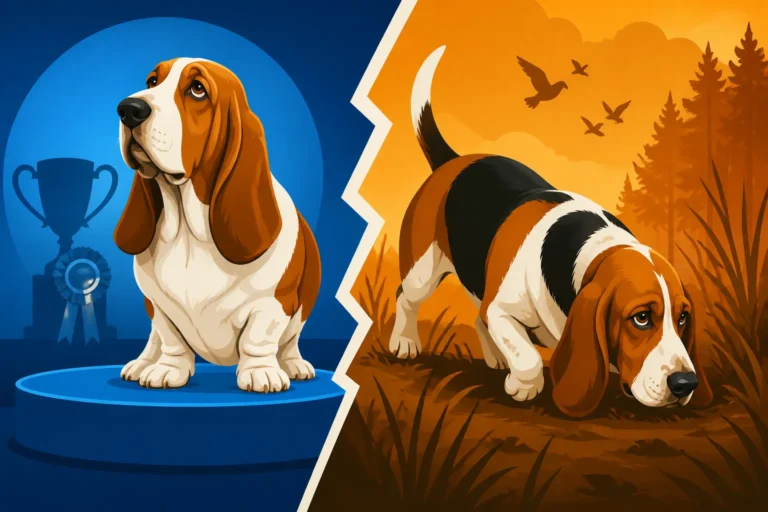
AKC recognition provides a framework for breeders, judges, and owners. It publishes a breed standard, which is essentially a blueprint describing the ideal physical characteristics, temperament, and movement of the Basset Hound. This standard helps ensure consistency in breeding programs and guides judging in conformation shows. It also opens doors for the breed to participate in a wide array of AKC events, from conformation to obedience, tracking, and agility. For a breed like the Basset Hound, known for its incredible nose, recognition for formal tracking trials was a natural fit.
The Year the Basset Hound Joined the AKC
The Basset Hound was officially recognized by the American Kennel Club in 1885.
This year marked a significant milestone for the breed in America. It cemented their status not just as a working hound, but as a legitimate, recognized purebred dog within the burgeoning American dog fancy. This recognition helped to standardize the breed's development in the United States, providing a clear path for breeders to follow and for enthusiasts to rally around. It meant that Basset Hounds could now compete for championship titles, increasing their visibility and popularity across the country.
The early years post-recognition were crucial. Breeders worked diligently to refine the lines, striving to meet the written standard while maintaining the breed’s characteristic charm and working ability. This formal structure helped to protect the breed's integrity and ensure its continued presence for generations to come. For instance, breed standards often describe physical traits such as The Twelve Inch Ears a Basset Hound Was Given on Purpose or general build, like Why a Basset Hound Weighs as Much as a Labrador, which breeders then strive to maintain.
Here’s a quick look at some key dates in the Basset Hound’s early history and journey to AKC recognition:
| Event | Approximate Period / Year | Significance |
|---|---|---|
| Origins of low-slung scent hounds in France | Medieval to 16th Century | Development of "basset" type hounds for foot hunting. |
| Formalization of French Basset breeds | 16th – 19th Century | Distinct Basset breeds, like Basset Artesian Normand, emerge. |
| Basset Hounds Arrive in America | Mid-19th Century | Individual dogs imported by enthusiasts. |
| Basset Hound Recognized by AKC | 1885 | Official acceptance into the American Kennel Club. |
| Establishment of Basset Hound Club of America | Early 20th Century | Dedicated national parent club forms to guide the breed. |
The Impact of AKC Recognition on the Basset Hound Breed
AKC recognition wasn't merely a formality; it had profound, long-lasting effects on the Basset Hound breed in America. It shifted public perception, influenced breeding practices, and opened up new avenues for these charming hounds.
Standardizing the Breed and Promoting Responsible Breeding
With AKC recognition came the establishment of a detailed breed standard. This document became the guiding principle for anyone involved with Basset Hounds, from breeders to show judges. It outlined everything from acceptable colors and markings to the desired head shape, ear length, and the characteristic wrinkle of their brow. This standardization, while sometimes leading to debates within the breed community about form versus function, largely aimed to preserve the unique traits that define a Basset Hound.
Responsible breeders, guided by the AKC standard, could now focus on producing Basset Hounds that were not only true to type but also healthy and temperamentally sound. This often meant considering health screenings and genetic testing to mitigate common breed-specific issues. Today, a responsible breeder will perform various health tests, for which you can find more information in The Health Tests a Basset Hound Breeder Should Run. The emphasis moved beyond just acquiring a "basset type" dog to actively participating in the preservation and improvement of the official Basset Hound breed. This structure helped to differentiate legitimate breeders from those simply selling puppies without regard for breed health or integrity. Even today, finding the right supplies, like quality food and comfortable bedding, is a critical part of responsible pet ownership, and sites like Chewy make it convenient for owners to access a wide range of products tailored for specific breed needs.
Increased Popularity and Public Awareness
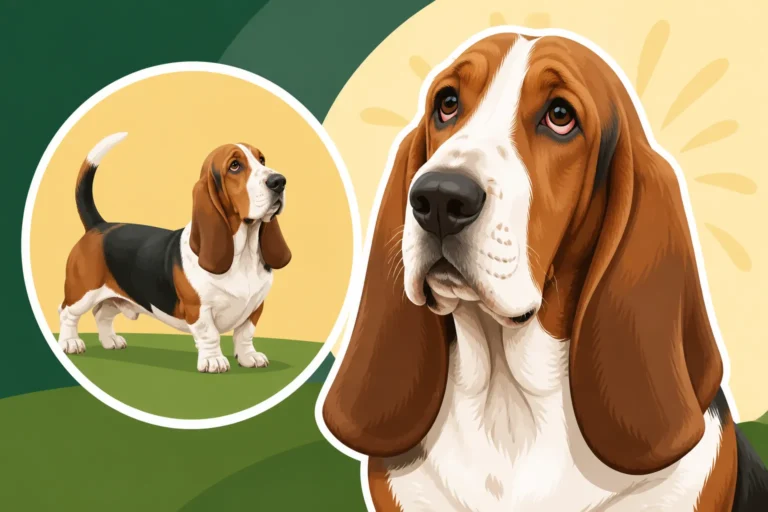
Perhaps one of the most immediate and tangible impacts of AKC recognition was the significant boost in the breed's popularity and public awareness. As Basset Hounds began appearing in conformation shows and other AKC events, they gained exposure far beyond the hunting fields. Their unique, almost comical appearance—the long, heavy ears, the droopy eyes, the mournful expression, and that distinctive waddle—captured the hearts of many.
This increased visibility led to a greater demand for Basset Hound puppies. While exciting, this surge in popularity also presented challenges. It highlighted the importance of discerning between reputable breeders focused on health and temperament, and those simply looking to capitalize on demand. The breed's unique charm, however, endured, cementing its place as a recognizable and much-loved figure in American popular culture, from advertisements to cartoons. This widespread appeal also means that resources for owners, such as specialized toys, grooming tools, and even breed-specific discussion forums, are readily available, including through large pet supply retailers like Chewy. The availability of information, whether online or through breed clubs, has become an invaluable tool for new owners learning about their Basset Hound.
The Enduring Legacy: Basset Hounds in the Modern Era
Since their recognition in 1885, Basset Hounds have carved out a unique and enduring niche in the hearts and homes of people across America and beyond. Their journey from ancient French hunting grounds to beloved family companions is a testament to their remarkable qualities.
Evolution of the Breed Since AKC Recognition
Over the decades since AKC recognition, the Basset Hound has continued to evolve, often under the careful guidance of the Basset Hound Club of America and dedicated breeders. While the core characteristics of the breed—their extraordinary sense of smell, their distinctive appearance, and their calm, amiable temperament—have remained steadfast, there have been ongoing discussions and efforts regarding their health and conformation.
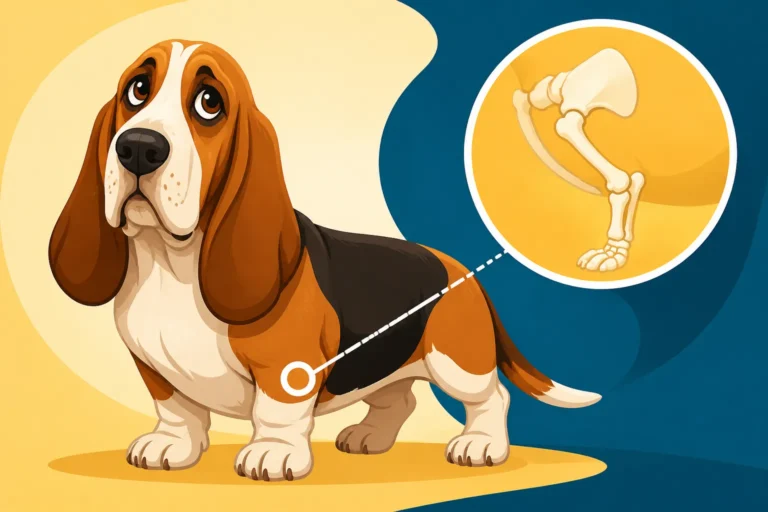
For instance, there's always a delicate balance between preserving traditional breed traits and ensuring the overall health and functionality of the dog. Concerns about exaggerated features, such as excessive skin folds or eye droop, have led to ongoing conversations within the breed community. Similarly, while their low-slung body is iconic, ensuring their structure supports a healthy, active life is paramount. Breeders continue to work towards producing Basset Hounds that are sound in body and mind, embracing both the historical essence and modern welfare considerations. Issues like The Crooked Front a Basset Hound Is Built On or Whether the Basset Hound Has Been Bred Too Low are common discussion points among those passionate about the breed's future.
The Basset Hound Today: Beyond the Show Ring
Today, the Basset Hound is cherished for a multitude of reasons that extend far beyond the show ring or the hunting field. They are incredibly adaptable dogs, fitting into a variety of households thanks to their generally laid-back nature. While their scenting instincts remain incredibly strong—and can lead them astray if given the chance—they are often content with a good sniffy walk and a cozy spot on the couch.
Many Basset Hounds participate in activities like scent work, tracking trials, and even therapy work, where their calm demeanor and gentle nature shine. Others are simply adored family pets, providing endless amusement with their antics and profound affection with their soulful eyes. Their unique personality, a blend of stubborn independence and deep loyalty, makes them endlessly endearing. They’re a breed that teaches patience, rewards with unwavering companionship, and fills a home with their charming presence. Getting ready for one, or refreshing your supplies, is simple now with vast inventories from places like Chewy, making sure your Basset has access to everything from durable chew toys to specialized shampoos for their unique skin and coat needs. Whether you’re preparing for The First Year With a Basset Hound Puppy or caring for The Old Basset Hound That Cannot Get Off the Floor, the dedication to their well-being is a constant for every owner.
Disclaimer
This article is for general informational purposes only and does not constitute professional advice. Laws, prices and regulations vary by location and change over time. Consult a qualified professional for guidance on your specific situation.