How Tall a Basset Hound Stands at the Shoulder
It’s a common question, and one that often surprises new Basset Hound owners: just how tall is a Basset Hound? Many people picture a relatively small dog, given their famously short legs and long bodies, but the reality is that these wonderful hounds have a deceptive stature that can lead to some unexpected challenges and considerations in daily life. This guide will dive deep into what constitutes a Basset Hound's height, what the breed standard truly means, and how their unique build impacts everything from their health to your home setup.
Understanding the Basset Hound's Unique Proportions
When you first meet a Basset Hound, the immediate impression is one of a long, low dog. Their signature droopy ears, wrinkled brows, and deeply set eyes draw your attention, and their short legs often lead to assumptions about their overall size. However, measuring a dog "at the shoulder" can be a bit misleading for a Basset, as their sturdy bone and surprising weight mean they're far from a small or fragile breed, despite their limited vertical reach.
The Breed Standard: What it Says About Height
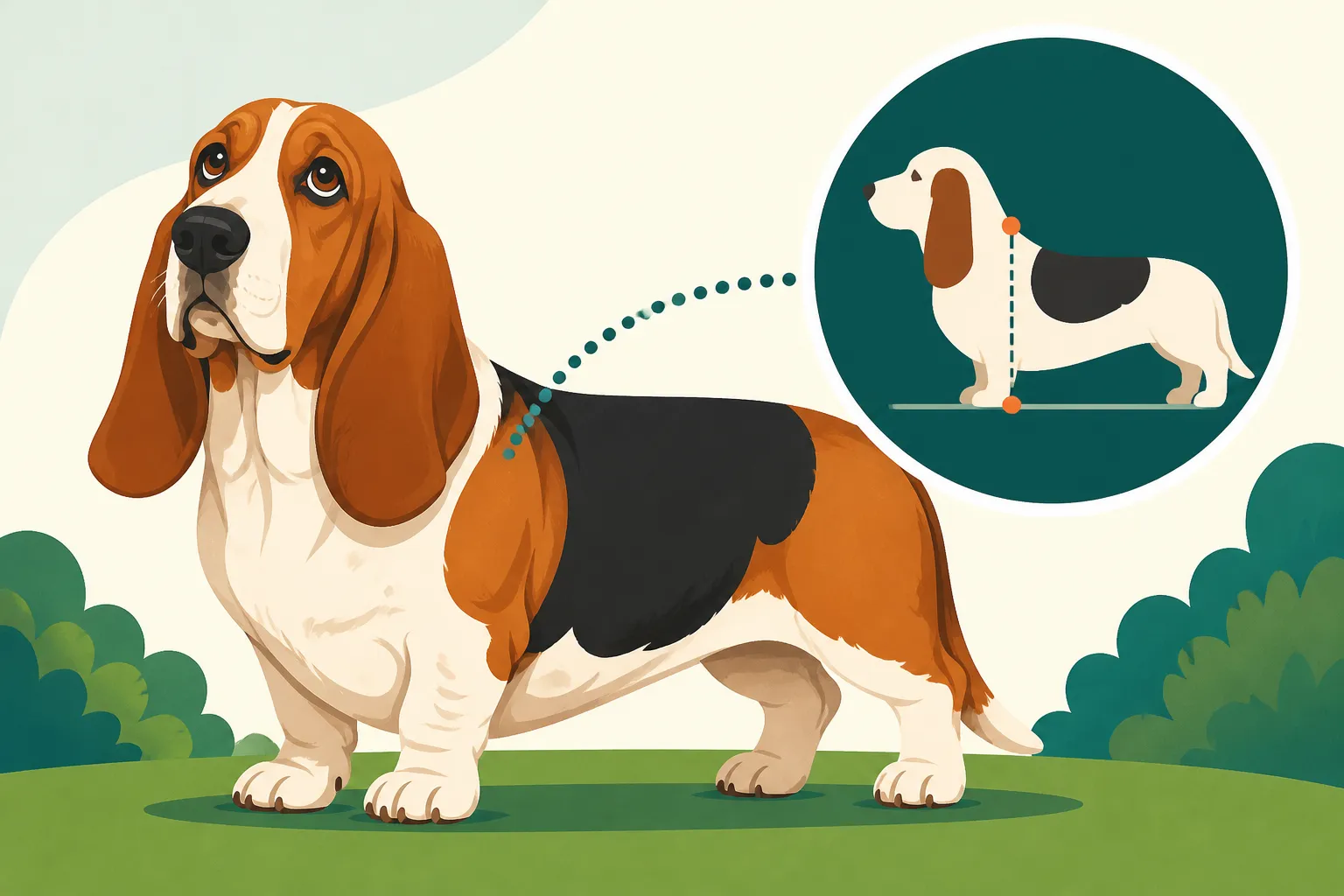
The official breed standards, whether from the American Kennel Club (AKC) or other international kennel clubs, provide a clear guideline for what constitutes a proper Basset Hound build. They specify a height range for adult Basset Hounds, typically measured at the highest point of the shoulder blades (the withers). For most standards, this range usually falls between 13 to 15 inches (approximately 33 to 38 centimeters).
Now, think about that for a moment. Thirteen to fifteen inches might not sound like much, especially when you compare it to a Labrador Retriever or a German Shepherd. But consider the Basset's immense length and girth. They are not built like svelte, leggy breeds. Instead, they are compact and incredibly dense. This short stature, paired with their heavy bone and muscular bodies, creates a dog that feels much larger and more substantial than a simple height measurement might suggest. It’s an interesting paradox: visually, they seem small due to their low profile, but physically, they are quite a powerful, medium-to-large breed in terms of mass. This unique construction is intentional, developed over centuries for a very specific purpose: scent trailing. Their low center of gravity and proximity to the ground allowed them to follow scents meticulously, without needing to lift their heads or break concentration (see Whether a Basset Hound's Low Height Helps It Trail).
Why "Low-Slung" Doesn't Mean Tiny
The term "basset" itself comes from the French word "bas," which means "low." This perfectly describes their characteristic low-slung appearance. But this "lowness" is about more than just their height; it's about their entire construction. They possess a remarkable amount of bone for their size, giving them a surprising heft. Imagine trying to lift a Basset Hound that weighs 60 or even 70 pounds – it's a completely different experience than lifting a similarly tall but more lightly built terrier.
Their heavy bone structure, combined with their deep chests and robust bodies, means they carry a considerable amount of weight for their height. This is crucial for their working heritage, as it gave them the stamina and power to push through underbrush and navigate challenging terrain while on a scent trail. So, while a Basset Hound stands relatively short at the shoulder, their presence is anything but small. They take up a lot of space on the sofa, they have a substantial "thump" when they jump off (which they really shouldn't do!), and they command attention with their sheer physical presence. This is why you'll often hear experienced Basset owners say they're a "big dog on short legs." They might not be able to reach the counter as easily as some breeds, but don't mistake their height for fragility or smallness.
Factors Influencing a Basset Hound's Actual Height
While the breed standard provides an ideal range for height, real-world Basset Hounds can, and often do, vary. Just like people, dogs are individuals, and a multitude of factors can play into their final adult size. It's rare to find a Basset Hound that perfectly matches the middle of the standard, and minor deviations are generally nothing to worry about.
Genetic Variance and Individual Differences
Even within a litter from well-bred parents, you'll see some variation in size. Genetics play the most significant role in determining how tall a Basset Hound will stand at the shoulder. Responsible breeders strive to produce dogs that adhere closely to the breed standard, which includes height. They select breeding pairs who themselves fit the standard and come from lines known for producing sound, typey offspring. However, nature always has its own way, and slight differences are expected.
Some Bassets might mature at the lower end of the 13-inch spectrum, while others might push the upper limit of 15 inches, or even slightly exceed it. These individual differences don't necessarily make a dog "unstandard" or unhealthy. What's more important than hitting an exact number is that the dog's overall proportions are balanced and sound, maintaining that classic Basset silhouette without appearing leggy or overly stunted. A dog that is too tall might lose some of its characteristic "low-slung" hunting efficiency, while one that is disproportionately short could face different mobility challenges. Breeders also conduct health screenings for conditions that might impact growth and structure, such as Elbow Dysplasia in a Basset Hound, to ensure their puppies have the best chance at a healthy life.
The Role of Nutrition and Health in Growth
Proper nutrition during puppyhood is absolutely critical for a Basset Hound to reach its genetically predetermined height and overall size in a healthy way. Puppies need a balanced diet formulated for large breed puppies to ensure steady, controlled growth. Overfeeding a Basset Hound puppy, especially with foods that are too high in calories or calcium, can actually lead to problems with bone and joint development, rather than making them "bigger" in a healthy sense. It can accelerate growth too quickly, putting undue stress on their developing joints. This is why many vets and breeders recommend large breed puppy formulas, which are specifically designed to promote slow, steady growth.
On the flip side, underfeeding or providing an imbalanced diet can stunt a puppy's growth, preventing them from reaching their full potential height and body mass. Health issues, chronic illnesses, or severe parasite infestations during critical growth periods can also impact a Basset's final size. A puppy suffering from ongoing digestive upset, for instance, might not absorb nutrients properly, which could affect its development.
Maintaining a healthy weight throughout their life is also paramount. While it won't change their skeletal height, an overweight Basset Hound will certainly appear larger and more cumbersome. Excessive weight puts immense strain on their already unique skeletal structure, particularly their backs and joints, exacerbating issues like The Back Trouble a Basset Hound Is Built Into. Brands like Chewy offer a wide range of foods, including large breed puppy formulas and weight management options, to help owners keep their Basset Hounds at their ideal weight and support their skeletal health throughout their lives. Always remember that a robust build is part of the Basset Hound charm, but obesity is not. How Much a Basset Hound Should Weigh is a question every owner should consider seriously.
Practical Implications of a Basset Hound's Stature
Living with a Basset Hound means embracing their unique build. Their low height, combined with their substantial weight and distinctive body shape, influences many aspects of daily life, from how they move around your home to the type of accessories you might need for them.
Everyday Life and Maneuverability
A Basset Hound's short stature means they live very close to the ground, which has both advantages and disadvantages. On the positive side, they can't easily jump fences (though some are surprisingly agile at scrambling!) and are less likely to pull items off counters than taller breeds (unless they stand on their hind legs, which is a surprisingly effective move for them). They're also often quite robust, able to navigate dense undergrowth or dog parks with a certain unflappable determination.
However, their lowness also means certain things can be surprisingly challenging. Getting in and out of cars, for instance, can be tough on their backs. Lifting a Basset Hound requires proper technique, supporting both their front and rear ends to avoid straining their spine. How to Lift a Basset Hound Safely. Many owners find that ramps or dog stairs are indispensable for helping their Basset Hounds access furniture or vehicles without risking injury. You'll find these solutions readily available from retailers like Chewy, making it easier to adapt your home to your Basset's needs.
Furthermore, their long bodies and short legs mean they can struggle with stairs, especially steep ones. While some Bassets manage stairs fine, others find them difficult and repetitive use can contribute to back issues over time. It’s often recommended to minimize stair use or provide assistance. Whether a Basset Hound Puppy Should Be Kept From Stairs. Their low height also means they might need raised food and water bowls to prevent excessive neck strain, though opinions vary on whether this truly prevents bloat or is primarily for comfort. Regardless, consider how your Basset interacts with its environment and make adjustments to promote ease and safety.
Health Considerations Related to Their Build
The Basset Hound's distinctive skeletal structure, while charming and functional for scent work, comes with its own set of potential health challenges. Their long backs and short, bowed legs make them predisposed to certain orthopedic conditions that owners need to be aware of.
One of the most significant concerns is intervertebral disc disease (IVDD), often referred to as a "slipped disc." This condition, where the cushioning discs between the vertebrae rupture or bulge, can cause immense pain, nerve damage, and even paralysis. Their elongated spine and the constant stress placed on it by their short legs make them more susceptible than many other breeds. Managing their weight, preventing jumping on and off furniture, and using ramps are crucial preventative measures. Intervertebral Disc Disease in a Basset Hound.
Joint issues, particularly in their elbows and shoulders, can also arise due to their heavy bone structure and the forces exerted on their limbs. Conditions like elbow dysplasia are unfortunately common in the breed. Regular veterinary check-ups and paying attention to any signs of lameness or discomfort are vital for early detection and management.
Their large, heavy heads and deep chests mean they also have unique considerations for conditions like bloat (gastric dilatation-volvulus), a life-threatening emergency where the stomach twists. While bloat isn't directly related to their height, their overall body shape plays a role. Whether a Basset Hound Gets Bloat.
It's a fact of Basset life that their unique conformation, which we all adore, means we need to be extra vigilant about their physical well-being. Choosing an orthopedic bed, using ramps consistently, and maintaining a lean body condition are all ways we can support our Bassets in living long, comfortable lives, despite the demands of their distinctive build.
The Basset Hound's Height in Comparison
It can be helpful to put a Basset Hound's height into perspective by comparing them to other breeds, especially those often confused with Bassets or those with similarly distinctive builds. This comparison helps to illustrate why their height measurement alone doesn't tell the full story of their size and presence.
Basset Hound vs. Similar Breeds
Let's consider a few comparisons to fully grasp the Basset Hound's stature:
- Basset Hound vs. Beagle: Many people confuse Basset Hounds with Beagles, and while both are scent hounds with excellent noses, their heights are quite different. Beagles typically stand between 13 to 15 inches and 15 to 18 inches at the shoulder, meaning many Beagles are taller and much lighter in build than Bassets. A Basset Hound will almost always appear significantly lower to the ground and more substantial in body mass. The Beagle is often considered a "medium" sized dog, whereas the Basset is a "large" dog in a low-rider package. The Basset Hound Against the Beagle.
- Basset Hound vs. Dachshund: Dachshunds are another "low-slung" breed, but they are considerably smaller and lighter than Basset Hounds. Standard Dachshunds usually stand around 8-9 inches at the shoulder, and weigh less than 32 pounds. Miniatures are even smaller. While both have long backs and short legs, the Basset Hound is a much heavier, sturdier dog with more bone and a deeper chest. The comparison often highlights just how much mass a Basset carries at its relatively low height.
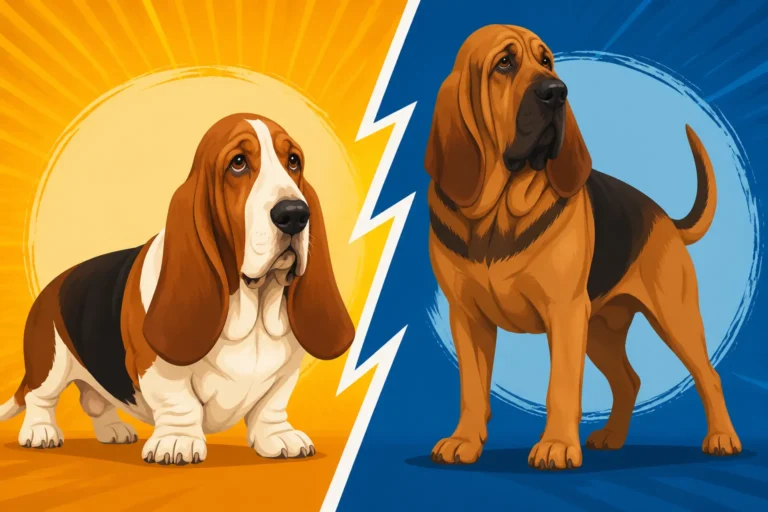
- Basset Hound vs. Bloodhound: This comparison really drives home the "large dog on short legs" idea for the Basset. Bloodhounds are significantly taller and heavier, often standing 23-27 inches at the shoulder and weighing up to 110 pounds. While both share incredible scenting abilities and similar facial features (loose skin, long ears), the Basset Hound is essentially a miniature, short-legged version of the Bloodhound in terms of purpose and general head type, but vastly different in sheer vertical scale. The Nose That Puts a Basset Hound Second to a Bloodhound.
This table summarizes some of the key differences you might observe when comparing these beloved breeds:
| Breed | Typical Height (at shoulder) | Typical Weight | Build Characteristics |
|---|---|---|---|
| Basset Hound | 13-15 inches | 40-65 pounds | Heavy-boned, long body, deep chest, short bowed legs |
| Beagle | 13-18 inches | 20-30 pounds | Medium-boned, compact, sturdy, more athletic |
| Standard Dachshund | 8-9 inches | 16-32 pounds | Light-boned, very long body, low to ground, short legs |
| Bloodhound | 23-27 inches | 80-110 pounds | Very heavy-boned, large, powerful, long legs, loose skin |
As you can see, the Basset Hound occupies a very distinct niche. They aren't as small as a Dachshund, nor as tall as a Beagle, and certainly not as towering as a Bloodhound. Their height is just one part of a complex package that makes them uniquely Basset.
Implications for Housing and Accessories
Knowing a Basset Hound's typical height and overall dimensions is crucial when preparing your home and choosing accessories. Their short stature means they might not need a towering fence, but their incredible scent drive and tendency to follow their nose means a secure, dig-proof perimeter is absolutely essential. Whether an Invisible Fence Holds a Basset Hound.
When it comes to crates, don't be fooled by their low height. While they aren't tall dogs, they are long and need plenty of room to stretch out. A crate designed for a "medium" or "large" breed is usually more appropriate, ensuring they have enough space to stand up, turn around, and lie down comfortably. A wire crate from Chewy that's often recommended for a Labrador or Golden Retriever might be just the right length for a Basset, even if it seems a bit tall.
Similarly, beds need to be supportive and adequately sized for their length and weight. An orthopedic bed is often a wise investment, providing cushioning for their joints and spine, especially as they age or if they're prone to back issues. What an Orthopedic Bed Costs for a Basset Hound. Their low height also means you need to think about how they interact with tables, chairs, and other household items. Will they be able to easily reach water bowls? Will they need a ramp to get to their favorite spot on the couch?
Ultimately, a Basset Hound's height at the shoulder is a fundamental characteristic that defines much of their breed identity. It speaks to their history, their purpose, and the specific care requirements that make them such a special, albeit sometimes challenging, part of our lives. Understanding this unique dimension is key to providing them with a happy, healthy home.
Disclaimer
This article is for general informational purposes only and does not constitute professional advice. Laws, prices and regulations vary by location and change over time. Consult a qualified professional for guidance on your specific situation.