Whether a Basset Hound Should Jump Off Furniture
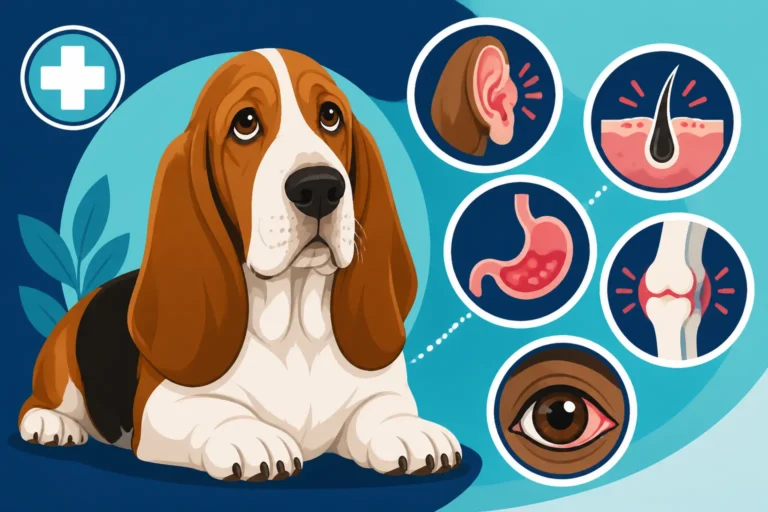
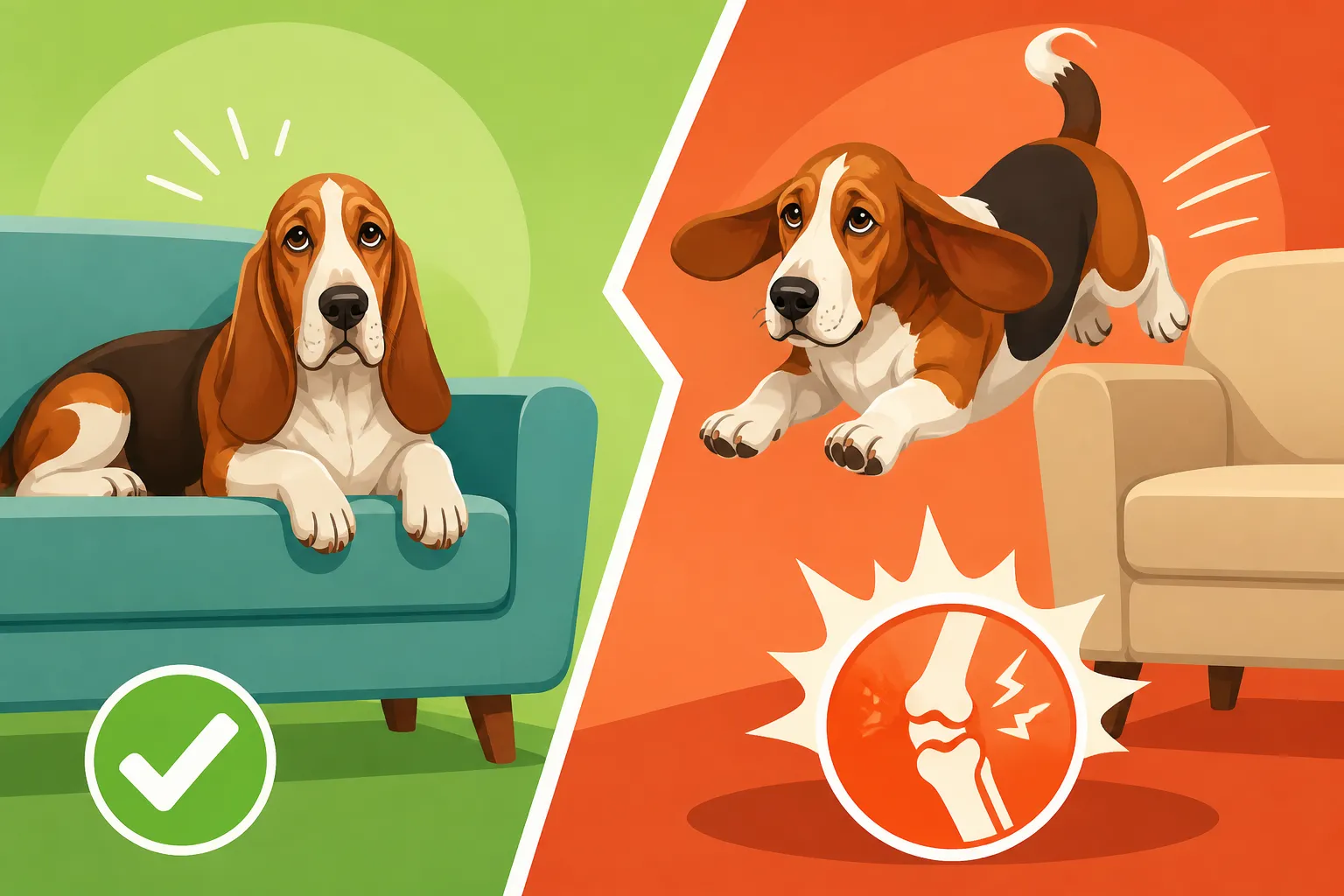
It’s a common sight: your beloved Basset Hound, with its long, soulful eyes and even longer ears, wants nothing more than to join you on the couch. While their sweet nature makes it hard to resist, allowing them to jump on and off furniture can pose serious, long-term health risks. This guide will delve into why this seemingly innocent habit is dangerous for Basset Hounds and how you can protect your floppy-eared friend.
The Basset Hound's Unique Build and Jump Risks
Our Basset Hounds are undeniably charming with their distinctive appearance, but these very traits, while adorable, make them particularly vulnerable to injuries from activities like jumping. Their anatomy is a beautiful marvel, but also a delicate one that needs our careful consideration.
Anatomy of a Low-Rider: More Than Just Short Legs
Basset Hounds are a prime example of a chondrodystrophic breed, which simply means they have a form of dwarfism that results in disproportionately short limbs and often, a longer back. This isn't just about looks; it profoundly impacts their biomechanics. Imagine a sturdy bridge with very short, thick pillars and an elongated, heavy deck. That's a bit like your Basset Hound's structure. Their heavy bone structure combined with those short legs means their bodies carry significant weight close to the ground, but also poorly distribute impact when they land. When they jump off a couch, the force of gravity combined with their own weight slams down onto their joints and, more critically, their spine. This isn't the agile, springy landing of a greyhound or even a Labrador; it's a more jarring, less forgiving impact. Their unique structure, while part of their charm, necessitates extra care in their daily lives to prevent injuries that other breeds might shrug off.
The Spine: A Vulnerable Link in the Chain
The most significant anatomical concern for Basset Hounds when it comes to jumping is their spine. Because of their chondrodystrophic nature, Basset Hounds are predisposed to conditions affecting their intervertebral discs. These discs act as cushions between the vertebrae, allowing for flexibility and absorbing shock. However, in breeds like the Basset Hound, these discs are often already compromised; they can be calcified or less pliable than in other dogs, making them less effective at absorbing impact. A sudden jump, especially one from a height like a sofa or bed, can cause these already vulnerable discs to bulge, herniate, or even rupture. This is why it's crucial to understand The Back Trouble a Basset Hound Is Built Into when considering their physical activities. The forces involved in landing can literally push the disc material out of place, pressing on the spinal cord and causing immense pain, nerve damage, or even paralysis. This isn't a hypothetical risk; it's a very real concern for every Basset Hound owner.
Understanding the Specific Dangers of Jumping
The adorable sight of your Basset Hound launching themselves from the sofa might bring a smile to your face, but it's important to understand the very real and often severe health consequences that can arise from this seemingly innocuous action.
Intervertebral Disc Disease IVDD and Sudden Injury
The most notorious danger associated with Basset Hounds and jumping is the exacerbation of Intervertebral Disc Disease, or IVDD. This is a condition where the cushioning discs between the vertebrae in the spine either bulge or burst (herniate) into the spinal cord space. When a Basset Hound jumps, especially from a height, the jarring impact puts immense pressure on these already susceptible discs. A disc that might have been slowly degenerating can suddenly rupture with a single bad landing. The symptoms can range from mild pain and reluctance to move to severe neurological deficits, including partial or complete paralysis of the hind limbs. Imagine the panic when your previously active hound suddenly cries out in pain, struggles to stand, or drags their back legs. This is the devastating reality of IVDD. It's not a matter of if, but often when, for predisposed breeds if proper precautions aren't taken. Understanding Intervertebral Disc Disease in a Basset Hound is vital for any owner, as is recognizing the signs of Whether a Basset Hound Gets a Slipped Disc as soon as they appear.
Joint Strain and Long-Term Arthritis
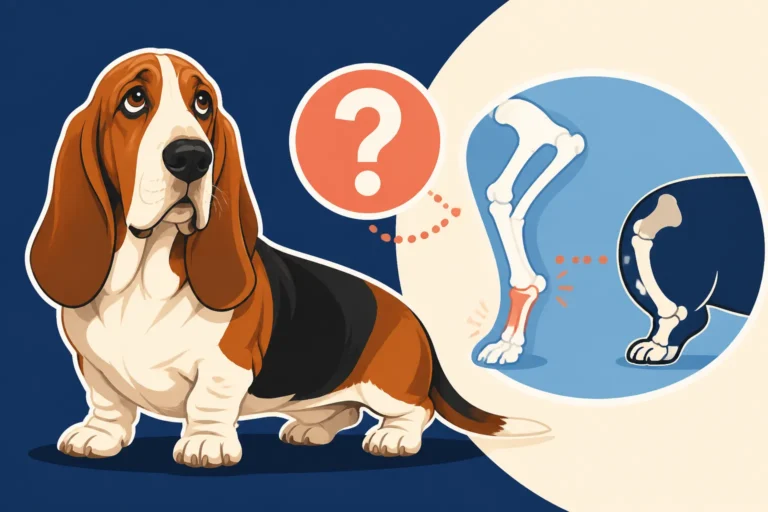
While IVDD often gets the most attention, the repetitive impact of jumping isn't kind to a Basset Hound's other joints either. Those short, heavy legs bear a significant load, and each jump and landing puts stress on their elbows, hips, and knees. Over time, this repeated trauma can accelerate the development of arthritis. Even if a sudden, catastrophic injury doesn't occur, the cumulative wear and tear on their joints can lead to chronic pain, stiffness, and reduced mobility as they age. This is particularly concerning because Basset Hounds are already prone to certain orthopedic issues, and activities like jumping only hasten their onset or worsen their severity. You want your Basset Hound to live a long, comfortable life, and preventing unnecessary joint strain is a huge part of that. Imagine your dog struggling to get up after a nap, or limping after a short walk; these are often the early signs of joint degeneration, which can unfortunately lead to Arthritis in a Basset Hound at Seven.
Practical Strategies for Preventing Furniture Jumping
As much as we love our Basset Hounds snuggled up beside us, their safety has to come first. Preventing them from jumping off furniture isn't about being mean; it's about being responsible and protecting their long-term health. Thankfully, there are many practical ways to achieve this without making them feel excluded.
Creating a Safe Environment at Home
The easiest way to prevent furniture jumping is to remove the opportunity. This might sound drastic, but it's about setting boundaries and making safe choices easier. Consider blocking access to certain pieces of furniture when you're not there to supervise. Baby gates can be incredibly effective for this, or even simply placing chairs in front of sofas. When you are present, actively encourage them to use designated, safe spots on the floor. Provide a plush, comfortable orthopedic dog bed right next to the sofa where you usually sit. Praise and reward them lavishly with treats when they choose to relax on their own bed. Consistency is key here. If sometimes jumping is allowed and sometimes it isn't, your Basset Hound will become confused and more likely to try when you're not watching. Making their "ground-level" areas more appealing than the furniture helps a lot. Remember, for a Basset Hound, smelling something interesting on the coffee table might be all the motivation they need to launch themselves upwards, so keeping tempting items out of reach also helps. This consistent effort is part of Keeping a Basset Hound off the Furniture It Should Not Jump From.
Utilizing Ramps and Steps for Safe Access
For those times when you absolutely want your Basset Hound on the furniture with you, or if they just insist on being able to access a favorite spot, ramps and dog steps are invaluable tools. However, for Basset Hounds, ramps are generally a much safer option than steps. Steps, especially those with narrow treads or steep inclines, still require a degree of jarring impact and spinal flexion that can be detrimental to their long backs. Ramps, on the other hand, allow for a smooth, gradual ascent and descent, minimizing strain on their joints and spine. When choosing a ramp, look for one with a gentle slope and a non-slip surface to ensure your Basset Hound feels secure.
Introducing a ramp takes patience. Start by luring them onto the ramp with high-value treats and praise, gradually extending the distance they walk on it. Make it a positive experience, never forcing them. Practice it away from the furniture first, then integrate it. Place a treat at the top, or have someone at the top offering encouragement while you guide them from the bottom. Many Basset Hounds quickly adapt once they realize it's an easier, pain-free way to get to their favorite human or nap spot. Investing in a good quality ramp is a proactive measure that can save you significant heartache and vet bills down the line. It's a small change that makes a huge difference in their long-term spinal health, showing that Whether a Basset Hound Should Use a Ramp is often a resounding yes.
When a Jump Goes Wrong: Recognizing and Responding to Injury
Despite our best efforts, sometimes accidents happen. A moment of distraction, an open gate, or simply a stubborn Basset Hound determined to defy the rules can lead to a dangerous jump. Knowing what to look for and how to react quickly can make a significant difference in the outcome of an injury.
Spotting the Signs of Injury
Your Basset Hound can't tell you in words that they've hurt their back or a joint, so it's up to you to be a keen observer of their behavior. After a fall or jump, watch for immediate signs of distress such as a sudden yelp, crying, or reluctance to put weight on a limb. Beyond the immediate aftermath, be vigilant for more subtle changes over the next few hours or even a day. These might include:
- Reluctance to move: They might be hesitant to jump up, go up or down stairs (even those they usually navigate), or even lie down comfortably.
- Pain indicators: Whining, panting, trembling, a hunched posture, or guarding a specific area of their back or leg when touched.
- Changes in gait: Limping, dragging their paws, knuckling over (walking on the tops of their feet), or an unsteady, drunken walk.
- Neurological signs: Weakness in the hind legs, inability to stand, or even complete paralysis. Loss of bladder or bowel control is a serious red flag.
- Changes in personality: Becoming withdrawn, irritable, or even aggressive due to pain.
If you observe any of these symptoms, especially after a known jump, it's crucial to take them seriously. Even if it seems minor, a back injury can worsen rapidly.
Immediate Steps and Veterinary Care
If you suspect your Basset Hound has injured themselves from jumping, immediate action is vital. First and foremost, confine them to a small, secure area like a crate or a small room where they cannot jump or move around much. This helps prevent further damage. Handle them extremely gently; if you need to move them, try to support their entire body, especially their back, like a plank of wood. Avoid bending or twisting their spine.
Next, contact your veterinarian or an emergency veterinary clinic immediately. Describe exactly what happened and the symptoms you're observing. Time is often of the essence with spinal injuries. The vet will likely want to see your Basset Hound for a thorough examination. They may perform X-rays, and in severe cases, an MRI might be recommended to pinpoint the exact location and severity of a disc injury. Treatment can range from strict rest and anti-inflammatory medications for mild cases to intensive physical therapy, or even emergency surgery to relieve pressure on the spinal cord. The financial implications can be substantial, so it’s worth noting that a good pet insurance policy, like one from Healthy Paws, can be an absolute lifesaver in these situations, helping to cover the often significant costs of diagnostics and treatment. Knowing What a Basset Hound's Emergency Surgeries Cost can be sobering, but having a plan helps you focus on their recovery.
Living with a Basset Hound: Long-Term Management and Care
Preventing jumps and reacting quickly to injuries are critical, but long-term management and care are just as important for ensuring your Basset Hound enjoys a full, happy, and pain-free life. It’s about creating a lifestyle that supports their unique needs and mitigates their predispositions.
Maintaining a Healthy Weight
One of the most impactful things you can do for your Basset Hound's spinal and joint health is to maintain them at a healthy weight. Just a few extra pounds can dramatically increase the strain on their delicate back and joints, making them even more susceptible to injury from jumping or even everyday movements. Imagine carrying a backpack filled with bricks all day – that's what even moderate obesity feels like to your Basset Hound's frame. Excess weight puts additional pressure on the intervertebral discs, making them more prone to bulging or rupturing. It also accelerates the wear and tear on their hip, elbow, and knee joints, potentially leading to earlier onset and more severe arthritis.
Work closely with your vet to determine your Basset Hound's ideal weight and develop a feeding plan that keeps them trim. This might involve precise portion control, a diet formulated for weight management, and consistent, appropriate exercise. Remember, getting What Extra Weight Does to a Basset Hound off a Basset Hound that won't exercise can be a challenge, but it’s crucial. Regular check-ups with your vet can help monitor their weight and adjust their diet as needed. Every pound shed is a pound of pressure taken off their vulnerable spine and joints, contributing significantly to their overall well-being and longevity.
Supporting Mobility as They Age
As our Basset Hounds inevitably enter their senior years, their mobility often becomes a key concern. The years of carrying their unique build, even without serious injury, can take a toll. Proactive measures become even more critical to support their comfort and ability to move. Orthopedic dog beds, specifically designed to cushion joints and provide support, are a must-have. These beds alleviate pressure points and make resting more comfortable, helping to ease the stiffness that often comes with age.
Continuing to use ramps for furniture access, even if they never had a history of jumping injuries, becomes even more important for The Old Basset Hound That Cannot Get Off the Floor. As their muscles weaken and coordination declines, the risk of a fall or misstep increases. Ramps provide a safe and stable pathway, allowing them to remain part of family activities on the couch without putting undue strain on their aging bodies. You might find yourself Helping an Old Basset Hound Onto the Couch more often as they struggle. Furthermore, regular, gentle exercise, such as short, slow walks, helps maintain muscle tone and joint flexibility without overtaxing them. Hydrotherapy or other forms of physical therapy can also be incredibly beneficial for older Basset Hounds to manage arthritis and improve strength. These supportive measures, along with regular veterinary check-ups, can significantly enhance their quality of life as they mature.
The Costs of Back and Joint Issues
It's an uncomfortable truth that caring for a Basset Hound, especially one with spinal or joint issues, can be incredibly expensive. Understanding these potential financial burdens upfront can help you make informed decisions about preventative care and financial planning.
Understanding the Financial Impact of Injuries
When a Basset Hound sustains a back or joint injury from jumping, the diagnostic and treatment costs can quickly escalate. Initial veterinary visits, pain medication, and anti-inflammatory drugs are just the beginning. If an IVDD incident is suspected, your vet will likely recommend X-rays, which can range from a couple of hundred dollars. However, to truly diagnose the extent and location of a disc herniation, an MRI or CT scan is often necessary, and these imaging studies can run into the thousands – anywhere from $2,500 to $5,000, depending on your location and the clinic.
If surgery is required, such as a disc fenestration or hemilaminectomy, the costs can be staggering, often starting at $5,000 and easily exceeding $10,000, including specialist fees, anesthesia, hospital stays, and post-operative medications. Even for less severe cases requiring conservative management, weeks or months of strict crate rest, physical therapy, and ongoing medications add up. This is where you might find yourself weighing the cost of Whether a Basset Hound's Disc Surgery Is Worth It against their quality of life. Rehabilitation, hydrotherapy, and specialized pain management can continue for many months, each session adding to the cumulative expense. It's not uncommon for a single significant back injury to cost an owner well over $5,000 to $15,000 throughout the course of diagnosis, treatment, and recovery.
The Role of Pet Insurance
Given the high potential costs associated with Basset Hound back and joint injuries, pet insurance becomes an incredibly valuable asset. Policies from reputable providers like Healthy Paws can provide a crucial financial safety net, allowing you to prioritize your dog's health without being overwhelmed by unexpected veterinary bills. With a good policy, you might have 80-90% of your eligible vet bills reimbursed after your deductible is met, covering everything from emergency diagnostics like MRIs to surgeries, medications, and even rehabilitation therapies. This means that if your Basset Hound needs What Disc Surgery Costs on a Basset Hound, a significant portion of that expense could be covered, making the decision to pursue life-saving treatment much easier.
It’s important to enroll your Basset Hound in pet insurance early, ideally when they are a puppy, before any pre-existing conditions develop. Most policies won't cover conditions that were present before the policy began or during waiting periods. Having a plan like Healthy Paws in place means you're prepared for the worst-case scenario, transforming a potentially devastating financial crisis into a manageable expense, and ensuring your Basset Hound gets the best possible care throughout their life, particularly as they age and become more prone to these types of issues.
Disclaimer
This article is intended for informational purposes only and does not constitute veterinary advice. Always consult with a qualified veterinarian for any health concerns or before making any decisions about your Basset Hound's care.