Whether a Carrier Basset Hound Bleeds
It’s a truly unsettling feeling when you learn your beloved Basset Hound carries a gene for a serious health condition. You might have heard about thrombopathia, a bleeding disorder that can turn a simple cut into a major emergency for some Basset Hounds. But what does it mean if your furry friend is a carrier? Does a carrier Basset Hound bleed, even a little? The thought can keep you up at night, wondering if every bump or bruise is a ticking time bomb. This guide is here to unravel the complexities of thrombopathia in carrier Basset Hounds, offering clear, empathetic insights into what this genetic status truly entails for your dog's health and your peace of mind.
Understanding Basset Hound Thrombopathia: More Than Just a Bruise
When we talk about bleeding disorders, many people immediately think of conditions like hemophilia. But Basset Hound thrombopathia is quite different, and it's a condition that truly impacts how well your dog's blood can clot. For Basset Hound owners, understanding this particular issue is vital, as it's one of those breed-specific quirks that can become a significant health concern if not managed properly. You're not alone if the terminology feels overwhelming; many dedicated owners find themselves trying to navigate this complex genetic landscape.
What Thrombopathia Is and How It Affects Clotting
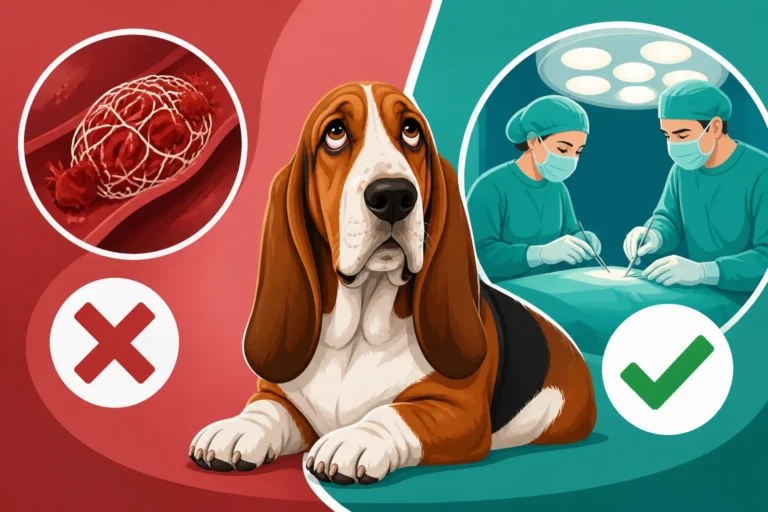
At its heart, thrombopathia is a primary hemostatic defect, meaning it affects the very first stage of blood clotting. Instead of a problem with clotting factors (like in hemophilia), thrombopathia is all about the platelets – those tiny cell fragments in the blood responsible for forming a plug to stop bleeding. In a Basset Hound with thrombopathia, these platelets are present in normal numbers, but they just don't work right. They can't aggregate, or clump together, effectively when there's an injury to a blood vessel. Imagine trying to build a dam with bricks that won't stick together; that's essentially what happens with a thrombopathic Basset Hound's platelets.
This dysfunction means that when a blood vessel is damaged, whether it’s from a small cut, a surgical incision, or even just an internal bruise, the initial platelet plug that should form quickly and efficiently simply doesn't happen. As a result, bleeding continues for much longer than it should. We're talking about situations where a minor injury can lead to significant blood loss, or where surgery becomes incredibly risky due to uncontrolled hemorrhaging. It's a stark reminder of how essential every component of our dogs' bodies is, and how quickly things can go awry when one piece isn't functioning correctly. For more on the specifics, you might want to delve into What Thrombopathia Means for a Basset Hound.
The Genetics of Thrombopathia in Basset Hounds
Thrombopathia in Basset Hounds is an inherited condition, specifically an autosomal recessive disorder. If you've ever found yourself trying to remember those biology lessons from school, you know "recessive" means it takes two copies of the faulty gene for the dog to actually suffer from the disease. Here’s a quick breakdown:
- Clear (N/N): These dogs have two normal copies of the gene. They won't develop thrombopathia and won't pass the gene on to their offspring.
- Carrier (N/Th): These Basset Hounds have one normal copy and one copy of the faulty gene. They typically don't show clinical signs of the disease themselves, but they can pass the faulty gene on to their puppies. This is where the confusion and concern often arise for owners.
- Affected (Th/Th): These dogs have two copies of the faulty gene and will likely suffer from the severe bleeding issues associated with thrombopathia.
Understanding this genetic pattern is crucial, especially for breeders, because it explains how a seemingly healthy parent can produce an affected puppy if both parents happen to be carriers. It’s a silent genetic threat that highlights the importance of responsible breeding practices and pre-breeding health screenings. Knowing your dog's genetic status allows you to make informed decisions, whether it's about their individual care or their potential role in future generations.
The Truth About Carrier Basset Hounds and Bleeding
So, back to the core question: does a carrier Basset Hound bleed? This is where nuance truly matters. For many owners, a "carrier" status implies no outward symptoms, and largely, that's true. However, it's not quite as simple as a black-and-white "yes" or "no." While carriers are generally considered clinically normal, there are subtle differences in their platelet function that sometimes, under specific circumstances, can manifest in ways that are important for owners to be aware of.
Clinical Signs in Affected vs. Carrier Dogs
Let's be clear: a Basset Hound truly affected by thrombopathia (Th/Th) will exhibit significant, often life-threatening bleeding episodes. This might include spontaneous nosebleeds, extensive bruising from minor bumps, prolonged bleeding from small cuts, or severe hemorrhage during or after surgery. These dogs require vigilant care and often specific medical interventions, like transfusions or desmopressin, to manage their condition. It's a constant worry, a real uphill battle for these pups and their families. Thrombopathia and the Basset Hound That Will Not Clot is a good resource if you want to know more about the struggles of affected dogs.
In contrast, a carrier Basset Hound (N/Th) almost never displays these severe, spontaneous bleeding issues. They lead normal, happy lives without any obvious signs of a bleeding disorder. Their platelets, while not genetically perfect, are typically functional enough to handle everyday wear and tear and minor injuries without incident. This is why many owners are surprised to learn their dog is a carrier through genetic testing; there might have been no previous indication whatsoever. However, "almost never" isn't "never," and that's the part we need to address carefully.
When a Carrier Might Show Subtle Bleeding
While a carrier Basset Hound is generally asymptomatic, their platelets do have that one faulty gene. This means their platelet function, while sufficient for most situations, isn't always 100% optimal. There are rare instances and specific stressors where a carrier Basset Hound could show slightly prolonged or more extensive bleeding than a completely clear dog. These aren't usually life-threatening hemorrhages, but they are noticeable and worth mentioning:
- Surgical Procedures: This is the most common scenario where a carrier's sub-optimal platelet function might become apparent. During spaying, neutering, or any other surgical procedure, the extensive cutting of blood vessels creates a significant demand for platelet plug formation. A carrier Basset Hound might experience slightly more oozing at the incision site, or a slightly prolonged clotting time compared to a non-carrier. While usually not a crisis, it's something a skilled vet should be prepared for if they know the dog's carrier status. This is why discussing your dog's genetic history, even if they're a carrier, with your vet before any operation is critical.
- Dental Extractions or Severe Dental Disease: The mouth is a highly vascular area, and dental procedures, especially extractions, can be quite invasive. Even routine scaling can sometimes cause minor gum bleeding. A carrier Basset Hound might show more persistent bleeding from extraction sites or a tendency for gum inflammation to bleed more easily.
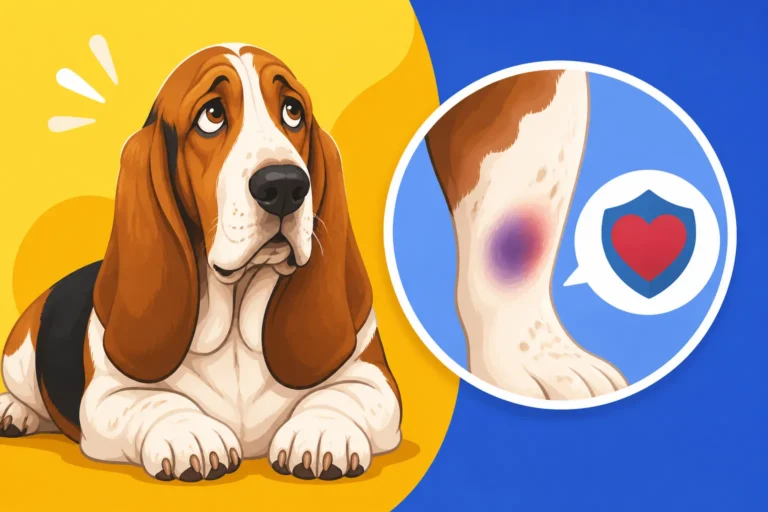
- Trauma or Significant Injury: While everyday bumps won't typically cause an issue, a more severe injury (e.g., getting hit by a car, a deep laceration) that causes extensive internal or external bleeding could theoretically highlight the slightly reduced platelet efficiency in a carrier. Bruising might be slightly more extensive or take longer to resolve.
- Concomitant Conditions or Medications: If a carrier Basset Hound has another condition that affects clotting, or if they are on certain medications (like NSAIDs or aspirin, which can inhibit platelet function), the combination could unmask a subtle bleeding tendency. It's like adding insult to injury; if one part of the clotting system is already slightly compromised, further impairment can lead to noticeable issues. This ties directly into the advice on Whether a Basset Hound Should Avoid Aspirin.
It's important to reiterate that these are usually subtle differences, not the overt hemorrhages seen in affected dogs. But knowing your Basset Hound is a carrier means you and your vet can be proactive and prepared for these less common scenarios, ensuring their health is always prioritized.
Managing a Carrier Basset Hound's Health
Discovering your Basset Hound is a carrier for thrombopathia doesn't mean you need to live in fear or dramatically alter their life. It means you have valuable information that empowers you to be a more informed and proactive owner. The key is in understanding how to best support their health, minimize potential risks, and work closely with your veterinarian. Even with robust genetics, unexpected vet visits happen, so peace of mind from insurance like Healthy Paws can be invaluable.
Routine Care and Avoiding Risks
For a carrier Basset Hound, routine care largely mirrors that of any other healthy Basset. They need a balanced diet, regular exercise (but remember, how much a Basset Hound should walk is usually less than you'd think), consistent grooming, and regular veterinary check-ups. However, there are a few specific considerations to keep in mind, knowing their carrier status:
- Gentle Handling: While Basset Hounds are generally robust, try to avoid situations that might lead to excessive bruising or cuts. This is less about coddling and more about common sense safety, like preventing falls from furniture (which can also contribute to The Back Trouble a Basset Hound Is Built Into) or avoiding rough play that could result in accidental injuries.
- Medication Awareness: Always inform your veterinarian that your Basset Hound is a thrombopathia carrier before any medications are prescribed. Certain drugs, particularly non-steroidal anti-inflammatory drugs (NSAIDs) like carprofen (Rimadyl) or meloxicam (Metacam), and especially aspirin, can further inhibit platelet function. While these might be necessary in some cases, your vet can choose alternatives or adjust dosages, or monitor more closely if they know your dog's genetic predisposition. This awareness is vital.
- Nail Trims and Grooming: Be extra cautious with nail trims. "Quicking" a nail (cutting into the quick) is painful for any dog and can lead to bleeding. For a carrier, while not usually severe, the bleeding might take a little longer to stop. Having styptic powder or a silver nitrate stick on hand is always a good idea for any dog, but especially one with a known, albeit mild, clotting variation. For more on grooming, check out How Often a Basset Hound's Nails Need Cutting.
- Monitor for Unusual Bleeding: Simply being aware is half the battle. If you notice unusually prolonged bleeding from a minor cut, or excessive bruising after a bump, don't dismiss it. Mention it to your vet. It could be nothing, but it's always better to be an advocate for your Basset.
Importance of Pre-Surgical Screening
This cannot be stressed enough: if your Basset Hound is a thrombopathia carrier, or if their genetic status is unknown, always discuss this with your veterinarian before any planned surgery or invasive procedure. This includes routine procedures like neutering or even extensive dental work.
Your vet will likely recommend specific pre-surgical screening tests. A common and useful test is the Buccal Mucosal Bleeding Time (BMBT). This is a simple, non-invasive test where a small cut is made on the inside of the dog’s lip, and the time it takes for the bleeding to stop is measured. While not a definitive diagnostic for carriers (as carriers often have a normal BMBT), an unusually prolonged time can signal a potential issue and prompt further investigation. The gold standard for definitive diagnosis, of course, is genetic testing.
Knowing a dog's carrier status allows the veterinary team to take proactive measures:
- Medication Choices: They might avoid certain pre-anesthetic medications or pain relievers that could further impact platelet function.
- Surgical Technique: Surgeons can be extra meticulous with hemostasis (stopping bleeding) during the procedure.
- Preparedness: They can ensure blood products (like fresh frozen plasma, which contains functional platelets) are readily available should unexpected bleeding occur.
- Post-Operative Monitoring: Your Basset Hound might receive closer monitoring in the recovery period to ensure there’s no excessive bleeding from the surgical site.
This proactive approach significantly reduces risks. It’s why topics like Whether a Basset Hound Should Be Tested Before Neutering are so crucial for responsible pet ownership. Planning ahead for procedures can save your Basset Hound from complications and potentially save you significant veterinary costs.
Responsible Breeding and Genetic Testing
For anyone involved in Basset Hound breeding, understanding and utilizing genetic testing for thrombopathia isn't just a recommendation; it's a moral imperative. This condition, like many other inherited diseases in purebred dogs, can be drastically reduced through careful, informed breeding choices. The goal isn't necessarily to eliminate carriers entirely from the gene pool, but to prevent the birth of affected puppies.
How Testing Identifies Carriers
Genetic testing for Basset Hound thrombopathia is readily available through various canine genetic testing laboratories, such as Embark Veterinary or Paw Print Genetics. These tests are incredibly accurate and usually involve a simple cheek swab or blood sample. Once submitted, the lab analyzes the DNA to determine if the dog has zero, one, or two copies of the specific gene mutation responsible for thrombopathia.
The results will clearly state whether your Basset Hound is:
- Clear (N/N): No copies of the affected gene.
- Carrier (N/Th): One copy of the affected gene.
- Affected (Th/Th): Two copies of the affected gene.
This clear, unambiguous information provides an invaluable tool for breeders. It removes the guesswork and provides a scientific basis for making breeding decisions. If you're considering purchasing a Basset Hound puppy, always inquire about the genetic testing status of the parents. A reputable breeder will be transparent and provide documentation. This also relates to broader discussions like The Health Tests a Basset Hound Breeder Should Run.
Making Informed Decisions for Future Generations
Once a breeder knows the genetic status of their Basset Hounds, they can plan matings to ensure no affected puppies are produced. Here's a simple guide:
| Parent 1 Status | Parent 2 Status | Possible Offspring Combinations | Risk of Affected Pups (Th/Th) | Breeding Advice |
|---|---|---|---|---|
| Clear (N/N) | Clear (N/N) | 100% Clear (N/N) | 0% | Ideal. No risk. |
| Clear (N/N) | Carrier (N/Th) | 50% Clear (N/N), 50% Carrier (N/Th) | 0% | Safe. No affected pups, but carriers will be produced. |
| Carrier (N/Th) | Carrier (N/Th) | 25% Clear (N/N), 50% Carrier (N/Th), 25% Affected (Th/Th) | 25% | AVOID this mating. Will produce affected pups. |
| Clear (N/N) | Affected (Th/Th) | 100% Carrier (N/Th) | 0% | Safe. All pups will be carriers, but none affected. Use with caution to avoid losing valuable lines. |
| Carrier (N/Th) | Affected (Th/Th) | 50% Carrier (N/Th), 50% Affected (Th/Th) | 50% | AVOID this mating. Will produce affected pups. |
| Affected (Th/Th) | Affected (Th/Th) | 100% Affected (Th/Th) | 100% | AVOID this mating. |
As you can see, the most critical takeaway for breeders is to never breed two carriers together. Mating a clear dog with a carrier is an acceptable practice, especially if the carrier possesses other valuable traits for the breed's health, temperament, or conformation. This allows breeders to manage the gene effectively without overly restricting the gene pool, which can lead to other genetic problems if too few dogs are bred.
By proactively testing and making responsible breeding decisions, breeders can dramatically reduce the incidence of thrombopathia in future Basset Hound generations, ensuring that these wonderful hounds can lead longer, healthier lives. For new puppy buyers, always ask to see the genetic test results of the parents, especially if the breeder mentions a history of thrombopathia in their lines. This due diligence ensures you're bringing home the healthiest possible Basset Hound. Ultimately, knowing Whether a Basset Hound Breeder Screens for Glaucoma and other genetic conditions like thrombopathia helps everyone make better choices.
Disclaimer
The information provided in this article is for educational purposes only and is not intended to be a substitute for professional veterinary advice, diagnosis, or treatment. Always seek the advice of your veterinarian or other qualified health provider with any questions you may have regarding a medical condition. Never disregard professional veterinary advice or delay in seeking it because of something you have read in this article.