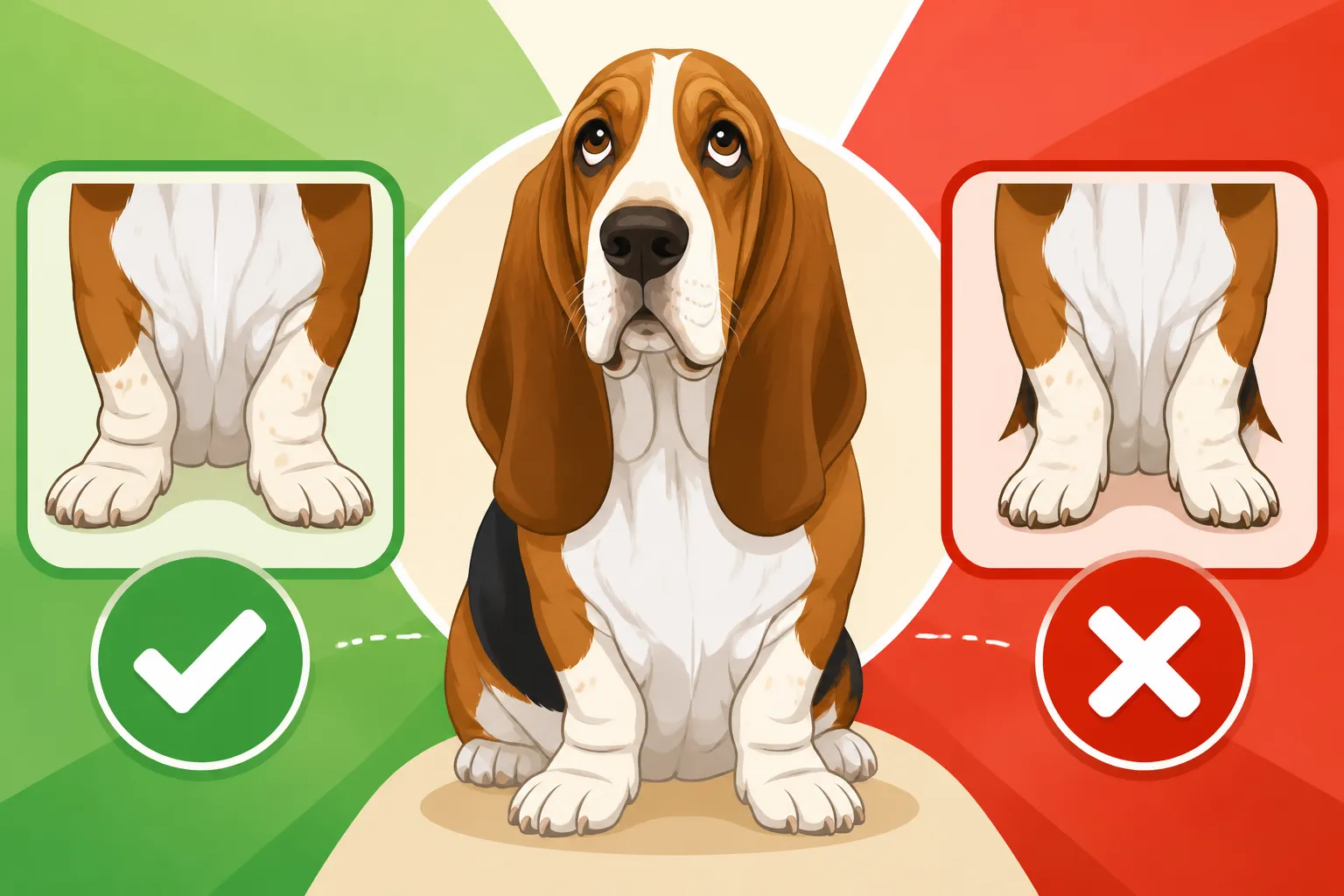
Whether a Basset Hound’s Front Feet Should Turn Out
It's a common sight, isn't it? That distinctive Basset Hound stance, with those stout, sometimes seemingly "turned out" front feet. Many new Basset owners, and even some seasoned ones, fret over whether this unique appearance is normal or a sign of underlying health issues. You look at their adorable, bowed legs and wonder, "Is this how they're supposed to be, or should I be worried?" This guide will clear up the confusion, helping you understand the natural conformation of a Basset Hound's front feet and when those angles might actually be cause for concern.
Understanding the Basset Hound's Unique Anatomy
Basset Hounds are truly one-of-a-kind, and a lot of that distinctiveness comes down to their skeletal structure. They're bred to be low to the ground, with heavy bone, which gives them that unmistakable silhouette. It's not just for looks; this specific build played a crucial role in their original hunting purpose.
The Role of Achondroplasia in Basset Hound Conformation
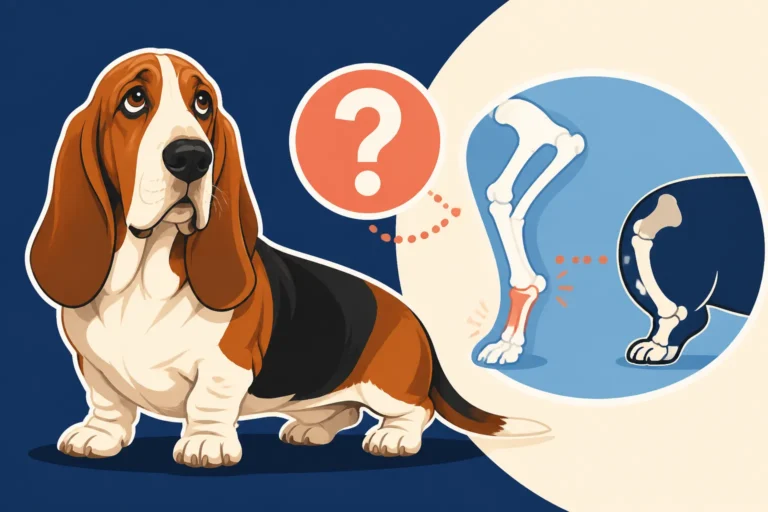
At the heart of a Basset Hound's unique shape is a genetic condition called achondroplasia, sometimes referred to as dwarfism in other contexts, but it's a normal and defining characteristic for breeds like Bassets. This condition specifically affects the growth plates of long bones, causing them to shorten while the head and body develop normally. This is why their legs are disproportionately short compared to their long bodies. It’s the same genetic trait that gives us dachshunds and corgis, too.
Because of achondroplasia, a Basset Hound's leg bones aren't perfectly straight and aligned like those of a taller dog. The bones of the forearm (radius and ulna) develop at different rates, leading to a natural outward turn of the foot. It's part of Whether Achondroplasia Explains a Basset Hound's Shape. This isn't a defect; it's simply how their unique genetics express themselves, creating the low-slung, sturdy frame we all adore. Without this genetic trait, they wouldn't be Basset Hounds as we know them.
What "Turned Out" Actually Means for a Basset Hound
For a Basset Hound, having their front feet turn slightly outward, often described as "knuckling out" or having "crooked front" legs, is entirely within their breed standard. The Basset Hound Club of America, for instance, describes the front legs as "short, powerful, and heavy in bone," with the forelegs appearing "somewhat bowed." The feet are massive, with tough pads, and can "turn slightly outward." This outward turn allows for a stable, low-to-the-ground stance, which was historically beneficial for tracking scent close to the ground without hindrance.
So, when you see your Basset standing with its paws pointing a bit away from its centerline, often resembling a "10 and 2" position on a clock face (though usually not quite that extreme), don't immediately jump to conclusions. This is often just their normal anatomy at play. It's a functional adaptation to their short stature and heavy bone, designed to support their substantial bodies effectively. This typical conformation is often part of The Crooked Front a Basset Hound Is Built On.
Distinguishing Normal From Concerning Angles
While a certain degree of "turned out" is normal for Basset Hounds, there's a fine line between a characteristic quirk and a genuine problem. Knowing what to look for can save you a lot of worry and ensure your beloved hound stays healthy and comfortable. It’s not always easy to tell, especially if you’re new to the breed, so let’s dive into the specifics.
Signs of a Healthy, Functional Stance
A healthy Basset Hound, despite its bowed legs and outwardly turned feet, should move with purpose and without signs of discomfort. When standing, their feet might angle slightly outward, but their weight should be evenly distributed. They should appear balanced and stable. Their gait, while distinctive—often described as "rolling" or "waddling"—should be fluid and unlabored. You shouldn't see any obvious limping, favoring of a leg, or difficulty getting up and down.
When observing your Basset from the front, their chest should be wide, allowing for good lung capacity, and their feet, even if turned out, should land squarely and provide good traction. The pads of their feet should wear evenly, indicating a balanced distribution of pressure. Even with their unique build, a healthy Basset Hound should be able to enjoy a good sniffari and move about their home without constant struggles. This generally means their Whether a Basset Hound's Front Legs Are Meant to Bow is within healthy limits.
When a Turned-Out Foot Signals a Problem
The concern arises when the outward turn becomes excessive or is accompanied by other symptoms. If one or both front feet turn out dramatically, almost to the point where the dog appears to be walking on the sides of its paws, that's a red flag. Similarly, if you notice any of the following, it's time to consult your veterinarian:
- Lameness or Limping: This is perhaps the most obvious sign. If your Basset is consistently favoring a leg, showing reluctance to bear weight, or has an uneven gait, something is amiss.
- Difficulty Rising or Lying Down: While older Basset Hounds might slow down, a younger dog struggling with these basic movements could indicate joint pain or structural issues.
- Pain or Sensitivity: If your Basset vocalizes, pulls away, or shows aggression when you touch its legs or paws, it's experiencing discomfort.
- Swelling or Heat: Any visible swelling or warmth around the joints (elbows, wrists, paws) warrants immediate veterinary attention.
- Changes in Activity Level: A sudden decrease in willingness to walk, play, or engage in usual activities can be a subtle sign of pain.
- Uneven Paw Wear: If the nails or paw pads on one side of the foot are significantly more worn than the other, it indicates an imbalanced weight distribution.
These symptoms could point to conditions like Elbow Dysplasia in a Basset Hound, carpal laxity, or other developmental orthopedic issues that can be exacerbated by their achondroplastic build. Early detection and intervention are crucial to managing these conditions and maintaining your Basset's quality of life.
Supporting Your Basset Hound's Leg Health
Even if your Basset Hound has a perfectly normal, albeit turned-out, stance, taking proactive steps to support their musculoskeletal health is paramount. Their unique conformation means they're predisposed to certain issues, and responsible ownership can make a huge difference in their comfort and longevity.
The Importance of Proper Weight Management
This cannot be stressed enough: What Extra Weight Does to a Basset Hound. For a breed with short, bowed legs and a long spine, every extra pound puts immense strain on their joints, especially their elbows and wrists. Overweight Bassets are far more likely to develop or worsen conditions like arthritis, elbow dysplasia, and intervertebral disc disease (IVDD). Their legs are simply not designed to carry an excessive load.
Maintaining your Basset at its ideal body weight is one of the most effective things you can do to protect their leg and back health. You should be able to feel their ribs easily without pressing hard, and they should have a discernible waist when viewed from above. Regularly monitoring their weight and adjusting their diet and exercise, if necessary, is a non-negotiable part of Basset ownership. It's all about Keeping a Basset Hound at Its Correct Weight to prevent undue stress on their precious, bowed legs.
Exercise and Environmental Considerations
While Basset Hounds aren't built for marathons, they still need regular, moderate exercise to maintain muscle tone and joint flexibility. Short, frequent walks on soft surfaces are ideal. Avoid high-impact activities like jumping off furniture or running on hard pavement for extended periods. Their joints, particularly their elbows and wrists, are vulnerable to repetitive stress. Consider using a ramp or doggy steps to help them access furniture or vehicles, minimizing the impact of jumps. This is especially important for protecting their backs and front legs, as discussed in posts like Whether a Basset Hound Puppy Should Be Kept From Stairs.
Creating a joint-friendly home environment is also crucial. Ensure they have comfortable, orthopedic bedding that supports their body and relieves pressure points. Non-slip rugs on slick floors can provide better traction and reduce the risk of slips and falls, which can be particularly damaging to their legs and spine. Think about where your Basset spends its time and how you can make it easier and safer for them to navigate.
Veterinary Assessment and Intervention
Regular veterinary check-ups are essential, especially as your Basset Hound ages. Your vet can monitor their gait, examine their joints, and advise on preventative measures. If you do notice any of the warning signs discussed earlier, don't delay a visit to the clinic. Your vet might recommend diagnostic tools such as X-rays to assess the health of their bones and joints, particularly if they are Whether a Limping Basset Hound Needs X Rays.
Early diagnosis of conditions like elbow dysplasia can lead to more effective management strategies, which might include pain medication, anti-inflammatory drugs, joint supplements, or even physical therapy. In some cases, surgical intervention may be necessary. Pet insurance, like that offered by Healthy Paws, can be incredibly helpful in covering the costs of these diagnostics and treatments, offering peace of mind when unexpected issues arise. Having a plan for these potential health concerns, and considering how much Insuring a Basset Hound Against Eyes, Ears and Backs runs monthly, can make a huge difference. Healthy Paws is one of the reputable providers that many Basset owners consider to help manage the financial aspect of specialized care.
Breeding Considerations for Sound Structure
For those considering bringing a Basset Hound into their home, understanding the role of responsible breeding in maintaining sound structure is incredibly important. The health of your future puppy often starts with the choices its breeder makes.
Ethical Breeding Practices and Health Screening
Responsible Basset Hound breeders are deeply committed to the health and welfare of the breed. This means they don't just breed for looks; they prioritize temperament and structural soundness. They understand the nuances of the Basset's achondroplastic build and strive to produce dogs that conform to the breed standard without exaggerating traits to the point of compromising health. For example, while some outward turn of the foot is normal, an extreme turn could indicate poorly aligned bones that will cause issues.
A reputable breeder will perform health screenings on their breeding stock for conditions common in Basset Hounds that can affect leg and joint health. This often includes screening for elbow dysplasia and sometimes hip dysplasia, even though hip issues are less prevalent in Bassets than in some other large breeds. They'll be transparent about these test results and happy to discuss them with prospective puppy buyers. These health tests are crucial because they help ensure that genetic predispositions to debilitating conditions are minimized in future generations. You can even inquire about The Age a Basset Hound's Elbows Can Be Screened to understand the testing timeline.
Asking the Right Questions When Choosing a Puppy
When you're looking for a Basset Hound puppy, don't be afraid to ask a lot of questions about the parents' health and structure. A good breeder will welcome your inquiries. Here are a few things to consider and ask:
- Parental Health Clearances: Ask to see the health clearances for both parents, specifically for elbow evaluations. Look for certifications from organizations like the Orthopedic Foundation for Animals (OFA).
- Gait and Movement: Observe the parents and available puppies moving. Do they move freely and without lameness? Is their gait smooth for a Basset, or do they struggle?
- Temperament: A well-bred Basset should have a calm, friendly temperament. This indirectly relates to health, as a dog in chronic pain might exhibit behavioral changes.
- Breeder's Knowledge: A knowledgeable breeder should be able to explain the breed's unique conformation, including why their front feet might turn out, and how they work to maintain soundness in their lines. They should also be able to discuss potential health challenges and how they mitigate them.
Choosing a puppy from a breeder who prioritizes health and ethical practices is one of the best ways to set your Basset Hound up for a lifetime of comfortable, happy waddling. Investing in a healthy puppy also means you'll likely face fewer unexpected veterinary expenses down the line, although it's always wise to have a good pet insurance plan like Healthy Paws in place for the unforeseen.
Disclaimer
This article is intended for informational purposes only and does not constitute professional veterinary advice. Always consult with a qualified veterinarian for any health concerns or before making any decisions about your pet's medical care.