Whether a Basset Hound Steals Food
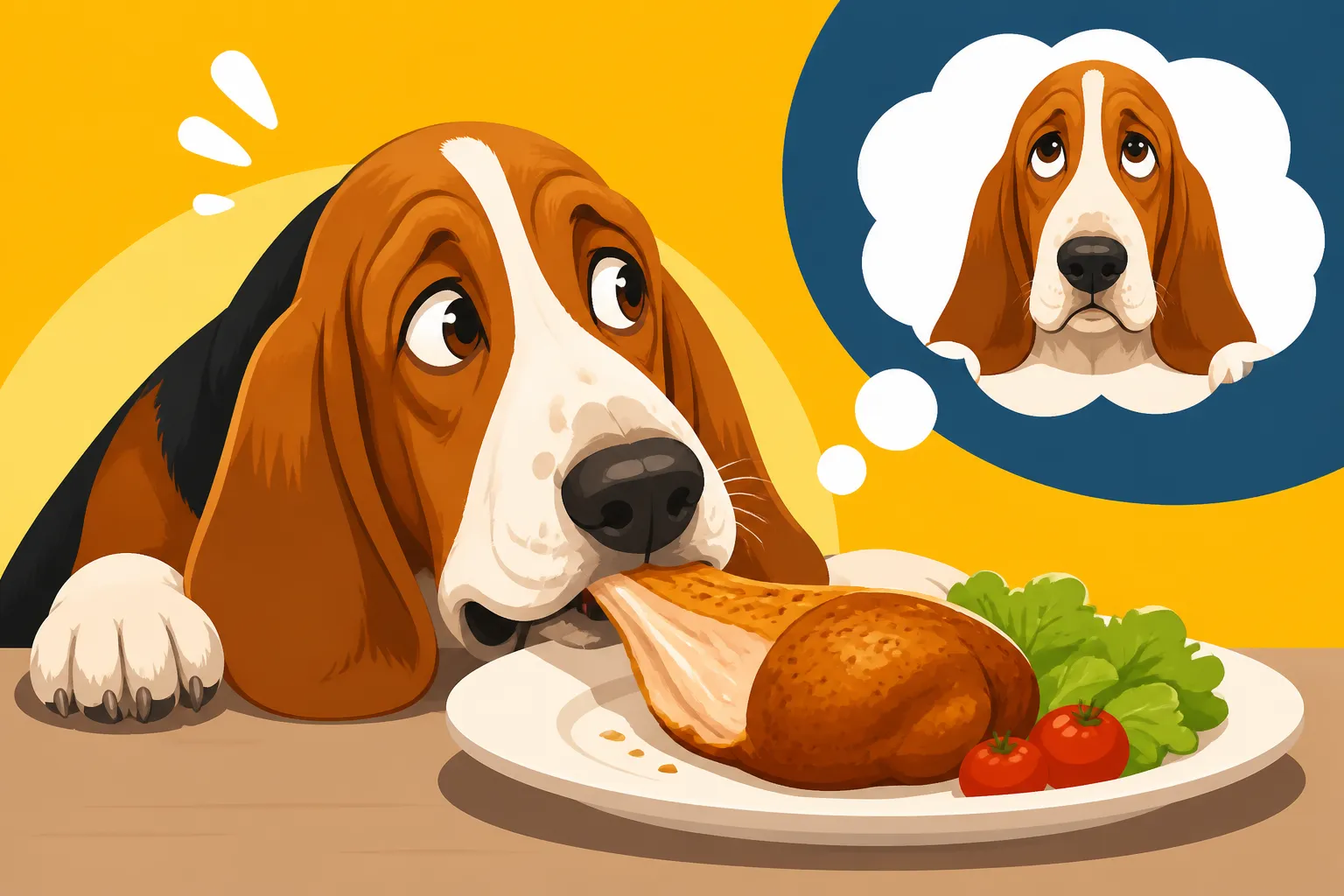
If you've ever turned your back for a second, only to find your carefully prepared sandwich gone or the entire contents of the kitchen bin strewn across the floor, you know the unique frustration of living with a Basset Hound. These lovable, low-slung scenthounds are notoriously food-motivated, and their persistent nature means they’re often masters of the stealthy snack raid. This guide will delve into why your Basset Hound seems to have a PhD in food pilfering and, more importantly, how you can curb this often exasperating (and sometimes dangerous) habit.
The Instinct Behind a Basset Hound's Food Obsession
It's easy to get angry when your Basset Hound snatches a forbidden treat, but understanding the deep-rooted instincts driving this behavior can shift your perspective from frustration to a more proactive approach. Their history and genetics play a massive role in their incessant quest for edible treasures.
A Nose Built for Foraging
Let's be honest, the Basset Hound's nose is a marvel. It's often said that their scenting ability is second only to a Bloodhound, a claim that rings true when you watch them work. This incredibly powerful sense of smell isn't just for tracking game in the field; it’s also a highly effective tool for sniffing out stray crumbs, unattended plates, or even the sealed bag of treats you thought was safely tucked away. Their long, pendulous ears, which sweep the ground, actually help funnel scent particles towards their nose, enhancing their ability to detect even the faintest aroma of food.
When you think about it, their entire physical design, from those sweeping ears to their low-slung bodies that keep their noses close to the ground, is geared towards scent detection. For a Basset, finding food isn't just a want; it's an ingrained biological imperative. Every morsel, no matter how small, represents a potential discovery that their super-sniffer is hardwired to seek out. This means that even if you've wiped down the counters, a Basset can still pick up residual food odors that tell them something was there, fueling their investigative drive.
The Hunter's Drive to Scavenge
Basset Hounds were originally bred to hunt small game, primarily rabbits and hare, slowly but surely, allowing hunters to follow on foot. This historical role meant they were often out in the field for extended periods, and any opportunity to supplement their diet would have been taken. This isn't a dog that was bred to politely wait for its bowl; it was bred to find and consume. This scavenging instinct translates directly into their domestic lives. They see an unattended plate not as "your dinner," but as a potential resource that their keen senses have located.
This deep-seated drive means that politeness around food isn't natural for them; it's something they have to learn, often against their strongest instincts. They're not being "bad" on purpose; they're simply acting on generations of selective breeding that rewarded persistence in scenting and resource acquisition. If you’re struggling with their seemingly insatiable appetite, you might want to look at How Much a Basset Hound Should Eat to ensure they’re getting adequate nutrition for their size and activity level.
"Empty Legs, Full Belly" Mentality
Basset Hounds have a unique physique: heavy bone, a long body, and those famously short legs. While they might appear lazy, their metabolism can be quite efficient, and they often carry more weight than one might expect for their stature. This combination, along with their food-motivated nature, can create a constant feeling of hunger or, at the very least, a strong desire for more food. Many owners feel that their Basset Hound would "eat forever" if given the chance.
It's almost as if they operate under a "feast or famine" mindset from their hunting days – eat it while it's there, because who knows when the next meal will come? This isn't necessarily a sign of actual starvation, but rather a reflection of their genetic programming. It’s also important to consider that a Basset Hound’s short stature might make them appear less active, leading owners to underestimate their caloric needs and potentially overfeed them, exacerbating the problem. Understanding this helps explain why simply feeding them more isn't always the solution to stopping their scavenging; it’s about managing their environment and training.
Common Scenarios and Why They Happen
Basset Hounds are clever, resourceful, and incredibly persistent when it comes to food. Their methods of acquisition are often surprisingly effective, even with their low profile.
Counter Surfing and Table Raiding
You might think a dog with legs as short as a Basset Hound’s couldn't possibly reach the kitchen counter or the dining room table. And you'd be wrong! While they aren't champion jumpers, Bassets are masters of leverage and strategic positioning. They'll stand on their hind legs, brace themselves against the cabinet, or stretch their incredibly long bodies to snag items from surprisingly high surfaces. A Basset doesn't need to jump onto the counter; they just need to reach over the edge.
They often observe you, learning patterns and waiting for the opportune moment. Did you just step away to answer the door? Perfect. Did you leave a plate on the coffee table while you went to the bathroom? Jackpot. Their determination is relentless. They've also been known to "herd" unsuspecting toddlers away from dropped food to claim it for themselves. The motivation is simple: if food is accessible, it's fair game, especially if they perceive a lapse in human supervision. This is why vigilance is paramount.
Opportunistic Snatching from Children or Unsuspecting Guests
This is where the Basset's sweet, innocent demeanor can be a deceptive weapon. They are incredibly charming and can look utterly heartbroken, yet simultaneously be plotting the snatch of a lifetime. Children, in particular, are often easy targets. A child might drop a piece of toast, and before they can even register it, the Basset has vacuumed it up. Guests, unfamiliar with the Basset’s capabilities, might leave their plate unattended on a low table, or even hold a snack a little too close to the dog's reach.
The Basset Hound is often very gentle in taking food, which can make it hard to even notice until it's too late. They're not aggressive about it, just incredibly swift and silent when opportunity strikes. This behavior isn't malicious; it's pure, unadulterated opportunism, driven by their powerful desire for food. Teaching your Basset to have better manners around food is crucial, and incorporating games like "Giving a Basset Hound's Nose Something to Do" can redirect their natural instincts.
Trash Can Diving and Pantry Raids
If it smells good, a Basset Hound will find a way. Standard kitchen trash cans, especially those without secure lids, are practically an open invitation. They’ll nudge, paw, and even chew through plastic if they smell something appealing inside. Bones, discarded food wrappers, or even just the lingering scent of last night's dinner are irresistible.
Pantry doors, if not properly latched, are also no match for a determined Basset. They'll push, pull, and sometimes even figure out simple lever handles. Bags of dog food, containers of treats, or even human snacks are all fair game. This persistence highlights their unwavering dedication to their primary mission: finding food. Preventing these raids requires robust physical barriers and a realistic understanding of just how motivated your Basset is. For those struggling with this, focusing on Environmental Management is Key is the first step.
Practical Strategies to Combat Food Stealing
While it might feel like an uphill battle, there are effective ways to manage and minimize your Basset Hound's food-stealing tendencies. It requires consistency, patience, and a bit of creativity.
Environmental Management is Key
The easiest way to stop food stealing is to remove the temptation entirely. This is often more effective than trying to "out-train" a powerful instinct.
- Secure Trash Cans: Invest in heavy-duty trash cans with locking lids. Brands like Simplehuman or iTouchless offer models with secure closures that Bassets can't easily open. Place them inside a cabinet if possible for extra security.
- Clear the Counters and Tables: Make it a habit to never leave food unattended, even for a moment. This includes dirty dishes. Get into the routine of immediately putting away leftovers, wiping down surfaces, and loading the dishwasher.
- Close Pantry and Refrigerator Doors: Ensure all food storage areas are securely closed. Consider childproof latches on lower cabinets if your Basset has figured out how to open them.
- Baby Gates and Playpens: If you can't supervise your Basset 100% of the time, especially during meal prep or when guests are over, use baby gates to keep them out of the kitchen or dining area. This is also a fantastic strategy for a puppy, as discussed in The First Year With a Basset Hound Puppy.
- Elevated Feeding Stations/Snoods: While not directly for stealing food, if your Basset has exceptionally long ears that drag in their food, they might unintentionally get more food on the floor, creating more "scraps" for them to "find." A raised food bowl can help, or even better, a snood. If you're wondering Whether a Basset Hound Needs a Snood at Dinner, the answer is often yes, as it keeps those beautiful ears out of the bowl and away from potential floor contamination.
Training for Impulse Control
While prevention is powerful, training is also essential. It teaches your Basset what you want them to do, rather than just preventing what you don't want.
- "Leave It" Command: This is perhaps the most crucial command for a food-motivated dog. Start in a low-distraction environment with a low-value treat. Place the treat on the floor, cover it with your hand, and say "leave it." When your Basset looks away from the treat, reward them with a higher-value treat from your other hand. Gradually increase the difficulty by uncovering the treat, then placing it further away, eventually working up to real-life scenarios. Consistent practice is key. Learning Whether a Basset Hound Can Be Taught to Leave It will tell you that while it takes patience, it's absolutely possible.
- "Stay" Command: Teach your Basset to stay in a designated spot (like their bed) while you prepare or eat food. Reward them heavily for remaining in place. Start with short durations and gradually increase the time and distance.
- Door Manners: Train your Basset to wait politely at the door of the kitchen or dining area until invited in, or to stay outside entirely while food is present.
- Reward Calm Behavior: Actively reward your Basset when they are calm and not trying to steal food. This reinforces the idea that good things happen when they behave appropriately, not just when they sneak a snack. Some Bassets are very food motivated, as explored in Whether a Basset Hound Works for Food Only, so leverage this!
Addressing Underlying Needs
Sometimes, incessant food seeking can stem from unmet needs beyond just hunger.
- Appropriate Feeding Schedule and Portions: Ensure your Basset is being fed a high-quality diet appropriate for their age, weight, and activity level. Stick to a regular feeding schedule, typically twice a day for adult Bassets. If your Basset is always begging, double-check that you're not underfeeding them, though overfeeding is also a common issue for this breed.
- Mental Stimulation: Basset Hounds are intelligent scenthounds. Their brains need to be worked! Incorporate puzzle toys, snuffle mats, and scent games (like hiding treats around the house for them to find) into their daily routine. This allows them to use their incredible nose in a constructive way, fulfilling their instinctual drive to forage without raiding your pantry. This can greatly reduce boredom-driven food seeking.
- Adequate Exercise: While Bassets aren't high-energy athletes, they still need regular, moderate exercise. Daily walks, even if they sometimes stop moving, as explored in The Basset Hound That Will Not Walk Any Further, are essential for their physical and mental well-being. A bored dog is often a mischievous dog.
- Healthy Weight Management: An overweight Basset is at higher risk for numerous health issues, including joint problems (like those covered in Why One Basset Hound in Seven Has Bad Elbows) and back trouble. If your Basset is stealing food and also gaining weight, it's a critical issue to address. Learn about Keeping a Basset Hound at Its Correct Weight and Getting Weight Off a Basset Hound That Will Not Exercise to help them maintain a healthy physique.
When Food Stealing Becomes a Health Concern
While annoying, a stolen cookie is one thing. But Basset Hounds, with their indiscriminate eating habits, often put themselves in serious danger by ingesting things that can cause severe health problems.
The Dangers of Ingesting Foreign Objects or Toxic Foods
Basset Hounds aren't picky. If it smells like food, or even might be food, they'll often try to eat it. This can lead to them ingesting:
- Toxic Foods: Many common human foods are highly toxic to dogs. Chocolate, grapes/raisins, onions, garlic, xylitol (a common sweetener found in sugar-free gum and some peanut butters), avocados, and certain nuts can cause anything from mild digestive upset to organ failure and even death. Their powerful noses mean they'll seek these out.
- Foreign Objects: Bassets will often swallow things whole or chew and ingest non-food items if they're around food remnants. Think corn cobs, fruit pits, plastic wrap, aluminum foil, or even small toys that smell of food. These can cause choking, blockages in the digestive tract, or internal injuries. If you ever suspect your Basset has ingested something dangerous, it's an immediate emergency. Knowing What a Basset Hound's Emergency Surgeries Cost can prepare you for potential financial burdens.
- Bloat (Gastric Dilatation-Volvulus): While often associated with eating too quickly or exercising too soon after a meal, consuming a large quantity of stolen food can also be a risk factor for bloat, a life-threatening condition for deep-chested breeds like Bassets. For more information, see Whether a Basset Hound Gets Bloat.
Weight Management and Its Impact
The constant grazing and opportunistic eating fueled by food stealing often lead to weight gain. An overweight Basset Hound is not a healthy Basset Hound. Extra weight puts immense strain on their already unique skeletal structure, especially their spine and joints, which are prone to issues like intervertebral disc disease and elbow dysplasia.
- Increased Joint Problems: The excess weight aggravates conditions like arthritis and elbow dysplasia, leading to pain, decreased mobility, and a reduced quality of life. This can escalate to your The Old Basset Hound That Cannot Get Off the Floor.
- Shorter Lifespan: Plain and simple, Whether an Overweight Basset Hound Lives Shorter is a resounding yes. Obesity significantly impacts The Ten to Twelve Years a Basset Hound Lives, shortening it and making those years less comfortable.
- Other Health Issues: Obesity is linked to diabetes, heart disease, breathing difficulties (especially in hot weather), and an increased risk during surgery.
Consulting Your Veterinarian
If your Basset Hound's food-stealing behavior is extreme, compulsive, or leading to frequent ingestion of dangerous items, it's time to talk to your veterinarian. They can help rule out any underlying medical conditions that might be causing an insatiable appetite, such as thyroid issues or nutrient deficiencies. They can also offer professional guidance on behavior modification and safe weight loss strategies if obesity is a concern.
Your vet can also discuss pet insurance options. A good policy from a provider like Healthy Paws can be invaluable for unexpected emergencies arising from food theft, such as foreign body removal or treatment for toxic ingestions. Insuring a Basset Hound Against Eyes, Ears and Backs is a smart move, but don't forget the potential for digestive emergencies too.
Table: Preventing Food Theft in Basset Hounds
| Method | Effectiveness | Effort Level | Key Benefits | Considerations |
|---|---|---|---|---|
| Secure Trash Cans | High | Low-Medium | Prevents access to dangerous items. | Initial cost of a good bin; Basset might still try to chew through. |
| Clear Counters/Tables | High | Medium | Eliminates opportunity; promotes tidiness. | Requires consistent habits from all household members. |
| Baby Gates | High | Low-Medium | Physical barrier, prevents access. | May restrict dog's movement in the house; requires owner to step over them. |
| "Leave It" Training | Medium-High | High | Builds impulse control; useful everywhere. | Requires consistent, positive reinforcement; Basset's "selective hearing" can be a challenge. |
| Mental Enrichment | Medium | Medium | Reduces boredom, channels natural instincts. | Needs variety to keep Basset engaged; doesn't directly stop opportunistic snatching. |
| Proper Feeding/Portioning | Medium | Low | Addresses genuine hunger (if applicable). | Won't stop all food stealing if driven by instinct/opportunism. |
| Harsh Punishment | Low-None | Varies | Can create fear or sneakiness. | Damages bond; often makes the behavior worse or harder to detect. |
| Free-Feeding | Low | Low | Can lead to overeating and constant grazing. | Doesn't teach impulse control or mealtime manners. |
Disclaimer
This article is intended for informational purposes only and does not constitute professional veterinary advice. Always consult with a qualified veterinarian for any health concerns or before making any decisions about your Basset Hound's health or treatment plan.