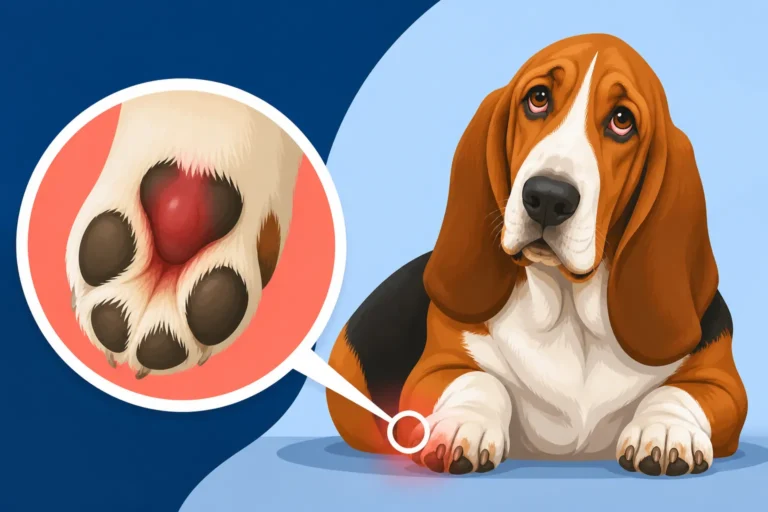
Whether a Basset Hound Has a Sensitive Stomach
It's a common worry for Basset Hound owners: one minute your floppy-eared friend is happily sniffing out imaginary trails, the next they're looking a little green around the gills, or worse, leaving you an unpleasant surprise to clean up. The question of whether Basset Hounds are particularly prone to stomach troubles is a valid one, and it’s a frustration many of us have faced. This guide will dive deep into why Bassets might seem to have a more delicate digestive system than other breeds, explore the signs to watch for, and provide actionable advice on how to keep your beloved hound feeling their best from the inside out.
Understanding the Basset Hound Digestive System
Basset Hounds are robust dogs in many ways, built low to the ground with impressive bone structure and an even more impressive nose. However, their unique conformation and inherent breed traits do come with certain susceptibilities, and digestive issues can unfortunately be one of them. It’s not always a straightforward "sensitive stomach" in the way we might think of it for ourselves; often, it’s a combination of genetics, behavior, and physical attributes that contribute to their gastrointestinal quirks.
Breed Predispositions to Gastrointestinal Issues
While Basset Hounds don't universally carry a diagnosis of "sensitive stomach," there are aspects of their biology and common health concerns that can lead to frequent digestive upsets. Their deep chests, for instance, make them one of the breeds at higher risk for bloat, technically known as Gastric Dilatation-Volvulus (GDV). This is a life-threatening condition where the stomach fills with gas and can twist, cutting off blood supply. It's an emergency every Basset owner should be aware of, and it definitely puts them in a category where digestive health needs careful monitoring. You can learn more about this serious condition by reading our guide on Whether a Basset Hound Gets Bloat.
Beyond bloat, their tendency towards certain inflammatory conditions, while not unique to the breed, means they can experience things like Inflammatory Bowel Disease (IBD) more frequently than some other dogs. IBD isn't a simple upset; it's a chronic condition where the lining of the digestive tract becomes inflamed, interfering with proper digestion and nutrient absorption. This can lead to ongoing discomfort, weight loss, and recurring bouts of vomiting and diarrhea, truly making for a "sensitive stomach" situation that requires diligent management. Their insatiable appetite, which we'll touch on later, also plays a role in their predisposition to issues.
Common Symptoms of a Sensitive Stomach
Recognizing the signs of a sensitive stomach in your Basset is crucial because, like many dogs, they can be quite stoic. They might not always make it obvious they're uncomfortable until things are quite advanced. The most common indicators include vomiting, which can range from occasional bile to regurgitated food, and diarrhea, which can vary in consistency from soft stools to watery explosions. You might also notice a loss of appetite, where your usually food-motivated Basset turns up their nose at mealtime – a definite red flag.
Other symptoms could include excessive gas, loud stomach gurgling (borborygmi), abdominal pain (they might hunch their back or resist being touched on their belly), lethargy, or even a sudden change in behavior, such as becoming withdrawn or unusually restless. It's important to differentiate between an occasional, isolated incident and a recurring pattern. If your Basset is regularly experiencing any of these symptoms, even if they seem minor, it warrants attention. Catching these signs early is key to understanding what's going on and getting your hound back to their happy, healthy self.
Distinguishing True Sensitivity from "Just a Basset Being a Basset"
This is where many Basset owners can get tripped up, and honestly, who can blame us? Basset Hounds are known for their strong personalities, and sometimes their behaviors can mimic signs of discomfort. For example, a Basset’s legendary nose means they are incredible scavengers. If they manage to raid the trash or gobble down something questionable on a walk – a common occurrence if you’re not vigilant – they’re almost guaranteed to have a temporary stomach upset. This dietary indiscretion, as vets call it, often resolves within a day or two with a bland diet and watchful waiting. This kind of upset isn't necessarily a "sensitive stomach" but rather a consequence of their adventurous eating habits. Our article on Whether a Basset Hound Eats Things Off the Ground delves deeper into this particular habit.
A truly sensitive stomach, or an underlying gastrointestinal condition, tends to present with more persistent, recurring, or severe symptoms, even when their diet and environment are controlled. If your Basset is on a consistent, high-quality diet and still experiences frequent vomiting, diarrhea, or discomfort, then it’s time to look beyond simple dietary indiscretion and consider a deeper issue. The key is patterns: is this a one-off after they stole a discarded hot dog, or is it happening regularly despite your best efforts to keep their diet pristine?
Common Causes of Basset Hound Stomach Upset
Pinpointing the exact reason for your Basset’s stomach troubles can feel like detective work, but understanding the common culprits can guide you and your veterinarian toward a solution. It's often not a single cause but a combination of factors that contribute to their tummy woes.
Dietary Indiscretion and Scavenging Habits
Let's be real: a Basset Hound's nose is a powerful, often mischievous, tool. Their primary mission in life, besides napping, seems to be to follow every interesting scent to its delicious (or disgusting) conclusion. This means they are notorious scavengers. Left unsupervised for even a moment, a Basset can turn an innocent walk into a buffet of forgotten scraps or transform a neat kitchen into a treasure trove of counter-surfed delights. Think discarded chicken bones from the park, compost bin raids, or that enticing "gift" left by a squirrel. This insatiable curiosity and hunger mean they are constantly at risk of eating things their digestive system simply isn't equipped to handle.
The consequences of this dietary adventurism can range from mild upset – a bit of transient diarrhea or vomiting – to more severe conditions like pancreatitis. Pancreatitis, an inflammation of the pancreas, is often triggered by consuming fatty, rich foods that dogs aren't used to, like bacon grease or a forgotten greasy burger. This is a painful and serious condition that requires immediate veterinary attention. We have a dedicated guide on Whether a Basset Hound Gets Pancreatitis that explains this in detail. Prevention is key here: keeping trash secure, being vigilant on walks, and teaching a solid "leave it" command are paramount.
Food Allergies and Intolerances
While often used interchangeably, food allergies and food intolerances are distinct. A food allergy involves an immune system response to a specific protein, leading to symptoms like skin itching, chronic ear infections, and gastrointestinal upset. Common culprits include chicken, beef, dairy, wheat, and soy. The body mistakenly identifies these proteins as threats, launching an attack that causes inflammation. An intolerance, on the other hand, is a digestive issue rather than an immune response; the dog simply lacks the enzymes to properly digest a certain ingredient, leading to symptoms like gas, bloating, and diarrhea.
If your Basset Hound's stomach issues are chronic and don't seem linked to dietary indiscretion, a food allergy or intolerance might be the culprit. Symptoms might also include skin issues, as discussed in Whether a Basset Hound Gets Allergies. Identifying these can be a long process, often involving an elimination diet where your dog eats a novel protein (one they've never had before, like duck or venison) and a single carbohydrate source for several weeks. Then, ingredients are slowly reintroduced to pinpoint the trigger. It requires patience, but finding the right food can dramatically improve your Basset's quality of life.
Stress, Anxiety, and Environmental Factors
It's easy to forget that our dogs, Basset Hounds included, can experience stress and anxiety just like we do, and these emotions can directly impact their digestive health. The gut-brain axis is a real phenomenon in dogs, meaning that psychological stress can manifest as physical symptoms, particularly gastrointestinal upset. Changes in routine, moving to a new home, the introduction of a new pet or family member, loud noises like fireworks or thunderstorms, or even separation anxiety can all trigger bouts of diarrhea or vomiting in a sensitive Basset.
Bassets thrive on routine and predictability. A sudden disruption, even something as seemingly minor as your work schedule changing, can throw them off. If you notice your Basset's stomach issues coincide with periods of change or heightened stress, addressing the underlying anxiety can often resolve the digestive problems. This might involve creating a more stable environment, providing calming aids, or working with a professional trainer or behaviorist to help them cope with stressors.
Underlying Health Conditions
Sometimes, a sensitive stomach isn't just about what your Basset eats or their stress levels; it can be a sign of a more serious, underlying health issue. We've already touched on bloat and pancreatitis, but there are other conditions to consider. Inflammatory Bowel Disease (IBD) is a common chronic cause of digestive upset, requiring careful diagnosis and ongoing management. Exocrine Pancreatic Insufficiency (EPI) means the pancreas isn't producing enough digestive enzymes, leading to malabsorption and chronic diarrhea, even with a normal diet.
Parasitic infections (like giardia or roundworms), bacterial overgrowth in the gut, or even more severe conditions affecting the liver, kidneys, or thyroid can all present with gastrointestinal symptoms. That’s why if your Basset’s stomach issues are persistent, severe, or accompanied by other worrying signs like weight loss, lethargy, or blood in their stool, a trip to the veterinarian is absolutely essential. Don't try to self-diagnose; a professional medical opinion is the only way to get to the bottom of these complex issues and ensure your beloved hound receives the correct treatment.
Managing a Basset Hound with a Sensitive Stomach
Once you and your vet have identified the likely cause of your Basset’s sensitive stomach, the next step is implementing a management plan. This often involves a multi-pronged approach, focusing on diet, supplements, veterinary oversight, and environmental stability. It’s about creating a consistent, supportive routine that helps their digestive system thrive.
The Role of Diet: What to Feed and What to Avoid
Diet is arguably the most critical component in managing a Basset Hound with a sensitive stomach. The goal is to provide highly digestible, nutrient-rich food that minimizes triggers and supports gut health. For many Bassets, this means moving away from generic commercial diets that might contain common allergens or a mix of ingredients that are hard for their system to process. Look for "limited ingredient" or "single protein" diets. These often feature novel proteins like duck, venison, or salmon, combined with easily digestible carbohydrates like sweet potato or rice. Some veterinarians may even recommend "hydrolyzed protein" diets, where the proteins are broken down into such small pieces that the immune system doesn't recognize them as allergens. Brands like Purina Pro Plan Veterinary Diets, Hill's Prescription Diet, and Royal Canin Veterinary Diet offer excellent options specifically formulated for sensitive stomachs or food allergies.
Consistency is key: once you find a food that works, stick to it. Avoid sudden food changes, which can easily upset a delicate digestive system. Resist the urge to give table scraps, no matter how much those soulful Basset eyes beg. Even small amounts of human food, especially fatty or seasoned items, can trigger an upset or worse, lead to issues like pancreatitis. Also consider how much an adult Basset Hound eats daily, as overfeeding can lead to discomfort and weight gain, which exacerbates other health issues. When your Basset has an acute upset, your vet might recommend a temporary bland diet of boiled chicken and plain rice, slowly reintroducing their regular food once symptoms resolve. Having good pet insurance like Healthy Paws can be a lifesaver when navigating expensive diagnostic tests and specialized diets required for food sensitivities.
Probiotics, Prebiotics, and Digestive Enzymes
Beyond diet, certain supplements can play a significant supportive role. Probiotics are beneficial bacteria that help maintain a healthy balance in the gut microbiome. Just like in humans, a balanced gut flora is essential for proper digestion and a strong immune system. When the gut is out of whack, whether from stress, antibiotics, or dietary indiscretion, probiotics can help restore harmony. They are particularly useful after a course of antibiotics, which can wipe out both good and bad bacteria.
Prebiotics, on the other hand, are non-digestible fibers that act as food for the good bacteria in the gut, encouraging their growth. Many sensitive stomach dog foods include prebiotics, but they can also be given as standalone supplements. Digestive enzymes are different; they help dogs break down food into smaller, more absorbable nutrients. These can be especially helpful for Bassets diagnosed with Exocrine Pancreatic Insufficiency (EPI), where their own pancreas doesn't produce enough enzymes. Always discuss any supplements with your veterinarian before introducing them to your Basset’s regimen, as they can recommend the most appropriate type and dosage.
Veterinary Care and Diagnostics
When your Basset Hound is experiencing ongoing or severe stomach issues, prompt veterinary care isn't just recommended, it's essential. Don't wait if you notice symptoms like persistent vomiting or diarrhea (especially if it contains blood), extreme lethargy, abdominal pain, or significant weight loss. These can be signs of serious conditions like bloat, severe infections, or organ disease that require immediate medical intervention.
Your veterinarian will typically start with a thorough physical exam and gather a detailed history of your Basset's symptoms and diet. They might recommend diagnostic tests such as fecal exams to check for parasites, blood tests to assess organ function and rule out systemic illness, or imaging like X-rays or ultrasound to visualize the digestive tract. In more complex cases, specialized tests like endoscopy with biopsies might be necessary to diagnose conditions like IBD or certain cancers. Navigating these diagnostic journeys can be stressful and expensive, which is why many Basset owners find immense peace of mind with pet insurance. Companies like Healthy Paws are there to help cover those unexpected vet visits and specialized treatments, allowing you to focus on your Basset's recovery without the added financial strain. These tests are crucial for getting an accurate diagnosis and formulating an effective treatment plan, which might involve medication, dietary changes, or even surgery in some extreme cases. Our guide on What a Basset Hound's Emergency Surgeries Cost can give you an idea of the financial commitment involved in critical situations.
Creating a Stable and Low-Stress Environment
Beyond diet and medical intervention, the environment in which your Basset Hound lives plays a significant role in their overall well-being, including digestive health. A stable, predictable, and low-stress home environment can do wonders for a dog with a sensitive stomach. This means maintaining a consistent daily routine for feeding, walks, and playtime. Bassets thrive on knowing what to expect, and sudden changes can trigger anxiety that manifests physically.
Ensure your Basset has a comfortable, quiet space where they can retreat and feel secure, especially during stressful events like parties or loud noises. Regular, moderate exercise is also beneficial for digestive health, promoting regular bowel movements and reducing stress. However, be mindful of their unique physical needs; while they love a good sniff-walk, high-impact activities aren't suitable for their long backs and short legs. Also, consider ways to manage their eating habits, such as using a slow feeder bowl if your Basset tends to Whether a Basset Hound Bolts Its Food, which can also help prevent stomach upset and bloat. A calm, happy Basset is more likely to have a happy gut.
Comparative Overview of Common Basset Hound Digestive Issues
Understanding the nuances between various stomach issues can help owners recognize when to act and how to discuss symptoms with their veterinarian. This table provides a quick reference for common Basset Hound digestive complaints.
| Issue | Common Symptoms | Typical Onset | Usual Triggers/Causes | Prognosis (with treatment) |
|---|---|---|---|---|
| Dietary Indiscretion | Acute vomiting, diarrhea (may contain food particles), mild lethargy | Sudden | Eating inappropriate food (trash, table scraps) | Excellent, resolves in 1-2 days |
| Food Allergy/Intolerance | Chronic vomiting, diarrhea, gas, itchy skin, ear infections | Gradual, persistent | Specific protein or ingredient in diet | Good, with diet management |
| Stress-Related Upset | Loose stools, diarrhea, occasional vomiting, reduced appetite | Coincides with stressors | Changes in routine, loud noises, separation anxiety | Good, with stress management |
| Pancreatitis | Severe vomiting, diarrhea, abdominal pain, lethargy, fever | Sudden, acute | High-fat meal, some medications | Guarded to good, can be recurrent |
| Inflammatory Bowel Disease (IBD) | Chronic vomiting, diarrhea, weight loss, poor appetite | Gradual, long-term | Immune system dysfunction (idiopathic) | Variable, requires lifelong management |
| Bloat (GDV) | Non-productive retching, distended abdomen, restlessness, collapse | Sudden, rapid progression | Eating too fast, large meals, exercise after eating | Poor without emergency surgery |
Final Thoughts on Basset Hound Sensitive Stomachs
So, do Basset Hounds have sensitive stomachs? The answer isn't a simple yes or no. While they aren't inherently born with a universally delicate digestive system like some toy breeds, their unique physiology, genetic predispositions, and, let's be honest, their relentless pursuit of every edible (and non-edible) scent make them particularly susceptible to a range of gastrointestinal issues. From the danger of bloat due to their deep chests to the frequent upsets caused by their scavenging habits, and the potential for true food allergies or inflammatory conditions, Basset Hounds definitely require a proactive approach to digestive health.
As devoted Basset owners, our job is to be vigilant, provide a consistent, appropriate diet, minimize stress, and know when to call the vet. It’s about understanding that what might seem like "just a Basset thing" could actually be a sign of deeper discomfort. By being attuned to their needs, managing their environment, and working closely with your veterinarian, you can help your sweet, soulful Basset Hound lead a comfortable, happy life free from unnecessary tummy troubles. After all, a happy Basset is a well-fed Basset, and a well-fed Basset is one whose tummy is at peace.
Disclaimer
This article is intended for informational purposes only and does not constitute medical advice. Always consult with a qualified veterinarian for any health concerns or before making any decisions about your pet's health or treatment.