Signs a Basset Hound’s Thyroid Has Failed
It’s heartbreaking to notice your beloved Basset Hound just isn't quite themselves. Maybe they seem a little slower, a bit pudgier, or their once lustrous coat feels dry and thin. You might brush it off as just "getting old" or a seasonal change, but sometimes, these subtle shifts can be a red flag for something more serious, like their thyroid not working properly. This guide will walk you through the key signs that your Basset Hound’s thyroid might have failed, helping you recognize when it’s time to seek veterinary advice.
Understanding Hypothyroidism in Basset Hounds
Hypothyroidism is a condition where your dog's thyroid gland doesn't produce enough thyroid hormones. These hormones are absolutely essential for regulating metabolism, which pretty much governs every process in their body, from how fast their heart beats to how quickly their cells regenerate. When those hormones aren't sufficient, everything slows down, and that's when you start seeing those concerning changes in your furry friend.
The Critical Role of the Thyroid Gland
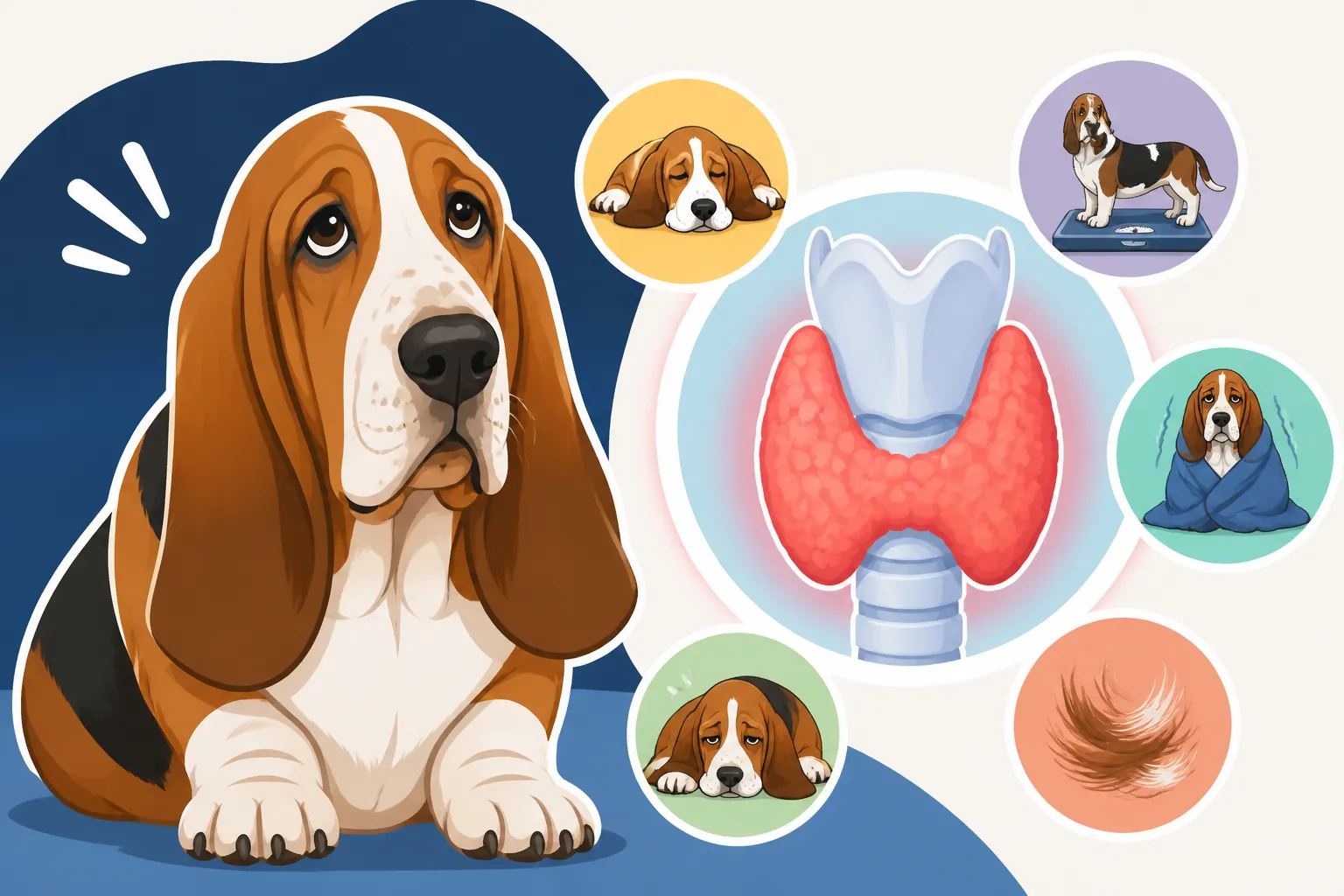
Imagine your dog's thyroid gland, located in its neck, as the conductor of an orchestra. It tells every instrument (body system) when and how loudly to play. When this conductor isn't doing its job, the whole orchestra sounds off-key or, in this case, performs sluggishly. It's not just about energy levels; thyroid hormones are vital for skin health, coat quality, immune function, and even brain activity. When production dips, the effects can be widespread and varied, which is why the symptoms can sometimes be a bit of a puzzle to piece together.
Why Basset Hounds Are Prone to Thyroid Issues
Unfortunately, Basset Hounds, among other breeds like Golden Retrievers, Doberman Pinschers, and Great Danes, have a higher genetic predisposition to developing hypothyroidism. While the exact reasons aren't always clear, it's thought to be an autoimmune disease in many cases, meaning the dog's own immune system mistakenly attacks and destroys the thyroid gland. This makes recognizing the signs even more crucial for Basset Hound owners. If you've ever wondered Whether a Basset Hound Gets Hypothyroidism, the answer is yes, and it's something every owner should be aware of, particularly as their hound moves into middle age. It's not a rare anomaly; it's a genuine concern for our long-eared companions.
Recognizing the Subtle Physical Changes in Your Basset Hound
One of the frustrating things about hypothyroidism is how gradually the physical signs tend to appear. You might think your dog is just getting a bit lazy or that their coat is merely shedding, but these small changes, when viewed together, can tell a much bigger story.
Changes in Coat and Skin Health
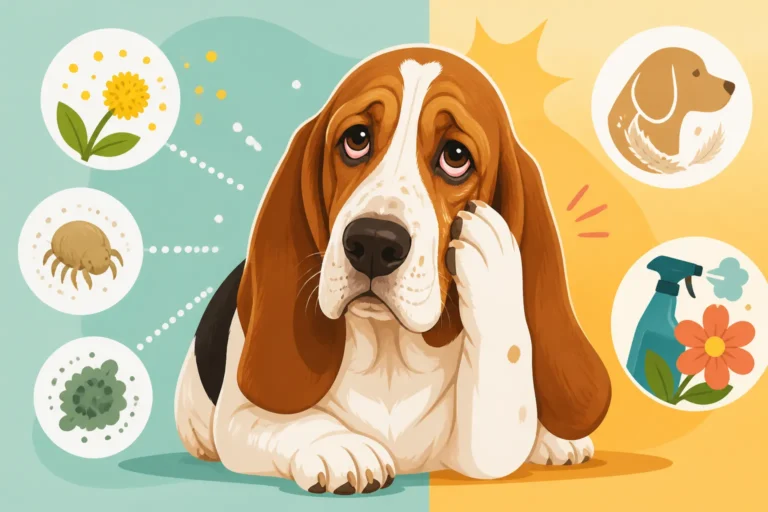
This is often one of the first and most noticeable indicators, though it can be easy to miss initially. A hypothyroid Basset Hound might develop a dull, dry, and brittle coat that sheds excessively, or conversely, grows very slowly, almost appearing sparse in places. You might notice areas of hair loss, particularly on their flanks, the bridge of their nose, or their tail, sometimes leading to a condition descriptively called "rat tail." Their skin itself can change, becoming dry, flaky, or even thickened and greasy, especially in their characteristic folds. These skin issues can also lead to secondary bacterial or yeast infections, making your Basset itchier and smellier than usual. For instance, you might notice irritation in The Skin Under a Basset Hound's Folds, which could be exacerbated by underlying thyroid issues, not just local dampness.
Unexplained Weight Gain and Low Energy
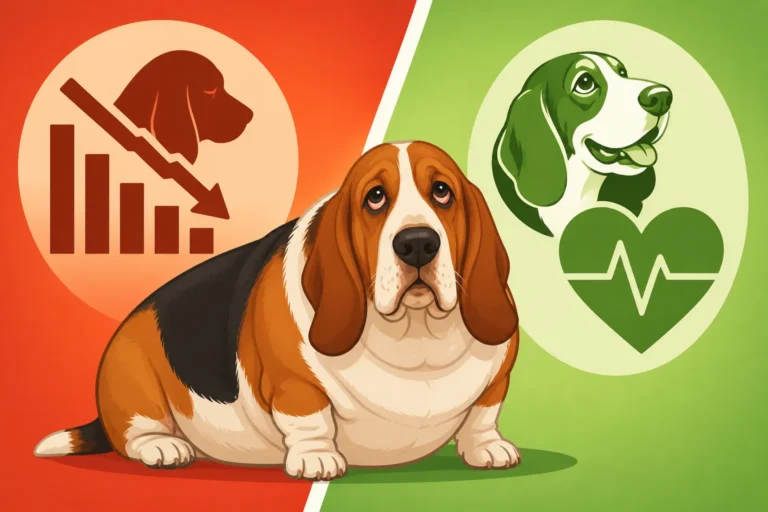
Perhaps your Basset Hound, who was already prone to being a couch potato, seems even more inclined to doze off. You might notice they're gaining weight despite no changes in their diet or exercise routine. This isn't just a matter of What Extra Weight Does to a Basset Hound from overfeeding; it's a metabolic slowdown. Their body isn't burning calories efficiently because their metabolism is running at a snail's pace. They might be reluctant to go for walks, pant easily, or just generally seem lethargic and slow. If your usually enthusiastic scent-tracker now prefers to nap than chase a new smell, this dip in energy is a significant red flag. It’s hard to tell if your Basset Hound is just being its charmingly lazy self, or if there's a medical reason behind it. Knowing How Much a Basset Hound Should Weigh can also help you track if their weight gain is abnormal and not just part of their breed's sturdy build.
Other Physical Manifestations
Beyond the skin and energy levels, other physical signs can surface. Some Basset Hounds might develop a "tragic" facial expression due to fluid retention around their eyes, making them look perpetually sadder than usual. They may become intolerant to cold, seeking out warm spots or shivering more easily, even indoors. Less commonly, you might observe a slow heart rate or other subtle neurological signs. These aren't always present, but when combined with other symptoms, they add to the picture. It's easy to look at an aging Basset Hound who has slowed down and simply think, "Well, they're just getting old, and The Old Basset Hound That Cannot Get Off the Floor is just a part of it." However, it's worth investigating if there's an underlying treatable cause that can give them back some pep in their step.
Behavioral and Mental Shifts That Might Signal Thyroid Issues
It's not just the physical appearance that changes; a failing thyroid can also subtly alter your Basset Hound's personality and typical behaviors. These shifts can be particularly confusing because they might mirror other age-related changes or just seem like your dog is "being a Basset."
Changes in Temperament and Interaction
You know your Basset Hound's personality best. Are they usually goofy and affectionate, but now seem more withdrawn, less interested in playing, or even a bit irritable when you try to engage them? This could be a sign. They might seem duller, less responsive, or less enthusiastic about things they once loved, like greeting you at the door or going for a car ride. Sometimes, they might appear to be seeking warmth constantly, burrowing into blankets or lying in sunbeams, even when the house temperature seems comfortable. This "miserable" feeling is a result of their body struggling to regulate its temperature due to the low thyroid hormones.
Reduced Activity and Mental Sharpness
The lethargy mentioned earlier isn't just about physical slowness; it can manifest as a general lack of motivation. Your Basset might start to refuse walks, or if they do go, they might plod along at a much slower pace than usual, showing little interest in sniffing around. You might notice they're less mentally engaged, taking longer to respond to commands, or simply staring blankly rather than observing their surroundings. This isn't a sign of unintelligence, but rather a systemic slowdown affecting their cognitive function. If your Basset Hound seems to Whether a Basset Hound Refuses to Move more often, it’s not always just stubbornness; it could be a medical reason making them feel unwell. These behavioral shifts can be particularly distressing for owners who cherish their Basset's unique, quirky personality.
What to Do if You Suspect Thyroid Problems in Your Basset Hound
Noticing these signs can be unsettling, but the good news is that hypothyroidism is a very treatable condition. The key is early diagnosis and consistent management.
Consulting Your Veterinarian for Diagnosis
If you're seeing several of the signs we've discussed, the absolute first step is to schedule a visit with your veterinarian. Don't try to self-diagnose or wait to see if things improve. Your vet will perform a thorough physical examination and likely recommend blood tests to check your Basset Hound's thyroid hormone levels. This usually involves checking total T4, free T4, and TSH (thyroid-stimulating hormone). Sometimes, a broader thyroid panel is recommended to get a complete picture. Be prepared to discuss all the symptoms you've observed, no matter how minor they seem. It helps the vet piece together the puzzle.
Managing the Condition and Lifelong Treatment
If your Basset Hound is diagnosed with hypothyroidism, the treatment is typically straightforward: daily oral medication to replace the missing thyroid hormones. This medication, usually levothyroxine, is given for the rest of your dog's life. It's similar to how humans manage thyroid issues. The dosage will be carefully adjusted by your vet based on follow-up blood tests until the optimal level is reached. Most dogs respond remarkably well to treatment, with owners often reporting significant improvements in energy, coat quality, and overall demeanor within weeks or months. This is why it’s so important not to dismiss the early signs as just "getting old" or Whether an Old Basset Hound Struggles to Stand being an inevitable part of aging. With proper medication, your Basset can often regain much of their former vitality. While this might sound like a long-term commitment, it's generally manageable. The ongoing cost can be a consideration, much like What a Basset Hound Costs a Year to Keep includes various medical expenses, but the improvement in quality of life is immeasurable.
Here’s a quick overview of common signs of hypothyroidism:
| Category | Common Signs | Potential Thyroid Link |
|---|---|---|
| Coat & Skin | Dry, brittle, sparse hair; excessive shedding; "rat tail" | Impaired cell regeneration, metabolic slowdown |
| Thickened, flaky, greasy skin; recurrent infections | Poor skin health, weakened immune response | |
| Energy | Lethargy, increased sleeping, reluctance to play/walk | Reduced metabolic rate, lower energy production |
| Weight | Unexplained weight gain despite normal eating/activity | Slowed metabolism, inefficient calorie burning |
| Behavior | More withdrawn, less enthusiastic, seeking warmth | Feeling unwell, discomfort from cold intolerance |
| Other | Cold intolerance, dull/sad facial expression, slow heart rate | Systemic slowdown, fluid retention, metabolic imbalance |
The Importance of Regular Monitoring and Diet Adjustments
Once your Basset Hound is on medication, regular follow-up appointments and blood tests will be necessary to ensure the dosage remains correct. As dogs age, their needs can change, so these checks are vital for their long-term health. Your vet might also recommend dietary adjustments to support their overall health and help manage weight, especially if they’ve gained a lot. Discussing how to balance their meals and treats, particularly if you're trying to prevent them from Feeding a Basset Hound That Would Eat Forever, is crucial. Opting for a quality pet insurance plan like Healthy Paws can also offer significant financial support for chronic conditions like hypothyroidism, making it easier to afford the lifelong medication and necessary vet visits without breaking the bank. It's reassuring to know you have a safety net for these ongoing health needs. Additionally, discussing special considerations for Feeding an Old Basset Hound That Has Slowed can help you provide tailored nutrition.
It's important to remember that while hypothyroidism is a serious condition, it’s one that’s highly manageable with proper care. Your Basset Hound can live a full, happy life with the right diagnosis and treatment. Being observant of these subtle changes in your beloved companion is the first step in ensuring they get the help they need. The peace of mind that comes from knowing you've addressed a potential health issue is truly invaluable for any pet parent. Just like with any chronic condition, having a reliable support system, including your vet and potentially a robust pet insurance plan like Healthy Paws, can make a significant difference in managing the care your Basset Hound needs over the years.
Disclaimer
This article is intended for informational purposes only and does not constitute medical advice. Always consult with a qualified veterinarian for any health concerns or before making any decisions about your Basset Hound's medical care.