Whether a Basset Hound Really Only Lives Twelve Years
It's a question that weighs heavily on the hearts of many Basset Hound owners, both new and seasoned: "Do Basset Hounds really only live twelve years?" The idea of a finite, perhaps shorter-than-desired, lifespan for our beloved long-eared companions can be a real source of anxiety. This guide aims to pull back the curtain on Basset Hound longevity, exploring what the averages truly mean and, more importantly, what you can do to help your hound enjoy a full, vibrant life that hopefully stretches well beyond that often-cited benchmark.
The Truth About Basset Hound Lifespan: Beyond the Averages
When you look up the average lifespan for a Basset Hound, you’ll often see figures ranging from 10 to 12 years. This number, while helpful as a general guideline, can feel disheartening. It’s crucial to understand that an average is just that – an average. It's a calculation based on many dogs, some who lived shorter lives due to unfortunate circumstances or severe health issues, and many who lived longer, thriving well into their golden years. Your Basset Hound isn't a statistic; they're an individual, and their journey will be unique.
What the "Average" Really Means
Think of it like human life expectancy. We have an average, but many people live significantly longer or shorter lives depending on genetics, lifestyle, access to healthcare, and a bit of plain old luck. For Basset Hounds, that 10-12 year average comes from a wide pool. It’s influenced by everything from inherited health conditions to accidents, and even the quality of daily care. So, while it gives us a baseline expectation, it certainly doesn't seal your dog's fate. Many Bassets, with proper care and a little good fortune, absolutely sail past their twelfth birthday, sometimes reaching 13, 14, or even 15 years. The key is focusing on the factors you can control to stack the odds in their favor.
Factors Influencing Longevity
Several key factors play a massive role in how long your Basset Hound will be by your side. Genetics from responsible breeding are foundational; a puppy from parents with documented good health will generally have a better start. However, lifestyle choices you make as an owner — like diet, exercise, and preventative care — are equally, if not more, impactful once your dog is home with you. A Basset Hound's unique anatomy, while endearing, also comes with its own set of challenges, from those long, heavy ears to their distinctive short legs and long back. These breed-specific traits require particular attention and care throughout their lives. It's truly a partnership between their inherent makeup and your dedicated efforts to keep them healthy.
Major Health Concerns That Impact Basset Hound Longevity
It's no secret that Basset Hounds, like many purebred dogs, come with a predisposition to certain health issues. Understanding these common challenges isn't about dwelling on the negative, but about empowering yourself to recognize the signs early and seek appropriate care. Proactive management of these conditions can significantly improve both the quality and length of your Basset’s life. Ignoring these potential pitfalls is where problems can escalate quickly, sometimes leading to shortened lifespans.
Joint and Back Issues: The Price of Their Unique Build
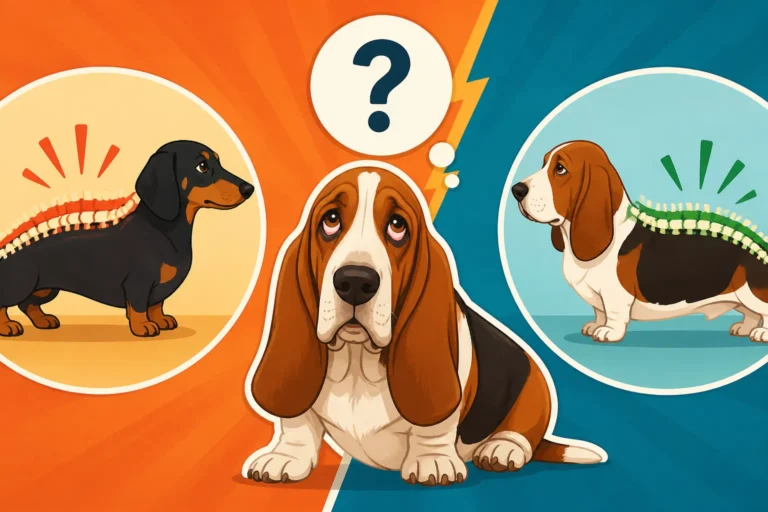
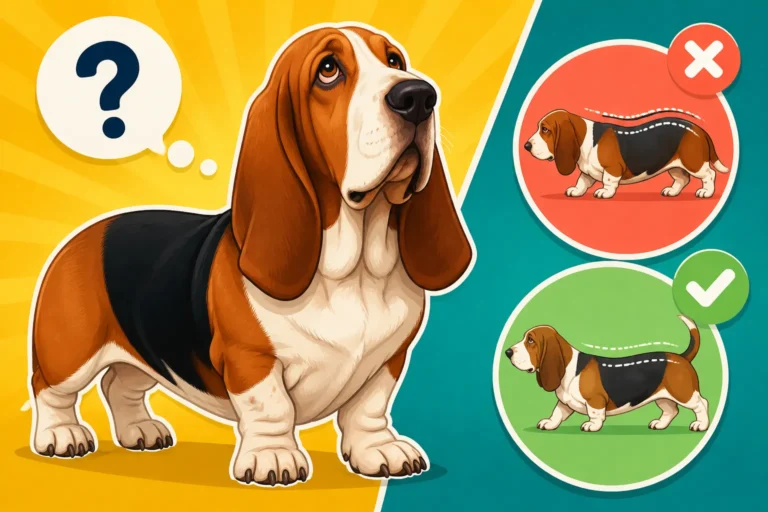
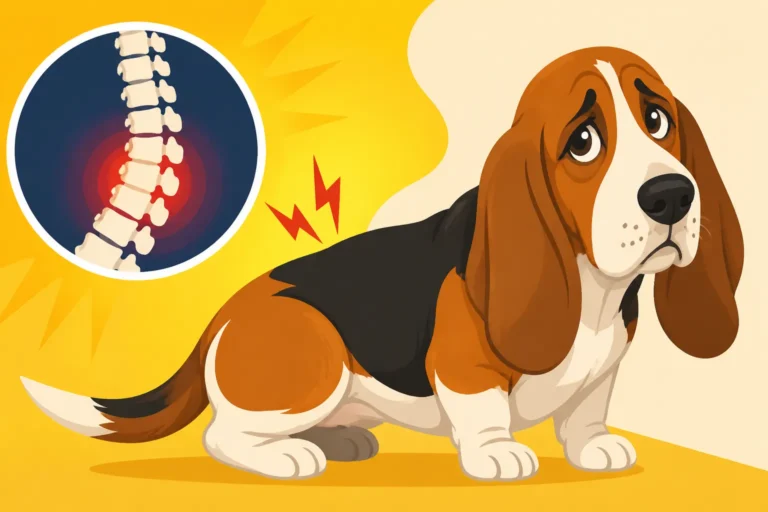
One of the most defining characteristics of a Basset Hound is their long, heavy body supported by those adorably short, often bowed, legs. This unique conformation, while charming, puts considerable strain on their joints and spine. Conditions like Intervertebral Disc Disease (IVDD) are unfortunately common. This is where the cushioning discs between the vertebrae can rupture or bulge, pressing on the spinal cord and causing pain, weakness, or even paralysis. Preventing jumps from furniture, using ramps, and maintaining a healthy weight are critical preventative measures. You can learn more about how their unique body causes problems in articles like The Back Trouble a Basset Hound Is Built Into and Why One Basset Hound in Seven Has Bad Elbows.
Arthritis, especially in the elbows and hips, also becomes a significant concern as Bassets age. The constant stress on their joints can lead to inflammation and pain, impacting their mobility and overall comfort. Early detection and management with supplements, anti-inflammatory medications, and physical therapy can make a world of difference. Many owners often find themselves asking Whether a Basset Hound Needs Joint Supplements as they approach their middle years, and the answer is often a resounding yes from veterinarians who see the benefit in supporting joint health proactively.
Ear and Skin Problems: Persistent Pains
Those magnificent, long, floppy ears are a Basset Hound's hallmark, but they are also a common source of health woes. Their length and heavy folds create an ideal warm, moist environment for bacteria and yeast to thrive, leading to chronic ear infections. These aren't just an annoyance; recurrent, untreated infections can lead to severe pain, hearing loss, and in extreme cases, even require surgical intervention like a Total Ear Canal Ablation. Regular, meticulous ear cleaning is non-negotiable for a Basset. Owners often discover The Ear Infections That Never Really Leave a Basset Hound can be a battle, but a manageable one with vigilance.
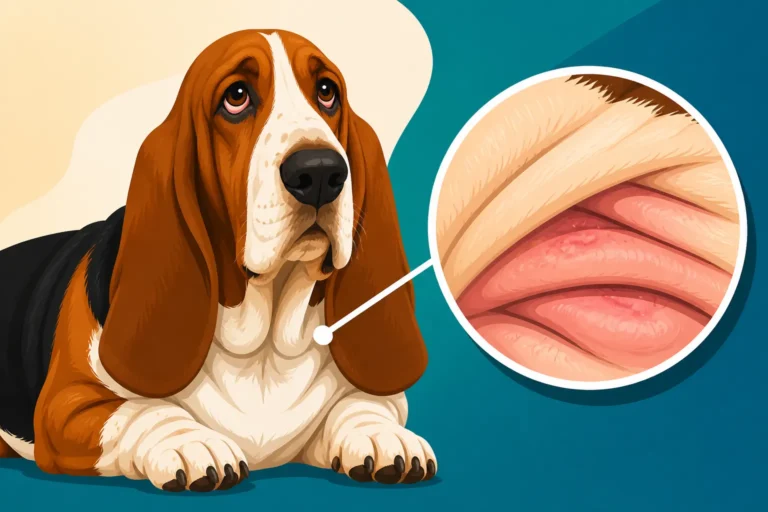
Beyond the ears, Bassets are prone to skin fold dermatitis in their numerous wrinkles and loose skin, especially around their face, neck, and dewlap. These folds can trap moisture and debris, becoming breeding grounds for infections. Regular cleaning and drying of these areas are essential to prevent discomfort and potential secondary issues. While not directly life-threatening, chronic pain and infection can significantly reduce a Basset’s quality of life and put stress on their immune system over time.
Weight Management and Its Profound Impact
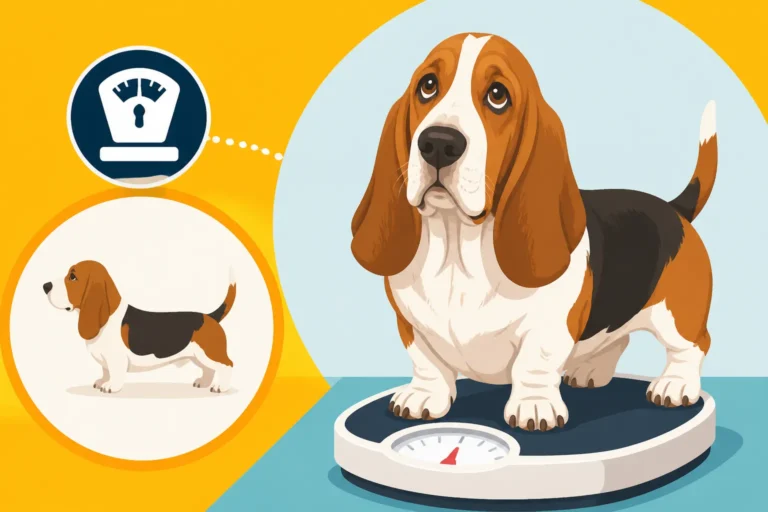
Perhaps one of the most overlooked yet critical factors in a Basset Hound's longevity is their weight. Bassets are notoriously food-motivated and can pack on pounds quickly if their intake isn't carefully managed and their exercise isn't sufficient. An overweight Basset is not just a "chonky" or "cuddly" Basset; it's a Basset at a significantly higher risk for a cascade of health problems that will absolutely shorten their life. You might wonder Whether an Overweight Basset Hound Lives Shorter, and the clear answer from veterinary science is yes.
Excess weight exacerbates joint and back problems, leading to earlier onset and more severe arthritis and IVDD. It also increases the risk of diabetes, heart disease, and puts additional strain on their respiratory system. It can even make it harder for them to recover from surgery. Discussing What Extra Weight Does to a Basset Hound is a common conversation between vets and Basset owners, highlighting how crucial a healthy weight is for their unique skeletal structure and overall health. Keeping a Basset Hound at their ideal weight isn't just about aesthetics; it's a profound act of love and preventative healthcare that will add years of comfort and mobility to their lives.
Genetic Predispositions and How They Play Out
Beyond the physical structure, Basset Hounds can inherit certain genetic conditions. One prominent example is glaucoma, a painful eye condition that can lead to blindness if not managed aggressively. Early screening by a responsible breeder, combined with regular veterinary eye checks, especially as your Basset ages, can help catch this condition early. The Glaucoma a Basset Hound Inherits is a serious concern, and understanding the signs, like a red, swollen, or cloudy eye, is vital for immediate treatment.
Another less common but serious genetic issue is Thrombopathia, a blood clotting disorder. While not all Bassets inherit it, responsible breeders screen for it. If your Basset Hound does have this condition, it means their platelets don't function properly, which can lead to excessive bleeding, particularly during surgery or after an injury. While this won't necessarily shorten a normal life, it requires careful management during medical procedures, emphasizing the importance of knowing your dog's full health history and genetic background. Understanding these genetic risks allows for proactive monitoring and early intervention, which can prevent them from significantly impacting your Basset's overall health and lifespan.
Proactive Steps to Help Your Basset Hound Live Longer and Healthier
While some factors are beyond our control, a significant portion of your Basset Hound's health and longevity rests in your hands. Embracing proactive care from puppyhood through their senior years can make a remarkable difference, not just in how long they live, but in how well they live. It’s about being a diligent, informed advocate for your furry family member.
The Power of Preventative Veterinary Care
Regular veterinary check-ups are the bedrock of preventative care. It’s not just about vaccinations; it's about your vet being able to spot subtle changes in your Basset's health that you might miss. Annual exams allow for thorough physical assessments, early detection of issues like dental disease, changes in heart or lung sounds, and monitoring weight and joint health. As Bassets age, these checks become even more critical, often moving to twice-yearly visits to catch age-related conditions like Arthritis in a Basset Hound at Seven or early signs of organ dysfunction.
Investing in pet insurance, from companies like Healthy Paws, can be a game-changer. While preventative care is a routine expense, unexpected illnesses or injuries can lead to staggering vet bills, sometimes forcing difficult decisions. Having coverage for accidents and illnesses means you can always prioritize your Basset's health without financial stress, which directly contributes to better outcomes and potentially a longer life. Healthy Paws, for example, helps cover those larger, unforeseen costs that can arise, giving you peace of mind.
Nutrition, Exercise, and Mental Stimulation
A balanced diet tailored to your Basset Hound’s age, activity level, and any specific health needs is paramount. Avoid overfeeding, as we’ve discussed the perils of obesity. High-quality dog food provides the necessary nutrients for strong bones, healthy organs, and a robust immune system. Discussing your Basset’s diet with your vet can help ensure they're getting exactly what they need, especially as they mature or if they need to lose some weight. Proper nutrition is a cornerstone of Keeping a Basset Hound at Its Correct Weight.
Despite their laid-back reputation, Basset Hounds do need regular, moderate exercise. Short, consistent walks are far better than infrequent, long, strenuous outings. Daily walks help maintain muscle tone, keep joints supple, and prevent boredom, which can lead to destructive behaviors. Be mindful of their back and joints; avoid excessive jumping or stairs. A ramp can be incredibly helpful for getting in and out of cars or onto furniture they're allowed on.
Don't forget mental stimulation! Bassets are intelligent scent hounds, and engaging their powerful noses is fantastic for their well-being. Scent games, puzzle toys, and even short training sessions can keep their minds sharp and happy. A mentally stimulated Basset is generally a happier, more well-adjusted dog, which contributes to overall health.
Recognizing Signs of Aging and Adapting Care
As your Basset Hound approaches their senior years (typically around 7-8 years old, although this can vary), their needs will change. Understanding The Signs a Basset Hound Is Getting Old is crucial for adapting their care. You might notice them slowing down, struggling to rise, or showing less interest in activities they once loved. These aren't just "getting old" symptoms; they can often be signs of pain, especially from arthritis.
Your vet can recommend specific senior diets, joint supplements, or pain management strategies to keep them comfortable. Orthopedic beds can provide relief for aching joints, and ensuring easy access to food, water, and outdoor potty breaks becomes more important. Helping an old Basset Hound onto the couch or into the car with a ramp or careful lifting prevents injuries that could severely impact their remaining years. The goal is to make their golden years as comfortable and joyful as possible, ensuring their quality of life remains high, even if their pace has slowed considerably. Remember, Healthy Paws can also be a valuable resource for covering the increased veterinary needs that often accompany senior pets.
Understanding Quality of Life in the Senior Basset Hound
It’s a tough but essential conversation to have: ensuring our Basset Hounds maintain a good quality of life, especially as they enter their twilight years. The goal isn't just to extend life at all costs, but to extend a life that is still rich, comfortable, and full of joy. This means being acutely aware of their physical and emotional well-being.
Embracing the Senior Years
Watching your once-boisterous Basset slow down can be heartbreaking. They might not chase squirrels with the same gusto, or perhaps they're having trouble with the stairs they once bounded up. But the senior years can be incredibly rewarding. These are the years of quiet companionship, gentle snuggles, and the deep, unwavering bond you've built over a lifetime. Focus on what they can still enjoy. Perhaps it's shorter, slower sniff-walks in the park, more time simply napping in a sunbeam, or puzzle toys that challenge their mind without stressing their body.
Many older Bassets, despite physical limitations, still possess a huge capacity for happiness. Providing them with comfortable, easily accessible resting spots, keeping their environment consistent, and continuing to engage them mentally through scent games can maintain their zest for life. A Basset who loves to eat, enjoys gentle petting, and still shows interest in their surroundings is generally a happy Basset, regardless of their age. You'll find yourself needing to help them out more, such as lifting The Old Basset Hound That Cannot Get Off the Floor, but these acts of service deepen the bond.
The Emotional Toll and End-of-Life Decisions
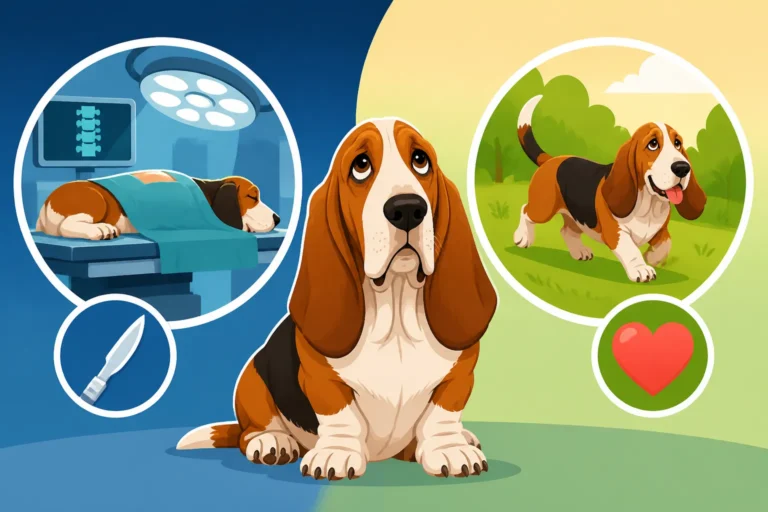
One of the hardest parts of pet ownership is facing the end of life. As your Basset Hound ages, there will come a point when difficult decisions might need to be made about their comfort and quality of life. This isn’t a moment to be faced alone. Your veterinarian, a compassionate and knowledgeable partner, can guide you through assessing your Basset’s comfort level, managing chronic pain, and understanding when the time might be right to say goodbye.
Factors to consider include persistent pain that can no longer be managed, loss of appetite, inability to get up or move without significant struggle, incontinence, and a general loss of interest in life. It's about weighing the good days against the bad days. No one wants to let go, but preventing prolonged suffering is the ultimate act of love and responsibility. This process is deeply personal and emotionally taxing, but focusing on ensuring your Basset Hound’s dignity and peace is paramount. Having a plan, and the support of your vet, helps make these agonizing decisions with compassion and clarity. Knowing your financial bases are covered, perhaps with the help of a pet insurance policy from a company like Healthy Paws, allows you to focus purely on your dog's needs during these sensitive times.
Disclaimer
This article is for general informational purposes only and does not constitute professional advice. Laws, prices and regulations vary by location and change over time. Consult a qualified professional for guidance on your specific situation.