What Actually Kills Most Basset Hounds
It's a question that weighs heavily on the hearts of every Basset Hound owner: what will eventually take our beloved, floppy-eared companions from us? We spend years adoring their goofy personalities, their soulful eyes, and their unwavering loyalty, only to face the harsh reality that their time with us is limited. This guide aims to shed some light on the most common causes of death in Basset Hounds, offering insights into what to look for and how you might extend their happy, healthy years.
The Unspoken Truth About Basset Hound Lifespan
Let's be real, Basset Hounds aren't known for being the most robust breed, despite their sturdy appearance. While they bring immense joy, they also come with a predisposition to certain health challenges that often dictate their ultimate lifespan. Knowing what these are isn't about dwelling on the negative; it's about being prepared, recognizing early signs, and working proactively with your vet to give your Basset the best possible quality of life for The Ten to Twelve Years a Basset Hound Lives. It's about understanding that sometimes, the very traits we adore – like their long backs and short legs – can contribute to their health struggles.
Understanding Average Lifespans and Health Realities
The general consensus is that Basset Hounds live, on average, between 10 to 12 years. Some will surprise us and sail past that, becoming truly ancient, while others, heartbreakingly, may not reach double digits. It's a cruel reality that purebred dogs, developed for specific traits over generations, often carry genetic baggage that impacts their health. Basset Hounds are no exception. They're prone to a unique set of issues that can unfortunately shorten their time or significantly impact their quality of life in their later years. It’s not just about getting old; it’s about how they get old, and what conditions tend to surface as they do.
The Impact of Lifestyle on Longevity
While genetics play a huge role, we as owners have a significant impact on our Basset Hound's health and, by extension, their longevity. Things like diet, exercise, and preventative care can make a monumental difference. For instance, What Extra Weight Does to a Basset Hound is a critical factor. An overweight Basset is at a much higher risk for exacerbated joint problems, heart disease, and even certain types of cancer. Regular vet check-ups, appropriate vaccinations, and diligent parasite control are also non-negotiable. It’s not just about fixing problems when they arise, but actively preventing them from taking root. These seemingly small daily choices accumulate over years to either bolster or diminish their health reserves.
Cancer: A Leading Threat to Basset Hounds
It's a word no pet owner ever wants to hear, but sadly, cancer is one of the most common causes of death in Basset Hounds, mirroring trends seen in many other dog breeds. As our dogs age, the risk of various cancers increases significantly. For Basset Hounds, several types seem to be more prevalent, and recognizing the subtle signs early can sometimes make a difference in prognosis and treatment options. It's a devastating diagnosis, and often, the battle is long and emotionally draining for both the dog and their family.
Common Cancers Affecting Basset Hounds
While Basset Hounds can develop any type of cancer, some types are reported more frequently. Lymphoma, for instance, which affects the lymphatic system, is a concern. Owners might notice swollen lymph nodes, often in the neck, armpits, or groin. Another common one is osteosarcoma, a painful bone cancer, particularly in their legs. Given their unique skeletal structure, any persistent lameness that isn't clearly explained by injury warrants immediate veterinary attention. Mast cell tumors, which can appear as skin lumps, are also unfortunately common. These can range from benign to highly aggressive, making prompt diagnosis crucial. It's a stark reminder to keep a close eye on any new lumps or bumps, no matter how small or seemingly insignificant, as detailed in Lumps Worth Checking on a Basset Hound.
Early Detection and Treatment Challenges
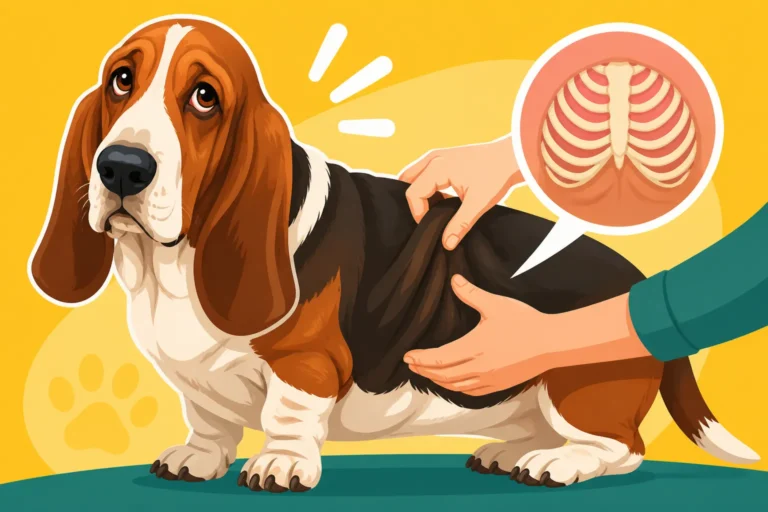
The insidious nature of cancer means it often goes unnoticed until it's advanced. Regular veterinary check-ups are paramount, as vets are trained to spot subtle changes or abnormalities during their physical examination. For instance, a veterinarian might notice a change in gut sounds or a mass during abdominal palpation that you wouldn't feel at home. Blood work and imaging (X-rays, ultrasounds) become increasingly important as a Basset Hound ages to catch internal issues before they become symptomatic. Treatment for canine cancer can range from surgery to remove tumors, to chemotherapy and radiation. These treatments can be incredibly costly and demanding, often requiring difficult decisions about quality of life versus aggressive intervention. This is where having pet insurance like Healthy Paws can truly alleviate some of the financial burden during such a trying time, allowing you to focus on your Basset's care rather than the overwhelming bills.
Cardiac Issues: A Silent Killer
Heart disease is another significant concern that tragically ends the lives of many Basset Hounds. Unlike some other breeds, they aren't necessarily known for specific congenital heart defects, but as they age, acquired heart conditions become more prevalent. These conditions can progress slowly, often showing very few outward signs until they reach a critical stage, making them a particularly silent and dangerous threat.
Types of Heart Disease in Older Basset Hounds
The most common cardiac issue seen in older Basset Hounds is often Dilated Cardiomyopathy (DCM) or valvular disease, particularly Mitral Valve Disease (MVD). With MVD, the mitral valve, which separates the upper and lower chambers on the left side of the heart, starts to degenerate and doesn't close properly, leading to a leakage of blood back into the atrium. This forces the heart to work harder, eventually leading to enlargement and potential heart failure. DCM involves the thinning and weakening of the heart muscle itself, making it less efficient at pumping blood. Both conditions can lead to congestive heart failure, where fluid builds up in the lungs or abdomen. Early symptoms are often subtle: a slight cough, reduced exercise tolerance, or an increase in respiratory rate, especially when resting.
Managing and Monitoring Heart Health
Regular veterinary check-ups that include listening to your Basset's heart are crucial for early detection. A veterinarian might pick up a heart murmur, which is the first indication of a potential issue. If a murmur is detected, further diagnostics like an echocardiogram (an ultrasound of the heart) and X-rays can help determine the severity and type of heart disease. While many heart conditions are progressive and ultimately incurable, medications can often help manage symptoms, slow progression, and improve a Basset Hound's quality of life for months or even years. These medications, combined with specialized diets, can be a daily commitment. Financial support from pet insurance, such as a plan from Healthy Paws, can be incredibly beneficial for these long-term management costs, ensuring your Basset gets the continuous care they need without you having to choose between their health and your wallet. Keeping a Basset Hound at its Keeping a Basset Hound at Its Correct Weight is also vital for heart health, as excess weight puts additional strain on the cardiovascular system.
Neurological and Musculoskeletal Decline
The very features that make Basset Hounds so distinctive – their long, low bodies and substantial bone structure – also predispose them to significant back and joint issues. These aren't just uncomfortable; severe cases can dramatically impact their quality of life and, unfortunately, lead to euthanasia as a humane option when pain becomes unmanageable or paralysis sets in. This category represents a common and heartbreaking reason owners make the difficult decision to say goodbye.
Intervertebral Disc Disease (IVDD) and Back Problems
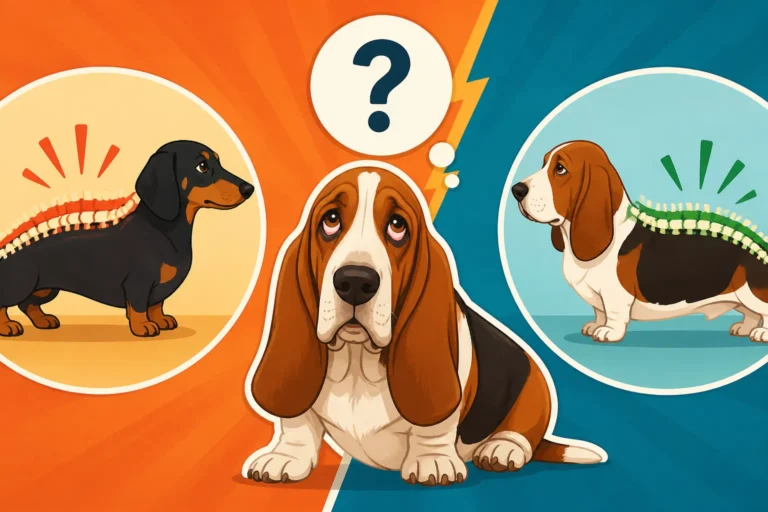
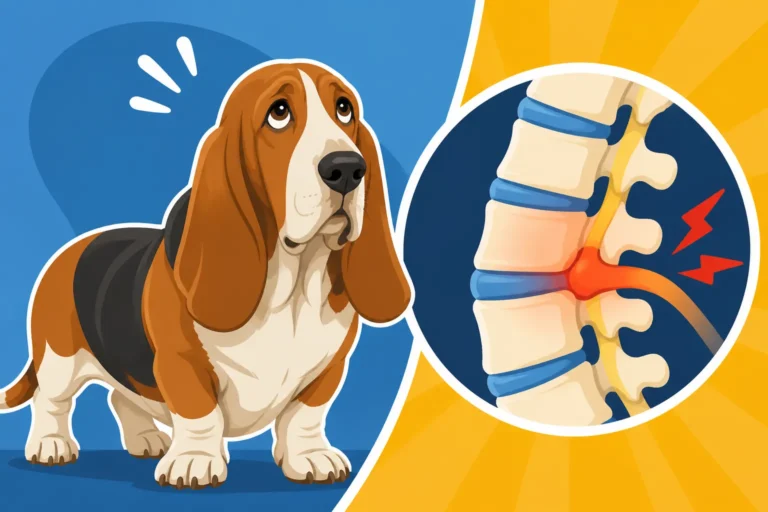
The Back Trouble a Basset Hound Is Built Into is a well-known vulnerability for the breed. Their elongated spine means the discs between their vertebrae are under constant stress. Intervertebral Disc Disease (IVDD) occurs when these discs degenerate and can rupture or herniate, pressing on the spinal cord. This can cause immense pain, weakness, and even paralysis in the back legs. Owners might notice their Basset Hound suddenly becoming reluctant to move, crying out in pain, dragging their back legs, or losing bladder and bowel control. Early intervention is key; strict crate rest, anti-inflammatory medications, and pain relief can help in milder cases, but severe herniations often require expensive emergency surgery. Understanding Intervertebral Disc Disease in a Basset Hound is vital for any owner. This is another area where the high costs of specialized veterinary care, including diagnostics like MRIs and complex surgeries, can be daunting. Pet insurance like Healthy Paws can be a lifesaver in these scenarios, covering a significant portion of these emergency expenses.
Progressive Mobility Issues and Arthritis
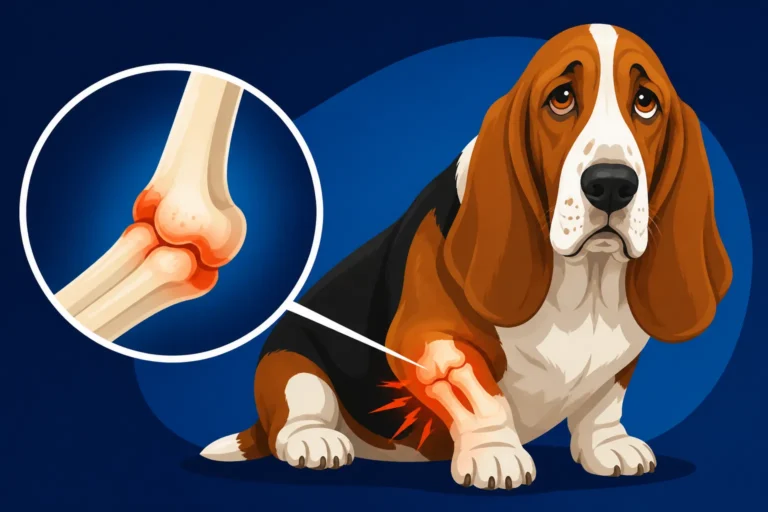
Beyond acute IVDD episodes, Basset Hounds are also highly susceptible to chronic Arthritis in a Basset Hound at Seven and other degenerative joint diseases. Their heavy bone structure and low-slung bodies put immense pressure on their joints, particularly in their elbows and hips. While arthritis itself usually isn't a direct cause of death, the chronic pain and severe loss of mobility it causes can severely diminish a Basset Hound's quality of life. An older Basset Hound struggling to get up, unable to enjoy walks, or constantly in discomfort might signal that their time is nearing. The Old Basset Hound That Cannot Get Off the Floor is a heart-wrenching sight and often indicates advanced stages of these issues. Management involves pain medication, joint supplements, physical therapy, and environmental modifications like ramps and orthopedic beds. Sadly, there comes a point for many where the combination of pain, immobility, and loss of bodily functions becomes too much for them to bear, and owners face the agonizing decision of Knowing When an Old Basset Hound Has Had Enough.
Other Significant Health Concerns and Age-Related Decline
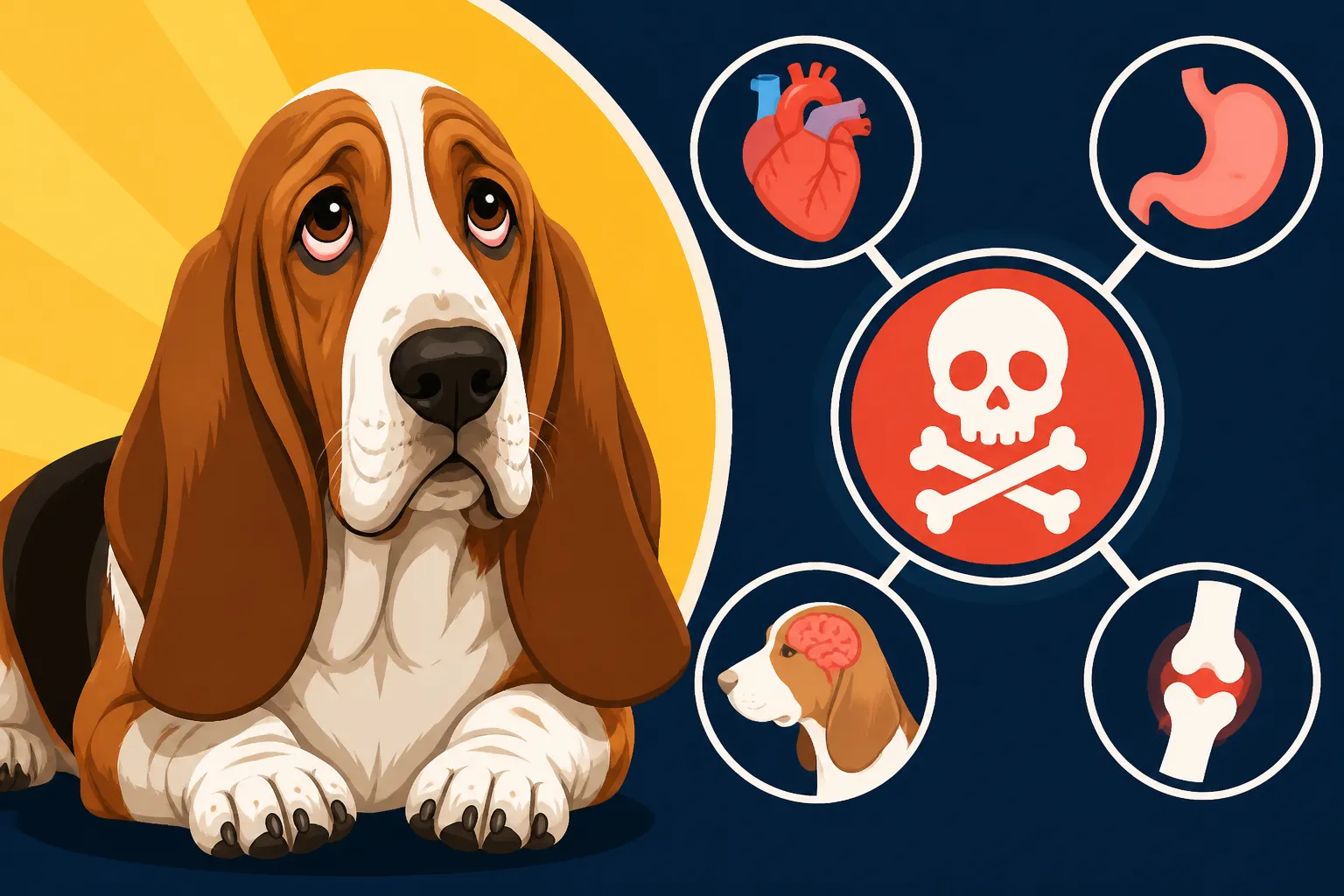
While cancer, heart disease, and back problems are major players, Basset Hounds, like all dogs, can succumb to a variety of other health conditions, especially as they enter their senior years. Often, it's a combination of ailments that leads to a decline in their overall health, making the decision to part ways even more complex.
Organ Failure and Metabolic Diseases
As Basset Hounds age, their internal organs naturally begin to wear down. Kidney failure and liver disease are common age-related conditions that can lead to a slow decline. Symptoms might include increased thirst, changes in urination, lethargy, vomiting, and loss of appetite. Metabolic diseases such as Signs a Basset Hound's Thyroid Has Failed (hypothyroidism) are also fairly common in the breed and, while often manageable with medication, can contribute to overall weakness and susceptibility to other issues if left untreated. These conditions require ongoing veterinary care, specific dietary management, and medication regimens, all of which contribute to the long-term cost of care. Understanding What a Basset Hound Costs a Year to Keep often means budgeting for these chronic conditions.
Acute Incidents and Quality of Life Decisions
While less frequent as a primary cause of death in older, well-cared-for Basset Hounds, acute incidents such as severe bloat (Gastric Dilatation-Volvulus, or GDV), although not as common as in deep-chested breeds, can still occur and are life-threatening emergencies requiring immediate surgery. Trauma from accidents, especially if a Basset's scent-driven nature leads them into dangerous situations, can also be fatal. However, for many Basset Hounds, the end often comes not from one catastrophic event but from a cumulative decline in their overall health and well-being. When multiple conditions combine – severe arthritis making movement impossible, alongside failing kidneys and a deteriorating heart – the quality of life can diminish to a point where continued existence becomes a burden rather than a joy. This is when pet owners, in consultation with their veterinarian, must make the incredibly difficult decision of euthanasia. This compassionate choice is made to prevent suffering and ensure their beloved companion's final moments are peaceful. The cost of emergency surgeries, like those for bloat, can be staggering, sometimes reaching into the thousands of dollars, highlighting the value of financial planning or pet insurance like Healthy Paws, which can cover What a Basset Hound's Emergency Surgeries Cost.
What to Expect and How to Prepare
It's never easy to think about losing our Basset Hounds, but understanding the common causes of death allows us to be proactive guardians of their health. The key takeaway is vigilance, regular veterinary care, and an unwavering commitment to their well-being throughout their lives.
| Cause of Death | Typical Onset/Progression | Key Signs to Watch For | Preventative/Mitigation Strategies |
|---|---|---|---|
| Cancer | Older age (6+ years) | Lumps, weight loss, lethargy, lameness, changes in appetite | Regular vet check-ups, prompt lump checks, healthy weight, balanced diet |
| Cardiac Disease | Middle to older age (7+ years) | Coughing, reduced exercise tolerance, increased breathing rate, lethargy | Regular vet check-ups (listen for murmurs), healthy weight, appropriate diet |
| Neurological (IVDD) | Any age (2+ years), common in middle age | Sudden pain, reluctance to move, weakness/paralysis in legs, incontinence | Maintain healthy weight, prevent jumping/stairs, proper lifting techniques, harnesses |
| Musculoskeletal | Middle to older age (5+ years) | Lameness, stiffness, difficulty rising/moving, reluctance to play | Healthy weight, joint supplements, ramps, orthopedic beds, pain management |
| Organ Failure | Older age (8+ years) | Increased thirst/urination, vomiting, lethargy, appetite changes | Regular vet blood work, appropriate diet, managing underlying conditions |
This table isn't meant to cause anxiety, but rather to serve as a quick reference for understanding the health landscape your Basset Hound might face.
Being a Basset Hound owner is a journey filled with love, laughter, and sometimes, worry. While we can't prevent every illness or accident, we can significantly influence their quality of life and potentially extend their time with us by being informed, proactive, and compassionate. Investing in regular veterinary care, considering pet insurance, and making healthy lifestyle choices for your Basset are the greatest gifts you can give them.
Disclaimer
The information provided in this article is for general informational purposes only and does not constitute veterinary advice. Always consult with a qualified veterinarian for any health concerns or before making any decisions related to your Basset Hound's medical care.