Whether an Old Basset Hound Struggles to Stand
It’s heartbreaking to watch your beloved Basset Hound slow down as they age, especially when you notice them struggling with simple movements, like just trying to stand up after a nap. That feeling of helplessness, seeing them push and strain, trying to get those long, low bodies moving, is something many of us Basset parents experience. This guide aims to shed light on why this happens and what you can do to help your cherished companion maintain their comfort and mobility for as long as possible.
Understanding the Challenges of Mobility in Senior Basset Hounds
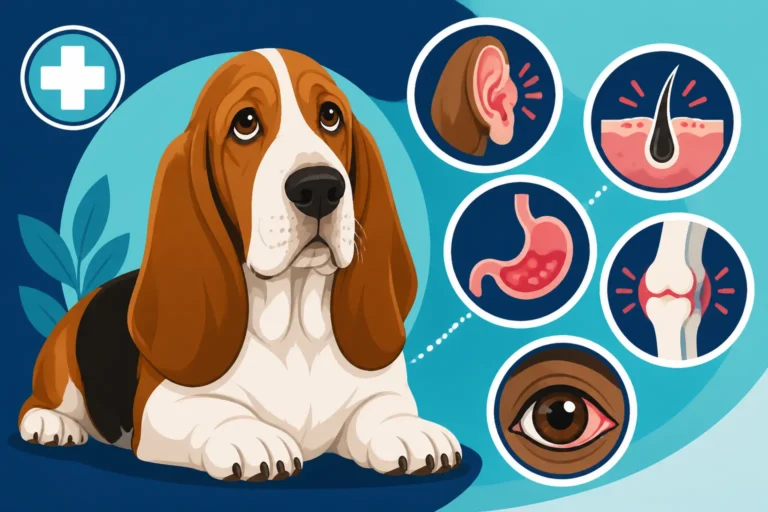
As our Basset Hounds enter their golden years, their bodies, just like ours, start to show the wear and tear of a lifetime. It’s not just about getting a little stiff; there are often underlying physical changes that make standing a genuine struggle. The unique anatomy of a Basset Hound, with its long back and short, heavy-boned legs, can unfortunately predispose them to certain issues that become more pronounced with age.
The Inevitable Effects of Aging on Joints and Muscles
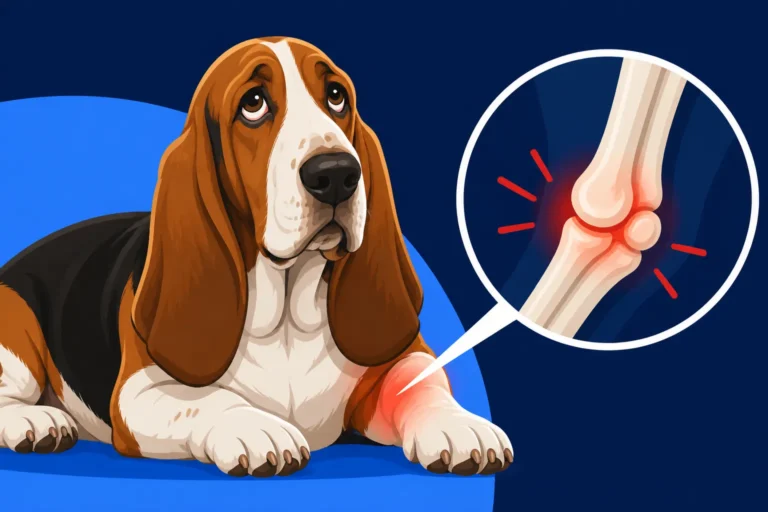
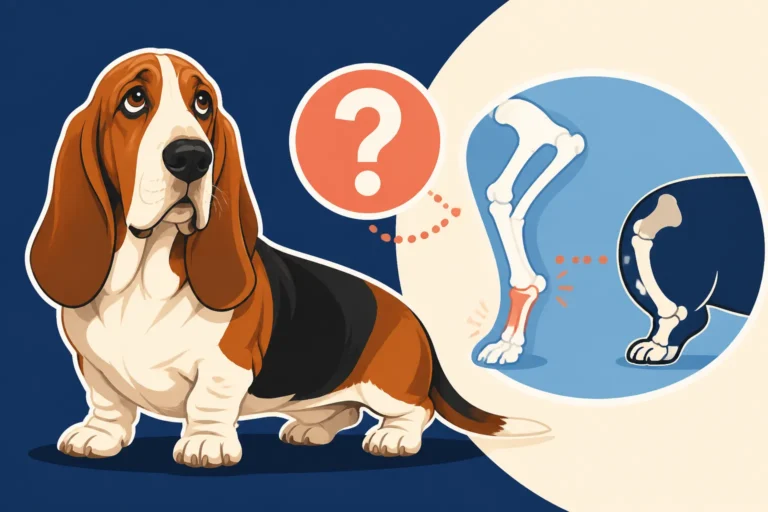
One of the most common and often unspoken realities of aging is the gradual degradation of cartilage in the joints. This protective cushion, which allows bones to glide smoothly against each other, thins out over time, leading to bone-on-bone friction and discomfort. Think about how your own knees might creak or ache after a long day – it's a similar process for our furry friends. This natural wear and tear, often referred to as osteoarthritis or degenerative joint disease, can affect any joint but is particularly prevalent in the hips, elbows, and spine of a Basset Hound. The pain and inflammation that result make the act of pushing up from a lying position incredibly difficult and often painful.
Beyond the joints, muscle atrophy is another significant factor. As Basset Hounds become less active due to discomfort or simply advancing age, their muscle mass naturally decreases. Muscles are crucial for supporting joints and providing the strength needed for movement. When these muscles weaken, the joints receive less support, increasing instability and making it harder to coordinate the effort required to stand. It's a vicious cycle: pain leads to less movement, which leads to weaker muscles, which then exacerbates the difficulty in moving and standing. This can be especially noticeable in their hindquarters, making it a monumental task for them to hoist themselves up.
Common Orthopedic Issues Compounding Mobility Problems
While aging is a natural process, certain breed-specific or genetic conditions can severely compound mobility challenges in senior Basset Hounds. Arthritis is almost a given for many older Bassets, often starting earlier than you’d expect due to their unique conformation. Arthritis in a Basset Hound at Seven is not uncommon. The excessive weight Bassets carry on their short legs puts immense pressure on their joints, accelerating the development of conditions like hip and elbow dysplasia, even if they weren't severely affected in their younger years. These conditions cause abnormal development of the joint, leading to chronic pain and reduced range of motion, making the simple act of extending limbs to stand a painful ordeal.
Another major concern for Basset Hounds is Intervertebral Disc Disease in a Basset Hound (IVDD). Their elongated spines are particularly vulnerable to disc herniation, where the cushioning discs between the vertebrae bulge or rupture, pressing on the spinal cord. This can cause severe pain, weakness, and even paralysis in the hind legs, making standing impossible without assistance. Even a mild disc bulge can cause significant discomfort and instability. You might notice your Basset taking short, tentative steps, or perhaps they suddenly cry out when trying to move, indicating potential spinal pain. Understanding The Back Trouble a Basset Hound Is Built Into is key to recognizing these issues early.
Recognizing the Signs and Symptoms of Struggling to Stand
Observing your Basset Hound carefully can provide crucial clues that they are beginning to struggle with mobility. Sometimes, the signs are subtle, easily dismissed as just "getting old." Other times, they are glaringly obvious, demanding immediate attention. Learning to distinguish between the two can help you intervene early and provide the necessary support.
Subtle Indicators You Might Miss
It's easy to overlook the early signs because they often manifest as changes in behavior rather than overt lameness. You might notice your Basset Hound hesitating before jumping onto the couch (even if they weren't supposed to be there anyway!) or taking a moment longer to settle into a comfortable position. They might start avoiding stairs or ramps they once navigated with ease. A previously enthusiastic walker might suddenly be less keen on their usual stroll, or slow down significantly during walks. Whether an Old Basset Hound Still Needs Walks is a common question, and while the answer is yes, the intensity and duration might need adjustment.
Pay close attention to changes in their posture when resting or standing. Are they shifting their weight more? Do they seem stiffer when they first get up, but then "warm out of it" after a few minutes? Are their hips swaying more than usual when they walk? You might also notice a decrease in their energy levels or a reluctance to engage in play activities they once loved. Even subtle changes in their gait, like a slight drag of their paws or a less fluid movement, can indicate underlying discomfort. It’s about knowing your dog’s baseline and noticing when something is just a little "off."
Overt Struggles and Emergency Situations
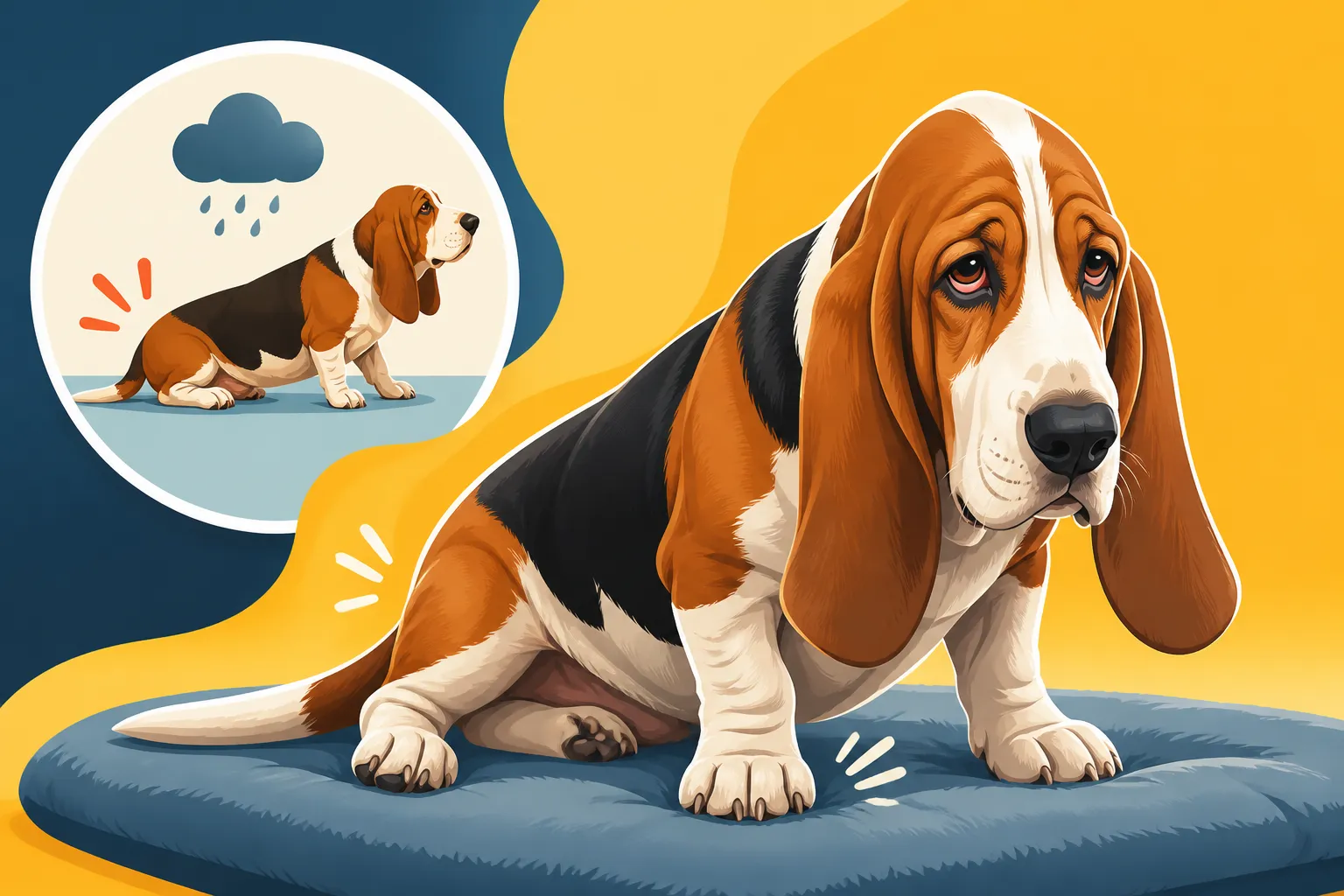
When the struggle becomes overt, there's usually no mistaking it. Your Basset Hound might visibly strain, grunt, or cry out when attempting to rise. They might try to stand multiple times, only to collapse back down, or perhaps their hind legs give out from under them. In severe cases, they might be unable to get off the floor at all, a truly distressing situation for both dog and owner, often referred to as The Old Basset Hound That Cannot Get Off the Floor. This can happen suddenly, especially with an acute spinal injury from IVDD, or gradually as arthritis worsens.
Other urgent signs include sudden lameness, dragging of one or both hind legs, loss of balance, or vocalizing in pain when touched or moved. If you observe any signs of severe pain, paralysis, or complete inability to stand, it is imperative to contact your veterinarian immediately. These could indicate a medical emergency like a severe disc herniation, which requires prompt diagnosis and treatment to prevent permanent damage. Sometimes, these situations can incur significant unexpected costs, highlighting the value of pet insurance from providers like Healthy Paws, which can help cover emergency treatments.
Practical Strategies and Support for Your Senior Basset Hound
Helping your senior Basset Hound cope with mobility challenges involves a multi-faceted approach, combining environmental adjustments, dietary support, and crucial veterinary care. The goal is to minimize discomfort, maximize independence, and ensure a good quality of life.
Modifying Your Home Environment for Easier Movement
Making your home senior-Basset-friendly is one of the most impactful things you can do. Start by minimizing slippery surfaces. Hardwood floors and tiles, while beautiful, can be treacherous for a dog with weak legs or compromised balance. Lay down non-slip rugs or runners in high-traffic areas and wherever your Basset rests. This provides traction and prevents slips and falls, which can easily exacerbate existing joint issues or cause new injuries.
Consider investing in ramps or steps. These are game-changers for Basset Hounds who struggle with furniture or cars. Whether a Basset Hound Should Use a Ramp is almost always a resounding yes as they age, especially for accessing beds, sofas, or getting into and out of vehicles. Even a small step up can become an impossible hurdle for a senior Basset. Orthopedic beds are also essential, providing cushioned support for aching joints and pressure points. Place several around the house in their favorite napping spots, ensuring they have easy-to-access, comfortable places to rest. Remember, their long bodies need ample support. Raised food and water bowls can also alleviate strain on their neck and back, making mealtime more comfortable.
Nutritional and Supplement Support
Managing your Basset Hound's weight is paramount. Even a few extra pounds can put tremendous strain on already compromised joints, accelerating degeneration and increasing pain. Talk to your vet about the ideal weight for your Basset and a suitable senior or weight-management diet. Keeping a Basset Hound at Its Correct Weight can add years of comfortable mobility to their life. Many senior dog foods are formulated with fewer calories and added joint support nutrients.
Beyond diet, joint supplements can play a significant role. Look for supplements containing glucosamine, chondroitin, MSM, and omega-3 fatty acids (like fish oil). These ingredients help support cartilage health, reduce inflammation, and improve joint lubrication. Brands like VetriScience, Cosequin, or Dasuquin are often recommended by veterinarians. While supplements aren't a magic cure, they can significantly improve comfort and slow the progression of joint disease. Always consult your veterinarian before starting any new supplements to ensure they are appropriate for your dog and won't interact with any existing medications.
Veterinary Care and Medical Interventions
Regular veterinary check-ups are more important than ever for a senior Basset Hound. Your vet can accurately diagnose the cause of mobility issues, whether it's arthritis, IVDD, or another condition, and develop a tailored treatment plan. Pain management is often a cornerstone of care for senior dogs. This can include non-steroidal anti-inflammatory drugs (NSAIDs) to reduce pain and inflammation, or other medications like gabapentin for neuropathic pain. It's vital to follow your vet's instructions carefully, as dosages and monitoring are crucial.
Beyond medication, various therapies can offer immense relief. Physical therapy, including therapeutic exercises, massage, and stretching, can help strengthen supporting muscles and improve flexibility. Hydrotherapy (underwater treadmill or swimming) is particularly beneficial because it allows for exercise with minimal impact on joints. Acupuncture and cold laser therapy are also gaining popularity for their pain-relrelieving and anti-inflammatory effects. In some severe cases of IVDD or other orthopedic issues, surgery might be an option, but this is typically a last resort and should be discussed thoroughly with your vet. Having pet insurance, like a comprehensive plan from Healthy Paws, can be incredibly helpful in offsetting the costs of long-term medications, specialized therapies, or unexpected surgeries. Insuring a Basset Hound Against Eyes, Ears and Backs is a smart financial decision for any Basset owner.
Maintaining Quality of Life and Emotional Well-being
It's not just about physical interventions; maintaining your senior Basset Hound's mental and emotional well-being is equally important. A happy, engaged dog is a dog that will try harder to stay mobile and enjoy their golden years.
Gentle Exercise and Mental Stimulation
While vigorous exercise might be a thing of the past, gentle, consistent activity is crucial. Short, frequent walks on soft surfaces can help maintain muscle tone, joint flexibility, and circulation without overexertion. Think of it as "use it or lose it" for their joints. Even a 10-15 minute sniff-walk in the yard can do wonders for their spirits and bodies. Remember, Exercise for an Old Basset Hound still matters. If walks become too challenging, consider alternative activities that stimulate their powerful noses, which Basset Hounds absolutely adore.
Scent games, puzzle toys, and snuffle mats can provide excellent mental stimulation and satisfy their innate drive to sniff, all from the comfort of your home. Hiding treats around the house or in interactive toys keeps their minds sharp and engaged, which is just as important as keeping their bodies moving. These activities can prevent boredom and depression, which can sometimes manifest as reluctance to move. Even a few minutes a day of focused "nose work" can be incredibly tiring and satisfying for them.
The Importance of Comfort and Routine
Consistency in routine provides comfort and security for senior dogs. Knowing when to expect meals, walks, and cuddle time can reduce anxiety and contribute to overall well-being. Ensure they have several easily accessible, warm, and soft resting spots throughout the house. Basset Hounds love to be near their people, so these spots should ideally be close to where the family gathers. For older dogs, it can also be a challenge for them to reach their favorite sleeping spots, so Helping an Old Basset Hound Onto the Couch might involve providing steps or a ramp.
Most importantly, continue to shower your senior Basset Hound with love and attention. Daily grooming, gentle massages, and quiet cuddle sessions reinforce your bond and allow you to check for any new lumps, bumps, or tender spots. Your reassurance and presence mean the world to them, especially as they face the challenges of aging. Keep their environment predictable and safe, offering encouragement and patience when they struggle. Your empathy and understanding can significantly enhance their quality of life, allowing them to enjoy their senior years with dignity and comfort.
Common Mobility Challenges and Solutions for Senior Basset Hounds
Here's a quick overview of some common issues and how you might address them for your aging Basset Hound:
| Challenge | Description | Common Solutions |
|---|---|---|
| Difficulty Rising/Standing | Straining, falling, or inability to push up from a lying position. | Ramps, orthopedic beds, non-slip rugs, physical therapy, pain medication. |
| Stiffness After Rest | Takes time to "warm up" after sleeping or prolonged rest. | Joint supplements, gentle exercise, warm bedding, NSAIDs (prescribed). |
| Slipping on Floors | Loss of traction on hard surfaces, leading to falls. | Non-slip rugs/runners, toe grips, ensuring nails are trimmed, booties for traction. |
| Avoiding Stairs/Jumping | Hesitation or refusal to use stairs, jump on furniture, or enter car. | Ramps, pet stairs, lifting assistance (using a harness), block access to stairs. |
| Decreased Activity/Enthusiasm | Less interested in walks, play, or daily routines. | Gentle, short walks, mental stimulation (scent games), pain management review. |
| Limping/Lameness | Visible favoring of a limb, or dragging a paw. | Immediate vet check-up, X-rays, medication, potential surgery (e.g., for Elbow Dysplasia in a Basset Hound). |
| Back Pain/Weakness | Crying out when moving, hunched posture, wobbly hindquarters. | Vet assessment for IVDD, crate rest, pain medication, physical therapy, possible surgery. |
| Weight Management | Overweight status exacerbating joint pain. | Vet-prescribed diet, controlled portions, low-impact exercise. |
Disclaimer
The information provided in this article is for general informational purposes only and is not a substitute for professional veterinary advice. Always consult with a qualified veterinarian regarding your Basset Hound's health, diagnosis, and treatment options, especially if they are exhibiting signs of pain or struggling with mobility.