Giving a Basset Hound’s Nose Something to Do
If you're living with a Basset Hound, you've no doubt experienced that moment when their nose hits the ground, and suddenly, you're invisible. It's a common, often frustrating, reality for us Basset owners – their world is a symphony of scents, and everything else often fades into the background. This guide is all about embracing that incredible olfactory power and channeling it into fulfilling, enriching activities that will make both you and your Basset happier, more engaged companions.
Understanding the Basset Hound's Superpower Nose
Let's be real, a Basset Hound's nose isn't just "good," it's a finely tuned, highly specialized instrument designed for one thing: scent work. For centuries, these dogs were bred to follow a cold trail for hours, their entire physiology optimized for this task. Expecting them not to use it is like asking a fish not to swim. It's simply who they are at their core.
The Anatomy of a Scent Machine
When you look at a Basset Hound, you're essentially looking at a walking, sniffing marvel. Their long, pendulous ears aren't just for show; they actually sweep scents from the ground towards their nose, concentrating the odor. Think of them as natural scent funnels. Then there's their loose skin, particularly the prominent dewlap and facial wrinkles. These folds trap scent particles, holding them closer to the nose and creating a miniature eddy current that enhances their ability to detect and differentiate smells. Their long, heavy body keeps them low to the ground, perfectly positioned to track.
Beyond the visible attributes, it's what's inside that truly counts. A Basset Hound's nasal cavity is packed with an extraordinary number of olfactory receptors – far more than humans possess. This allows them to detect even the faintest of odors and to discern individual components within complex scent profiles. It's not just about smelling something, it's about dissecting that smell, understanding its direction, age, and what animal produced it. It's truly incredible to witness once you understand the mechanics at play. We often marvel at How Good a Basset Hound's Nose Actually Is, and it’s truly a marvel.
Why Scent Dominates Their World
For a Basset Hound, scent isn't just a sense; it's their primary way of understanding the world. Imagine navigating your daily life primarily through smell. That's a Basset Hound's reality. While we might rely on sight and sound, they are processing an endless stream of olfactory information. This profound connection to scent means that when they pick up an interesting trail, it's not a choice to follow it; it's an instinctual, almost irresistible pull.
This can be incredibly frustrating for owners. You call their name, they don't even twitch an ear. You tug the leash, and they're anchored to the spot, nose glued to the ground, completely absorbed. It's not defiance, at least not in the human sense. It's simply their brain prioritizing the most vital information to them: the story the scent is telling. Understanding this helps us shift from seeing it as a behavioral problem to recognizing it as an inherent, powerful drive that needs an outlet. Trying to suppress it entirely is often a losing battle and can lead to a very unhappy hound.
The Risks of an Unoccupied Nose
When a Basset Hound's extraordinary sniffing capabilities aren't given a productive outlet, problems often arise. It's like having a brilliant scientist with no lab or experiments to work on – they're going to get bored, frustrated, and might just start taking things apart.
Behavioral Frustrations for Owners
An under-stimulated Basset Hound can quickly develop behaviors that are, shall we say, less than charming. Digging in the yard? That's often a frustrated scent hound trying to unearth a fascinating odor or create a cool spot to lie and really focus on the smells underground. Excessive barking or howling indoors, especially when you're not around, can be a sign of boredom and a lack of mental engagement. For a breed known for its distinctive voice, this can lead to friction with neighbors, as discussed in Whether a Basset Hound Gets Its Owner a Noise Complaint.
Then there's the counter-surfing and garbage raiding. While some of this is undoubtedly driven by their love of food, a significant part of it can be traced back to their powerful noses detecting tantalizing aromas. If they're not getting enough appropriate scent work, they'll find their own "puzzles" to solve, and those often involve human food sources. And let's not forget the sheer joy of a Basset Hound on a walk who suddenly becomes a freight train, pulling relentlessly because their nose has found something utterly irresistible. Why a Basset Hound Ignores You on a Scent is a constant challenge for many owners, and it truly is due to that innate drive.
Mental Boredom and Its Consequences
Just like humans, dogs need mental exercise as much as physical. For a Basset Hound, whose brain is hardwired for scent processing, a lack of mental stimulation can be profoundly detrimental. This isn't just about destructive behaviors; it can manifest as anxiety, lethargy, or even a general disinterest in interaction. A bored Basset Hound might seem lazy, but often, it's a sign of a dog whose mind isn't being challenged.
Mental boredom can also exacerbate other issues. A dog that is constantly bored might be more prone to developing separation anxiety, as they don't have coping mechanisms or outlets for their energy when left alone. Destructive chewing, beyond just investigating interesting smells, can become a habit born purely of frustration. Instead of a happy, engaged hound, you end up with a dog that is restless, perhaps even a bit depressed, and constantly searching for something to do – which, given their nature, usually involves sniffing out trouble. Providing appropriate scent activities is crucial for their overall well-being and happiness. Whether a Basset Hound Destroys Anything When Bored often comes down to this very issue.
Everyday Opportunities for Scent Work
You don't need a fancy certification or expensive equipment to start engaging your Basset Hound's nose. Some of the most effective scent work can be integrated directly into your daily routine, transforming mundane moments into exciting mental challenges for your dog.
Incorporating Nose Games into Daily Life
One of the simplest and most effective ways to engage your Basset's nose is to make mealtime a game. Instead of simply putting a bowl down, scatter their kibble across a clean floor or hide portions in various spots around a room. This forces them to use their nose to "hunt" for their food, turning eating into an enriching activity. For an even greater challenge, try using a snuffle mat. These fabric mats, often available on Amazon, have various nooks and crannies where you can hide dry food or treats. Your Basset will spend a surprising amount of time pushing, nudging, and sniffing to find every last crumb.
Another fantastic indoor game is "find the treat" or "find the toy." Start easy, letting them see you hide a high-value treat or their favorite squeaky toy under a blanket or behind a chair. As they get the hang of it, increase the difficulty by hiding it in another room, behind a closed door, or under a pile of laundry. Praise and reward them enthusiastically when they succeed. This not only engages their nose but also builds confidence and strengthens your bond. Remember that What Actually Motivates a Basset Hound is often food, making these games highly effective!
Making Walks More Engaging
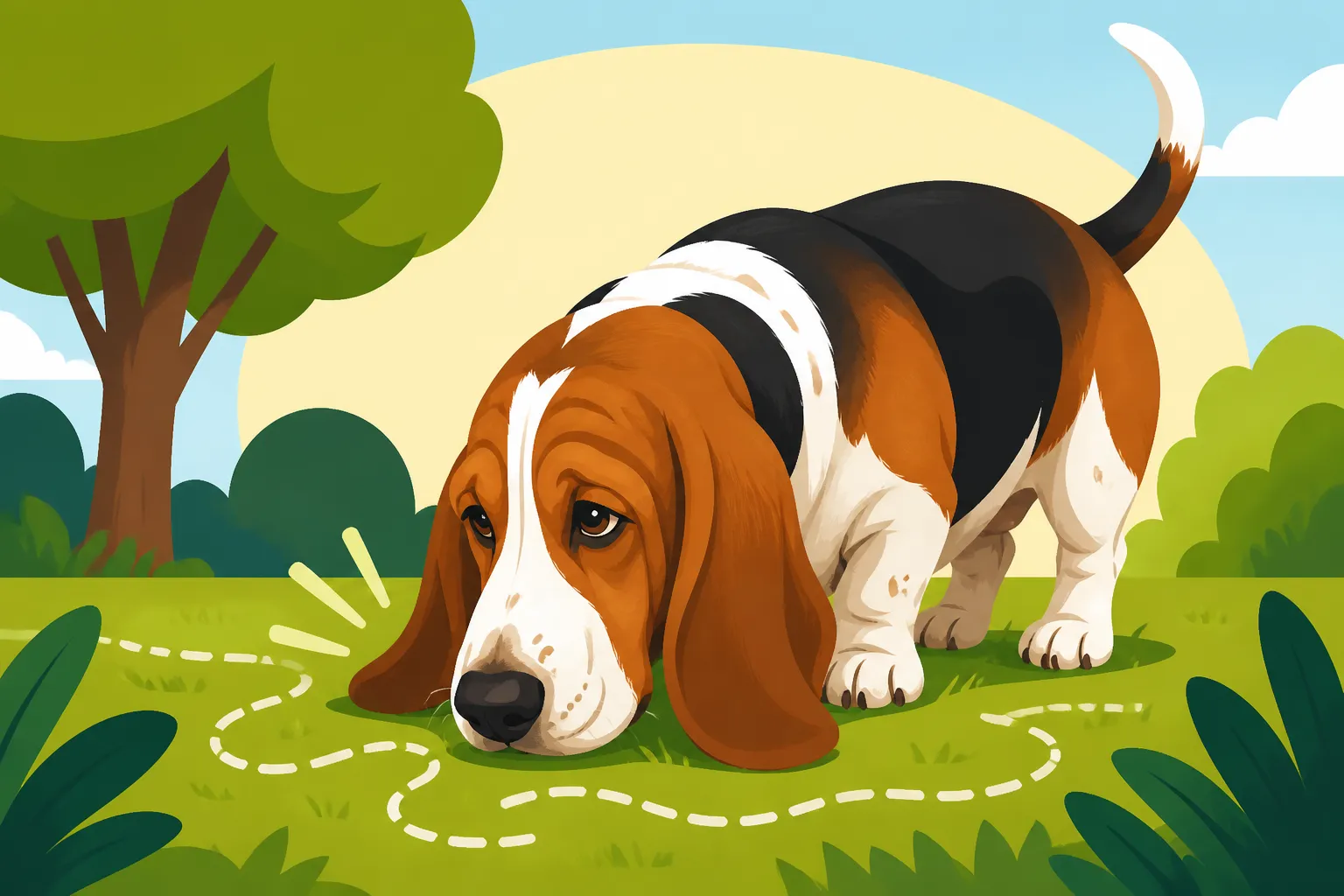
Traditional walks, where you rush from point A to point B, often leave a Basset Hound feeling unfulfilled. They want to read the world with their nose, not just trot past it. Embrace the "sniffari." Dedicate a portion of your walk to allowing your Basset to stop and sniff to their heart's content. Let them investigate that interesting patch of grass, that lamppost, or the spot where another dog lingered. These aren't just potty breaks; they're vital information-gathering sessions for your dog.
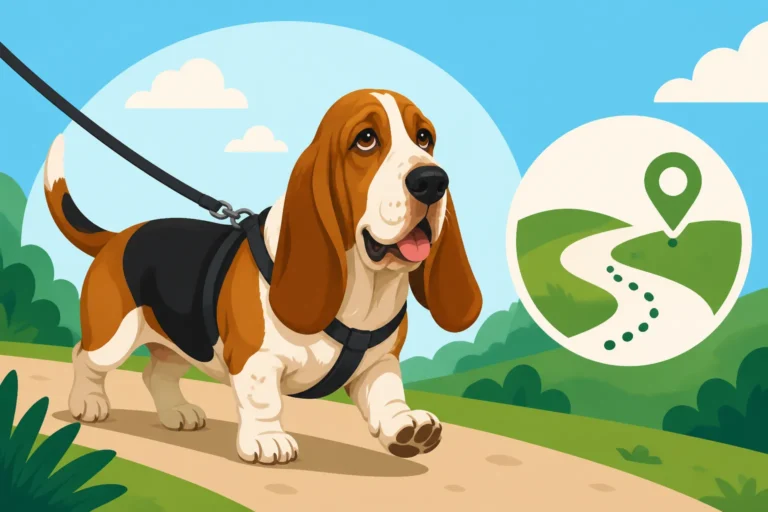
Vary your walking routes regularly to introduce new scents and environments. Explore parks, quiet residential streets, or even different neighborhoods. Each new location offers a fresh olfactory landscape to explore. Consider using a long line in a safe, open area, like a park, if appropriate for your area and local regulations. This allows them to explore a wider radius of scent without being fully off-leash, which is generally not recommended for a Basset Hound due to their strong prey drive and tendency to follow a scent into danger. Whether a Basset Hound Should Ever Be Off Leash is a critical consideration due to their focused scenting. A GPS tracker, like those often found on Amazon, can also provide peace of mind if you're exploring larger, less confined areas.
Formal Scent Work and Training Options
While everyday nose games are fantastic, delving into formal scent work can take your Basset Hound's mental stimulation to a whole new level. These structured activities not only tap into their natural abilities but can also be incredibly rewarding for both of you, offering a different kind of challenge and a sense of accomplishment.
Introduction to Scent Work Classes
Scent work classes, sometimes called "nose work" or "detection work," are designed to teach dogs to identify specific target odors, much like police or military detection dogs. The beauty of these classes is that they are accessible to dogs of all breeds, ages, and temperaments, and Basset Hounds excel at them. You don't need a highly athletic dog; you need a dog with a good nose – which, let's face it, is every Basset Hound!
In a typical class, your dog will learn to recognize and indicate a specific essential oil (like birch, anise, or clove) in various environments. Starting with simple searches in containers, you'll gradually progress to more complex scenarios, like room searches, exterior searches, and vehicle searches. The focus is on letting the dog lead, reading their subtle cues, and rewarding their natural sniffing behavior. Many dogs who struggle with traditional obedience thrive in scent work because it aligns so perfectly with their inherent drives. It's a fantastic way to bond with your Basset and watch them truly light up as they "work." You might be surprised to see Whether a Basset Hound Takes to Scent Work with such enthusiasm.
Specific Scent Sports for Basset Hounds
Beyond general scent work classes, there are specific dog sports tailored to a Basset Hound's unique talents:
-
Tracking: This sport involves following a human's scent trail over varying terrain and through different environments. It's the most natural fit for a Basset, directly utilizing their ancestral hunting instincts. Tracking can be quite physically demanding for the human, but it allows the Basset to truly immerse themselves in a long, complex scent puzzle. There are different levels and titles available, offering a progressive challenge.
-
Nose Work (NACSW sanctioned): This is one of the most popular and accessible scent sports. Dogs learn to detect specific odors and indicate their location. It's often taught in a way that builds a dog's confidence and problem-solving skills, requiring them to search in novel environments. For a Basset Hound, who might not be the fastest or most agile dog, Nose Work provides an equal playing field where their exceptional nose is the ultimate advantage. The calm, focused nature of the work is also a wonderful mental workout. We've seen how much Whether Nose Work Tires a Basset Hound Out can truly engage their minds.
-
Barn Hunt: While not purely a scent tracking sport, Barn Hunt taps into a Basset Hound's prey drive and scenting abilities. Dogs are tasked with finding rats (safely enclosed in aerated tubes) hidden in a maze of straw bales. It's a high-energy, exciting sport that many Basset Hounds absolutely adore because it allows them to use their nose and instinct to "hunt" in a safe and controlled environment. The visual element of the straw and the enclosed rat adds to the excitement for them.
These structured activities offer a wonderful way to channel your Basset's innate talents, provide immense mental stimulation, and often result in a much calmer, happier dog at home.
Tools and Resources to Support Scent Activities
Getting started with scent work, whether informal games or formal training, can be made easier with the right tools and guidance. You don't need to break the bank, but investing in a few key items and knowing where to turn for advice can make a big difference.
Essential Gear for Nose Games
When you're first introducing your Basset Hound to nose games, a few simple items can be incredibly helpful:
- Snuffle Mats: As mentioned before, these are fantastic for slowing down meal times and providing a simple scent puzzle. They're soft, washable, and easy to hide kibble or small treats in. You can find a wide variety of snuffle mats on Amazon.
- Puzzle Toys: Many interactive dog toys require your Basset to nudge, push, or manipulate parts to release treats. These are excellent for mental enrichment and can keep their nose and brain engaged for extended periods. Look for different levels of difficulty as your dog becomes more adept.
- Long Lines: For safe outdoor exploration, especially if you're working on tracking or letting your Basset have a "sniffari" in a less-fenced area, a long line (15-30 feet) is invaluable. It allows them more freedom to follow a scent without the risk of them bolting and getting lost. Always use a comfortable, well-fitting harness with a long line, never attach it to their collar, to protect their neck and throat.
- Treat Pouches: Having easily accessible, high-value treats is crucial for rewarding successful scent work. A treat pouch that clips to your belt or waistband keeps rewards handy and helps you mark good behavior immediately.
Online and In-Person Training Resources
The world of dog training has expanded dramatically, offering numerous ways to learn about scent work:
- Local Dog Training Clubs: Many local kennel clubs or dog training organizations offer introductory scent work classes. These in-person classes provide expert guidance, a structured curriculum, and the opportunity to train in various locations, which is great for generalization.
- Professional Dog Trainers: If group classes aren't your style or you want more personalized attention, seek out a professional dog trainer specializing in scent work. They can offer private lessons tailored to your Basset's individual needs and progress.
- Online Courses and Platforms: For those without access to local classes or who prefer to learn at their own pace, online courses are a fantastic option. Platforms like Fenzi Dog Sports Academy offer comprehensive programs taught by top instructors. You might also find resources from reputable online dog training academies, like those offered by BAXTER & Bella, which often include modules on engaging a puppy's or adult dog's nose in productive ways as part of their broader curriculum. These can guide you through the basics of scent detection and how to set up enriching activities at home.
- Books and Websites: There's a wealth of information available in books and on dedicated scent work websites. These can provide a deeper understanding of the theory behind scent detection and offer practical exercises to try.
Remember to always use positive reinforcement methods. Scent work should be fun and rewarding for your Basset Hound, not a source of stress or pressure.
Addressing Common Basset Hound Scent Challenges
Even with their incredible noses, Basset Hounds can present unique challenges when it comes to scent work and general obedience, especially when that fascinating smell takes precedence over everything else. Understanding these common hurdles is the first step to managing them effectively.
When the Nose Goes Deaf
Every Basset owner has experienced it: your dog's nose hits the ground, and suddenly, they're in their own world. Your voice, normally a beacon, becomes just background noise. This "selective deafness" isn't malicious; it's a testament to the power of their olfactory focus. It's why The Recall a Basset Hound Will Never Reliably Give You is a truism for many.
To combat this, you need to build a recall that is more rewarding than the most amazing scent. This means consistent, high-value rewards (think boiled chicken, cheese, or hot dogs, not just dry kibble) every single time they choose to respond to your call over a scent. Practice recall in progressively more distracting environments, starting with your quiet home and slowly moving to areas with more interesting smells. Also, preemptively calling them before they get completely absorbed in a scent can be more effective. If they're already deep into a trail, your chances of getting their attention are slim. Sometimes, simply changing direction and getting them moving again can break the spell.
Managing Obsessive Scent Following
A Basset Hound's dedication to a scent can sometimes cross into obsessive territory, leading to frustration for both dog and owner. They might refuse to move, strain against the leash, or become agitated if prevented from following a trail. This isn't just about walks; it can happen in the backyard, at the dog park, or even indoors if something interesting drops.
Management is key here. On walks, if you know there's a particular area that triggers intense scent following, consider avoiding it or using a shorter leash to keep them moving past it with less opportunity to lock on. Redirection is another powerful tool. When you see your Basset starting to get "stuck" on a scent, immediately engage them with a different, high-value activity. This could be a quick game of "find the treat" with a treat you pull from your pocket, or a short burst of enthusiastic praise and a different toy. The goal is to break their focus on the scent and redirect their energy towards you and a more appropriate activity. This isn't about punishing their natural instinct but about teaching them that disengaging from a scent can lead to even better rewards and interaction with you.
Benefits Beyond Boredom Busting
Engaging your Basset Hound's nose offers far more than just preventing destructive behavior. It's a holistic approach to their well-being, fostering confidence, reducing stress, and forging a deeper connection between you and your unique hound.
Building Confidence and Reducing Anxiety
For many dogs, especially those who might be shy, fearful, or easily overwhelmed by new environments, scent work can be a game-changer. It's an activity where they are inherently good, and there's no pressure to perform complex physical feats or interact directly with other dogs if they don't want to. Success in finding a hidden treat or locating a target odor builds their confidence, showing them that they are capable and smart. This boost in self-esteem can translate into other areas of their lives, making them more resilient and adaptable.
Furthermore, the focused nature of scent work can be incredibly calming and stress-reducing. When a Basset Hound is deep in concentration, deciphering a scent puzzle, their mind is fully occupied. This can be a wonderful outlet for anxious energy, offering a quiet, independent activity that taps into their most primal instincts in a safe and rewarding way. It's a fantastic way for them to "process" their world without the sensory overload that can sometimes accompany visual or auditory stimuli.
Strengthening the Bond with Your Basset Hound
When you engage in scent work with your Basset Hound, you're not just giving them something to do; you're entering their world on their terms. You're observing their subtle cues, learning their body language as they work a scent, and celebrating their successes. This shared experience creates a unique form of communication and understanding. You become a team, working together to solve a puzzle, with your Basset as the expert and you as their supportive partner.
This collaboration builds trust and respect. Your Basset learns that you understand and value their innate abilities, and that you're a source of fun, engaging activities rather than just a source of rules and restrictions. This deeper understanding can translate into improved responsiveness in other areas, as your Basset sees you as a more reliable and enjoyable partner. It reinforces the idea that spending time with you is a rewarding experience. Giving a Basset Hound's Nose Something to Do is truly a gift that strengthens your entire relationship.
Getting Started: A Step-by-Step Approach
Feeling inspired to give your Basset Hound's nose the workout it deserves? Here's a simple, step-by-step guide to get you started, focusing on building success and confidence for both of you.
Starting Simple at Home
The best place to begin any new activity is in a low-distraction environment where your Basset feels comfortable and safe – your home.
- "Treat Toss" or "Find It": Start with scattering a few pieces of their regular kibble or small, soft treats on the floor in front of them. Say "Find it!" or "Treat toss!" and let them gobble them up. The goal is to create a positive association with the phrase and the act of searching.
- Easy Hides: Once they understand the basic concept, make it a tiny bit harder. Let them watch you place a treat just out of sight – maybe under a towel, behind a sofa cushion, or under an overturned bowl. Give your cue ("Find it!"), encourage them, and reward heavily when they succeed.
- Use a Snuffle Mat or Simple Puzzle Toy: Introduce a snuffle mat (available on Amazon) or a basic puzzle toy with their meal. Show them how the treats are hidden and encourage them to use their nose to extract them. This introduces the idea of working for food in a contained way.
- Gradually Increase Difficulty: Once your Basset is consistently finding treats in plain sight, start making the hides a bit more challenging. Hide treats in another room while they watch, then in another room while they wait (briefly) out of sight. Keep initial sessions short and fun, always ending on a high note. Remember, for a Basset Hound, the process of searching is often as rewarding as the find itself.
Gradually Increasing Complexity
As your Basset Hound builds confidence and skill, you can slowly introduce more complex scenarios to keep them engaged.
- Expand the Search Area: Move your indoor "find it" games to larger areas of your home, using multiple rooms or even different levels. Hide treats in more creative spots – under a chair, behind a curtain, or even up on a low shelf (if safe for your Basset to reach).
- Introduce New Scents/Environments: Take your nose games outside! Start in your backyard, hiding treats in the grass, under leaves, or near a tree. Then, venture to a quiet park or open field. The natural environment offers a whole new range of scents to process, making the game more engaging. Be mindful of potential distractions and always prioritize safety, especially with that powerful Basset nose!
- Consider Formal Training: If you and your Basset are enjoying these basic games, it might be time to explore formal scent work classes like Nose Work or Tracking. These structured environments, often led by experienced instructors, will introduce more advanced concepts, target odors, and varied search scenarios, truly allowing your Basset's natural talents to shine. You'll be amazed at what they can achieve.
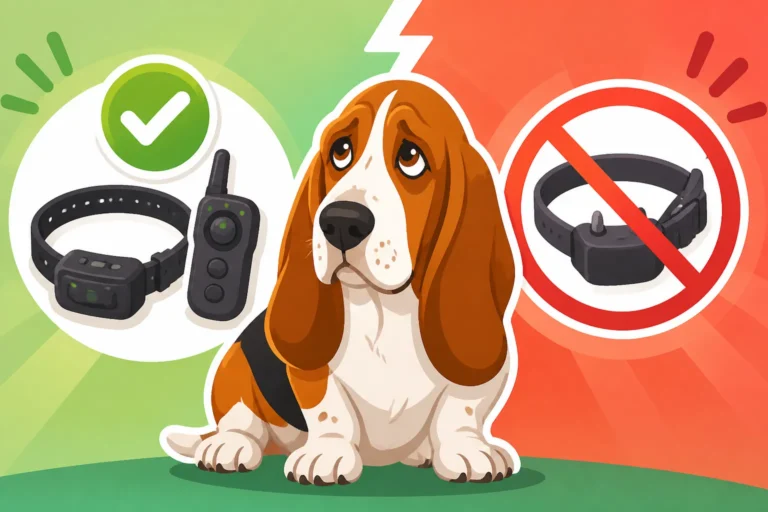
- Use a Long Line for Outdoor Exploration: When transitioning to outdoor scent work or letting your Basset explore a wider area, a long line (from a trusted retailer on Amazon) can be your best friend. It gives them freedom to follow a scent trail without you having to worry about them wandering too far or into danger. This is especially useful for a breed that will follow its nose almost anywhere. If you are worried about them following their nose into traffic, then consider Whether a Basset Hound Needs a Tracking Collar to put your mind at ease.
Remember, the key is to keep it fun and positive. Celebrate every "find" with enthusiasm, even the easy ones. Scent work is a wonderful way to connect with your Basset Hound and provide them with the mental stimulation they crave, enriching both their life and yours.
Summary of Basset Hound Scent Activities
To help you decide which scent activities might be a good fit for your Basset Hound, here's a quick overview:
| Activity | Description | Benefits | Complexity | Environment |
|---|---|---|---|---|
| Scatter Feeding | Spreading kibble/treats on the floor or in grass. | Prevents fast eating, simple mental stimulation. | Low | Indoor/Outdoor |
| Snuffle Mats/Puzzle Toys | Hiding food in fabric mats or interactive toys. | Engages nose, slows eating, builds problem-solving skills. | Low-Medium | Indoor |
| "Find It" Games | Hiding treats/toys in increasing difficulty around the house or yard. | Builds confidence, strengthens bond, easy to adapt. | Low-Medium | Indoor/Outdoor |
| Sniffaris on Walks | Allowing extended sniffing time during walks. | Fulfills natural urge, provides mental enrichment, reduces pulling from frustration. | Low | Outdoor |
| Scent Work/Nose Work | Training to detect specific target odors (e.g., essential oils). | High mental stimulation, builds confidence, accessible to all dogs, competitive potential. | Medium-High | Indoor/Outdoor |
| Tracking | Following a human scent trail over various terrain. | Deeply taps into natural instinct, physically and mentally demanding for dog. | High | Outdoor |
| Barn Hunt | Finding safely caged rats in a straw bale maze. | Engages prey drive and nose, high excitement, builds confidence, physically engaging. | Medium-High | Indoor/Outdoor |
Each of these activities offers a unique way to tap into your Basset Hound's incredible sense of smell. Start simple, observe what your dog enjoys most, and gradually increase the challenge.
Disclaimer
This article is for general informational purposes only and does not constitute professional advice. Laws, prices and regulations vary by location and change over time. Consult a qualified professional for guidance on your specific situation.