Whether a Basset Hound Makes a Detection Dog
Many Basset Hound owners find themselves wondering if their beloved, laid-back companions could ever be more than just couch connoisseurs. While their sleepy eyes and lumbering gait might suggest otherwise, the truth is, a Basset Hound possesses one of the most incredible noses in the canine kingdom, leading many to ponder their potential in serious scent detection work. This guide will dive deep into whether your Basset has what it takes to trade naps for nose work and become a surprisingly effective detection dog.
The Basset Hound's Olfactory Prowess
When you look at a Basset Hound, you see those impossibly long ears, that loose skin, and that deep, soulful gaze. What you might not immediately realize is that every single one of those features, combined with an extraordinary internal design, contributes to making them a walking, breathing scent machine. It’s no exaggeration to say their entire anatomy is geared towards detecting and following odors.
Unpacking the Basset Hound's Nose
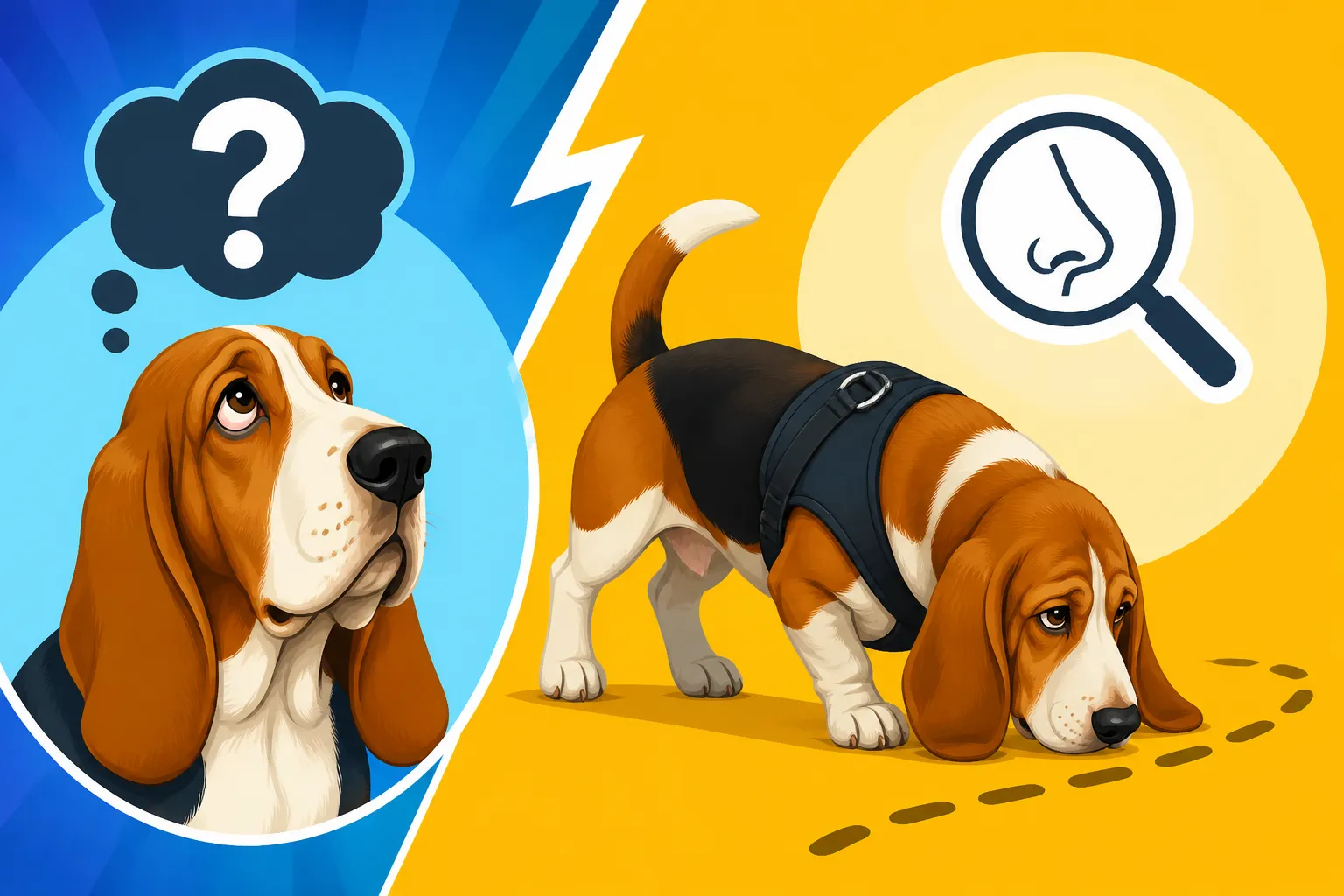
Let's be real, a Basset Hound's nose isn't just a nose; it's a super-sniffer. These dogs boast an incredible number of olfactory receptors—estimates often place them second only to the Bloodhound. This means they have millions more scent-detecting cells than we do, allowing them to process odors with a level of detail we can barely imagine. Their long, pendulous ears aren't just for show; they actually help sweep ground-level scents upward towards their nostrils, essentially creating a funnel for odors. Think of it as nature's built-in scent amplifier! And that magnificent dewlap, the loose skin under their chin and neck, isn't just for dramatic effect; it helps trap and hold scent particles, keeping them concentrated around the nose as the dog moves, allowing for more thorough and prolonged analysis of a scent trail. This unique combination of physical traits means they are perfectly designed to keep their nose glued to the ground, meticulously dissecting every molecule of a scent. It's a marvel of canine evolution, truly. It's why we often say The Nose That Puts a Basset Hound Second to a Bloodhound is an accurate description.
Instinct vs. Trainability for Scent
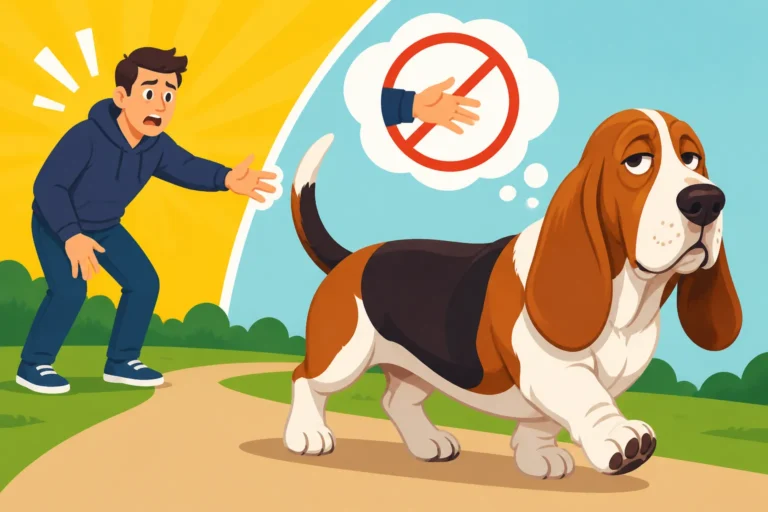
Any Basset owner knows that when their dog catches a whiff of something interesting, the rest of the world simply ceases to exist. This isn't stubbornness, but an overwhelming instinctual drive. Their brains are hardwired to process and follow scent trails, and once they're "on scent," it's incredibly difficult to break their concentration. This intense focus, which can sometimes feel like defiance, is actually their greatest asset in detection work. While it can be frustrating when Why a Basset Hound Stops Hearing You When It Smells Something takes over on a walk, it's precisely this single-minded dedication that makes them potentially exceptional scent detection dogs. The challenge isn't teaching them how to smell; they already do that better than most. The real work lies in channeling that powerful natural instinct towards a specific target odor and teaching them to communicate when they've found it, rather than just endlessly following the trail wherever it may lead. It's about giving that incredible nose a job with a clear objective.
Training a Basset Hound for Detection Work
Training a Basset Hound for any task, let alone specialized detection work, requires a particular brand of patience, creativity, and a deep understanding of what truly motivates these charmingly obstinate hounds. Forget traditional drill-based obedience; with a Basset, it's all about making them want to do the job.
The Unique Challenges of Training a Basset
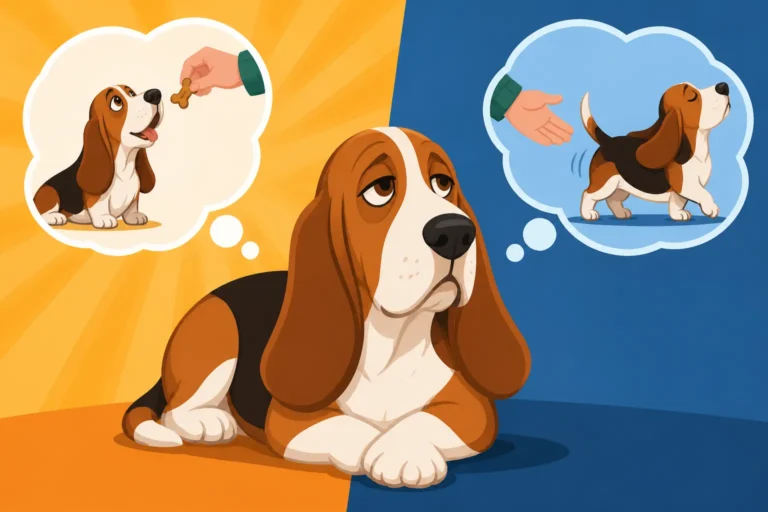
Let's address the elephant in the room: Basset Hounds have a reputation for being, shall we say, "independent thinkers." Many owners feel like they're battling constant stubbornness. But from a trainer's perspective, it's often less about defiance and more about their priorities. A Basset's priority is usually scent, comfort, or food, in that order. Asking them to perform a task that doesn't align with these priorities, especially when there's an interesting smell nearby, is an uphill battle. This is why traditional compulsion-based training methods often fail miserably with Bassets, leading to frustration for both dog and handler. Instead, successful training hinges entirely on positive reinforcement and making the "work" incredibly rewarding. You need to discover What Actually Motivates a Basset Hound – and nine times out of ten, it’s going to be a high-value food reward or access to an even more exciting scent. Short, fun sessions are key, as their attention span can be fleeting if they're not fully engaged. You’ll be their biggest cheerleader, celebrating every tiny success.
Building Foundation Skills
Before you can ask your Basset to find specific substances, you need to build a strong foundation in basic scent work. Start with simple "find it" games using their favorite treats hidden under cups or in a snuffle mat. This teaches them the concept of searching for a hidden reward. As they get the hang of it, you can introduce a target odor. This is often done using a tiny drop of essential oil (like birch or anise, common in canine scent sports) on a cotton swab, which you then associate with a high-value treat. Hide the target odor in increasingly challenging locations, always rewarding heavily when they indicate its presence. Platforms like BAXTER & Bella offer excellent online resources and structured programs that can guide new handlers through these initial stages of scent introduction and indication training, providing a framework that works well with independent learners. Gradually, your Basset will learn that the presence of that specific smell means a great reward is imminent. Consistency is your best friend here; short, frequent training bursts are far more effective than long, infrequent ones.
Transitioning to Specific Detection Tasks
Once your Basset understands the game—find the specific scent, get rewarded—you can start applying it to more specialized detection tasks. This is where their methodical nature truly shines. For example, if you're training for bed bug detection, you would introduce the scent of live bed bugs (ethically sourced, of course) in controlled environments. For mold detection, you’d use samples of specific mold types. Because Bassets are slower and more deliberate, they tend to be incredibly thorough, meticulously checking every nook and cranny. Their low stature, which might seem like a disadvantage, actually makes them ideal for inspecting low-lying areas, under furniture, or tight spaces that taller dogs might struggle with. However, you'll need to consider their stamina. Unlike high-energy breeds that can work for hours, a Basset might need more frequent breaks. It's a marathon, not a sprint, and their detailed approach can lead to highly accurate finds. When training for something like Whether a Basset Hound Takes to Scent Work, patience is key to letting them work at their own pace.
Practical Applications and Considerations
While a Basset Hound might not be your first thought for a police K9 unit, their unique attributes make them surprisingly well-suited for several specialized detection roles. It's about finding the right niche where their inherent qualities become strengths rather than perceived weaknesses.
Types of Detection Work Suited for Basset Hounds
Basset Hounds excel in scenarios where a slow, methodical, and ground-focused search is paramount. Think less about explosive detection in a busy airport (which requires speed and high agility) and more about intricate, detailed searches. They can be exceptional at:
- Bed Bug Detection: Their low profile and meticulous nature allow them to thoroughly search baseboards, mattresses, and furniture joints, areas where bed bugs love to hide. Their thoroughness often outweighs the speed of other breeds in these detailed, close-quarters searches.
- Mold Detection: Mold often grows in hidden, low areas like crawl spaces, behind walls, or under floorboards. A Basset's ability to stick its nose deep into these spots and patiently work a scent cone is invaluable.
- Agricultural Pest Detection: Imagine identifying specific invasive plant diseases or insect infestations in crops or orchards. A Basset could methodically sniff out affected plants or areas, saving farmers time and resources.
- Conservation Scent Work: For detecting scat of endangered species for population monitoring, or locating invasive plant species that need removal. Their low impact and quiet nature can be an asset in delicate ecosystems.
- Human Remains Detection (HRD) in certain scenarios: While faster breeds might cover large areas quickly, a Basset's detailed searching might be valuable in smaller, more confined spaces or when working a very faint, aged scent.
Their short legs and deliberate pace might not be suitable for expansive search and rescue missions across rugged terrain, but for contained, detailed searches, they can truly shine.
The Importance of Handler Dedication
Training any detection dog is a significant commitment, but with a Basset Hound, handler dedication is amplified. You are not just teaching a dog a skill; you are learning to understand and work with a breed whose primary motivation is often its nose, sometimes to the exclusion of all else. You'll need endless patience, consistency, and a knack for making training incredibly fun and rewarding. This often means investing in a variety of high-value treats and toys that truly motivate your hound, and being ready to buy specialized scent training kits and gear from places like Amazon. Varying your training locations is also crucial. Start in quiet, familiar environments, and gradually introduce more distractions as your Basset's focus on the target scent strengthens. The handler's role is to be the ultimate guide and motivator, celebrating every correct indication and patiently redirecting when the Basset's mind wanders to that intriguing grass blade. Without a dedicated handler who understands the Basset's unique learning style, even the best nose won't reach its full potential.
Temperament and Physical Limitations
While a Basset's nose is a superpower, their physical build and general temperament also play a role in their suitability for detection work. Their friendly, laid-back nature is generally a huge plus, as they are typically not aggressive and can work calmly in various environments. However, their physical structure presents some considerations:
- Stamina: Basset Hounds are not endurance athletes. Their short legs and heavy build mean they tire more easily than, say, a Malinois or a Labrador. Training and work sessions need to be shorter and interspersed with more breaks. You’ll need to watch for signs of fatigue and know when to call it a day.
- Back and Joint Health: Their long backs and characteristic short, bowed legs make them prone to issues like The Back Trouble a Basset Hound Is Built Into and Why One Basset Hound in Seven Has Bad Elbows. This means strenuous activity, jumping, or navigating very uneven terrain should be minimized. Gentle, controlled movements are best. Maintaining a healthy weight is also paramount to protect their joints, as What Extra Weight Does to a Basset Hound can exacerbate these issues.
- Heat Sensitivity: Bassets can overheat quickly due to their heavy bone, thick coats, and lower-to-the-ground body. Working in hot conditions requires extra precautions, plenty of water, and shade.
A successful Basset detection dog program acknowledges and works within these physical realities, focusing on jobs where these limitations are less of a factor and their strengths can shine.
Real-World Examples and Success Stories
It might seem unconventional, but there are dedicated handlers and working Basset Hounds out there proving that these lovable, lanky dogs can indeed be valuable assets in the detection world. Their stories often highlight perseverance, understanding of the breed, and a willingness to think outside the box.
Success Stories in Niche Fields
While you won't often see a Basset Hound rappelling from a helicopter for a wilderness search and rescue mission, they are making their mark in more specialized, detail-oriented areas. Imagine a small, boutique hotel that suffered a bed bug scare. Instead of tearing apart rooms, they bring in a Basset detection dog. Its low-slung body allows it to meticulously sniff under beds, behind headboards, and along carpet edges, often identifying the precise location of the infestation with remarkable accuracy. Because they are generally good-natured, they can work calmly in occupied buildings without causing alarm.
Similarly, in the world of agriculture, a Basset could be trained to detect the presence of specific invasive pests, such as a type of beetle larvae that burrows into certain tree roots or a fungus affecting a particular crop. Their thorough, ground-level scenting ability means they won't miss subtle odors that might indicate an early infestation, providing valuable data to protect crops. These aren't flashy, high-speed jobs, but they are critical, and the Basset Hound's unique strengths make them perfectly suited. It’s a testament to the power of their nose when paired with a patient handler.
The Path to Certification
For a Basset Hound to truly be considered a professional detection dog, it needs to undergo rigorous training and, in many cases, achieve official certification. This process varies depending on the specific detection field (e.g., bed bugs, mold, HRD), but generally involves several key stages. First, the dog must demonstrate reliable detection of the target odor in various environments and under increasing distraction. This includes a clear "alert" or "indication" – a specific behavior like freezing, sitting, or pawing – that tells the handler they've found the source. Handlers often pursue structured training courses, sometimes with organizations that specialize in scent work or specific detection disciplines. It's a commitment that can take months, or even years, and requires continuous practice to maintain proficiency. Many detection teams also participate in "blind" tests, where neither the handler nor the dog knows where the target scent is hidden, to ensure the dog is truly working the odor and not relying on handler cues. While Whether a Basset Hound Can Do Tracking Trials focuses more on following a human track, the discipline and accuracy required for competitive tracking are very similar to what's needed for detection certification. It’s a journey that demands consistent effort, but the rewards of seeing your Basset Hound use its incredible natural talent for a vital purpose are immeasurable.
| Feature | Basset Hound for Detection | Traditional Detection Breeds (e.g., Lab, Malinois) |
|---|---|---|
| Olfactory Ability | Exceptional, second only to Bloodhounds | Excellent |
| Working Speed | Slow, methodical, thorough | Fast, covers large areas quickly |
| Stamina | Moderate, requires frequent breaks | High, can work for extended periods |
| Physical Build | Low to ground, heavy bone, prone to back/joint issues | Athletic, agile, built for endurance |
| Temperament | Generally calm, friendly, can be independent/stubborn | Driven, eager to please, high work ethic |
| Ideal Role | Detailed, confined searches (bed bugs, mold, specific pests) | Broad area searches, high-intensity roles (explosives, narcotics) |
| Handler Need | High patience, motivation-focused, understanding of breed traits | Consistent, firm, clear guidance, channeling drive |
Ultimately, whether a Basset Hound makes a good detection dog isn't a simple yes or no. It depends heavily on the specific type of detection work, the dedication of the handler, and a realistic understanding of the breed's strengths and limitations. For the right job and the right team, a Basset Hound's unparalleled nose and methodical approach can indeed turn them into a surprisingly effective and invaluable detection partner. They might not be the fastest, but they sure can be the most thorough when it comes to sniffing out what needs to be found.
Disclaimer
This article is for general informational purposes only and does not constitute professional advice. Laws, prices and regulations vary by location and change over time. Consult a qualified professional for guidance on your specific situation.