Whether a Basset Hound Can Do Obedience
Oh, the age-old question that makes many a Basset Hound owner sigh, then chuckle. You’ve probably heard it – or even said it yourself – that Bassets are "stubborn" or "untrainable." The truth is, it’s not that a Basset Hound can't do obedience; it’s that they often operate on a completely different wavelength than many other breeds, driven by that magnificent nose. This guide is all about diving deep into the unique world of Basset Hound obedience, understanding their motivations, and finding realistic ways to teach them the manners you need for a harmonious life together.
Understanding the Basset Hound Mindset Towards Obedience
Let’s be honest, Basset Hounds aren't typically topping the charts for obedience competitions. But this isn't due to a lack of intelligence; it's a fundamental difference in their priorities. They were bred for a specific, demanding job, and that job required them to think for themselves, following a scent trail for hours without human intervention. This independence, while charming, can make traditional obedience feel like an uphill battle.
Scent-Driven World vs. Human Commands
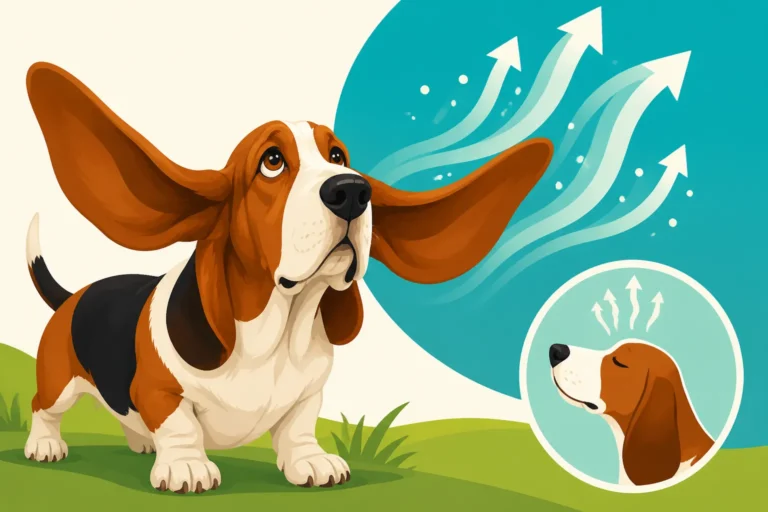
Imagine living in a world where every single sniff tells a captivating story, a saga unfolding right beneath your nose. That's your Basset Hound's reality. Their entire being is designed for scent work, from those long, velvety ears that sweep aromas upwards to their low-slung body keeping their nose glued to the ground. When a Basset's nose hits a fascinating trail, everything else, including your urgent calls of "Come!" or "Sit!", fades into the background. It's not defiance; it's instinct.
You'll see this play out clearly on walks. One moment, they might be trotting along politely, and the next, their head drops, their tail goes up, and they're locked onto an invisible thread of odor. You could be offering the most delicious treat, but if the scent is strong enough, they might genuinely not register your presence. It's a profound distraction, making it feel like Why a Basset Hound Stops Hearing You When It Smells Something. This deep drive means that any obedience training must acknowledge and work with their nose, rather than against it. Trying to force a Basset to ignore their primal calling is like asking a fish to ignore water – it's just not going to happen willingly.
The "Stubborn" Label
Ah, "stubborn." It's the word most often hurled at our floppy-eared friends. But is it truly stubbornness, or something else entirely? Many owners feel like their Basset Hound is deliberately ignoring them, digging in their heels just to be difficult. I've been there! You ask for a "sit," they give you a long, soulful stare, then maybe a yawn, and definitely no sit. It can be infuriating.
However, it's more accurate to view it as independence and a very strong sense of self-preservation, especially when it comes to expending energy. Bassets aren't known for their boundless enthusiasm for repetitive tasks. If there's no clear, immediate reward, or if the effort seems disproportionate to the outcome, they might simply decide it's not worth their time. They're not people-pleasers in the way a Golden Retriever might be; they're more akin to a seasoned detective focused on the case, and your request to "roll over" might seem utterly irrelevant to their current investigation. Understanding that Whether a Basset Hound Chooses Not to Obey is often a calculation based on motivation, rather than pure defiance, is the first step to successful training. It shifts the burden from trying to make them obey to finding what makes them want to obey.
Strategies for Effective Obedience Training with a Basset Hound
Training a Basset Hound requires patience, a good sense of humor, and a willingness to think outside the box. What works for a Border Collie might utterly fail with a Basset. The key is to leverage their natural drives and find their personal currency.
Motivation is Key
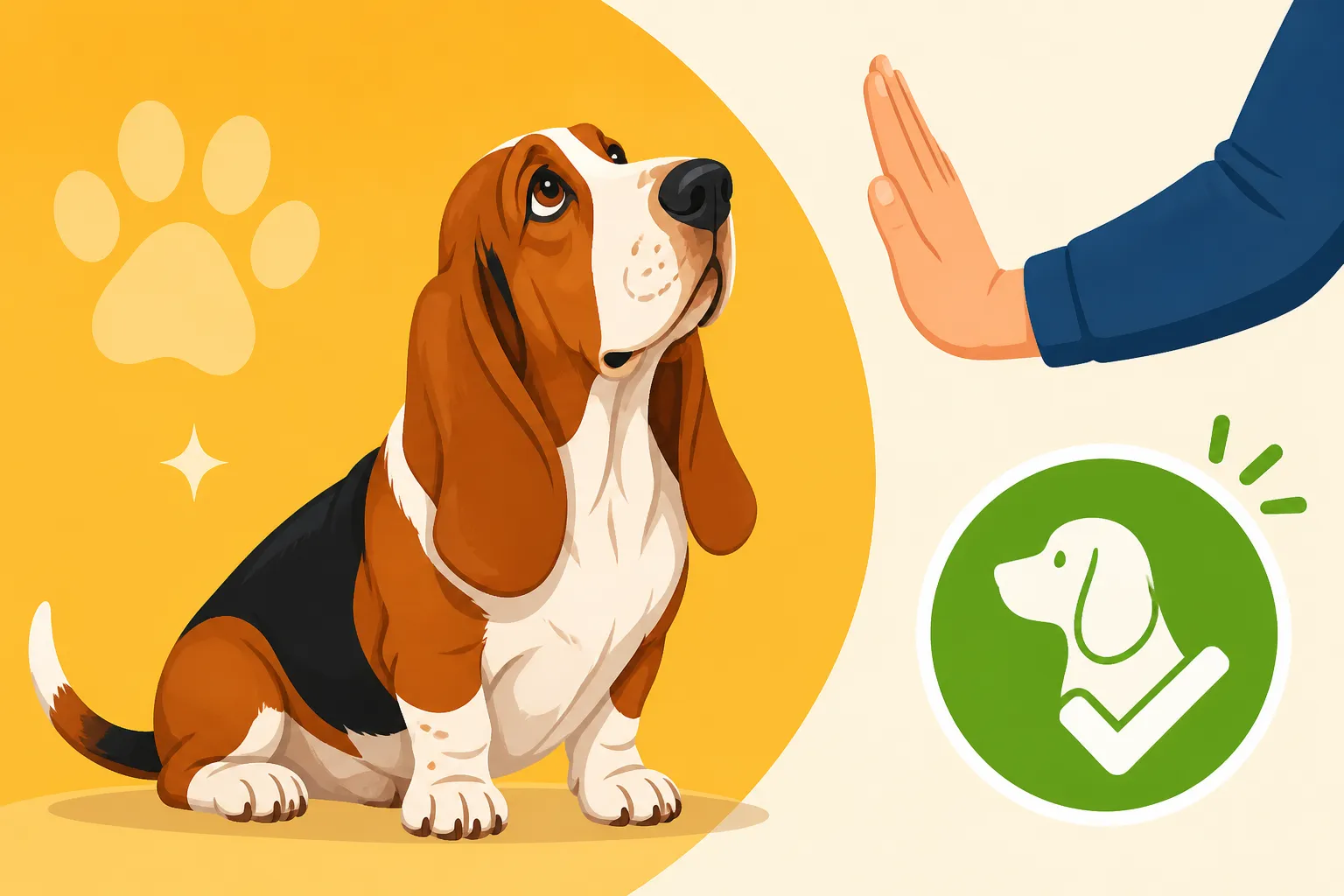
Forget abstract praise for a moment. While a gentle "good boy" or "good girl" is always welcome, a Basset Hound's primary motivator is almost always food. And not just any food – we're talking high-value, irresistible treats. Think tiny pieces of cooked chicken, cheese, or specialized training treats they rarely get otherwise. This isn't bribing; it's fair payment for a job they might otherwise deem optional. When they realize that performing a command reliably results in something truly delicious, their motivation skyrockets.
Beyond food, some Bassets are motivated by specific toys or even a quick game of chase, though their stamina for prolonged play can be limited. The trick is to discover what makes your Basset's eyes light up. Keep a variety of high-value treats on hand – you can often find great bulk options on sites like Amazon – and switch them up to keep things exciting. What actually motivates a Basset Hound can be highly individual, but food is a universally strong contender. Remember, you’re competing with the most incredible nose in the dog world, so your rewards need to be equally incredible.
Short, Positive, and Consistent Sessions
Basset Hounds aren't built for long, grueling training drills. Their attention spans, especially for things they don't find inherently fascinating (like tracking a rabbit), can be surprisingly short. Trying to push them beyond their limit will only lead to frustration for both of you, and they'll quickly develop an aversion to training. Instead, aim for frequent, very brief sessions – think 2 to 5 minutes at a time, several times a day.
These sessions should always end on a positive note, even if it’s just for one successful "sit." Keep the energy upbeat, use clear and consistent cues, and celebrate every tiny success with enthusiasm and those high-value treats. Consistency is more important than duration. Practicing commands like "sit," "stay," and "down" for a few minutes before each meal, or during commercial breaks, adds up quickly. This approach is crucial because Whether Short Sessions Suit a Basset Hound cannot be overstated; it prevents burnout and keeps training enjoyable, rather than a chore. If you stick with it, you’ll be amazed at how much they absorb over time, even if it feels like Whether a Basset Hound Learns Slowly sometimes.
Proofing and Generalization
It’s one thing for your Basset to "sit" perfectly in your quiet living room, where the only distraction is the dust bunny under the sofa. It’s an entirely different matter when you ask them to sit at the park, with squirrels chattering, kids laughing, and a dozen fascinating new smells calling their name. This is where proofing and generalization come in.
Proofing means practicing commands in increasingly distracting environments. Start in a low-distraction area, then gradually introduce more challenges: a different room, the backyard, a quiet street, and eventually the bustling park. Generalization means ensuring your Basset understands that "sit" means "sit" regardless of where you are or who is asking. This takes time, patience, and a constant supply of those top-tier motivators. Don't expect perfection overnight. Each new environment is like learning the command all over again for them. Celebrate small victories, like a momentary glance in your direction at the park, and slowly build up their reliability.
Common Obedience Challenges and How to Overcome Them
Every breed has its quirks, and Basset Hounds certainly have a few signature challenges when it comes to obedience. Knowing what to expect and having a game plan can save a lot of headaches (and sore arms!).
The Elusive Recall
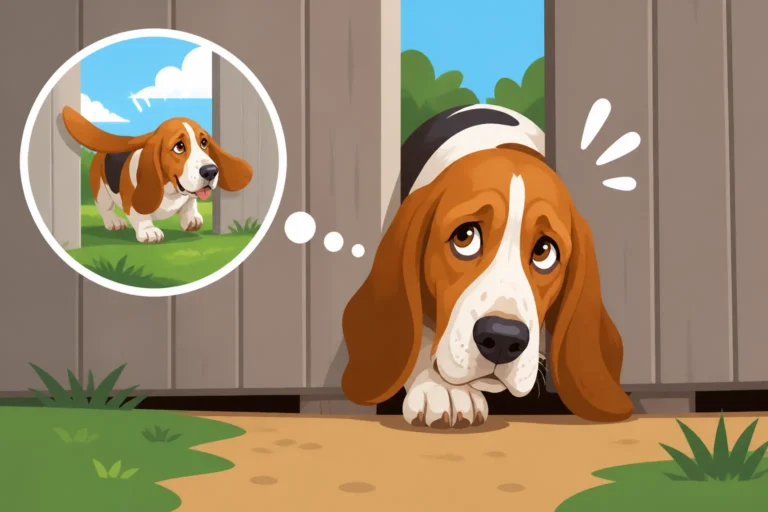
This is probably the single biggest worry for Basset Hound owners, and for good reason. Their nose is a powerful siren call, and when it’s engaged, your voice often becomes mere background noise. Asking for The Recall a Basset Hound Will Never Reliably Give You off-leash in an unfenced area is, for most Bassets, an invitation to a game of "catch me if you can," or worse, a dangerous dash into traffic.
Therefore, for the vast majority of Basset Hounds, reliability off-leash in an open environment simply isn't a realistic goal. Management is paramount: a secure, high fence is non-negotiable, and when outside of a fenced area, a long line is your best friend. Start practicing recall in a confined, safe space, like your backyard, using your highest value treats and making it a joyous, rewarding game. As they get better, use a long line (15-30 feet) in progressively more distracting, but still safe, environments. Never punish them for coming slowly, only reward their arrival. Consistency and super high rewards are your only hope here, but always prioritize their safety with proper containment.
Leash Manners and Pulling
Bassets are built like small, furry tanks with a very low center of gravity. They might be short, but they are incredibly strong, and when that nose is on the ground, they can pull like a freight train. This makes walks a chore for many owners, causing arm strain and frustration. The belief that Whether a Basset Hound Pulls Hard for Its Size is a common, and often painful, reality.
To combat this, start early with loose-leash training, making sure to reward heavily whenever the leash is slack. A front-clip harness can be a lifesaver, as it redirects their pulling power sideways, making it much harder for them to drag you down the street. Traditional flat collars aren't ideal for strong pullers, as they put pressure on the neck. Brands like Ruffwear or Easy Walk offer harnesses specifically designed for discouraging pulling. Consistency is key here too; every walk is a training opportunity. If they pull, stop walking until the leash loosens, then immediately reward and continue. It takes patience, but it's achievable.
House Training and Crate Training
These foundational aspects of obedience are often where Basset Hound puppies can try your patience. Their lax nature sometimes extends to their bladder control, and they can be a bit slower to pick up on the concept of "potty outside only." Similarly, while many Bassets take to crate training beautifully, others might protest vocally at first. For new owners, getting through How Long a Basset Hound Puppy Takes to House Train can feel like an eternity.
A consistent schedule is your secret weapon. Take them out frequently – every hour or two for puppies, and after every meal, nap, and play session. Reward lavishly when they potty outside. For crate training, make the crate a positive, cozy den. Feed meals in it, toss treats inside, and ensure it's a comfortable space, never used for punishment. Whether a Basset Hound Puppy Should Be Crated for house training and safety is generally a resounding yes, as it provides a secure space and can help prevent accidents when you can't supervise directly. If you're looking for guidance, online resources like those from BAXTER & Bella can offer structured approaches to both house training and crate training, providing step-by-step videos and support that can make a huge difference.
Beyond Basic Obedience: Advanced Training and Basset Hounds
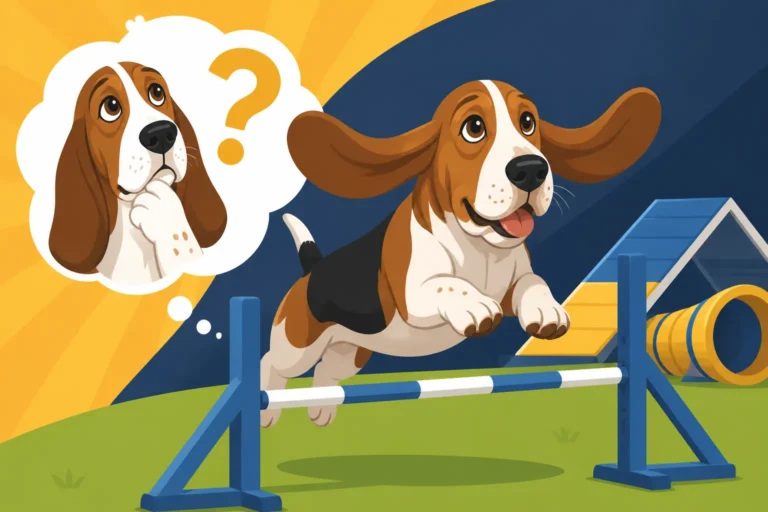
While Bassets might not excel at lightning-fast agility courses or competitive heeling, there are plenty of advanced "obedience" avenues where they can truly shine, playing to their strengths rather than against them.
Scent Work and Tracking
This is where the Basset Hound truly comes alive. Their nose is their superpower, and engaging it in a structured way is not just fun for them; it’s mentally exhausting and incredibly rewarding. Scent work, tracking, and even barn hunt are fantastic activities where their natural instincts are celebrated and channeled into productive "work." Instead of fighting their nose, you’re giving it a job, which is a wonderful form of engagement.
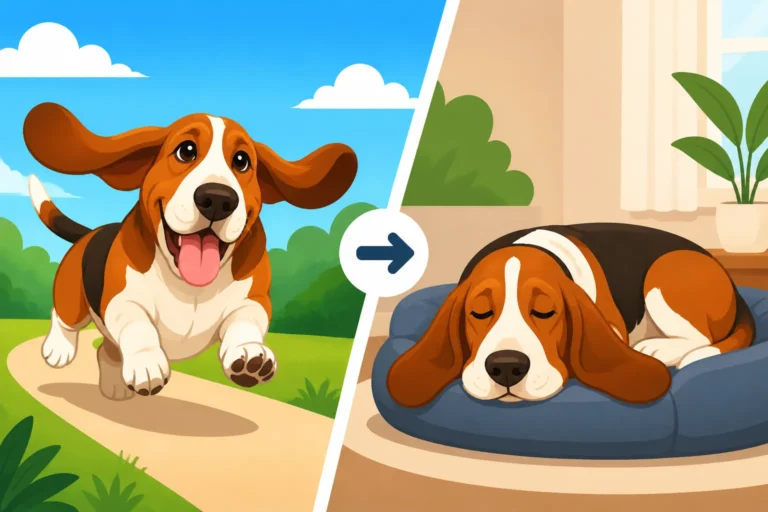
Imagine your Basset methodically following a scent trail, their tail wagging gently, completely focused and content. This isn't just a game; it's an advanced form of obedience that requires focus, problem-solving, and a deep connection between handler and dog. They might not be doing traditional "heeling," but they are working cooperatively, following your cues and solving puzzles with their nose. It’s incredible to watch, and the mental stimulation is so profound that Whether Nose Work Tires a Basset Hound Out is absolutely true, often more so than physical exercise. Look for local clubs or trainers who specialize in these sports.
Canine Sports and Activities
While traditional competitive obedience might be a stretch for most Bassets, they can still participate and enjoy a variety of canine sports and activities. Rally obedience, for example, is more relaxed than traditional obedience, allowing for more handler encouragement and a less rigid structure. Some Bassets even enjoy trick training, especially when high-value treats are involved! They might not be the fastest, but they often have a delightful, endearing way of performing.
Therapy work is another area where a Basset Hound’s calm, gentle, and affectionate nature can truly shine. Their soulful eyes and soft ears make them natural comforters, and their generally mellow demeanor is perfectly suited for visiting hospitals, nursing homes, or schools. Whether a Basset Hound Makes a Therapy Dog is often answered with a resounding yes, provided they have a stable temperament and enjoy interactions with strangers. While you won't see them soaring over hurdles, finding activities that respect their physical build and inherent disposition will lead to a happier, more fulfilled Basset Hound, and a more rewarding partnership for you both.
Training Tools and Aids
Having the right tools can make a significant difference in your Basset Hound's obedience journey. For leash manners, as mentioned, a front-clip harness is often essential. You might also consider a long line for recall practice in safe, open areas – readily available on Amazon or at your local pet supply store. Treat pouches are indispensable for keeping those high-value rewards handy during training sessions.
For mental enrichment and to engage their natural drive, consider snuffle mats, puzzle toys, or treat-dispensing toys. These can turn mealtime into a stimulating activity and reinforce the idea that working for food is fun. If you're ever feeling stuck or need structured guidance, online training programs can be incredibly helpful. A brand like BAXTER & Bella offers lifetime memberships with access to a wealth of resources, including live Q&A sessions, webinars, and a comprehensive library of training videos that can be adapted to your Basset's specific needs and pace.
Table: Basset Hound Obedience Training Approaches
Here's a quick overview of some effective approaches when tackling obedience with your Basset Hound, keeping their unique personality in mind:
| Approach / Challenge | Traditional Method (Less Effective for Bassets) | Basset-Friendly Method (More Effective) | Key Takeaway |
|---|---|---|---|
| Motivation | Verbal praise, petting | High-value food treats (chicken, cheese), favorite toys | Find their absolute favorite reward; it's your most powerful tool. |
| Session Length | Longer, continuous drills | Short (2-5 minute), frequent bursts throughout the day | Quality over quantity; end on a high note to keep them engaged. |
| Recall | Off-leash in open areas | On-leash, long-line, safe fenced areas only, high reward for every return | Safety first; manage the environment and reward generously. |
| Leash Pulling | Flat collar correction, constant verbal cues | Front-clip harness, stop-and-go method, reward slack leash | Use equipment that helps, be consistent, make polite walking rewarding. |
| "Stubbornness" | Force, frustration | Positive reinforcement, clear communication, patience, break down tasks | Reframe as independence; make it worth their while. |
| Engagement | Repetitive drills | Scent games, puzzle toys, trick training, short, fun sessions | Engage their mind and nose; make training feel like play. |
| Environment | Expect immediate obedience anywhere | Proofing in gradual steps, slowly increasing distractions | Practice in many places, but always set them up for success. |
Disclaimer
This article is for general informational purposes only and does not constitute professional advice. Laws, prices and regulations vary by location and change over time. Consult a qualified professional for guidance on your specific situation.