What a Basset Hound Needs Every Day
Many people fall in love with the adorable, soulful eyes and long, floppy ears of a Basset Hound, imagining a perpetually calm, slightly lazy companion. While they certainly excel at napping, owners often underestimate the consistent, specific daily care these unique dogs require to thrive. This guide will walk you through the essential daily tasks and considerations that go into keeping your Basset Hound happy, healthy, and a cherished member of your family, tackling everything from their distinctive physical needs to their mental well-being.
The Daily Ear Ritual: A Non-Negotiable Necessity
Ah, those magnificent, velvety ears! They're a defining characteristic of the Basset Hound, and undeniably charming, but they're also a constant source of potential trouble. Because of their length and thickness, Basset Hound ears create a warm, moist, and poorly ventilated environment within the ear canal, practically inviting yeast and bacteria to set up shop. This isn't just a periodic concern; it's a daily consideration, sometimes requiring a The Twice Weekly Ear Ritual a Basset Hound Owner Signs Up For for maintenance.
Keeping Those Long Ears Clean and Dry
Every single day, you need to dedicate a moment to checking your Basset's ears. This isn't necessarily a full cleaning session, but rather an inspection. Lift those heavy ear flaps, take a deep breath, and peer into the ear canal. Are things looking pink and clean, or do you see redness, discharge, or an unpleasant smell? If it's the latter, you're already behind. A quick daily wipe with a gentle, vet-approved ear wipe or a cotton ball dampened with cleaner can make a world of difference in preventing issues.
Think about it like this: if your Basset just finished a vigorous sniff-a-thon in damp grass, or perhaps got a little too enthusiastic with the water bowl, those long ears can become even more of a breeding ground for moisture. Ensuring they are dry and aired out is key. Some owners even gently flip their Basset's ears back over their head for a few minutes while they're relaxing, just to let some air circulate. It might look silly, but it can be surprisingly effective. Don't forget that consistent cleaning also helps prevent issues like Whether a Basset Hound's Ear Canal Closes Up.
Spotting the First Signs of Trouble
Basset Hounds are masters of subtlety when it comes to discomfort, or perhaps they're just so laid-back that they don't always broadcast their issues. That's why your daily inspection is so critical. Beyond visible redness or discharge, pay attention to behavioral cues. Is your Basset shaking its head more than usual? Pawing at an ear? Rubbing its head on the carpet or furniture? Does the ear feel warm to the touch? Is there a noticeable odor—sweet and yeasty, or foul and bacterial? These are all red flags that warrant a closer look and likely a call to your vet. Catching an infection early can save your Basset a lot of discomfort and you a significant vet bill. Regular, gentle handling from a young age (something covered in Teaching a Basset Hound to Have Its Ears Handled) will make these daily checks much easier.
Protecting Ears During Meals and Walks
Those long, flowing ears aren't just prone to internal issues; they're also quite vulnerable to external damage and getting plain old dirty. When your Basset eats, their ears can easily dip into their food and water bowls, collecting kibble dust, gravy, or just getting soaked. This isn't just messy; it contributes to that damp environment we're trying to avoid. Many Basset owners swear by a "snood" – a fabric tube worn over the head to keep the ears tucked up and out of the way during meal times. You can find a variety of snoods on platforms like Amazon or specialized pet stores, often costing very little but making a huge difference.
Similarly, on walks, especially through tall grass, mud, or thorny bushes, those ears can drag, pick up debris, get scratched, or even get snagged. A quick visual check after outdoor excursions is essential. Brush off any burrs, wipe away mud, and check for small cuts or abrasions. Being proactive about external protection complements your internal cleaning routine.
Feeding for Health: More Than Just Filling the Bowl
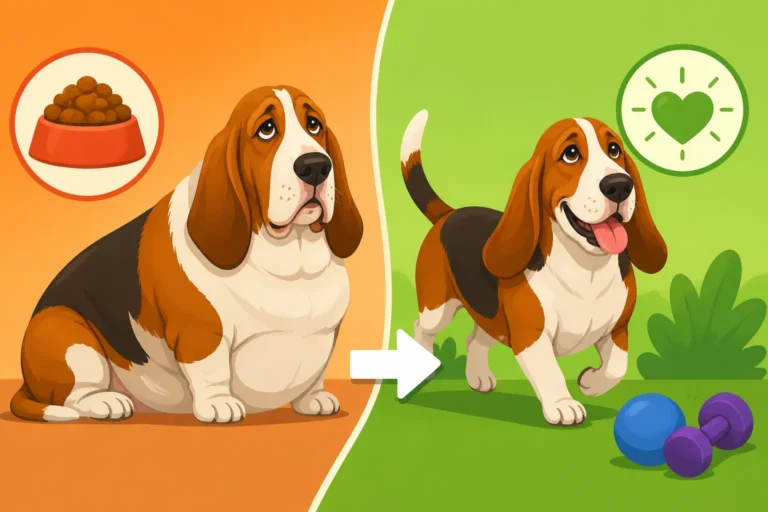
Basset Hounds famously love their food. They possess an almost magical ability to convince you they haven't eaten in days, even if they just finished a hearty meal. This insatiable appetite, combined with their low-slung, heavy build, makes managing their diet a critical daily task. Feeding a Basset Hound That Would Eat Forever is a challenge many owners face.
The Right Amount and Schedule
Despite their stocky appearance, Basset Hounds aren't necessarily giant dogs, and overfeeding is a common trap. The correct portion size depends on their age, activity level, and individual metabolism. You'll need to work with your vet to determine the ideal caloric intake to maintain a healthy weight, and then stick to it rigidly. Splitting their daily ration into two meals (morning and evening) is generally recommended. This isn't just about weight management; it can also help reduce the risk of bloat (gastric dilatation-volvulus), a life-threatening condition that Basset Hounds, like many deep-chested breeds, are susceptible to.
Avoid leaving food out all day for "free feeding." This makes it impossible to monitor their intake and often leads to overeating. Instead, offer their meals at set times, allowing them about 15-20 minutes to eat, then pick up any uneaten food. Consistency is key, both for their digestive system and for managing their expectations.
Managing a Basset Hound's Endless Appetite
It's tempting to give in to those mournful eyes and insistent nudges, but treats and table scraps can quickly add unwanted pounds. Remember, for a Basset, every calorie counts. If you use treats for training, make sure they are small, low-calorie, and accounted for in their daily food allowance. Pieces of plain cooked carrot, green beans, or blueberries can be excellent healthy alternatives to commercial dog treats.
Many Bassets also benefit from slow-feeder bowls, which can be found on platforms like Chewy or your local pet supply store. These bowls have obstacles that force your dog to eat around them, slowing down their mealtime and making them feel fuller on the same amount of food. This also helps with bloat prevention by preventing them from gulping down air with their meal. Engaging their powerful nose with puzzle toys or snuffle mats for some of their kibble can also provide mental stimulation and extend mealtime enjoyment.
Choosing the Right Food and Bowl Type
Selecting a high-quality dog food formulated for your Basset's life stage (puppy, adult, senior) is crucial. Look for foods with real meat as the first ingredient and a balanced nutritional profile. Some Bassets with sensitive stomachs may benefit from specific formulations, but always consult your vet before making significant dietary changes.
The type of food bowl also matters. While some suggest raised bowls for deep-chested breeds to prevent bloat, recent research is mixed, and some studies even suggest they might increase the risk in certain cases. Discuss this with your vet to make the best decision for your individual Basset. Regardless, choose bowls that are easy to clean (stainless steel or ceramic are great) and wide enough for their long muzzles, but not so deep that their ears get drenched. As mentioned before, a snood is a great way to handle the ear-in-bowl dilemma.
Hydration and Hygiene: The Less Glamorous Bits
Beyond the ears, a Basset Hound's unique anatomy comes with a few other daily hygiene considerations. Their droopy skin, loose jowls, and short coats all require a little extra attention to keep them clean, comfortable, and smelling fresh.
Dealing with the Drool and Face Folds
Let's be honest: Basset Hounds drool. It's part of their charm, but it also means daily wiping is often necessary. Their loose jowls and deep lip folds can trap moisture, food particles, and saliva, creating a breeding ground for bacteria and yeast, similar to their ears. If left unchecked, these areas can develop unpleasant odors and even painful skin fold infections, sometimes requiring specific care like in Cleaning the Folds a Basset Hound's Face Is Made Of.
A soft, damp cloth or a pet-specific cleansing wipe (available from places like Chewy or a specialty pet boutique) should be used daily, sometimes multiple times a day, to gently clean these areas, especially after meals and drinks. Make sure to dry the folds thoroughly afterwards to prevent moisture from accumulating. Pay particular attention to the folds around their eyes, chin, and lips. Having a designated "drool towel" near their eating area is not an indulgence; it's a necessity for many Basset owners! The Drool a Basset Hound Produces and Cannot Swallow can be a surprising amount!
Maintaining a Healthy Coat and Skin
While Basset Hounds have short coats, they do shed, and their skin can be prone to certain issues. A quick daily brush with a rubber curry comb or a bristle brush helps to remove loose hair, stimulate circulation, and distribute natural oils, keeping their coat healthy and shiny. This also provides an opportunity to check for any skin irritations, lumps, bumps, or parasites.
Their loose skin and folds, particularly around the neck and chest, can also trap dirt and moisture, leading to "hot spots" or other skin problems if not kept clean and dry. While a full bath isn't a daily requirement, a quick wipe-down with a damp cloth after a particularly muddy walk can prevent issues. If you notice any persistent itching, redness, or a strange odor from their skin, it's worth a chat with your vet. Sometimes, dietary changes or specific shampoos might be needed to address underlying skin sensitivities, as described in The Skin Under a Basset Hound's Folds.
Dental Care for Those Houndy Chompers
Just like humans, dogs need daily dental care to prevent plaque buildup, bad breath, gum disease, and ultimately, painful tooth decay and loss. While many Bassets aren't thrilled about it, daily tooth brushing with a dog-specific toothbrush and toothpaste is the gold standard. Start slow and make it a positive experience with lots of praise and treats. Even a minute or two of brushing can make a big difference.
If daily brushing isn't feasible, incorporating dental chews or water additives can offer some benefit, but they are rarely a complete substitute. Regular professional dental cleanings by your veterinarian will also be necessary throughout your Basset's life. Good oral hygiene can prevent a host of other health problems, as bacteria from gum disease can enter the bloodstream and affect vital organs.
Movement and Mental Stimulation: Beyond the Lazy Stereotype
It's easy to assume a Basset Hound, with its stocky build and penchant for napping, doesn't need much exercise. This is a common misconception that can lead to obesity and behavioral problems. While they aren't marathon runners, Bassets absolutely need daily opportunities for physical activity and, perhaps even more importantly, mental engagement.
Daily Exercise Requirements
A Basset Hound needs at least 30-60 minutes of moderate exercise every day, split into two or three shorter walks. These aren't just potty breaks; they're opportunities to stretch their legs, explore, and sniff the world. Remember their short legs mean they might cover less ground than a longer-legged dog in the same amount of time, so adjust your expectations. While they might occasionally try to refuse to move during a walk (a behavior discussed in Whether a Basset Hound Refuses to Move), gentle encouragement is key.
Because of their strong scent drive, always keep your Basset on a leash or in a securely fenced area. Their noses will override any recall training when they're on a hot trail, and they can wander surprisingly far surprisingly fast. A sturdy harness is usually preferable to a collar to avoid putting pressure on their neck and throat, especially given their deep chests.
Engaging That Incredible Nose
This is where the Basset Hound truly shines! Their nose is their world, and allowing them to use it is paramount to their daily happiness and mental well-being. A structured "sniffari" walk, where you let them follow interesting scents at their own pace, is far more enriching for a Basset than a brisk, forced march around the block. Give them time to truly investigate.
Beyond walks, incorporate daily nose work games into their routine. Hiding treats around the house, using snuffle mats, or playing hide-and-seek with their favorite toy taps into their natural instincts. This kind of mental stimulation is incredibly tiring and satisfying for them, and can prevent boredom-related behaviors like excessive baying or destructive chewing. Learning about Why a Basset Hound Stops Hearing You When It Smells Something will help you understand their world.
Why Mental Stimulation is Crucial
A bored Basset is often an unhappy Basset, and sometimes a destructive or noisy one. While physical exercise is important, mental exercise tires them out in a different, equally vital way. Daily training sessions, even short ones (5-10 minutes), reinforce good manners and provide mental engagement. Basset Hounds might have a reputation for being stubborn, but they are intelligent and capable of learning, especially when motivated by food and positive reinforcement.
Puzzle toys, which require them to figure out how to get a treat, are another excellent daily tool. Rotate toys to keep things fresh and exciting. A Basset Hound that feels engaged and stimulated is much less likely to develop undesirable habits and more likely to be a calm, contented companion at home.
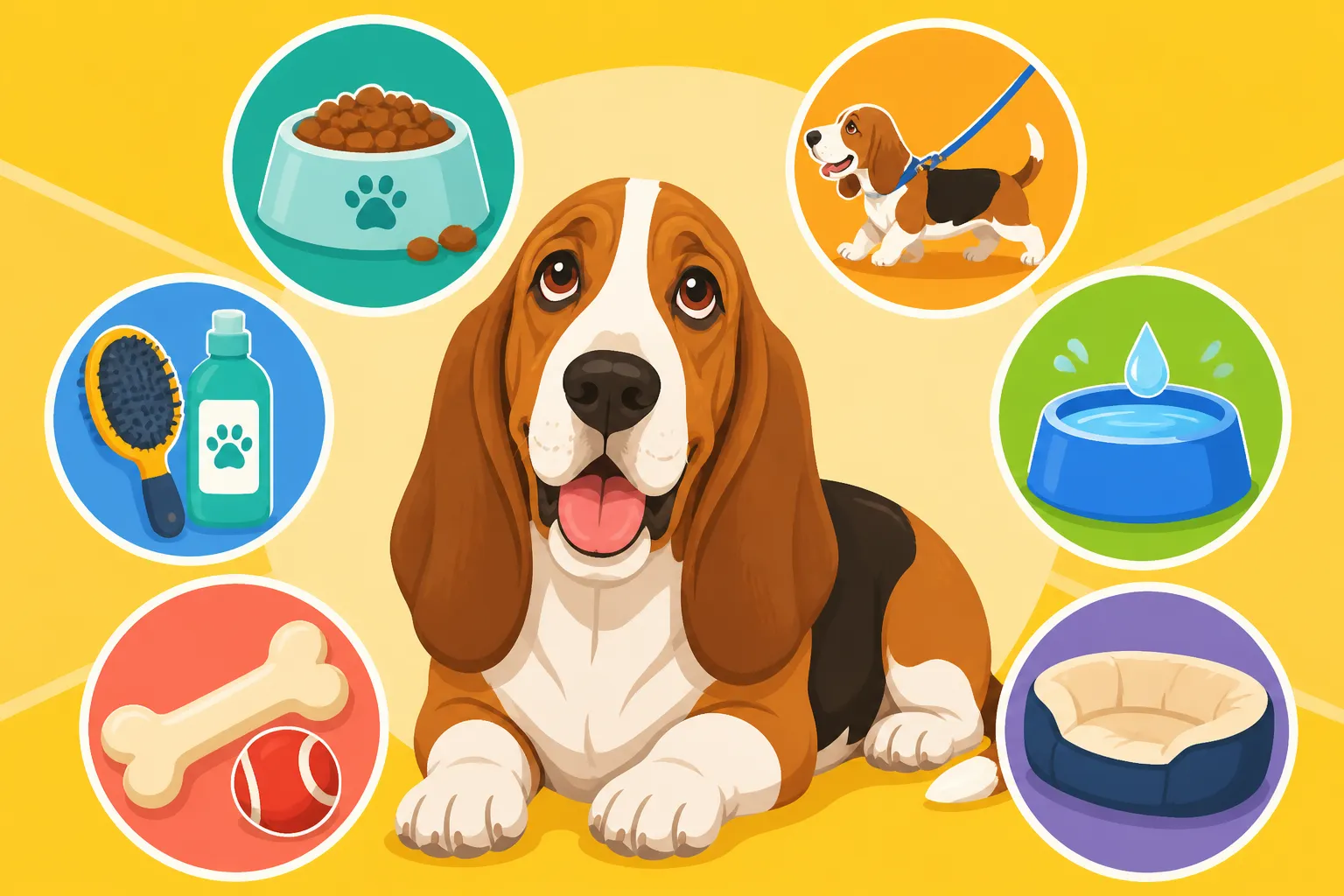
| Daily Basset Hound Needs | Key Action | Why It's Important |
|---|---|---|
| Ear Care | Daily inspection & wiping, post-walk check | Prevents infections, discomfort, and vet visits. |
| Feeding | Measured portions, 2 meals/day, slow feeder | Manages weight, reduces bloat risk. |
| Face & Drool Hygiene | Daily wiping of folds and mouth area | Prevents skin infections, odor, and irritation. |
| Dental Care | Daily brushing, dental chews | Prevents gum disease, bad breath, and tooth loss. |
| Exercise | 30-60 min walks, split throughout day | Maintains healthy weight, muscle tone, joint health. |
| Mental Stimulation | Nose work, puzzle toys, short training | Prevents boredom, reduces anxiety, fulfills instincts. |
| Grooming | Daily brushing of coat | Removes loose hair, stimulates skin, checks for issues. |
| Hydration | Fresh, accessible water | Essential for all bodily functions. |
| Affection & Companionship | Quality time, cuddles, interaction | Builds bond, ensures emotional well-being. |
Comfort and Safety: Creating a Basset-Friendly Home
Basset Hounds, with their long backs, short legs, and heavy bodies, have specific physical vulnerabilities that require daily consideration within their living environment. Protecting their joints and spine is paramount.
Protecting Their Delicate Backs and Joints
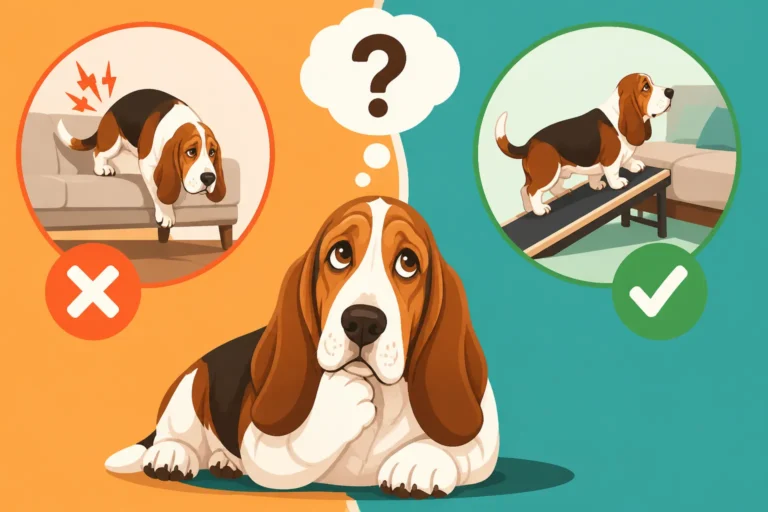
A Basset Hound's long, heavy body supported by short, bowed legs makes them prone to back issues, particularly Intervertebral Disc Disease (IVDD). Every jump off furniture, every run up and down stairs, puts stress on their spine. This means you need to be vigilant daily about preventing these movements. Consider placing dog-friendly ramps or steps next to your sofa and bed if your Basset is allowed on furniture. Keeping a Basset Hound Off the Furniture It Should Not Jump From is vital for their long-term health.
Baby gates can be invaluable for blocking off stairs or areas where jumping might occur. If you have slippery floors like hardwood or tile, consider placing runners or rugs to provide better traction, reducing the risk of slips and falls that can lead to injury. When lifting your Basset, always support both their front and hindquarters to keep their spine straight and minimize strain. This is a daily habit you'll need to develop.
Creating a Safe and Relaxing Space
Every Basset needs a comfortable, dedicated space of their own. An orthopedic dog bed is a wise investment, especially as they get older, providing crucial support for their joints and bones. Place their bed in a quiet, draft-free area where they can retreat and feel secure. This isn't just about physical comfort; it's about providing a sense of security and belonging.
Beyond their bed, ensure their general environment is safe. Bassets are notorious for sniffing out anything edible (or seemingly edible), so daily "Basset-proofing" is essential. Keep medications, toxic foods (like chocolate or grapes), household cleaners, and small objects out of reach. Check your yard daily for any potential escape routes they might have dug or squeezed through, as their powerful noses can lead them astray in a heartbeat.
Considerations for Temperature and Weather
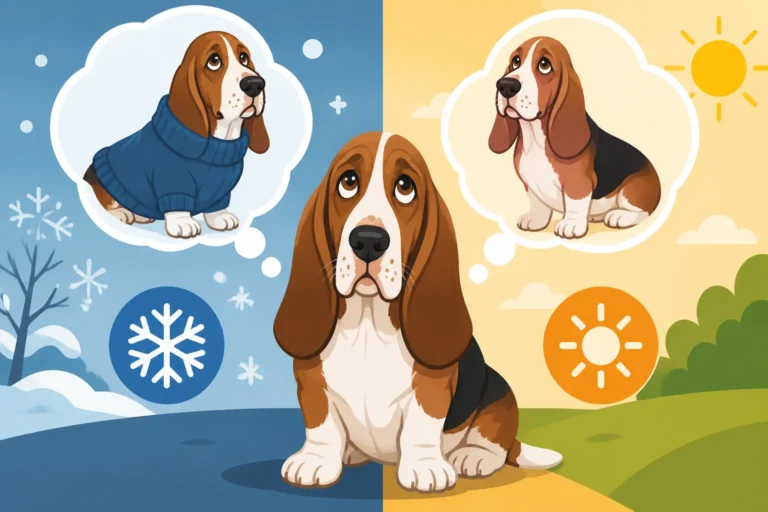
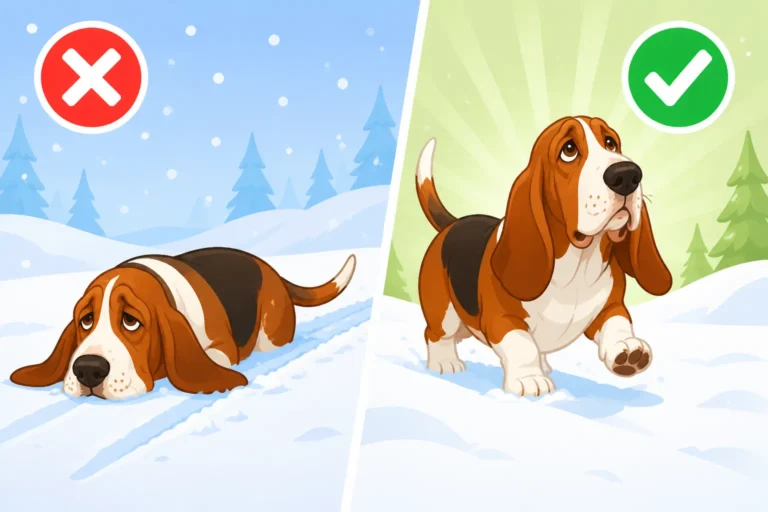
Basset Hounds are not built for extreme weather. Their low-slung bodies mean their chests are very close to the ground, making them prone to overheating in hot weather and getting very cold and wet in winter or rain. On hot days, walks should be scheduled for early morning or late evening to avoid the heat of the day. Always ensure they have access to shade and plenty of fresh, cool water. Never leave a Basset Hound in a parked car, even for a few minutes.
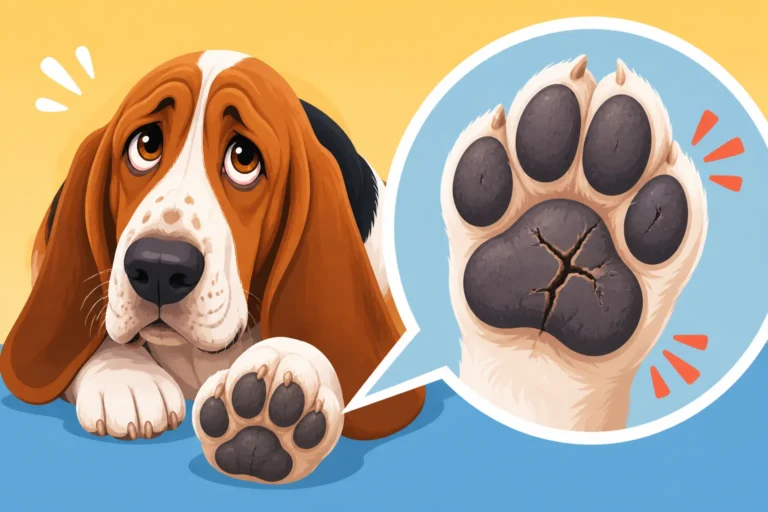
In cold, wet, or snowy conditions, a dog coat or sweater can be a practical necessity to keep their core warm and prevent their belly from dragging through slush. Check their paw pads daily after walks in winter, especially if exposed to ice melt or salt, and consider paw balms or booties. These daily adjustments to their routine based on weather conditions are critical for their health and comfort.
Regular Health Checks and Preventative Care
Being a Basset Hound owner means becoming a keen observer of your dog's daily habits and physical state. Many potential health issues can be caught early with consistent, at-home checks, saving discomfort for your dog and stress for you.
Daily At-Home Health Checks
Beyond checking their ears and folds, a quick head-to-tail check can become part of your daily bonding routine. Run your hands over their body, feeling for any new lumps, bumps, or areas of sensitivity. Check their eyes for redness, discharge, or cloudiness (early signs of issues like glaucoma, a concern for Bassets). Look at their nose – is it moist and clean, or dry and cracked?
Observe their gait when they walk – is there any new limping or stiffness? Pay attention to their appetite and water intake – any sudden changes can be significant. Monitor their elimination habits: are their stools normal? Is there any straining? These are all indicators of overall health, and changes warrant a call to your vet. This consistent daily vigilance can truly be life-saving and is crucial for The Ten to Twelve Years a Basset Hound Lives.
The Importance of Consistent Routine
Dogs, especially Basset Hounds, thrive on routine. A consistent daily schedule for feeding, walks, potty breaks, and playtime helps them feel secure and reduces stress. It also makes it easier for you to notice when something is off. If your Basset usually greets you with a wagging tail and suddenly seems lethargic or withdrawn, that deviation from the norm is a signal.
A consistent routine also aids in house-training and behavior management. They learn what to expect and when, which can prevent accidents and reduce anxiety. Even small disruptions can impact a sensitive Basset, so striving for predictability in their daily life is a gift you can give them.
Essential Supplements and Preventative Measures
While not strictly daily medications for all Bassets, certain preventative measures and supplements often become a daily consideration. Many Basset owners, especially as their dogs age, consider daily joint supplements containing ingredients like glucosamine and chondroitin to support their vulnerable joints and prevent issues like arthritis, which can manifest as early as Arthritis in a Basset Hound at Seven. Always discuss any supplements with your veterinarian before introducing them.
Flea, tick, and heartworm prevention are also typically administered monthly or quarterly, but the decision to use them and ensure you have them on hand is a daily, ongoing responsibility. Keeping your Basset at a healthy weight is perhaps the most crucial daily preventative measure of all. Excess weight puts immense strain on their joints, spine, and internal organs, exacerbating nearly every health issue they are prone to. What Extra Weight Does to a Basset Hound is a serious concern.
Love, Attention, and Training: The Emotional Staples
A Basset Hound isn't just a collection of physical needs; they are intelligent, sensitive, and deeply social creatures who require daily emotional engagement, companionship, and consistent guidance to be well-adjusted family members.
Building a Strong Bond
Beyond providing food and shelter, your Basset Hound needs your time, affection, and attention every single day. They thrive on companionship and being part of the family. Daily cuddles, gentle petting, and simply spending time together, whether it's watching TV or puttering around the house, strengthen your bond. Bassets are loyal and loving, and they return affection tenfold.
This daily interaction also serves a practical purpose: it helps you understand your Basset's individual personality, their quirks, and subtle cues, making those health and behavior checks even more effective. A strong bond built on trust and positive interactions makes everything from ear cleaning to vet visits less stressful for both of you.
Reinforcing Basic Manners
Consistent, daily reinforcement of basic obedience cues is crucial for a Basset Hound. Their "stubborn" reputation often stems from a lack of consistent training and motivation rather than true disobedience. Short, positive training sessions, perhaps 5-10 minutes twice a day, are far more effective than long, infrequent ones. Use high-value treats and praise to reward desired behaviors.
Focus on cues like "sit," "stay," "come" (though their recall on a scent is another story, as in The Recall a Basset Hound Will Never Reliably Give You), and "leave it." These aren't just tricks; they're vital for safety and managing their strong instincts. Practicing these in various environments can help them generalize their learning. Remember, Bassets learn at their own pace, and patience is a virtue when training these hounds.
Socialization and Companionship Needs
While Basset Hounds are generally good-natured, daily positive interactions with people and other dogs (if appropriate for your individual Basset) are important for maintaining their social skills. This doesn't necessarily mean a daily trip to a busy dog park, but rather controlled, positive exposure. Regular walks where they encounter other people and dogs, or supervised playdates with trusted canine friends, help them remain well-adjusted.
Bassets are also prone to separation anxiety if left alone for extended periods without adequate mental and physical stimulation. While not every Basset needs a second dog, they certainly thrive on companionship. If you work long hours, daily dog walkers or doggy daycare might become a necessary part of their routine to ensure they get the social interaction and attention they need.
Disclaimer
This article is for general informational purposes only and does not constitute professional advice. Laws, prices and regulations vary by location and change over time. Consult a qualified professional for guidance on your specific situation.