How Often a Basset Hound’s Ears Should Be Done
One of the biggest head-scratchers for new Basset Hound owners, and honestly, even some seasoned ones, is figuring out just how often those magnificent, droopy ears need cleaning. It’s not a simple "once a week and you're done" kind of answer, and if you get it wrong, you’re in for a world of smelly, painful trouble for your beloved hound. This guide is here to untangle that mystery, giving you a realistic roadmap for keeping your Basset's ears healthy and happy, and hopefully, saving you some frantic vet visits.
Why Basset Hounds Are Prone to Ear Troubles
Let's face it, Basset Hounds are adorable, but their design isn't exactly built for self-cleaning ears. Their unique anatomy, while contributing to their charm and incredible scenting ability, also creates a perfect storm for ear infections. Understanding why they're so susceptible is the first step in knowing how diligently you need to care for them.
The Long, Heavy Ear Flaps
Those iconic, low-set, lengthy ears are a hallmark of the Basset Hound breed, often dragging on the ground and sweeping up scents. While fantastic for tracking, they create a heavy, floppy curtain over the ear canal. This flap effectively seals off the ear canal from fresh air circulation. Imagine wearing earmuffs all day, every day – that's a Basset's ear environment. This lack of ventilation creates a warm, moist, dark habitat where bacteria and yeast absolutely thrive. It's a constant battle against nature, and it’s why your Basset's ears feel damp even when they haven't been swimming. This unique anatomical feature is a primary reason for the breed's notorious ear issues and why a meticulous cleaning schedule is so vital.
The Narrow, L-Shaped Ear Canal
Beyond the external ear flap, the internal structure of a Basset Hound's ear canal is also a major culprit in their predisposition to problems. Unlike humans or many other breeds, a Basset's ear canal isn't a straight shot. It has a distinctive "L" shape, with a vertical canal leading down to a horizontal canal, ending at the eardrum. This design makes it incredibly difficult for debris, wax, and moisture to drain out naturally. Gravity, which helps clear a lot of ear canals, is working against your Basset.
When ear infections take hold, the swelling within this already narrow, twisted canal can quickly block it off entirely, trapping pus and making treatment a real challenge. You can easily see why Why a Basset Hound's Ear Canal Never Dries is such a critical topic for us Basset owners. All this means that regular, thorough cleaning isn't just a good idea; it's a non-negotiable part of responsible Basset Hound ownership to prevent serious issues.
Factors That Influence Cleaning Frequency
There's no single "magic number" for how often you should clean your Basset Hound's ears. It truly depends on a variety of factors, from their individual ear health to their lifestyle and even the climate you live in. What works for one Basset might not work for another, and what works one season might not work the next. It’s all about tuning into your specific hound and being flexible.
Individual Basset Hound Predisposition
Just like people, every Basset Hound is an individual. Some are simply more prone to ear wax buildup, yeast overgrowth, or bacterial infections than others. You might have a Basset who, despite the breed's general reputation, rarely has an ear issue, needing only minimal maintenance. Then you might have another who seems to develop a problem if you even think about skipping a cleaning. This individual predisposition can be due to subtle differences in ear canal shape, skin type, or even underlying allergies.
If your Basset has a history of chronic ear infections, or if you've ever dealt with The Ear Infections That Never Really Leave a Basset Hound, then your cleaning schedule will likely need to be more frequent and vigilant than for a hound with a clean bill of ear health. Paying close attention to how quickly their ears get dirty or irritated after a cleaning session will be your best guide.
Environmental and Lifestyle Factors
Your Basset's daily life plays a huge role in how often their ears might need attention. Do they spend a lot of time outdoors, sniffing through tall grass and damp leaves? All that debris and moisture can easily find its way into those long, low-slung ears. Living in a humid climate can also contribute to a moister ear canal, making it a more hospitable environment for unwanted guests like yeast.
Consider if your Basset loves to swim. While some Bassets aren't exactly water dogs, if yours enjoys a dip, water trapped in those deep canals can quickly lead to infection. Whether a Basset Hound's Ears Trap Water is a common concern. Even something as simple as dusty walking trails or a home with a lot of indoor allergens can impact ear health. A Basset living a mostly indoor, low-activity life might need less frequent cleaning than an adventurous outdoor explorer.
Health Status and Allergies
Underlying health conditions, particularly allergies, are massive contributors to ear problems in Basset Hounds. Many Bassets suffer from environmental allergies (like pollen or dust mites) or food allergies, and often, the first sign of these allergies manifests as itchy, inflamed ears. When the ear canal is irritated by an allergic reaction, it produces more wax and sebum, creating an even more inviting environment for secondary infections.
A Basset Hound with seasonal allergies might need more frequent cleanings during peak allergy seasons, even if their ears are fine the rest of the year. Similarly, if your Basset is on certain medications or has a compromised immune system, their susceptibility to ear infections might increase, necessitating a more proactive cleaning approach. If you suspect allergies are at play, discussing this with your vet is crucial, as managing the underlying allergy can significantly reduce the frequency and severity of ear infections.
Recognizing When Your Basset Hound's Ears Need Attention
Beyond a routine schedule, it’s vital to become an expert in recognizing the signs that your Basset Hound's ears need immediate attention. Sometimes, an ear might look fine one day and be clearly irritated the next. Being observant can help you catch problems early, preventing them from escalating into painful, full-blown infections.
Visual and Olfactory Cues
Your Basset's ears can tell you a lot just by looking and smelling. Take a peek inside regularly, lifting those long flaps and examining the visible part of the canal. What are you looking for? Redness, swelling, or discharge that isn't light brown and minimal. Healthy ear canals should be a pale pink and relatively clean. If you see excessive dark brown, black, or yellowish discharge, it's a red flag. Crustiness or scabbing on the inner ear flap or around the canal opening also indicates a problem.
And then there's the smell. Oh, the smell. A healthy Basset ear has a very faint, yeasty smell, or perhaps no smell at all. If you catch a strong, unpleasant odor—often described as sweet, sour, or truly foul—it's a clear sign that something is brewing. Whether a Basset Hound's Ear Smells Sweet or Sour is a classic indicator of different types of infections. Don't dismiss a noticeable change in odor; it's one of the most reliable early warnings.
Behavioral Changes in Your Basset
Bassets are pretty stoic, but even they will show signs of discomfort when their ears are bothering them. Watch for changes in their behavior. Are they shaking their head more often than usual? Pawing or scratching at their ears? Rubbing their head against furniture or the carpet? All of these are clear indicators of itchiness or pain. Some Bassets might become more irritable, reluctant to let you touch their head, or even vocalize when you go near their ears.
A common sign of ear trouble is a sudden change in how they carry their head, perhaps tilting it to one side, or seeming a bit off-balance. If you notice any of these behavioral cues, don't wait for your next scheduled cleaning. It's time to investigate immediately. Catching these subtle hints can mean the difference between a simple ear flush and a trip to the vet for medication. You'll want to review The Signs a Basset Hound's Ear Has Gone Bad to be fully prepared.
Establishing an Ideal Cleaning Schedule
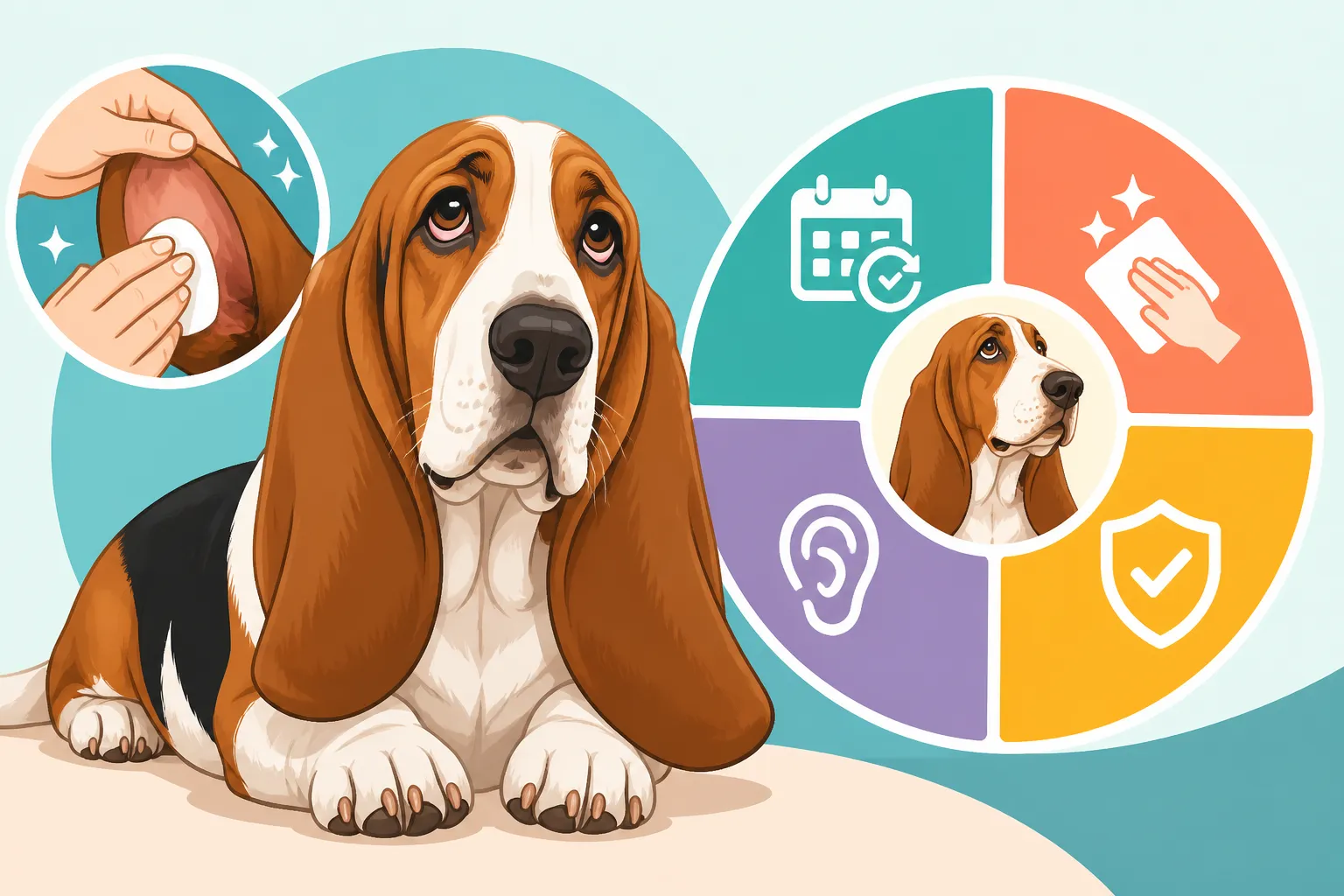
So, knowing all this, what's the verdict? How often should you actually clean those precious Basset ears? The general consensus for a healthy Basset Hound is at least once a week, but many, many Basset owners find themselves cleaning more often than that.
Baseline: Once a Week for Most Bassets
For the average, healthy Basset Hound without active infections or severe allergies, a thorough ear cleaning once a week is a good starting point. This consistent schedule helps remove accumulated wax, dirt, and moisture before they can become problematic. It also allows you to regularly inspect their ears for any early signs of trouble. Think of it as preventative maintenance, much like changing the oil in your car.
If your Basset is particularly active outdoors, enjoys splashing around, or lives in a very humid environment, you might find that once a week isn't quite enough. You might notice excess wax or a faint odor creeping in by day five or six. In such cases, stepping up to twice a week can make a significant difference. It’s all about finding that sweet spot for your individual dog to prevent issues like Whether a Basset Hound's Ear Infection Ever Clears.
Adjusting for Specific Needs
Here's where the individual assessment really comes into play. If your Basset Hound has a history of chronic ear infections, or if your vet has diagnosed them with ongoing allergies that manifest in their ears, your "ideal" schedule will be more intensive. For these hounds, cleaning two to three times a week might be necessary to keep things under control. Some Bassets on a maintenance protocol for recurring yeast infections, for example, might even need daily cleaning for short periods as recommended by their vet, especially if a flare-up is just starting.
Conversely, if your Basset has exceptionally clean ears after a week, with minimal wax and no odor, you might be able to stretch it to every 10 days, but rarely less often than that. The key is monitoring. Every time you clean, pay attention to the amount of debris you remove and how quickly it re-accumulates. This observational data will be your most valuable tool in fine-tuning your Basset’s personal ear care calendar. Consistency is far more important than any rigid rule, and you'll want to know How Often a Basset Hound's Ears Must Be Cleaned for long-term health.
| Factor | Recommended Cleaning Frequency | Notes |
|---|---|---|
| Healthy, low-risk Basset | Once a week | Standard preventative care. |
| Active/Outdoor Basset | 1-2 times a week | More exposure to dirt, debris, and moisture. |
| Humid Climate Living | 1-2 times a week | Increased moisture retention in ears. |
| History of Mild Issues | 2 times a week | Proactive measure to prevent recurrence. |
| Active Allergies/Chronic Infections | 2-3 times a week (or as vet advises) | Often requires diligent cleaning to manage inflammation and secondary infections. Consult your vet for specific advice. |
| After Swimming/Bath | Immediately after activity | Essential to remove trapped water. |
The Ear Cleaning Process and Essential Tools
Once you’ve nailed down your frequency, knowing how to clean effectively and having the right tools on hand will make the entire process smoother for both you and your Basset. It's not just about dumping cleaner in; it's about a methodical approach that gets the job done without causing further irritation.
Gathering Your Supplies
Before you even start, make sure you have everything you need laid out. This will prevent you from having to search for items with a wiggling Basset in one arm. You'll need a good quality, vet-approved ear cleaner specifically designed for dogs. Many owners find brands available on Chewy or Amazon to be readily accessible and effective, but always check with your veterinarian for their recommendation, especially if your Basset has sensitive skin or a history of infections. Avoid cleaners with alcohol, as they can be drying and irritating.
You'll also need plenty of cotton balls or gauze pads – steer clear of cotton swabs, which can push debris further into the ear canal and potentially damage the eardrum. A towel is essential for catching excess cleaner and for giving your Basset's ears a good wipe down after they shake their head (which they will do!). Having a few high-value treats on hand is also a fantastic idea to make the experience more positive. For more in-depth instructions, check out How to Clean a Basset Hound's Ears Properly.
The Step-by-Step Cleaning Method
With your supplies ready and your Basset in a calm mood (perhaps after a nice sniff-walk), find a comfortable spot.
- Examine the Ear: First, gently lift the ear flap and visually inspect the ear canal for any signs of redness, swelling, or unusual discharge. Take a deep sniff. If you see signs of a full-blown infection (lots of puss, extreme redness, pain), stop and call your vet. Do not proceed with cleaning.
- Apply Cleaner: Hold the ear flap up and carefully squeeze the recommended amount of ear cleaner into the ear canal. The goal is to fill the canal, but not overflow it entirely if your dog is tolerant.
- Massage the Base: Gently massage the base of your Basset’s ear for about 20-30 seconds. You should hear a squishy sound, which means the cleaner is breaking up wax and debris deep within the canal. This part is crucial for loosening everything up.
- Allow the Shake: Let your Basset shake their head vigorously. This is where that towel comes in handy! The shaking helps to expel the loosened debris and excess cleaner from the deeper parts of the ear.
- Wipe Clean: Using cotton balls or gauze pads wrapped around your finger, gently wipe out the accessible parts of the ear canal and the inner ear flap. Go only as far as your finger can comfortably reach. Don't dig deep or try to force anything. Continue wiping with fresh cotton until the cotton comes out clean.
- Reward: Lavish your Basset with praise and treats! Making it a positive experience will make future cleanings much easier. Some Bassets are real stoics, while others try to fight you every step of the way, which is why learning Teaching a Basset Hound to Tolerate Ear Cleaning is so important from an early age.
Remember, patience and gentleness are key. If your Basset shows signs of pain or extreme discomfort, consult your vet immediately.
The Risks of Neglecting Ear Care
Skipping ear cleanings for a Basset Hound isn't just a minor oversight; it can lead to serious, painful, and expensive health problems. It's one of the most common reasons Basset Hounds end up at the vet, and often, the issues could have been prevented with consistent care.
Chronic Ear Infections and Pain
The most immediate and common consequence of neglected ear care is the development of chronic ear infections, known medically as otitis externa. Without regular cleaning, the perfect storm of moisture, warmth, and wax buildup creates an ideal breeding ground for bacteria and yeast. These infections cause intense itching, pain, and inflammation. Your Basset might constantly shake their head, scratch at their ears, or rub them raw.
If left untreated, these infections can become deeply embedded, affecting the middle and even inner ear. Chronic infections can lead to permanent changes in the ear canal, such as thickening and narrowing (stenosis), making it even harder for air to circulate and for medications to penetrate. This creates a vicious cycle of recurring infections and discomfort. It's a truly miserable experience for your dog, and can even escalate to Whether a Basset Hound Needs Ear Surgery in severe cases.
Potential for Hearing Loss and Surgery
When chronic ear infections go unchecked, the prolonged inflammation and buildup of scar tissue can lead to irreversible damage to the ear canal and eardrum. Over time, the ear canal can become so calcified and stenotic that it effectively closes off, trapping all infection inside. This can result in significant, and sometimes permanent, hearing loss for your Basset Hound.
In these advanced stages, the only recourse might be a total ear canal ablation (TECA), a major surgical procedure where the entire ear canal is removed, and the ear drum area is sealed off. This surgery is costly, invasive, and typically reserved for cases where all other medical treatments have failed and the dog is in constant, severe pain. While TECA can bring relief from pain, it also results in permanent deafness in the affected ear. It's a stark reminder of why diligent preventative care is so crucial for your Basset's long-term health and well-being. Ultimately, understanding What Basset Hounds Are Most Often Treated For reveals that ear issues are at the top of the list, making preventative care paramount.
Disclaimer
This article is for general informational purposes only and does not constitute professional advice. Laws, prices and regulations vary by location and change over time. Consult a qualified professional for guidance on your specific situation.