The Basset Hound Against the Dachshund
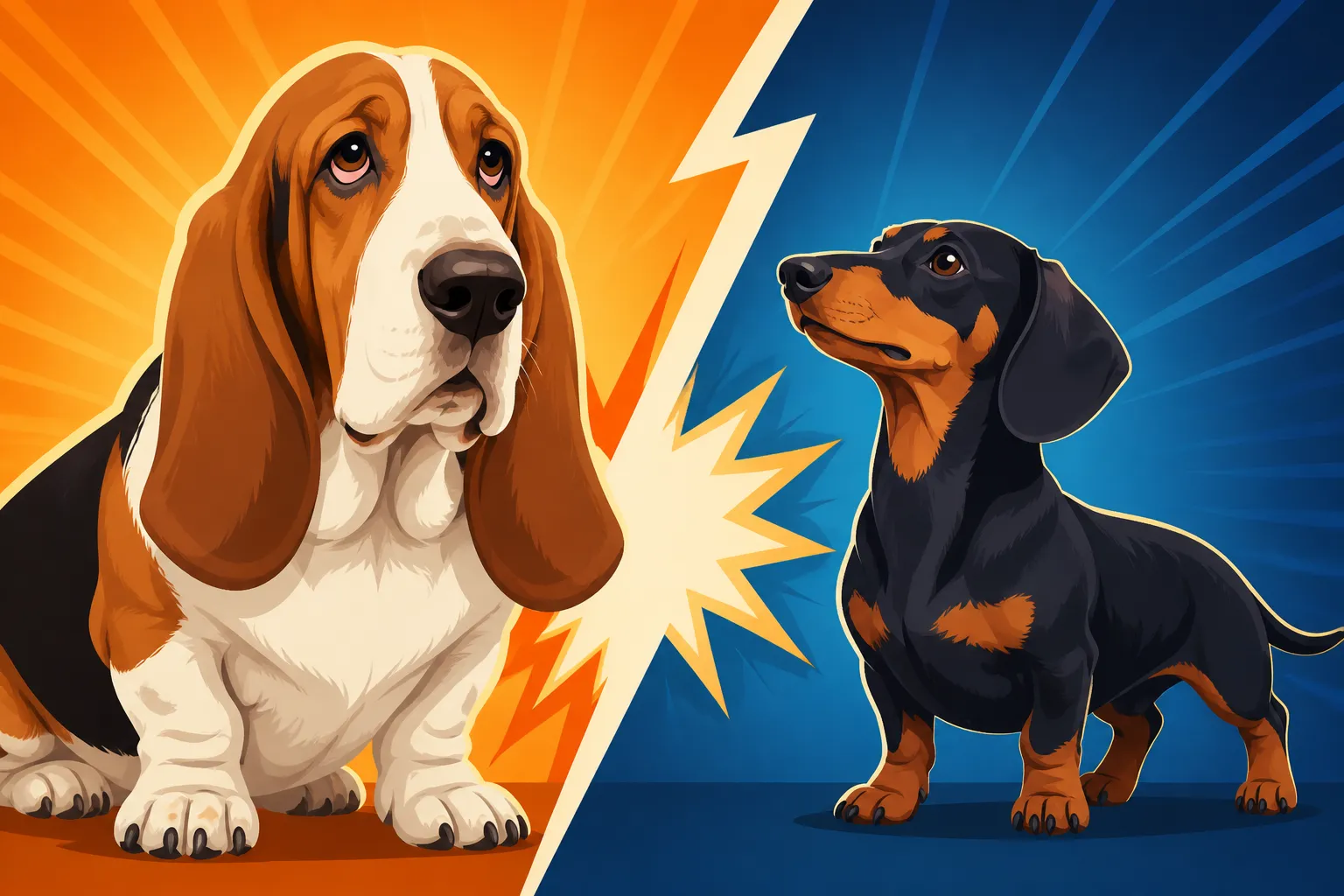
Deciding between a Basset Hound and a Dachshund can feel a bit like choosing between two wonderfully quirky, low-slung, long-bodied companions – they share a certain silhouette, but their personalities and needs are surprisingly distinct. Many folks find themselves drawn to both breeds, only to discover that what seems like a minor difference on paper translates into a significant impact on daily life. This guide will help you unpack the real differences, frustrations, and joys of living with each, so you can make an informed choice for your home and heart.
Unpacking Their Origins and Purpose
It’s easy to look at a Basset Hound and a Dachshund side-by-side and assume they come from a similar background, given their distinctively long, low bodies. But peel back the layers of history, and you’ll find that their initial purposes, and the skills they were bred for, created two very different dogs with unique drives and temperaments. Understanding this historical foundation is key to appreciating their modern-day quirks.
The Basset Hound's French Hunting Heritage
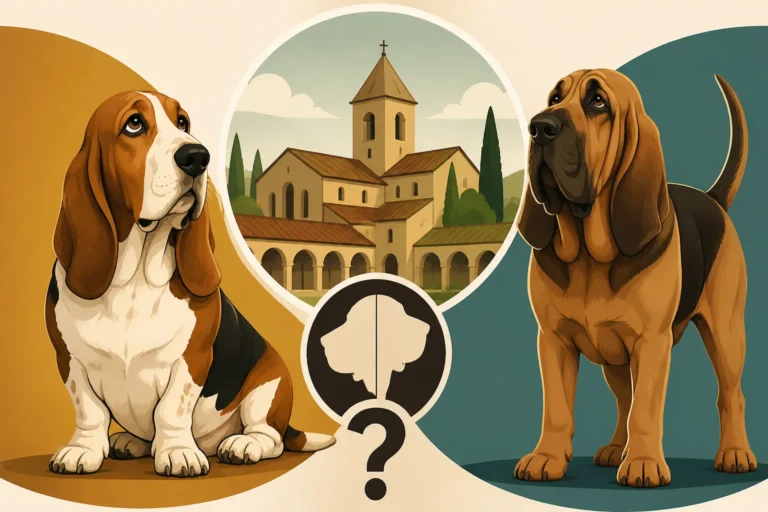
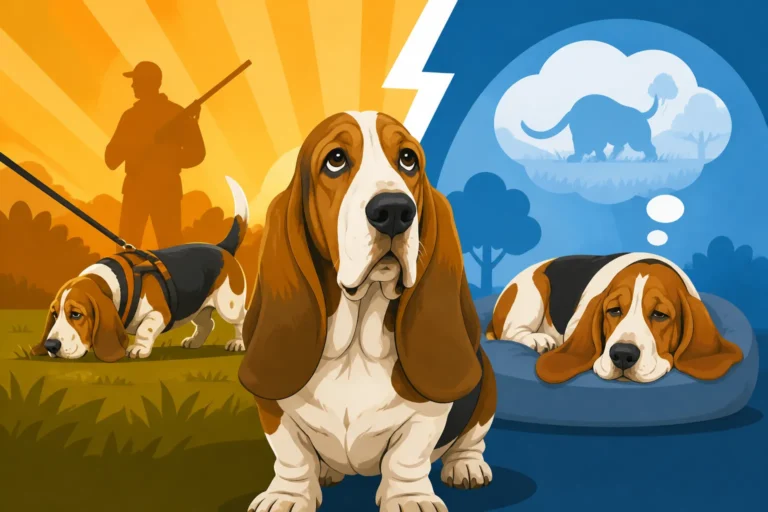
Our beloved Basset Hounds trace their lineage back to France, where they were meticulously bred from larger hounds, specifically the St. Hubert Hound, to create a slower, ground-scenting dog that hunters could follow on foot. Imagine a misty morning in the French countryside, a hunter on foot, needing a dog that could meticulously follow a cold trail without outrunning them. That's our Basset, purpose-built. Their short legs, incredibly long ears, and deeply wrinkled skin all serve a specific function in their original job.
Those impossibly long ears? They're not just for show; they actually sweep scent from the ground towards their nose, creating a veritable scent bubble for unparalleled tracking. Their loose skin, often referred to as a "dewlap," also traps scent particles, allowing them to truly immerse themselves in a trail. This dedication to scent work is why a Basset Hound can become almost deaf to the world once it catches a whiff of something interesting. This instinct is so ingrained that you'll quickly learn Why a Basset Hound Stops Hearing You When It Smells Something. It’s not stubbornness; it’s ancient instinct kicking in.
The Dachshund's German Badger-Hunting Roots
In contrast, the Dachshund, meaning "badger dog" in German, was developed for a far more intense and dangerous task: hunting badgers and other den-dwelling animals. They needed to be tenacious, brave, and incredibly focused to go head-to-head with formidable prey underground. Their long, low bodies weren't just for following a trail on the surface; they were specifically designed to fit into narrow badger setts, with powerful front paws for digging and a strong, flexible spine to navigate tight tunnels.
This historical role bred a dog with immense courage and a fierce, independent spirit. They had to make decisions quickly and bravely underground, often without human direction. While modern Dachshunds are rarely badger hunting, that independent, sometimes stubborn, streak is still very much a part of their charm (or challenge, depending on the day!). They might be small, but they carry the heart of a big game hunter in their compact bodies.
Physical Characteristics: More Than Just "Long and Low"
While both breeds are famous for their elongated bodies and short legs, a closer look reveals significant differences in their build, weight, and overall appearance. These aren't just cosmetic variations; they impact their health, mobility, and daily care in profound ways.
The Basset Hound: A Heavyweight Hunter
When you see a Basset Hound, you're looking at a substantial dog in a low-rider package. Despite their short stature, Bassets are surprisingly heavy, often weighing as much as a medium-sized dog like a Labrador. This isn't fat (though they're prone to that too!); it's dense bone and muscle. Their massive paws are designed for endurance, capable of traversing miles of varied terrain on a hunt. Their overall build is robust and sturdy, giving them a grounded, almost ponderous look.
Their skin is another defining feature – copious and loose, especially around their face, neck, and chest. This creates those charming wrinkles and dewlaps that are so characteristic. However, these folds also require specific care to prevent skin issues. Their ears, as we’ve mentioned, are exceptionally long, often dragging on the ground or dipping into their food and water bowls. This can lead to frequent ear infections, a common woe for Basset owners, and explains Why a Basset Hound's Ear Canal Never Dries. This substantial build and all that loose skin contribute to their unique gait and their propensity for certain breed-specific health concerns.
The Dachshund: Compact and Agile
Dachshunds, on the other hand, come in a range of sizes (standard, miniature, and kaninchen, though the latter is less common in some regions) and coat types (smooth, longhaired, and wirehaired). Regardless of their variation, they are built to be compact, agile, and surprisingly powerful for their size. Their weight is much lighter than a Basset's, making them easier to pick up and carry, which is a practical consideration for owners dealing with stairs or preventing jumping injuries.
Their body shape is also tailored for their badger-hunting past: a strong, muscular neck, a deep chest, and well-developed forelegs that were essential for digging. While they have short legs, they are typically straighter and more athletic than a Basset's, allowing for quicker movements and greater flexibility in tight spaces. Their ears are medium-length, lying close to the head, and while they can still be prone to ear issues, it's generally not to the same extent as a Basset's. This lighter, more compact build also influences their physical capabilities and the types of health concerns they are most susceptible to.
Temperament and Personality: Heart vs. Head
While both breeds are generally considered affectionate and good-natured, their underlying temperaments are shaped by their distinct histories. One is a laid-back, scent-driven companion; the other, a feisty, independent little warrior.
The Basset Hound: Gentle, Affectionate, and Scent-Obsessed
Basset Hounds are renowned for their incredibly gentle and easygoing nature. They are typically very calm dogs, known for their patience, especially with children and other pets. This makes them wonderful family companions. They thrive on companionship and can become quite sad if left alone for extended periods. Their deep, soulful eyes perfectly reflect their sweet disposition.
However, don't mistake their calm demeanor for a lack of drive. That powerful nose is their guiding force. When a Basset Hound catches a scent, the world disappears, and they become single-minded. This can make recall a huge challenge, leading many owners to conclude that The Recall a Basset Hound Will Never Reliably Give You. Training a Basset requires immense patience, consistency, and often, high-value food rewards. They are not naturally eager to please in the way some other breeds are; they respond best to positive reinforcement and a clear understanding of "what's in it for me?" They love a good nap on a soft bed or couch, but they also need regular, moderate exercise to keep their weight in check and their minds stimulated with scent games.
The Dachshund: Brave, Bold, and Sometimes Bossy
Dachshunds, on the other hand, are known for their lively, bold, and often sassy personalities. They are incredibly loyal to their families and can be surprisingly protective despite their size. They often think they are much larger than they are, a trait that sometimes leads to hilarious, sometimes challenging, encounters with bigger dogs. Their independent nature, a remnant of their badger-hunting days, can make them quite determined and, dare we say, a bit stubborn when they set their mind on something.
Training a Dachshund also requires consistency and a good sense of humor. They are intelligent, but they often choose whether or not to obey based on their own assessment of the situation. They can be prone to barking, especially at strangers or perceived threats, making them excellent little watchdogs but potentially problematic in apartment settings with thin walls. While they love to cuddle and burrow under blankets, they also have a surprising amount of energy and need regular walks and opportunities to explore and "hunt" (even if it's just for treats hidden in a snuffle mat from Chewy). Their strong prey drive means they might chase after small critters in the yard, so a secure fence is a must.
Health and Longevity: Different Challenges for Different Builds
Both Basset Hounds and Dachshunds are generally healthy breeds, but their unique body structures predispose them to specific health concerns. Understanding these differences is crucial for responsible ownership and budgeting for potential vet care.
Basset Hound Health Concerns
The Basset Hound's distinctive shape, while endearing, comes with its own set of potential health challenges. Their most famous feature, those long, pendulous ears, are unfortunately prone to chronic ear infections. The ear canal is long and narrow, and the heavy ear flaps trap moisture and debris, creating a perfect breeding ground for bacteria and yeast. Many Basset owners find themselves on a routine of ear cleaning and medication, and sometimes even surgery, as detailed in What a Total Ear Canal Ablation Costs on a Basset Hound.
Beyond their ears, Bassets are susceptible to back problems, specifically Intervertebral Disc Disease (IVDD), due to their long spines. While perhaps not as fragile as a Dachshund's back, it's still a significant concern. Obesity exacerbates these issues, putting extra strain on their joints and spine, which is why What Extra Weight Does to a Basset Hound is so important to understand. They can also suffer from elbow dysplasia and glaucoma, and like many deep-chested breeds, bloat (gastric dilatation-volvulus) is a life-threatening emergency to be aware of. Regular vet check-ups are essential, and a quality pet insurance policy might be a wise investment.
Dachshund Health Concerns
Dachshunds, too, have their Achilles' heel, primarily their long, low backs. IVDD is a pervasive concern in the breed, with a significant percentage of Dachshunds experiencing disc problems at some point in their lives. This can range from mild pain to complete paralysis, often requiring extensive medical management or even surgery. Preventing jumping from furniture and using ramps or steps to access elevated surfaces is highly recommended to protect their delicate spines.
Beyond back issues, Dachshunds can be prone to patellar luxation (slipping kneecaps), certain eye conditions like progressive retinal atrophy, and dental disease due to their small mouths and crowded teeth. As they age, keeping them at a healthy weight is paramount to minimizing strain on their joints and spine. Regular dental care, including brushing their teeth and professional cleanings, can help prevent painful oral infections. Knowing Whether a Basset Hound Is Healthier Than a Dachshund isn't about one being perfectly healthy, but understanding which challenges each faces.
A Comparative Look at Health Risks
Here's a quick overview of some common health considerations for both breeds:
| Health Concern | Basset Hound Risk | Dachshund Risk |
|---|---|---|
| Ear Infections | Very High (long, pendulous ears trap moisture & debris) | Moderate (can occur, but less frequent due to ear type) |
| Intervertebral Disc Disease (IVDD) | High (long spine, body weight puts strain) | Very High (major breed predisposition) |
| Obesity | High (prone to overeating, less active temperament) | High (can exacerbate back problems, food motivated) |
| Bloat (GDV) | Moderate-High (deep-chested breed risk) | Low-Moderate |
| Glaucoma | Moderate-High (predisposition in some lines) | Low-Moderate |
| Elbow Dysplasia | Moderate-High (due to leg structure) | Low |
| Dental Disease | Moderate (less focus than ears, but still important) | High (crowded teeth, small mouth) |
| Patellar Luxation | Low-Moderate | Moderate-High |
Training and Exercise Needs: Guiding Those Instincts
Training and exercise are fundamental to a happy, well-adjusted dog, and here's where the differences between a Basset Hound and a Dachshund become very apparent. Their historical roles dictate their natural drives and how they respond to learning and physical activity.
Training the Scent-Driven Basset Hound
Training a Basset Hound often feels like a negotiation rather than a command performance. They are intelligent, but their primary driver is their nose, not necessarily pleasing their human. You'll need an abundance of patience, positive reinforcement, and high-value treats to capture their attention. Basic obedience can be learned, but mastery requires consistency. Expect them to be easily distracted by interesting smells on walks – Whether a Basset Hound Can Be Called Off a Trail is a frequent concern for owners!
When it comes to exercise, Basset Hounds need more than you might think, but it's not about high-impact activities. Long, meandering walks where they can sniff and explore are ideal, allowing their powerful noses to engage. However, be mindful of their back and joints; no excessive jumping or forced running. A well-fenced yard is absolutely essential, as their scent drive can lead them to wander far from home. Mental stimulation through scent work games, puzzle toys, and snuffle mats (available at Chewy, among other retailers) can be incredibly beneficial for these intelligent, olfactory-driven dogs. How Far a Basset Hound Should Walk will depend on the individual dog and its age, but slow and steady wins the race.
Training the Tenacious Dachshund
Dachshunds are smart and can learn quickly, but their independent and sometimes stubborn nature means they need a firm, consistent, and positive training approach. They respond well to reward-based methods, but you must be more interesting than whatever else has caught their attention. Early socialization is crucial to curb any tendencies towards being overly vocal or wary of strangers. Housetraining can sometimes be a challenge, as they might have a tendency to "forget" their training if not consistently reinforced.
For exercise, Dachshunds, especially the standard size, need regular walks to burn off energy and maintain muscle tone, which is vital for supporting their spines. Short bursts of play, digging in a designated sandpit, or engaging in scent games can also be great outlets for their natural instincts. While they are agile, always protect their backs by preventing them from jumping off high surfaces. Activities like earthdog trials or nose work can be fantastic ways to channel their innate hunting drives in a safe and structured environment. Whether a Basset Hound Can Do Tracking Trials or other scent sports offers a great way to bond and stimulate their minds.
Care and Grooming: Beyond the Basics
Both breeds require specific care routines that go beyond general dog maintenance, largely due to their unique physical traits. Understanding these needs upfront can save a lot of frustration (and vet bills!) down the line.
Basset Hound Care Essentials
The Basset Hound's care routine is heavily focused on those magnificent ears and their abundant loose skin. Their long, heavy ears need regular cleaning, often several times a week, to prevent infections. You’ll become a pro at it, trust me. It's a ritual, a fact of Basset life. How Often a Basset Hound's Ears Must Be Cleaned is a question many new owners quickly learn the answer to. Additionally, their facial folds and dewlaps need to be kept clean and dry to prevent skin fold dermatitis and yeast infections, particularly around the mouth and eyes. Gentle wiping with a soft cloth or specific pet wipes can help, and always dry thoroughly afterwards.
Bassets have a short, dense coat that sheds moderately year-round. A weekly brush with a rubber curry comb can help manage the shedding and distribute natural oils. While they don't need professional grooming for intricate cuts, regular baths (which can be quite an undertaking for their size!) are necessary to keep them smelling fresh. Don't forget their nails; due to their low-to-the-ground stance, their nails may not wear down naturally and will need regular trimming. Providing soft bedding is also crucial, particularly for their elbows, which are prone to calluses. When considering purchasing supplies for your Basset, including special ear cleaners or orthopedic beds, many online retailers like Chewy offer a wide variety of options that cater to their specific needs.
Dachshund Care Essentials
Dachshund care varies slightly depending on their coat type. Smooth-haired Dachshunds are the easiest, requiring minimal brushing, perhaps once a week, and occasional baths. Long-haired Dachshunds need more frequent brushing to prevent mats and tangles, especially around their ears, legs, and tail, while wire-haired Dachshunds require regular brushing and hand-stripping a few times a year to maintain their coat texture. Regardless of coat type, keeping their nails trimmed is important to prevent discomfort and foot problems.
Dental care is particularly important for Dachshunds. Their crowded teeth are prone to plaque and tartar buildup, which can lead to periodontal disease. Daily tooth brushing, dental chews, and regular professional dental cleanings are highly recommended. As with Bassets, keeping their facial folds clean, especially in the smooth variety, is a good practice to prevent minor skin irritations. Finally, due to their delicate backs, owners should be diligent about maintaining a healthy weight and providing ramps or steps for furniture access, as detailed in Keeping a Basset Hound Off the Furniture It Should Not Jump From. While this link specifically references Basset Hounds, the principle applies equally, if not more, to Dachshunds.
The Verdict: Which Hound is Right for You?
Ultimately, the choice between a Basset Hound and a Dachshund boils down to understanding their core needs and how they align with your lifestyle. Both are incredible companions, but they bring very different energies and demands to a household.
If you're looking for a dog that is generally laid-back, profoundly gentle, and can spend hours meticulously investigating a scent trail, a Basset Hound might be your perfect match. You'll need patience for their training, a commitment to their ear and skin care, and a secure environment to manage their wandering nose. They fit well into families seeking a calmer, affectionate presence, and are often excellent with children and other pets, provided they get their daily sniff-fari.
On the other hand, if you appreciate a dog with a big personality in a small package, full of spunk, courage, and a playful, protective streak, a Dachshund could be your ideal companion. You'll need to be prepared for their independent nature, potential vocalizations, and dedicated back care. They thrive with owners who can provide consistent training, opportunities for mental stimulation, and who appreciate a dog that's always ready for an adventure (or a snuggle under a blanket). Whether A Basset Hound in a House With Children or Basset Hound or Dachshund for a Small Home is the question on your mind, careful consideration of these traits will help you decide.
No matter which breed captures your heart, remember that both will require your commitment to their health, training, and unique care needs. Doing your homework now will lead to years of joy with your chosen long and low companion.
Disclaimer
This article is for general informational purposes only and does not constitute professional advice. Laws, prices and regulations vary by location and change over time. Consult a qualified professional for guidance on your specific situation.