How Many Meals a Basset Hound Puppy Needs
Bringing home a floppy-eared, wrinkle-faced Basset Hound puppy is one of life's true joys, but let's be honest, those big puppy dog eyes can make you question every decision, especially when it comes to feeding! Many new puppy parents fret over getting the feeding schedule just right, worried about providing enough nutrition for healthy growth without overdoing it. This comprehensive guide will walk you through exactly how many meals your Basset Hound puppy needs at each stage of their development, helping you set them up for a healthy, happy life.
The Unique Nutritional Demands of a Growing Basset Hound Puppy
Basset Hounds, with their distinctive long bodies and short legs, are truly special creatures. What many people don't realize, though, is that despite their somewhat "low-rider" appearance, they are still considered a moderately large breed in terms of bone structure and mature weight. This means their growth phase isn't quite as fast as a toy breed, nor as prolonged as a giant breed, but it's still a critical period that requires careful nutritional management to support their developing joints and frame.
Why Puppyhood Demands Frequent Meals
Think about human babies – they eat constantly, right? Puppyhood is no different. A young Basset Hound puppy, especially in those first few months, is growing at an incredible rate. Their tiny stomachs can't hold a large volume of food, yet their bodies are working overtime to build bones, muscles, and organs. This intense developmental period means they burn through calories much faster than an adult dog, and they simply need more frequent, smaller meals to sustain that growth and energy. It's not just about hunger; it's about providing a steady supply of nutrients to fuel their rapidly developing systems. If you've ever watched a Basset puppy play for five minutes then crash into a deep sleep, you know their energy expenditures are high!
The Rapid Growth Phases of a Basset Hound Puppy
Basset Hound puppies experience several distinct growth spurts. From birth up to around four months, they gain weight and size at an astonishing rate. This is when their bones are elongating, and their major organs are maturing. After four months, while still growing, the rate tends to slow down a bit, becoming more about filling out and solidifying bone density. By six to eight months, they are often close to their adult height, but they will continue to put on muscle mass and weight until they are closer to 18-24 months old. Giving them regular, nutrient-dense meals throughout these phases is paramount. You want to support strong, steady growth, not rapid, explosive gains that can put undue stress on their developing joints. This is a common concern for all larger breeds, and Bassets are no exception, especially with their unique skeletal structure.
Energy Requirements for Play and Development
Beyond just growing bigger, Basset Hound puppies are little bundles of energy – in short bursts, anyway! They spend their waking hours exploring with their incredible noses, wrestling with littermates or toys, and learning about the world. All this activity, even if it looks like napping for 80% of the day, demands a significant caloric intake. Their metabolism is faster than an adult's, and their need for fuel is constant. Underfeeding can lead to lethargy, poor development, and even behavioral issues, while overfeeding can lead to unhealthy weight gain that stresses delicate growth plates and developing joints. It's a fine balance, and those frequent meals are key to maintaining that energy equilibrium. The First Year With a Basset Hound Puppy is a rollercoaster of learning for both of you, and proper nutrition is your best co-pilot.
Crafting Your Basset Hound Puppy's Meal Schedule
Getting the feeding schedule right for your Basset Hound puppy is less about rigid rules and more about understanding their developmental stages. What works for a tiny newborn is completely different from what a boisterous six-month-old needs. It's a journey, and you'll adapt as your puppy grows, but here's a general roadmap to guide you.
Newborn to Eight Weeks: Mother's Milk and Weaning
For the first few weeks of life, a Basset Hound puppy's primary, and often sole, source of nutrition is its mother's milk. This milk, especially the colostrum in the first 24-48 hours, provides crucial antibodies and nutrients for immunity and initial growth. They nurse frequently, often every couple of hours.
As they approach 3-4 weeks of age, their teeth start coming in, and the weaning process begins. This is usually initiated by the breeder, who will introduce a gruel-like mixture of high-quality puppy kibble softened with warm water or puppy milk replacer. At this stage, puppies might be offered this "slurry" 4-5 times a day in addition to nursing. The goal is a gradual transition, allowing their digestive systems to adapt to solid food. By 7-8 weeks, most Basset Hound puppies are fully weaned and eating kibble, though still on a very frequent schedule. If you're picking up your puppy at eight weeks, ask your breeder exactly what and when they've been feeding, as consistency is vital in those first few days in a new home.
Eight to Twelve Weeks: The High-Frequency Stage
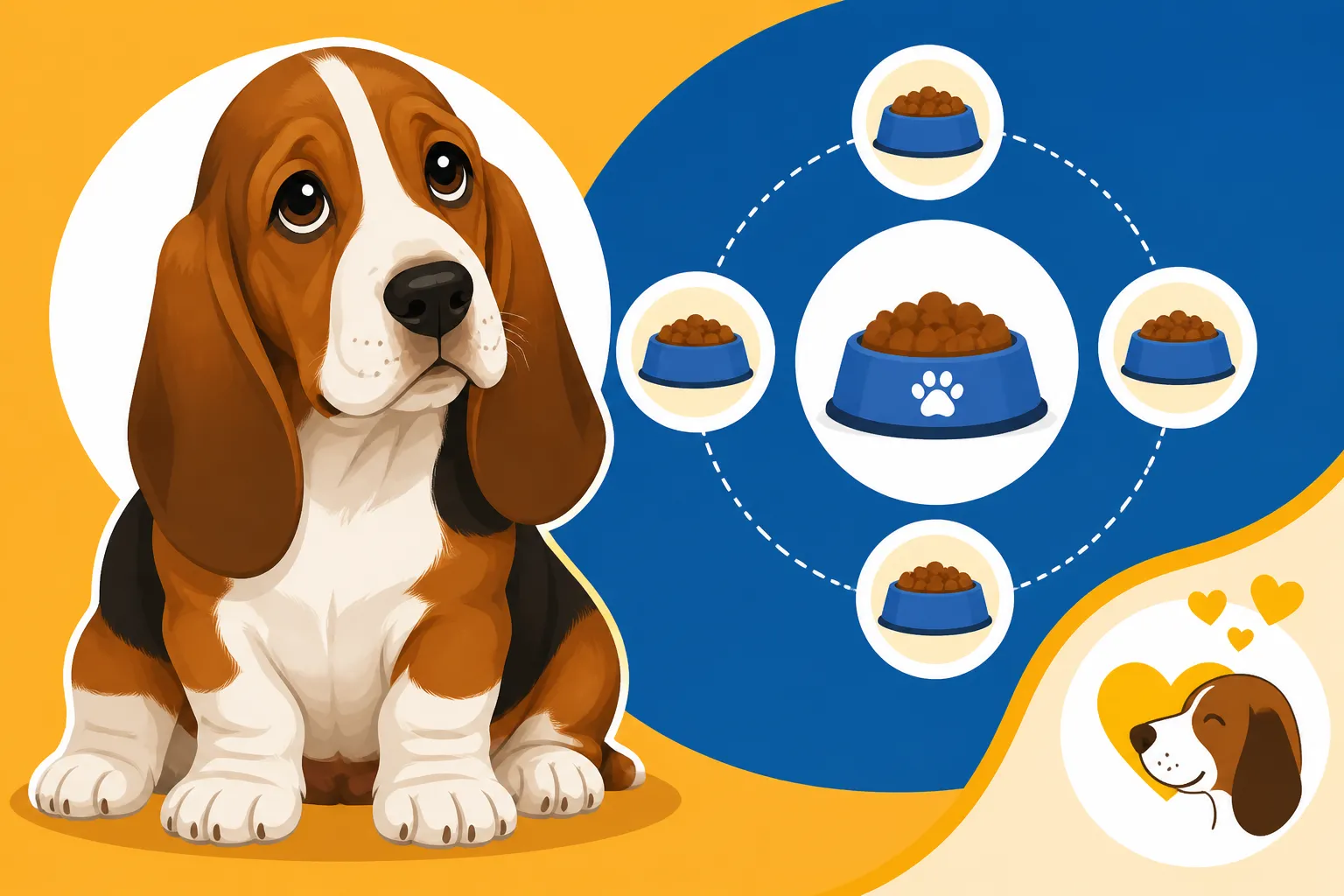
Once your Basset Hound puppy is settled in its new home, typically around eight weeks, it's generally recommended to feed them three to four small meals a day. This is the period of intense growth and development, and their small stomachs can't handle large quantities of food at once. Spreading out their daily caloric intake over multiple meals helps with digestion, maintains stable blood sugar levels, and keeps their energy consistent. Imagine trying to eat your entire day's calories in one go – it would be a struggle! It's the same for a puppy.
For example, if your puppy's total daily recommended intake is 2 cups of food, you might divide that into 3/4 cup in the morning, 1/2 cup at midday, and 3/4 cup in the evening, or four even smaller meals. Consistency is key here. Try to feed them at roughly the same times each day to establish a routine, which also helps with house-training. Many owners find that setting meals at breakfast, lunch, late afternoon, and an early evening meal works well. The Meal Schedule a Basset Hound Puppy Needs is flexible, but predictable timing is truly beneficial for their well-being and your peace of mind.
Three to Six Months: Transitioning to Fewer Meals
As your Basset Hound puppy grows from three months to six months old, their growth rate, while still significant, starts to even out slightly. Their stomachs are also developing, allowing them to handle a bit more food per meal. During this period, you can gradually reduce the feeding frequency from four meals a day to three.
For instance, if you were doing four meals, you might drop the midday meal first, or combine the two morning meals into one slightly larger breakfast. Monitor your puppy closely during this transition. Are they still energetic? Are they finishing their meals? Are they maintaining a healthy weight? If they seem excessively hungry or are losing weight, you might need to stick with four meals a bit longer or adjust portion sizes. Most Basset Hound puppies thrive on three meals a a day during this stage, often spaced roughly 6-8 hours apart (e.g., 7 AM, 1 PM, 7 PM). This allows for proper digestion and continued energy levels throughout their active days.
Six Months to a Year: Approaching Adult Routines
By the time your Basset Hound puppy reaches six months of age, many breeders and veterinarians will advise transitioning them to two meals a day. This aligns more with an adult feeding schedule and is often maintained for the rest of their lives. Again, this transition should be gradual. You might shift from three meals to two by slowly increasing the portion size of the remaining meals while eliminating the third.
For example, if they were eating three meals a day, you could combine the midday and evening meals, or simply spread the original three meal portions over two sittings. Always refer to the feeding guidelines on your specific puppy food, as the caloric density can vary greatly between brands. It's during this phase that you're also watching their overall body condition more closely, as How Much a Basset Hound Should Weigh becomes a more significant indicator. While they might appear fully grown around this time, remember they're still maturing internally, so continue with a high-quality large breed puppy food until around 12-18 months. When a Basset Hound Drops to Two Meals is usually around six months, but individual puppies can vary.
A Quick Glance at Puppy Feeding Schedules
Here's a handy table summarizing typical Basset Hound puppy feeding frequencies by age:
| Age of Puppy | Recommended Meals per Day | Notes |
|---|---|---|
| Birth to 3-4 Weeks | Frequent Nursing | Mother's milk is primary; breeders introduce gruel toward 3-4 weeks. |
| 4 to 8 Weeks | 4-5 small meals | Weaning process; eating softened kibble or gruel. Still very frequent. |
| 8 Weeks to 3 Months | 3-4 small meals | Critical growth period; small stomach capacity, high energy needs. |
| 3 Months to 6 Months | 3 meals | Growth evens out slightly; stomach can handle more food per sitting. |
| 6 Months to 12-18 Months | 2 meals | Approaching adult routine; still needing puppy-specific nutrition. Continue large breed puppy food. |
| 18 Months and Beyond | 2 meals | Adult feeding schedule; switch to adult dog food. |
Remember, these are general guidelines. Your Basset Hound puppy's individual metabolism, activity level, and growth rate might mean slight adjustments are needed.
Choosing the Right Food and Portions for a Growing Basset Hound
It's not just about how many meals, but what you're putting in their bowl and how much. A Basset Hound puppy's unique needs mean that selecting the right food is just as important as the feeding schedule itself. Making informed choices now can prevent a host of health issues down the line.
The Importance of Large Breed Puppy Formulas
This is a big one that many first-time Basset owners might overlook. Despite their short stature, Basset Hounds are considered a large breed in terms of their mature weight and bone structure. Therefore, it's absolutely crucial to feed them a large breed puppy formula, not just any generic puppy food. Why? Because large breed formulas are specifically designed with controlled growth in mind. They typically have a slightly lower calorie density and, more importantly, carefully balanced calcium and phosphorus ratios.
Feeding a regular puppy food, which is often higher in calories and has different mineral ratios, can lead to excessively rapid growth in large breeds. This fast growth puts undue stress on their developing joints and bones, increasing the risk of orthopedic problems like elbow or hip dysplasia. Given that Basset Hounds are already predisposed to joint issues, choosing the right formula is non-negotiable for their long-term soundness. Brands like Purina Pro Plan Large Breed Puppy, Royal Canin Large Breed Puppy, or even specialized fresh food options like Ollie, offer excellent options tailored to these needs. Whether a Basset Hound Needs Large Breed Puppy Food is a resounding yes!
Deciphering Feeding Guidelines and Adjusting for Your Puppy
Every bag or container of dog food comes with feeding guidelines, usually based on age and anticipated adult weight. While these are a good starting point, they are just that – guidelines. Your individual Basset Hound puppy might need more or less than what's listed. Factors like their activity level, metabolism, and even the climate you live in can influence their caloric needs.
Start with the recommended amount for your puppy's age and target adult weight, then observe. Is your puppy finishing all their meals eagerly? Are they maintaining a healthy body condition (more on that next)? If your puppy seems constantly hungry but isn't gaining too much weight, a slight increase might be warranted. Conversely, if they're leaving food or gaining weight too quickly, a small reduction is in order. It's a process of careful observation and adjustment, often in consultation with your veterinarian. Remember, consistency in measuring their food is key – don't eyeball it! Use a dedicated measuring cup.
Monitoring Weight and Body Condition in a Basset Hound Puppy
This is probably the most critical aspect of managing your Basset Hound puppy's diet. Forget the numbers on the scale for a moment; what truly matters is their body condition. You want to aim for lean, steady growth, not pudgy puppy fat. A Basset Hound puppy should have a discernible waist when viewed from above, and you should be able to easily feel their ribs when gently running your hands along their sides, but not see them prominently.
Signs of a good body condition:
- You can feel their ribs with light pressure, like touching your knuckles with a flat hand.
- They have a visible waist tuck behind their ribs when viewed from above.
- Their energy levels are good, and their coat is shiny.
Signs of being too thin:
- Ribs, hip bones, and vertebrae are easily visible or felt without much effort.
- No fat covering.
- Lethargy, poor coat quality.
Signs of being overweight:
- Difficult to feel ribs without firm pressure.
- No discernible waist.
- Round appearance.
- Lethargy, difficulty moving.
Regularly assessing their body condition is far more useful than simply relying on a weight number, as Bassets can be quite dense! Your vet can also help you learn how to properly assess your puppy's body condition score. Keeping a Basset Hound at Its Correct Weight from puppyhood is essential for their long-term joint health.
Beyond the Bowl: Hydration, Treats, and Avoiding Common Pitfalls
Feeding your Basset Hound puppy isn't just about the kibble in their bowl; it's about their entire nutritional environment. This includes ensuring they're drinking enough water, how you incorporate treats into their day, and being aware of common mistakes that can derail their healthy development.
Ensuring Adequate Water Intake
Just like us, puppies need constant access to fresh, clean water. Hydration is vital for all bodily functions, from digestion to temperature regulation, and it's especially important for rapidly growing puppies. Make sure your Basset Hound puppy always has a bowl of water available, and consider multiple bowls around the house if you have a large home or yard.
Puppies tend to be messy drinkers, especially Bassets with their long ears that can dip into the water bowl. You might find yourself refilling and cleaning their water bowls frequently. If your puppy seems excessively thirsty or is not drinking enough, it's worth a call to your vet. You can also encourage drinking by adding a splash of water to their kibble, which also helps with digestion. Keeping their ears out of the water bowl can be a challenge; some owners use special narrow bowls or even Whether a Basset Hound Needs a Snood at Dinner to keep those magnificent ears dry and clean.
Smart Snacking: Treats and Training
Treats are a wonderful tool for training and bonding with your Basset Hound puppy, but they need to be factored into their overall daily caloric intake. It's easy to overdo it with treats, especially when those soulful eyes are staring up at you.
- Choose wisely: Opt for small, low-calorie training treats. You can also use pieces of their regular kibble as rewards, especially if you're doing a lot of short training sessions.
- Portion control: Break larger treats into tiny pieces. A small reward is just as effective as a big one for a puppy.
- Balance: If you're using a lot of treats for training, consider slightly reducing their regular meal portions for that day to avoid overfeeding. This becomes even more critical for a breed prone to weight gain.
- Avoid human food: Many human foods are not suitable or even dangerous for dogs. Stick to dog-specific treats.
- Enrichment: Treats can be used in puzzle toys or snuffle mats for mental stimulation, which is particularly good for intelligent scent hounds like Bassets. Whether a Basset Hound Enjoys a Snuffle Mat is a definite yes, tapping into their natural foraging instincts.
Remember, treats should be a supplement, not a significant portion of their diet.
Dangers of Overfeeding and Underfeeding
Both overfeeding and underfeeding carry significant risks for a Basset Hound puppy.
Overfeeding:
- Orthopedic issues: The most significant danger. Rapid weight gain and excess weight put immense strain on developing growth plates and joints, exacerbating conditions like elbow and hip dysplasia that Bassets are already genetically predisposed to. Whether a Basset Hound Puppy Should Grow Slowly is a critical question for their long-term joint health.
- Obesity: Sets a puppy up for a lifetime of weight struggles, leading to issues like diabetes, heart disease, and reduced lifespan. What Extra Weight Does to a Basset Hound is a sobering read.
- Digestive upset: Too much food can lead to diarrhea, vomiting, and discomfort.
Underfeeding:
- Stunted growth: Prevents proper development of bones, muscles, and organs.
- Nutritional deficiencies: Can lead to a weakened immune system, poor coat quality, and energy deficits.
- Lethargy and poor temperament: An underfed puppy might be unusually subdued or, conversely, overly frantic around food.
The goal is steady, healthy growth. If you have concerns about your puppy's weight or growth, consult your veterinarian. They can help you fine-tune the feeding plan to ensure your Basset Hound puppy is getting exactly what they need.
Establishing Healthy Eating Habits for a Lifetime
The habits you establish during puppyhood will set the stage for your Basset Hound's eating behaviors throughout their adult life. From maintaining a routine to managing food-related antics, these early lessons are incredibly valuable.
The Role of a Consistent Routine
Dogs are creatures of habit, and Basset Hounds especially thrive on predictability. Establishing a consistent feeding routine from day one helps regulate their digestive system, aids in house-training (what goes in must come out!), and provides a sense of security. Try to feed your Basset Hound puppy at approximately the same times each day, in the same location. This structure minimizes anxiety around food and helps them anticipate meal times.
A routine also helps you monitor their appetite. If your puppy suddenly skips a meal or shows a reduced interest in food when they usually gobble it down, it's a clear signal that something might be amiss. Without a routine, it's harder to spot these subtle changes that could indicate a health issue. A predictable schedule also helps you determine How Long a Basset Hound Puppy Takes to House Train as you can better predict when they'll need to go outside after eating.
Managing Food-Related Behaviors
Basset Hounds are known for their love of food – and their relentless pursuit of it! This can lead to some challenging behaviors if not managed from an early age.
- Counter-surfing: Their long bodies might not reach the counter easily as puppies, but they learn quickly. Never leave food unattended on low surfaces. Teaching a strong "leave it" command is invaluable.
- Food guarding: Some puppies may guard their food bowl or high-value treats from other pets or even people. Start early by gently touching their bowl while they eat, dropping in an extra tasty treat, and teaching them that humans near their food are a good thing. If this behavior escalates, seek professional help.
- Bolting food: Many Basset Hounds will inhale their food in seconds. This isn't just rude; it can lead to digestive upset, gas, and potentially more serious issues like bloat (though less common in Bassets than deep-chested breeds, it's still a concern). Using a slow feeder bowl or a puzzle feeder, readily available on sites like Chewy or Amazon, can make a huge difference. These items force them to eat more slowly, improving digestion and making mealtime a more enriching experience. Whether a Basset Hound Bolts Its Food is a common issue, and proactive measures help.
- Begging: Those expressive Basset eyes are masters of persuasion. Resist the urge to give in to begging. Feeding table scraps encourages this behavior and can lead to weight gain and digestive problems. Everyone in the household needs to be on the same page about not feeding from the table.
When to Consult Your Vet About Feeding
Your veterinarian is your best resource for any concerns about your Basset Hound puppy's nutrition. Don't hesitate to reach out if you notice any of the following:
- Sudden changes in appetite: A significant increase or decrease in hunger.
- Unusual weight changes: Rapid gain or loss, or failure to grow at an appropriate rate.
- Digestive issues: Persistent vomiting, diarrhea, or constipation.
- Lethargy or changes in energy levels: A consistently tired or unusually hyper puppy could indicate a dietary problem.
- Poor coat quality: Dull, dry, or flaky skin and coat can sometimes be linked to nutrition.
- Concerns about body condition: If you're unsure whether your puppy is at a healthy weight.
Regular vet check-ups are also crucial. They will weigh your puppy, assess their growth curve, and can provide personalized advice on feeding, especially as your puppy matures and eventually transitions to adult food around 12-18 months. When a Basset Hound Moves to Adult Food is a milestone your vet can guide you through. Ensuring a proper foundation in puppyhood sets your Basset Hound up for a lifetime of health and happiness.
Disclaimer
This article is for general informational purposes only and does not constitute professional advice. Laws, prices and regulations vary by location and change over time. Consult a qualified professional for guidance on your specific situation.