Whether a Basset Hound Should Be Free Fed
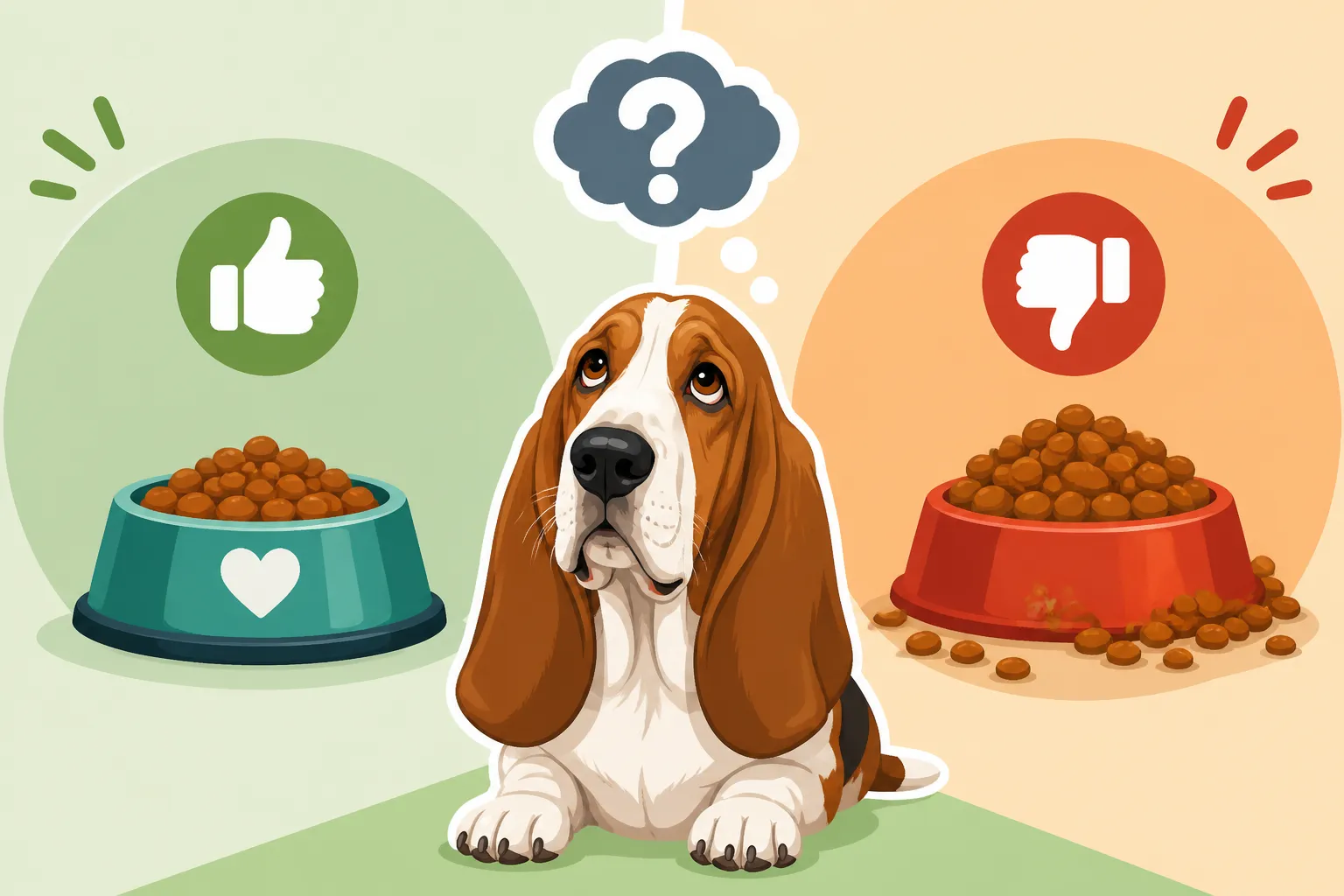
It’s a common dilemma for dog owners, especially those with breeds like our beloved Basset Hounds: the idea of leaving food out all the time, hoping your furry friend will just graze as they please. Many people consider free-feeding for convenience or out of a well-meaning desire to ensure their dog never feels hungry, but for a Basset Hound, this approach can inadvertently lead to a host of health and behavioral problems. This guide will dive deep into why free-feeding isn't typically the best choice for these distinctive hounds and explore the far more beneficial practice of scheduled meal times.
What is Free-Feeding and Why Do People Consider It?
The concept of free-feeding might seem appealing on the surface, offering a hands-off approach to meal times. However, for a breed with a Basset Hound's particular characteristics, understanding what it entails and its potential pitfalls is crucial.
Defining Free-Feeding
Simply put, free-feeding means leaving a bowl of food out for your dog to access whenever they wish throughout the day. There’s no set schedule, no measured portions at specific times; the food is always available, and the dog is expected to self-regulate their intake. This can be done with a standard bowl that you replenish as needed, or with an automatic feeder that dispenses kibble once it drops below a certain level. The underlying assumption is that dogs, like many humans, will eat only what they need to satisfy their hunger, or at least learn to do so over time.
For some dogs, especially those with very low food drive or high anxiety around food scarcity, this might work in theory. But for a dog wired differently, like a Basset Hound, it's often a recipe for disaster. The "all-you-can-eat buffet" approach doesn't account for instinctual behaviors or the specific physiological makeup of certain breeds. Owners often envision their dog gracefully nibbling throughout the day, maintaining a perfect weight, but reality often paints a different picture, especially when a Basset's powerful nose and love for food enter the equation.
The Appeal to Owners
The primary draw of free-feeding for many busy owners is, understandably, convenience. Life gets hectic, and the thought of not having to adhere to a strict feeding schedule can be incredibly tempting. Imagine never having to rush home to feed the dog, or worrying about adjusting meal times around appointments or errands. It offers flexibility and removes one more item from an already overflowing to-do list. Owners might also believe it fosters a sense of security and reduces stress for their dog, thinking that constant access to food means their pet will never experience hunger or fear that their next meal isn't coming.
Furthermore, some owners might have grown up with dogs that were free-fed without apparent issues, leading them to believe it's a perfectly acceptable and natural way to feed any canine. This historical perspective, combined with the convenience factor, often leads to free-feeding being considered as a viable option. However, it’s important to remember that not all dogs are built the same, and what works for one breed or individual dog might be detrimental to another, particularly one as predisposed to weight gain and food obsession as a Basset Hound.
The Basset Hound's Unique Relationship with Food
To understand why free-feeding isn't ideal for a Basset Hound, we need to delve into their very nature. These dogs are practically built to find, consume, and hoard food, making self-regulation a monumental challenge.
A Breed Built to Gorge
Basset Hounds are scent hounds, bred for tracking game over long distances. Their incredible noses and relentless drive mean that when they find something edible, their instinct is to consume it. This isn't just about hunger; it's a deep-seated, evolutionary trait. In the wild, or even in their historical role as hunting dogs, food might not have been a guarantee. When it was available, they ate as much as they could, storing energy for future hunts or lean times. This "feast or famine" mentality is hardwired.
When presented with a continuously full bowl, a Basset Hound often views it not as an invitation to graze, but as an opportunity to secure as much as possible before it might disappear. This leads to rapid consumption and overeating, rather than measured, thoughtful intake. They aren't prone to leaving food for later if they can eat it now. This gorging behavior is deeply ingrained and makes the concept of self-regulation challenging, if not impossible, for many Bassets. Whether a Basset Hound Bolts Its Food is a common concern among owners for precisely this reason.
The Scent-Driven Appetite
A Basset Hound's nose is legendary, second only to the Bloodhound's in its ability to detect and follow scent trails. This incredible olfactory sense doesn't just apply to tracking rabbits; it applies directly to their food bowl. The aroma of kibble, even if it's been sitting out for hours, is a constant, powerful stimulant. It's like having your favorite dessert buffet perpetually open in your living room – the temptation is always there, and for a Basset, that temptation is amplified by their extraordinary sense of smell.
This constant sensory input can trigger their appetite even when they're not truly hungry. They might walk by the bowl, catch a whiff, and decide a little snack is in order, purely because their nose tells them food is present and appealing. This isn't a sign of genuine physiological hunger, but rather a response to powerful external stimuli. This makes controlled eating incredibly difficult under a free-feeding regime, as their nose effectively overrides any nascent inclination towards moderation. Their entire existence revolves around scent, and food scents are at the top of that hierarchy.
Slow Metabolism and Weight Gain
Another critical factor specific to Basset Hounds is their metabolism. Unlike some higher-energy breeds, Bassets are not known for being exceptionally active once their hunting instincts aren't engaged. They tend to have a slower metabolic rate, meaning they don't burn calories as quickly as, say, a Jack Russell Terrier or a Border Collie. Couple this slower metabolism with their insatiable appetite and food-driven nature, and you have a perfect storm for weight gain if food intake isn't carefully controlled.
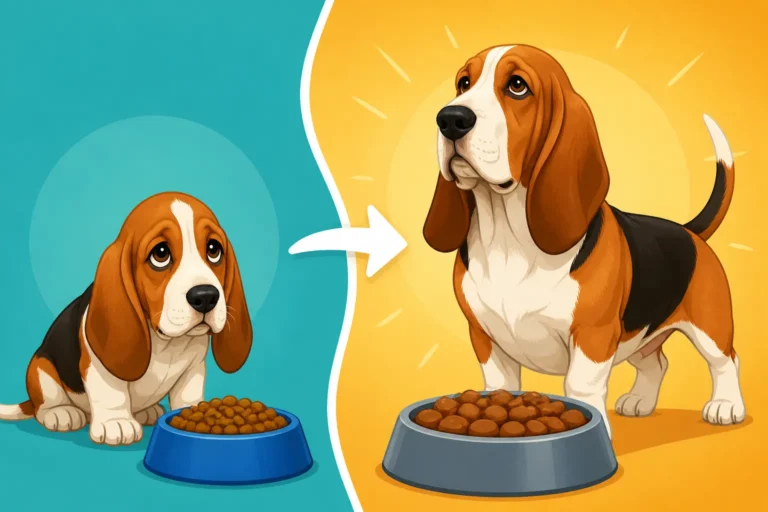
A Basset Hound's characteristic short legs and long back mean that any extra weight puts immense strain on their joints and spine. Why a Heavy Basset Hound Breaks Down Faster is a very real concern for this breed. Overweight Bassets are at a significantly higher risk for conditions like intervertebral disc disease (IVDD), arthritis, and joint pain, which can severely impact their quality of life. Even a few extra pounds can make a huge difference to their mobility and comfort. Therefore, maintaining a healthy weight is not just about aesthetics; it's a fundamental aspect of responsible Basset Hound ownership, making free-feeding a particularly risky proposition.
The Risks of Free-Feeding for Basset Hounds
Given their unique predisposition, allowing a Basset Hound unlimited access to food brings a host of potential problems that can seriously impact their well-being.
Obesity and Its Consequences
The most immediate and pervasive risk of free-feeding a Basset Hound is obesity. Because of their strong food drive and slower metabolism, many Bassets will simply eat until the food is gone, or until they are uncomfortably full, rather than self-regulating to a healthy intake. When a constantly refilled bowl is available, they are almost guaranteed to consume more calories than they expend. This excess energy is then stored as fat, leading to weight gain.
Obesity in Basset Hounds isn't just about a cute, round belly; it's a serious health concern that shortens their lifespan and diminishes their quality of life. Extra weight puts undue stress on their already unique skeletal structure, especially their long spines and short, bowed legs. This can exacerbate conditions like The Back Trouble a Basset Hound Is Built Into or joint issues like elbow and hip dysplasia, leading to pain, reduced mobility, and a need for costly veterinary interventions. Whether an Overweight Basset Hound Lives Shorter is a question with a tragic answer, as obesity significantly contributes to various health complications, including diabetes, heart disease, respiratory problems, and even certain types of cancer. It truly is a silent killer for many dogs, and free-feeding directly contributes to this risk for Basset Hounds.
Digestive Issues and Bloat Concerns
Rapid eating and overconsumption, common with free-fed Basset Hounds, can also lead to a variety of digestive upsets. When a dog eats too quickly, they often swallow a lot of air, which can cause discomfort, gas, and even vomiting. Furthermore, overloading their stomach can lead to indigestion and diarrhea. Their digestive system is designed to process meals, not a continuous stream of food.
Perhaps one of the most frightening risks, particularly for deep-chested breeds like the Basset Hound, is Gastric Dilatation-Volvulus (GDV), commonly known as bloat. While bloat's exact causes are complex and not fully understood, rapid eating and consuming large quantities of food or water in one go are often cited as risk factors. Although some studies have debated the direct correlation, many veterinarians recommend feeding smaller, more frequent meals to deep-chested dogs to mitigate this risk. Free-feeding, with its tendency to encourage gorging, goes against this recommendation. Whether a Basset Hound Gets Bloat is a concern every Basset owner should take seriously, and controlling meal size and speed is a key preventative measure.
Behavioral Challenges and Resource Guarding
Beyond physical health, free-feeding can also foster undesirable behavioral traits in Basset Hounds. When food is always available, some dogs can develop resource guarding behaviors, becoming possessive of their bowl, especially if there are other pets or children in the household. This can lead to tension, growling, or even snapping if someone approaches their food source, creating an unsafe environment. Even in single-dog homes, the constant presence of food can heighten a Basset's food obsession, making them more prone to begging, counter-surfing, or stealing food from other sources. Whether a Basset Hound Steals Food is a common complaint, and free-feeding can certainly reinforce this tendency.
Moreover, a lack of structured meal times removes a valuable training opportunity. Meal times are perfect moments to reinforce good manners, such as waiting patiently, sitting before being fed, and understanding boundaries around food. When food is always there, these training opportunities are lost, making it harder to establish a clear hierarchy and polite behavior around food. It can also make training with food rewards less impactful if food is constantly accessible and therefore less novel or motivating.
Difficulty Monitoring Health
One subtle but significant downside to free-feeding is the inability to accurately monitor your Basset Hound's appetite and eating habits. A change in appetite—either eating less or refusing food entirely—is often one of the first indicators that a dog is feeling unwell. If food is always in the bowl, it can be incredibly difficult to tell if your Basset Hound has eaten their usual amount, less, or nothing at all, until a significant amount of time has passed. This can delay the detection of illnesses, potentially leading to more severe conditions by the time symptoms become obvious.
With scheduled meals, it’s immediately apparent if your Basset Hound isn't eating with their usual gusto. This allows for prompt investigation and veterinary attention if needed. For instance, if your Basset typically devours their meal in five minutes and suddenly leaves half of it, you know something is amiss. This early detection capability is invaluable for managing your dog's health proactively, allowing you to catch problems like Whether a Basset Hound Gets Pancreatitis or dental pain much sooner.
The Benefits of Scheduled Feeding for Basset Hounds
In contrast to free-feeding, establishing a consistent meal schedule offers numerous advantages for Basset Hounds, promoting better health, behavior, and a stronger bond between you and your dog.
Weight Management and Portion Control
The most significant benefit of scheduled feeding for a Basset Hound is the ability to precisely control their food intake. By measuring out specific portions for each meal, you can ensure your dog is receiving the appropriate amount of calories to maintain a healthy weight. This is particularly crucial for a breed so prone to obesity and the associated health issues. Your veterinarian can help determine How Much a Basset Hound Should Eat based on their age, activity level, and ideal weight. Sticking to this prescribed amount is key.
Scheduled feeding allows you to make informed decisions about your Basset's diet. If they start to gain a little too much weight, you can slightly reduce their portion size or switch to a lower-calorie food. Conversely, if they're particularly active on a given day, you can slightly increase their intake. This level of control is impossible with free-feeding. It empowers you to take an active role in Keeping a Basset Hound From Getting Heavy, directly mitigating the risks of joint problems, back pain, and other obesity-related ailments that plague the breed. Brands like Ollie, which offer pre-portioned fresh dog food, can be particularly helpful for owners committed to precise calorie control and premium nutrition.
Routine, Predictability, and Training Opportunities
Dogs thrive on routine and predictability, and meal times are a cornerstone of their daily structure. Scheduled feeding provides a sense of security and reduces anxiety, as your Basset Hound learns exactly when to expect their meals. This predictability can help reduce begging behaviors, as they understand that food will arrive at a specific time, rather than constantly hoping for a windfall from a perpetually full bowl.
Beyond psychological benefits, scheduled meals create invaluable training opportunities. Feeding time becomes a moment for positive reinforcement and reinforcing basic commands. You can teach your Basset to sit, stay, or wait patiently before their bowl is placed down. This not only strengthens their obedience but also reinforces your role as the provider, deepening your bond. It's a prime chance to teach impulse control and good manners around food. You can even use puzzle feeders or slow-feeder bowls, available from retailers like Chewy or Amazon, to make mealtime an enriching mental exercise, further slowing down their eating and engaging their natural problem-solving abilities.
Early Detection of Health Issues
As mentioned earlier, free-feeding makes it difficult to gauge appetite changes. Scheduled feeding, however, turns every meal into a mini health check. You'll quickly notice if your Basset Hound is eating more slowly, picking at their food, or refusing a meal altogether. These subtle shifts can be the first signs of discomfort, illness, or dental pain, allowing you to address potential health problems early on. For example, a sudden disinterest in food might prompt you to check their mouth for a broken tooth or their ears for an infection, which can lead to discomfort during eating.
Observing your Basset during meal times also lets you monitor other behaviors. Are they acting lethargic? Are they drinking more water than usual with their meal? Are there any signs of digestive upset after eating? All these observations contribute to a holistic understanding of their health, enabling you to be a more proactive and informed pet parent. This consistent monitoring is a crucial component of ensuring What a Basset Hound Needs Every Day for its long-term health and happiness.
Practical Tips for Successful Scheduled Feeding
Transitioning to or maintaining a scheduled feeding regimen for your Basset Hound is straightforward with a few practical strategies. It's all about consistency and understanding your dog's needs.
Establishing a Consistent Schedule
Consistency is the golden rule when it comes to scheduled feeding. Aim to feed your Basset Hound at roughly the same times each day, typically two meals for adults. Puppies, of course, will need more frequent meals, as detailed in The Meal Schedule a Basset Hound Puppy Needs. For an adult Basset, a morning meal and an evening meal, spaced about 8-12 hours apart, works well for most households. For example, 7 AM and 5 PM, or 8 AM and 6 PM.
Sticking to this routine helps regulate your Basset's metabolism and digestive system. Their body learns when to expect food, which can actually reduce begging outside of meal times. If you have a busy schedule, consider investing in an automatic feeder that can dispense meals at set times. This ensures consistency even if you're running late, or for the occasional day when you need to be away from home during a meal. Just remember to still measure the food carefully, as some automatic feeders can be imprecise.
Choosing the Right Food and Portions
Selecting the right food is paramount for your Basset Hound's health. Opt for a high-quality dog food appropriate for their life stage (puppy, adult, senior) and activity level. Many brands, from widely available kibble on Chewy to fresh-cooked options like Ollie, offer excellent nutritional profiles. Always check the ingredient list for whole meats and recognizable vegetables, and avoid foods with excessive fillers or artificial additives.
Once you've chosen a food, determining the correct portion size is critical. Start by following the guidelines on the food packaging, but remember these are just starting points. Your veterinarian is your best resource for personalized feeding recommendations, especially for How Much an Adult Basset Hound Eats Daily. They can assess your Basset's body condition score and advise on the precise amount to feed to maintain an ideal weight. Use a dedicated measuring cup to ensure accuracy with every meal, rather than eyeballing it. A kitchen scale can provide even more precision, which is especially helpful when dealing with a breed prone to weight gain.
Managing Hunger Between Meals
Despite scheduled meals, some Basset Hounds, with their inherent love for food, might act hungry between meals. It’s important to distinguish between genuine hunger and learned begging behavior. If your Basset is at a healthy weight and receiving appropriate portions, they are likely not starving.
To help manage any perceived hunger or begging, consider the following:
- Healthy Snacks: If you feel the need to offer a treat, make it a healthy, low-calorie option, such as carrot sticks, apple slices (without seeds), or green beans. Always account for these treats in their daily caloric intake to prevent overfeeding.
- Chew Toys: Provide durable chew toys or dental chews to keep them occupied and mentally stimulated, redirecting their attention from food.
- Increase Fiber: Talk to your vet about incorporating a bit more fiber into their diet, which can help them feel fuller for longer.
- Mental Stimulation: Sometimes, "hunger" is actually boredom. Engage your Basset in a short training session, a sniff walk, or a puzzle toy to provide mental enrichment.
- Ignore Begging: As hard as it is, consistently ignoring begging behavior is crucial. Giving in even once reinforces the idea that it works.
Addressing Common Free-Feeding Arguments for Basset Hounds
While scheduled feeding is generally recommended, some owners still bring up arguments for free-feeding. Let's address these points specifically in the context of our Basset Hounds.
Dispelling the "They'll Eat When Hungry" Myth
A common argument for free-feeding is the belief that "dogs will just eat when they're hungry." While this might hold true for some highly self-regulated individuals or breeds with less food drive, it rarely applies to Basset Hounds. As we've discussed, their powerful olfactory senses and evolutionary predisposition to gorge often override any natural inclination towards moderation. For a Basset, "hungry" isn't just a physiological need; it's a constant, scent-driven state when food is present.
Leaving food out 24/7 essentially trains a Basset Hound that food is always available, and they have no reason to conserve or regulate. Instead of eating when hungry, they often eat because food is there. This leads to a continuous cycle of overeating, weight gain, and increased risk for health issues. It's not about trusting their instincts; it's about understanding that their instincts, in an environment of constant food abundance, are not always aligned with their long-term health. Our role as owners is to guide them towards healthy habits, which often means managing their environment and food access.
Addressing Multi-Dog Households
Another frequent argument for free-feeding arises in multi-dog households. Owners sometimes feel it's easier to leave food out for all dogs, hoping they'll each eat what they need without squabbles or complicated scheduling. For Basset Hounds sharing a home with other dogs, this approach can create several problems. Firstly, if one dog is a Basset Hound, the likelihood of them overeating increases dramatically, often at the expense of other, more self-regulated dogs in the household. The Basset might consume their own portion and then move on to others' bowls.
Secondly, free-feeding in a multi-dog environment can lead to significant resource guarding issues. The constant presence of food means competition is always simmering, potentially leading to fights or stress among the dogs. Some dogs might become anxious about when they can eat, while others become overly protective. Even if the dogs don't fight, a smaller or shyer dog might not get enough to eat if the Basset Hound is dominating the food source.
For multi-dog households, scheduled, separate feeding is almost always the safest and healthiest option. Each dog should be fed in their own designated space (separate rooms, crates, or at a distance from each other) to ensure they eat their own portion without competition or stress. Once they are finished, all bowls should be picked up. This method ensures each dog gets the right amount of food and prevents any food-related conflicts, fostering a more peaceful home environment.
Table: Free-Feeding vs. Scheduled Feeding for Basset Hounds
Here's a quick comparison to help visualize the pros and cons for your Basset Hound:
| Feature | Free-Feeding (Always Available) | Scheduled Feeding (Set Times, Measured Portions) |
|---|---|---|
| Owner Convenience | High (no strict timing) | Moderate (requires planning, but can use auto-feeders) |
| Weight Management | Very Difficult (high risk of obesity) | Excellent (precise portion control) |
| Digestive Health | Poor (encourages gorging, higher bloat risk) | Good (controlled intake, less gorging) |
| Behavioral Issues | High (resource guarding, begging, food obsession) | Low (establishes routine, training opportunities) |
| Monitoring Appetite | Very Difficult (hard to track intake changes) | Excellent (easy to spot changes in eating habits) |
| Training Opportunities | Limited (food always available, less motivation) | Numerous (meal times used for obedience and manners) |
| Multi-Dog Households | Problematic (competition, guarding, uneven intake) | Recommended (separate, controlled feeding for each dog) |
| Basset Hound Suitability | Not Recommended (high risk for specific breed issues) | Highly Recommended (addresses breed's predispositions) |
Ultimately, while the initial thought of free-feeding might appeal to our desire for convenience, the long-term health and behavioral implications for a Basset Hound simply outweigh any perceived benefits. By embracing scheduled feeding, you're not just controlling their diet; you're actively safeguarding their health, strengthening your bond, and ensuring they live the happiest, most comfortable life possible. It's one of the most fundamental acts of love and responsibility a Basset Hound owner can undertake. Whether a Basset Hound Needs a Bigger Crate Than Expected or Whether a Basset Hound Needs a Snood at Dinner are practical considerations, but managing their meals is foundational.
Disclaimer
This article is for general informational purposes only and does not constitute professional advice. Laws, prices and regulations vary by location and change over time. Consult a qualified professional for guidance on your specific situation.