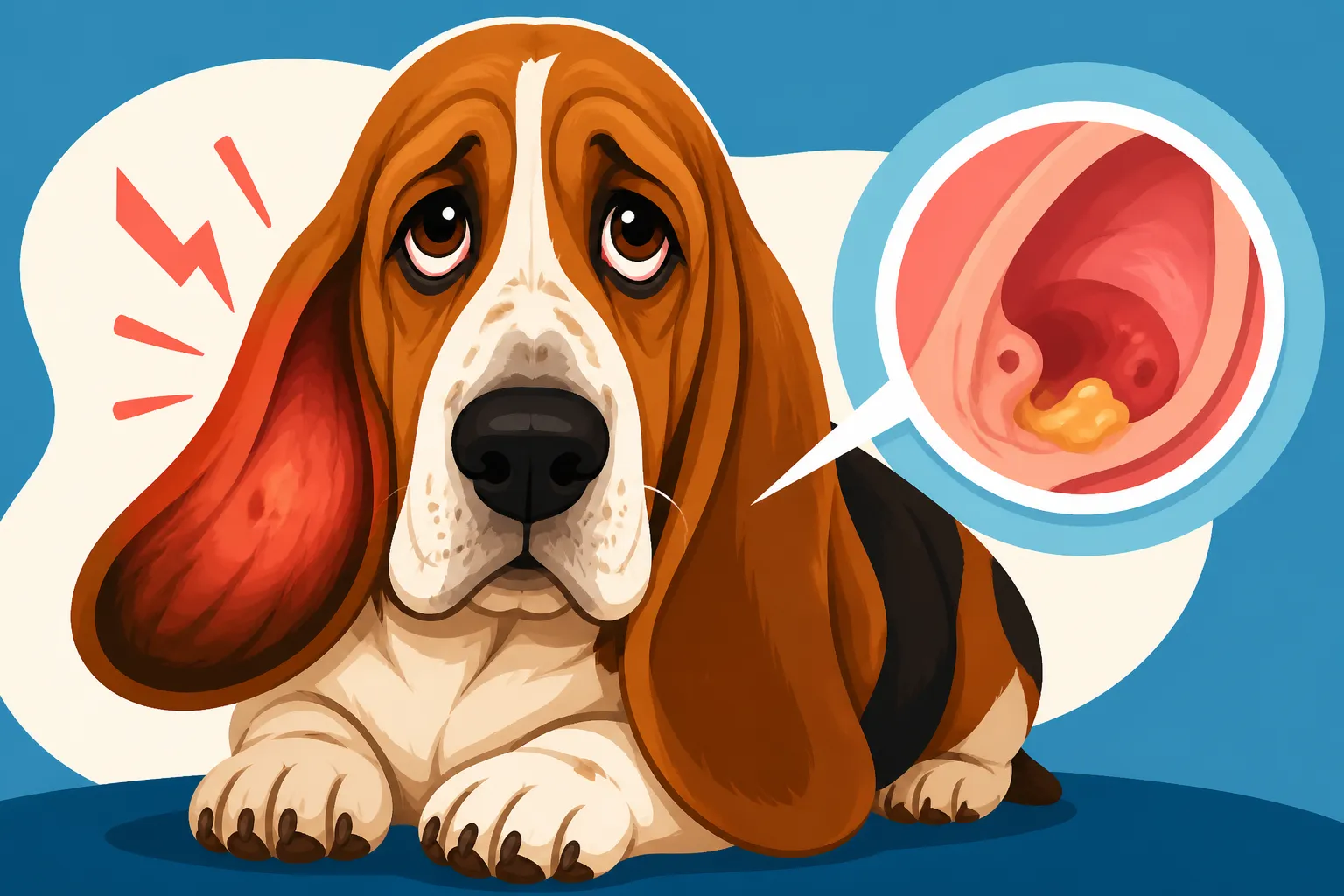
The Ear Infections That Never Really Leave a Basset Hound
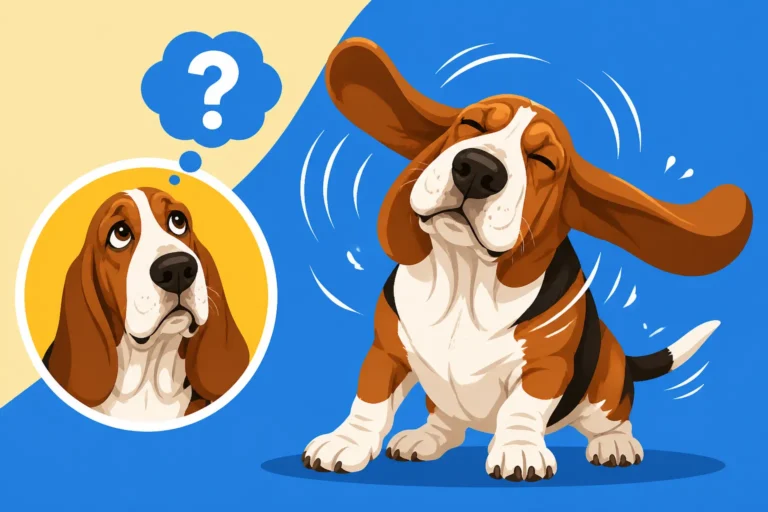
It's a familiar, frustrating cycle for many Basset Hound owners: you finally get that ear infection cleared up, breathe a sigh of relief, and then, just a few weeks or months later, the tell-tale head shaking starts all over again. The reality is, for many Basset Hounds, ear infections aren't just an occasional nuisance; they're a chronic, deeply ingrained problem that seems to linger no matter what you do. This guide will delve deep into why these infections are such a persistent battle, what causes them to recur, and how you can manage your beloved hound's ear health for long-term comfort.
Understanding the Basset Hound's Unique Ear Anatomy
To truly grasp why Basset Hounds are so prone to chronic ear infections, we first need to appreciate the magnificent, yet often problematic, design of their ears. These aren't just long and floppy; they're a complex system that, while perfect for scent work, unfortunately creates a perfect breeding ground for microscopic invaders.
The Long, Droopy Pinnae and Their Role
When you look at a Basset Hound, the first thing many people notice are those incredibly long, velvety ears, or "pinnae." These aren't just for show; they serve a crucial purpose in their original hunting role. These extensive ear flaps hang low, often sweeping the ground as the dog follows a scent trail. This action is thought to help stir up and capture scent particles, directing them toward the nose. It's a marvel of evolution for a scent hound, but for ear health, it's a significant disadvantage.
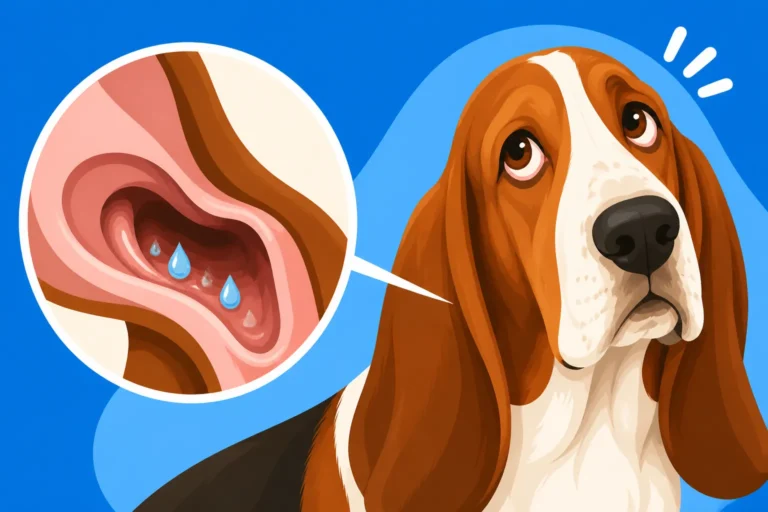
Because these ears are so long and heavy, they effectively cover the ear canal opening, acting like a seal. This creates a warm, humid, and poorly ventilated environment deep inside the ear. Imagine wearing earmuffs all day, every day – that's essentially the climate within a Basset Hound's ear canal. This lack of airflow means that any moisture, whether from bathing, swimming, or even just humidity in the air, becomes trapped. This trapped moisture, combined with body heat, is an open invitation for bacteria and yeast to multiply. Owners often wonder Whether a Basset Hound's Ears Trap Water and the answer is a resounding yes, making regular, thorough drying absolutely essential.
The Narrow, L-Shaped Ear Canal
Beyond the external flap, the internal structure of a Basset Hound's ear canal is also a major contributing factor to chronic infections. Unlike the relatively straight ear canals found in many other breeds, a Basset Hound's ear canal takes a sharp turn, forming a distinct 'L' shape. This anatomical quirk means that the canal descends vertically for a significant distance before making a 90-degree bend horizontally towards the eardrum.
This complex pathway presents several challenges. Firstly, it makes it incredibly difficult for debris, wax, and discharge to naturally drain out of the ear. Gravity, which usually assists in self-cleaning for dogs with upright ears, works against a Basset Hound. Instead, everything tends to accumulate at the elbow of that 'L' bend. Secondly, this narrow, winding path makes proper cleaning a real chore. Getting ear cleaning solutions deep enough to be effective, and then ensuring they can get back out with the loosened debris, requires specific techniques and often specialized applicators. It’s a design that unfortunately means an ear canal that never dries is a common reality.
Poor Air Circulation and Moisture Trapping
The combination of those heavy, droopy pinnae and the deep, convoluted ear canal leads to one overarching problem: extremely poor air circulation. Airflow is crucial for maintaining a healthy, dry environment within the ear. Without it, the ear canal remains perpetually warm and moist. This isn't just uncomfortable; it fundamentally alters the natural microbial balance within the ear.
Under normal, healthy conditions, a dog's ear canal hosts a small, harmless population of bacteria and yeast. However, when the environment becomes consistently warm and damp, these organisms can quickly overgrow, leading to inflammation and infection. It's a bit like trying to keep a bathroom dry and mold-free without any ventilation – eventually, nature takes its course. This constant dampness also softens the delicate skin lining the ear canal, making it more susceptible to irritation and easier for opportunistic pathogens to penetrate and cause a full-blown infection.
Common Causes and Types of Chronic Ear Infections
While the Basset Hound's anatomy is the predisposition, chronic ear infections aren't usually caused by a single factor. More often than not, it's a perfect storm of anatomical challenges combined with specific environmental or internal triggers. Understanding these different elements is key to effective management.
Bacterial and Yeast Overgrowth
The most common culprits behind recurrent Basset Hound ear infections are bacteria and yeast. In a healthy ear, these microorganisms coexist peacefully, but the Basset's unique ear canal provides an ideal incubator for them to proliferate unchecked. Malassezia pachydermatis, a type of yeast, is particularly infamous for thriving in warm, moist, and low-oxygen environments, leading to that distinct, often sweet or yeasty odor that many Basset owners become all too familiar with. This also makes owners wonder Whether a Basset Hound's Ear Smells Sweet or Sour.
Bacterial infections are equally prevalent, often appearing as a secondary infection after yeast has already compromised the ear's defenses. Different types of bacteria, such as Staphylococcus or Pseudomonas, can cause a range of symptoms, from thick, yellow discharge to painful swelling. The problem with chronic infections is that these pathogens can become resistant to standard treatments over time, especially if a full course of medication isn't completed or if the underlying cause isn't addressed. A veterinarian will often need to take a sample for cytology and culture to identify the specific organisms and prescribe the most effective antibiotic or antifungal.
Underlying Allergies as a Major Contributor
This is often the big one that many owners, and sometimes even vets, initially overlook when dealing with persistent ear issues. Many chronic ear infections in Basset Hounds aren't primarily an ear problem at all, but rather a manifestation of systemic allergies. Just like humans can get hives or asthma from allergies, dogs often show their allergic reactions through their skin, and the lining of the ear canal is essentially specialized skin.
Environmental allergies (atopy) to things like pollen, dust mites, and molds, or food allergies to certain proteins (like chicken or beef), can cause inflammation throughout the body, including the ears. This inflammation makes the ear canal itchy, leading the dog to scratch or shake its head, which in turn causes micro-traumas to the ear lining. These tiny breaks in the skin barrier, coupled with the increased moisture and warmth from inflammation, create a perfect entry point for opportunistic bacteria and yeast to take hold and proliferate. Unless the underlying allergy is identified and managed, the ears will remain inflamed and susceptible, leading to a frustrating cycle of recurring infections. You might be surprised to learn Whether a Basset Hound Gets Allergies as frequently as they do.
Ear Mites and Other Parasites
While less common as a cause of chronic bacterial/yeast infections in adult Basset Hounds, ear mites (Otodectes cynotis) are a significant problem, especially in puppies or dogs rescued from less-than-ideal conditions. These tiny parasites live inside the ear canal, feeding on skin debris and ear wax, causing intense itching and irritation. The scratching and head shaking that results can lead to secondary bacterial or yeast infections.
Other external parasites like fleas can also contribute to general skin irritation, which might indirectly exacerbate ear issues in an allergic dog. While a single course of mite treatment usually resolves the primary infestation, the ear canal might still be inflamed and require additional cleaning and anti-inflammatory medication to recover fully. It's always wise for a vet to rule out mites with an otoscope and microscopic examination, especially if the Basset Hound is exhibiting extreme itchiness and producing a dark, crumbly discharge that resembles coffee grounds.
Recognizing the Persistent Signs of Trouble
Basset Hounds are notorious for their stoic nature, often hiding discomfort until it becomes severe. This makes it crucial for owners to be vigilant and recognize the subtle, and not-so-subtle, signs that an ear infection is brewing or has returned. Early detection can make a significant difference in treatment success and preventing advanced complications.
Beyond the Obvious Head Shaking and Scratching
While vigorous head shaking, pawing at the ears, and scratching are classic signs that something is wrong, these often indicate an infection that has already taken hold and is causing considerable irritation. By this point, your Basset Hound is likely already in a fair bit of discomfort. However, there are often earlier, more subtle cues that a discerning owner can pick up on.
Pay close attention to changes in your Basset's demeanor. Are they less playful? Reluctant to have their head touched? Do they seem a bit withdrawn? Sometimes, the first sign might simply be a slight tilt of the head to one side, or an increased sensitivity when you gently stroke their jowls. They might rub their head along furniture or the floor more frequently. Even a subtle change in how they respond to sounds – perhaps appearing deaf in one ear – could be a warning sign. Missing these early indicators can mean the infection progresses further, becoming harder to treat. Keeping an eye on The Signs a Basset Hound's Ear Has Gone Bad is truly essential for their well-being.
Changes in Odor and Discharge Appearance
One of the most reliable indicators of an impending or active ear infection is a change in the smell or appearance of discharge from the ear. A healthy Basset Hound ear, even with its inherent challenges, should not have a strong odor. If you start to notice a persistent, unpleasant smell – often described as sweet, yeasty, or even rotten – it's a strong red flag. This odor is typically a byproduct of bacterial or yeast overgrowth.
Along with odor, examine any discharge. Healthy ear wax is usually light yellow to brown and minimal. With an infection, you might see an increase in the quantity of discharge, or a change in its color and consistency. It could be dark brown and waxy, indicating a yeast infection; yellow or green and pus-like, suggesting a bacterial infection; or even black and crumbly, which might point to ear mites. Sometimes, the discharge will simply be excessive, watery, or have streaks of blood if the ear canal is severely inflamed and traumatized. Regularly checking inside the ear flap and gently sniffing the opening of the ear canal should be part of your routine.
Behavioral Cues and Pain Indicators
As infections become more severe, the pain and discomfort become undeniable, leading to more pronounced behavioral changes. A Basset Hound might become reluctant to open its mouth wide, making yawning or eating hard kibble difficult, because of the pressure or pain radiating from the ear canal to the jaw joint. They might cry out when their ear is accidentally bumped or when they try to shake their head.
In some cases, the pain can be so intense that they become lethargic, lose their appetite, or even show signs of aggression if you try to examine their ears. Swelling around the base of the ear, or even in the ear flap itself (which could indicate an aural hematoma, a blood blister from vigorous head shaking), is another clear sign of significant distress. Untreated, chronic pain can lead to anxiety and changes in temperament, making your usually happy-go-lucky Basset Hound a shadow of their former self. A Basset Hound with chronic ear issues might also become quite adept at resisting ear cleanings or examinations, a testament to their past discomfort.
The Challenges of Treatment and Management
Dealing with chronic Basset Hound ear infections isn't just about applying drops for a week; it's a marathon, not a sprint. The unique anatomy and often underlying causes make effective treatment and long-term management a complex, multi-faceted endeavor that requires patience, diligence, and a strong partnership with your veterinarian.
Why Standard Treatments Often Fall Short
It's a common story: you take your Basset to the vet, they prescribe ear drops and possibly oral antibiotics, the infection clears up, and then a few weeks later, you're back at square one. The reason standard treatments often fail to provide lasting relief is that they frequently only address the symptoms – the bacterial or yeast overgrowth – without tackling the root cause. Without addressing factors like poor ventilation, trapped moisture, or underlying allergies, the conditions that allowed the infection to flourish in the first place remain.
Moreover, the L-shaped ear canal makes it challenging for medications to penetrate effectively into all the nooks and crannies where pathogens hide. Inadequate cleaning prior to medication application can also reduce efficacy, as the medicine struggles to reach the inflamed skin through layers of wax and discharge. When infections recur repeatedly, the pathogens can also develop resistance to common antibiotics and antifungals, making subsequent treatments even more difficult and expensive. This is why some Basset Hounds end up needing Whether a Basset Hound Needs Ear Drops for Life.
The Importance of Accurate Diagnosis and Culture
Guessing what's going on in a persistently infected ear is a recipe for failure. An accurate diagnosis is paramount. This begins with a thorough otoscopic examination by your veterinarian to visualize the ear canal and eardrum, checking for foreign bodies, polyps, or structural changes. Crucially, cytology – examining a swab of ear discharge under a microscope – is essential. This allows the vet to identify whether yeast, bacteria (and their shapes), or mites are present, guiding the initial choice of medication.
For chronic or recurring infections, especially those not responding to initial treatment, a bacterial culture and sensitivity test are invaluable. This involves sending a sterile swab of the discharge to a lab to grow the specific bacteria present and then test which antibiotics are most effective against them. This takes the guesswork out of treatment and ensures you're using the right weapon against the specific enemy. Without this step, you could be giving an antibiotic that the bacteria are completely resistant to, prolonging the infection and contributing to further resistance. This process helps determine Whether Yeast or Bacteria Is in a Basset Hound's Ear and how best to fight it.
Long-Term Medication and Cleaning Regimens
Managing chronic ear infections often transitions from acute treatment to a long-term maintenance protocol. This might involve daily or weekly prophylactic ear cleaning with a vet-approved solution designed to acidify the ear canal, break down wax, and prevent microbial overgrowth. Some Bassets might require intermittent use of medicated drops, applied perhaps once or twice a week, even when they appear healthy, to keep flare-ups at bay.
Consistency is key here. Missing doses or skipping cleanings can quickly undo weeks of progress. This long-term commitment requires dedication from the owner and a clear understanding from the vet about the hound's individual needs. It also necessitates a budget for these ongoing supplies, as What Chronic Ear Treatment Costs a Basset Hound Owner can really add up over time. Some owners find pet insurance plans like those offered by Healthy Paws can help cover a significant portion of these recurring veterinary costs, providing peace of mind and ensuring their Basset gets the best possible care without financial strain.
Proactive Prevention and Daily Care Strategies
Since curing chronic ear infections in Basset Hounds is often an uphill battle, focusing on proactive prevention and diligent daily care is the most effective approach. By minimizing the factors that contribute to infections, you can dramatically reduce their frequency and severity, improving your hound's quality of life.
Establishing a Consistent Ear Cleaning Routine
This is, without a doubt, the cornerstone of preventing recurrent ear infections in a Basset Hound. Given their anatomy, their ears simply cannot keep themselves clean. A regular cleaning schedule, ideally once or twice a week for prone individuals, is non-negotiable. Your vet can recommend the best ear cleaner, often one with drying agents and gentle antiseptics.
The cleaning process itself needs to be thorough. You'll need to fill the ear canal with the cleaning solution, gently massage the base of the ear for 30-60 seconds to break up debris, and then allow your Basset to shake their head. After the shake, use soft cotton balls or gauze wrapped around your finger to wipe away any visible discharge and excess solution from the accessible parts of the ear. Crucially, avoid cotton swabs, as these can push debris deeper into the L-shaped canal or damage the delicate eardrum. Always ensure the ear is as dry as possible after cleaning. You'll find specific advice on How Often a Basset Hound's Ears Must Be Cleaned to keep them healthy.
Addressing Underlying Allergic Conditions
If allergies are a suspected or confirmed cause of your Basset's chronic ear issues, managing them effectively is paramount. This might involve a multi-pronged approach:
- Dietary Management: If food allergies are suspected, a strict elimination diet using a novel protein or hydrolyzed protein food is necessary. This isn't a quick fix and requires several weeks of feeding only the new food (no other treats or chews) to see if symptoms improve.
- Environmental Allergy Control: For atopy, reducing exposure to allergens in the home (e.g., frequent vacuuming, air purifiers, washing bedding) can help. Your vet might also suggest allergy medications, such as antihistamines, corticosteroids (used cautiously due to side effects), or newer, targeted medications like Apoquel or Cytopoint injections, which specifically block the itch pathway.
- Immunotherapy: For long-term control of environmental allergies, allergy testing followed by allergen-specific immunotherapy (allergy shots or oral drops) can desensitize your Basset to the allergens they react to, offering a more natural and lasting solution.
Effective allergy management will reduce the underlying inflammation in the ear canal, making it less hospitable for secondary infections.
Dietary Considerations and Their Impact
Beyond specific food allergies, a Basset Hound's overall diet can play a role in their skin and ear health. A high-quality diet rich in essential fatty acids, particularly omega-3s, can help support skin barrier health and reduce inflammation throughout the body, including the ears. Many premium dog foods formulate their recipes with these beneficial ingredients.
Some owners also find that certain additives or less-than-ideal ingredients in commercial dog foods might contribute to systemic inflammation, potentially exacerbating ear issues. While not a cure-all, ensuring your Basset is on a well-balanced, high-quality diet that agrees with them can be a valuable part of a holistic approach to ear health. Discussing dietary changes with your vet or a veterinary nutritionist is always recommended before making significant switches, especially if your Basset is already on a specialized diet for other health concerns.
When Chronic Infections Lead to Advanced Problems
The persistent nature of Basset Hound ear infections isn't just a nuisance; if left unmanaged, they can lead to severe, irreversible changes within the ear canal. These advanced problems can cause chronic pain, hearing loss, and may eventually necessitate drastic surgical intervention.
Scarring, Calcification, and Stenosis
Repeated inflammation and infection take a heavy toll on the delicate tissues lining the ear canal. Over time, the constant irritation leads to thickening of the ear canal walls. This thickening is essentially scar tissue forming. As the process continues, the ear canal can become increasingly narrowed, a condition known as stenosis. Imagine a clogged pipe where the walls are getting thicker and thicker, leaving less and less room for fluid to pass through.
In even more severe, long-standing cases, the soft cartilage of the ear canal can actually start to calcify, turning into a hard, bony structure. This transformation is permanent and makes the ear canal rigid and even more constricted. When this happens, it becomes nearly impossible for air to circulate, for wax and debris to exit, or for topical medications to penetrate. The ear essentially becomes a permanently sealed, infected chamber, causing immense pain and often profound hearing loss. This is one of the worst outcomes of Whether a Basset Hound's Ear Canal Closes Up.
Aural Hematomas and Their Surgical Correction
Basset Hounds are particularly prone to aural hematomas, which are essentially blood blisters that form within the ear flap (pinna). These occur when your Basset shakes their head violently or scratches vigorously due to an underlying ear infection. The force of the shaking can cause blood vessels within the ear flap to rupture, leading to a pocket of blood accumulating between the cartilage and skin of the ear.
Aural hematomas are incredibly painful and cause the ear flap to swell dramatically, often feeling like a squishy pillow. While they can sometimes resolve on their own, surgical intervention is almost always recommended to prevent permanent disfigurement of the ear (cauliflower ear) and to alleviate pain. The surgery involves draining the blood and stitching the ear flap in a way that allows the two layers to heal back together, preventing recurrence. However, the hematoma itself is a symptom of an underlying ear problem, so addressing the primary infection is still crucial to prevent further self-trauma and recurrence.
The Reality of Total Ear Canal Ablation (TECA)
For Basset Hounds suffering from end-stage chronic ear disease, where the ear canal is severely scarred, calcified, and stenotic, and medical management offers no relief from constant pain and infection, a total ear canal ablation (TECA) might be the only viable option. This is a radical surgical procedure performed by a veterinary surgeon, often a specialist. During a TECA, the entire ear canal, from the opening down to the eardrum, is surgically removed.
The goal of a TECA is to eliminate the diseased and painful ear canal, thus removing the source of chronic infection and pain. While the dog will lose hearing in the affected ear, for many Bassets who have already experienced significant hearing loss due to chronic infection, the relief from pain far outweighs this consequence. Recovery can be intensive, but for suitable candidates, it can dramatically improve their quality of life. This is a major decision with significant cost implications, so understanding What a Total Ear Canal Ablation Costs on a Basset Hound is a critical part of the conversation with your veterinary team. It's a last resort, but often a life-changing one for severely affected hounds.
Living with a Basset Hound Prone to Ear Issues
Owning a Basset Hound with chronic ear infections is a commitment. It's not just about managing a medical condition; it's about integrating ongoing care into your daily life, managing expectations, and being a strong advocate for your beloved companion.
Managing Expectations and Frustrations
It's easy to get discouraged when you're consistently battling ear infections. You might feel like you're doing everything right, spending money, and still not seeing a complete resolution. This is where managing your expectations becomes crucial. For many Basset Hounds, particularly those with severe anatomical predispositions or underlying allergies, "cure" might not be a realistic goal. Instead, the focus shifts to "control" and "management."
This means striving to reduce the frequency and severity of flare-ups, keeping your Basset comfortable, and preventing the progression to more debilitating conditions. Accept that there will be good weeks and bad weeks. Don't beat yourself up if an infection returns. Instead, celebrate the longer periods between flare-ups and the small victories in maintaining comfort. Acknowledge that this is a breed-specific challenge, and you're doing your best for your hound.
Financial Considerations and Pet Insurance
The ongoing cost of managing chronic ear infections can be substantial. Between regular vet visits, ear cleaning solutions, medicated drops, oral antibiotics, allergy medications, and potentially diagnostic tests like cultures or allergy panels, the expenses can quickly accumulate. It's not uncommon for What Ear Treatment Costs a Basset Hound Owner Yearly to be a significant line item in a Basset owner's budget.
This is where pet insurance can be a literal lifesaver. Policies from providers like Healthy Paws, for instance, can help offset the costs of recurrent ear infections, diagnostics, medications, and even potential surgeries like TECA, provided the condition wasn't pre-existing when you enrolled your pet. Having a good pet insurance plan can empower you to pursue all necessary treatments and diagnostics without financial hesitation, ensuring your Basset Hound receives comprehensive care throughout their life. It's worth researching Insuring a Basset Hound Against Eyes, Ears and Backs as these are common issues.
Advocating for Your Basset Hound's Comfort
You are your Basset Hound's primary advocate. Because they can be stoic, it's up to you to recognize their subtle signs of discomfort and ensure their needs are met. This means maintaining open and honest communication with your veterinarian. Don't hesitate to ask questions, voice your concerns, or seek a second opinion if you feel stuck.
Be diligent with your cleaning and medication schedule, and keep detailed records of flare-ups, treatments, and responses. This information is invaluable for your vet in tailoring the most effective long-term plan. Beyond medical interventions, consider practical adjustments at home, such as elevating food and water bowls to keep ears out of moisture, using a snood during meals, or investing in a good quality orthopedic bed if they're also suffering from body aches that make them less resilient to discomfort. Your consistent care and attention are the greatest gifts you can give a Basset Hound prone to ear issues.
Debunking Common Myths About Basset Hound Ears
When dealing with a condition as prevalent and persistent as Basset Hound ear infections, a lot of myths and old wives' tales tend to circulate. It's important to separate fact from fiction to ensure you're providing the most effective and appropriate care for your hound.
"Just Pluck the Hair" Misconceptions
One persistent myth is that routinely plucking the hair from inside a Basset Hound's ear canal will prevent infections. The theory is that this hair traps wax and debris, contributing to the problem. While some breeds do benefit from ear hair plucking, for most Basset Hounds, this is actually detrimental. The hair in a Basset's ear canal is usually sparse and fine.
Plucking the hair can cause micro-traumas to the delicate skin lining the ear canal, creating tiny open wounds that are perfect entry points for bacteria and yeast. It can also lead to inflammation, ingrown hairs, and increased sensitivity, making the ear more prone to infection, not less. Unless your veterinarian specifically advises it due to an unusual amount of very thick, matted hair, it's generally best to leave the ear hair alone. Focus instead on thorough cleaning with a liquid solution to flush out any debris and maintain a healthy environment. Questions like Whether a Basset Hound's Ear Hair Should Be Plucked are frequently asked, and often misunderstood.
"It's Just a Basset Hound Thing" and Why It's More Than That
While it's true that Basset Hounds, due to their anatomy, are highly predisposed to ear infections, dismissing every ear problem as "just a Basset thing" can be dangerous and lead to inadequate care. This mindset can cause owners and even some veterinary professionals to become complacent, assuming that infections are inevitable and untreatable.
Yes, the long ears and L-shaped canals set them up for trouble, but that doesn't mean your Basset Hound is doomed to a life of chronic pain and discharge. It means you need to be more proactive, more diligent, and more investigative to find and manage the specific underlying triggers for your individual dog. "It's just a Basset thing" shouldn't be an excuse for giving up on finding effective management strategies. It should be a call to action to work even harder to ensure their comfort.
The Idea That They'll "Grow Out Of It"
Unfortunately, Basset Hounds do not "grow out of" their propensity for ear infections. In fact, without proper management, the problem often worsens with age. As discussed, repeated infections lead to scarring, thickening, and calcification of the ear canal, making it even harder for the ear to self-clean and for medications to work. What might start as occasional infections in a puppy can easily become a chronic, debilitating condition in adulthood if not addressed consistently.
The underlying anatomical factors – the long pinnae and the L-shaped canal – are inherent to the breed and do not change as the dog matures. If anything, age might bring a slightly weaker immune system or other health issues that could exacerbate ear problems. Therefore, establishing a solid preventative and maintenance routine from a young age is paramount. Don't wait for your Basset to "grow out of it"; take action to prevent it from growing worse.
Disclaimer
This article is intended for informational purposes only and does not constitute veterinary advice. Always consult with a qualified veterinarian for any health concerns or before making any decisions about your Basset Hound's medical care. Individual needs and conditions vary, and professional guidance is essential.